
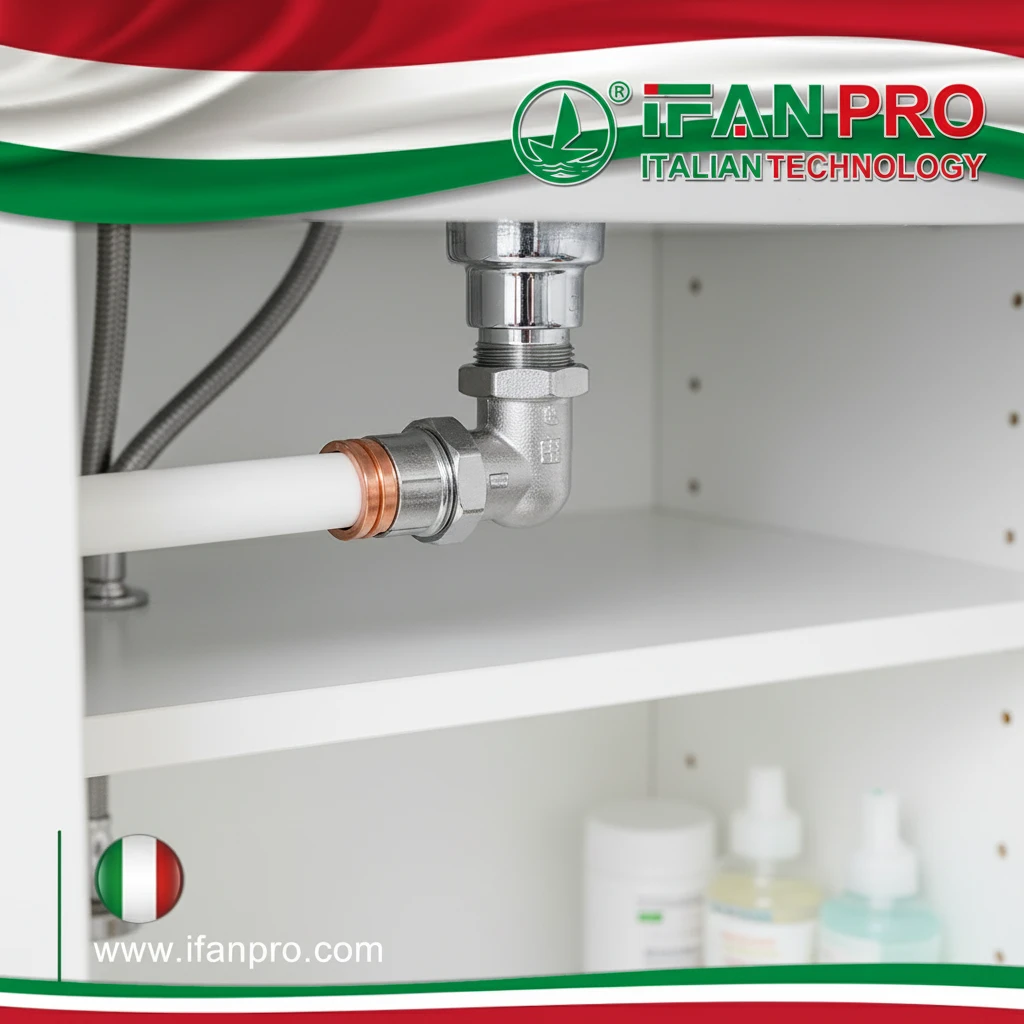
I’ve seen too many leaks start at the faucet connection. A simple, secure link here is the key to a worry-free plumbing system. Let me show you how to do it right.
To connect PEX tubing to a faucet, you need to install the correct shut-off valve (like an angle stop) onto the faucet’s threaded tailpiece, then secure the PEX tube to the valve’s other end using a reliable crimp or clamp ring. The most important step is ensuring both connections are perfectly aligned and tightened to create a permanent, watertight seal.
Connecting PEX to a faucet might seem small, but it’s a critical job. A bad connection here can lead to constant drips or even major leaks. Follow this guide to learn the simple process, the best parts to use, and how to avoid the usual mistakes.
What Tools Are Needed to Connect PEX Tubing to a Faucet Securely?
Trying to improvise with the wrong tools is a recipe for leaks. I once saw someone use regular pliers for a crimp ring, and the result was a slow, constant drip that damaged a cabinet.
You need a few specific tools to connect PEX tubing to a faucet securely: a tubing cutter for a clean cut, a PEX go/no-go gauge to check your work, and the correct installation tool for your fitting type, such as a crimp tool for copper crimp rings or a cinch tool for stainless steel clamp rings. Having these tools ready makes the job fast and foolproof.

Gathering Your Essential Toolkit
Using the right tools is not just a suggestion; it’s what guarantees a professional, leak-free result. You cannot properly install a PEX fitting with standard household tools. Here is your essential checklist:
First, you need a way to cut the PEX tubing. You must use a sharp PEX tubing cutter. This tool gives you a perfectly square, clean cut. Do not use a regular saw or utility knife. A ragged or angled cut will prevent the fitting from seating properly, and that will cause a leak every single time.
Next, you need the installation tool. This is the most important tool, and it must match the type of fitting you are using. There are two main systems:
- For Copper Crimp Rings: You need a PEX crimp tool. It looks like big pliers with specially shaped jaws.
- For Stainless Steel Clamp Rings: You need a PEX cinch tool (sometimes called a clamp tool). It uses a different mechanism to tighten the ring.
You cannot use a crimp tool on a clamp ring, or vice versa. They are not interchangeable. Also, make sure your tool is the right size for the tubing (e.g., 1/2-inch or 3/4-inch).
The Tool That Catches Mistakes
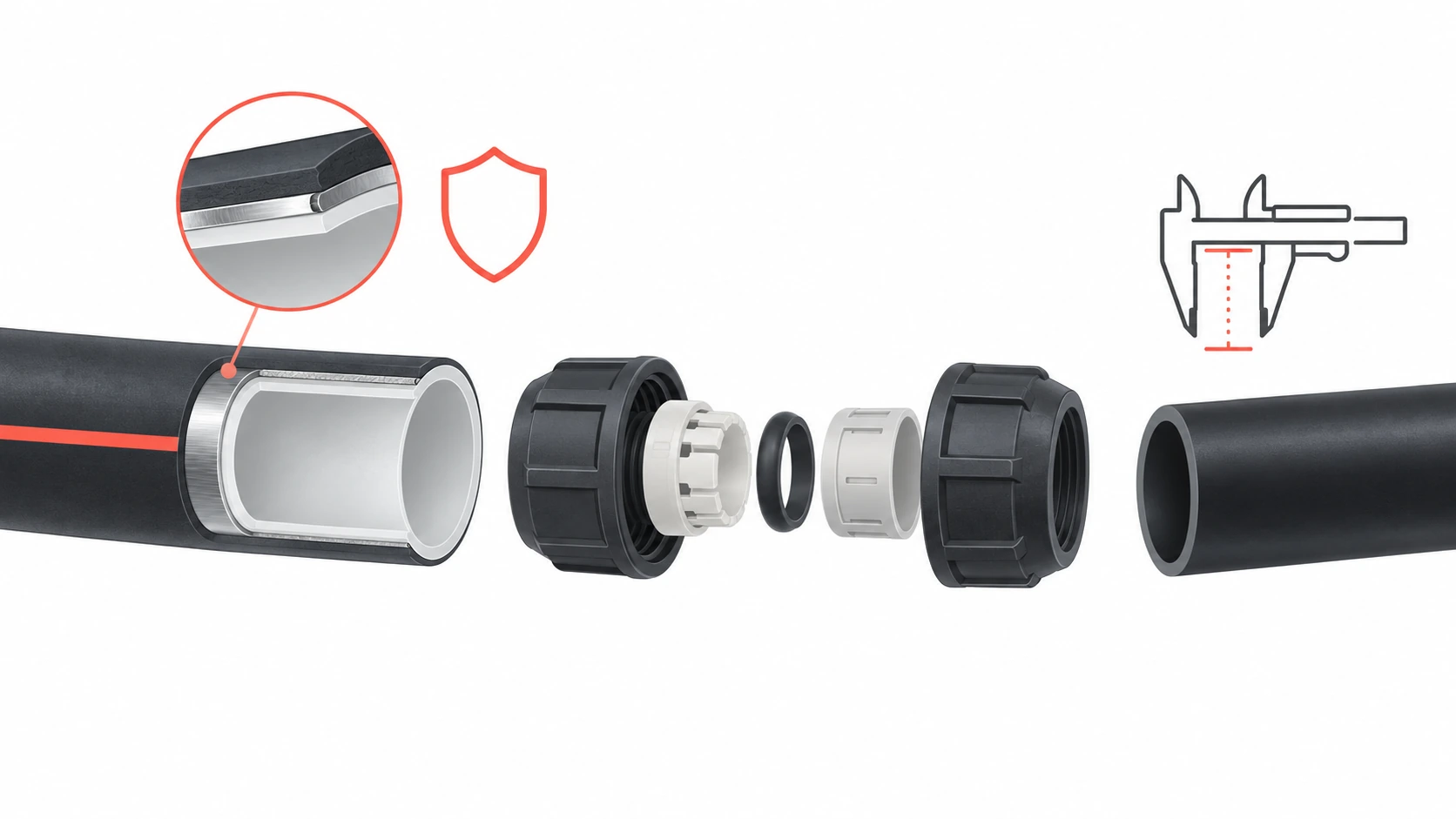
Finally, the most overlooked but critical tool is a PEX go/no-go gauge. This is a small, inexpensive metal gauge. After you crimp or clamp a ring, you slide this gauge over the connection. If it fits, your crimp is correct. If it doesn’t fit, your crimp is too loose or too tight. This simple tool instantly confirms your work is perfect and saves you from hidden installation errors.
Basic PEX Connection Tool Kit
| Tool Name | Purpose | Why It’s Essential |
|---|---|---|
| PEX Tubing Cutter | To cut the PEX pipe. | Creates a clean, square end for a perfect seal on the fitting. |
| PEX Crimp or Cinch Tool | To compress the ring onto the fitting. | Applies the exact, even pressure needed for a permanent seal. |
| Go/No-Go Gauge | To check the completed connection. | Verifies the crimp/clamp is within the correct tolerance; prevents future leaks. |
| Adjustable Wrench | To tighten the angle stop valve. | Secures the valve onto the faucet’s threaded tailpiece. |
With these four tools, you have everything needed to make a connection as solid as the ones we oversee in professional projects. The process becomes simple, repeatable, and, most importantly, reliable.
Which Fittings Work Best for Connecting PEX Tubing to Faucets?
Not all fittings are equal for this job. Using a cheap, generic brass fitting can lead to corrosion and failure inside your walls. I always recommend components made for the specific purpose.
The best fitting for connecting PEX tubing to a faucet is a dedicated PEX angle stop valve with a 1/2″ compression or thread on one end for the faucet and a 1/2″ PEX outlet on the other. For the PEX connection itself, brass crimp or clamp fittings paired with their corresponding copper or stainless steel rings provide the most durable and reliable seal for residential use.
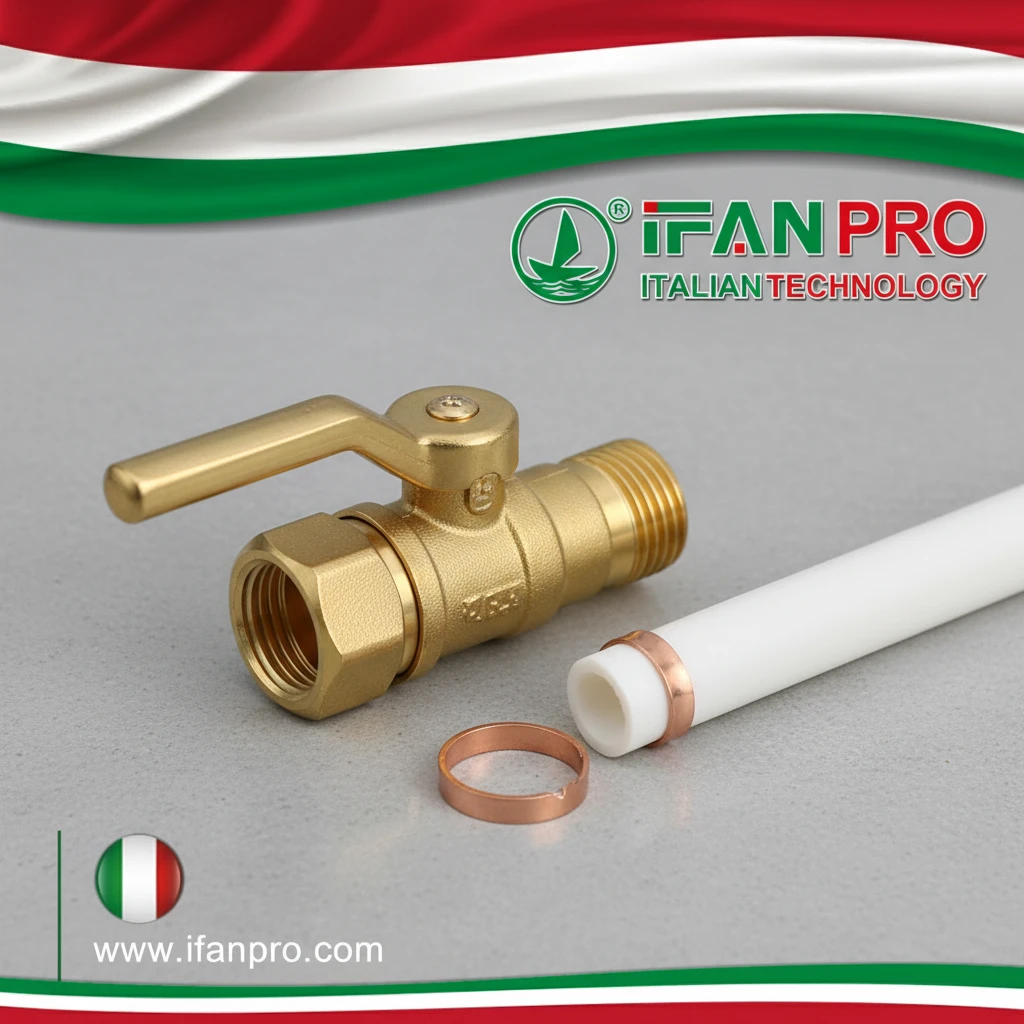
The Central Component: The Angle Stop Valve
The key is to use the right “bridge” between the faucet and the PEX tubing. That bridge is called an angle stop valve (or shut-off valve). This small valve serves two crucial purposes: it connects the two different systems, and it gives you a way to turn off the water to just that faucet for future repairs.
A typical faucet has a 1/2″ threaded male tailpiece (the part that sticks out of the wall or floor). The best angle stop valves have a 1/2″ female compression fitting on one end. You slide a compression nut and ferrule (a small brass ring) onto the faucet tailpiece, insert the tailpiece into the valve, and tighten the nut. This creates a very strong, metal-to-metal seal on the faucet side.
Choosing Your PEX Connection Method
On the other side of the angle stop valve is the outlet for the PEX tube. This is where you must choose your system. The outlet is typically a barbed brass fitting (called a PEX insert fitting). You slide the PEX tube over this barbed end and secure it with a ring.
You have two main choices for the ring system, and both are excellent when installed correctly:
1. Copper Crimp Ring System:
- How it works: A soft copper ring is placed over the PEX tube. A special crimp tool squeezes the ring around the tube and the fitting’s barbs underneath.
- Best for: Most DIYers and professionals. It’s the most common and widely available system. The tools and parts are inexpensive.
2. Stainless Steel Clamp Ring System:
- How it works: A stainless steel ring with a special ear is placed over the PEX. A cinch tool pulls the ear to tighten the ring uniformly.
- Best for: Situations where corrosion resistance is a top priority or where local codes prefer it. Some people find the cinch tool easier to use in tight spaces.
Fitting & Ring Comparison
| Fitting Type | Ring Material | Typical Tool | Key Advantage |
|---|---|---|---|
| Brass Crimp Fitting | Copper | PEX Crimp Tool | Most common, cost-effective, and proven over decades. |
| Brass Clamp Fitting | Stainless Steel | PEX Cinch Tool | Superior corrosion resistance; some find installation easier. |
For a faucet connection, a simple straight stop valve or a 90-degree angle stop valve (which helps keep tubing neat) with brass bodies and these ring systems is the professional’s choice. Avoid using plastic push-to-connect fittings for this permanent, in-wall connection; they are better suited for temporary or exposed applications.
How Do You Ensure a Watertight Connection Between PEX and Faucet?
A watertight seal depends on perfect preparation and precise action. Rushing the steps is the biggest enemy of a dry connection.
You ensure a watertight connection by meticulously following three steps: First, make a perfectly square cut on the PEX tube and deburr it. Second, fully insert the tube onto the fitting’s barb until it hits the shoulder. Third, place the ring the correct distance from the tube end and apply a full, even crimp or clamp, then verify it with a go/no-go gauge.
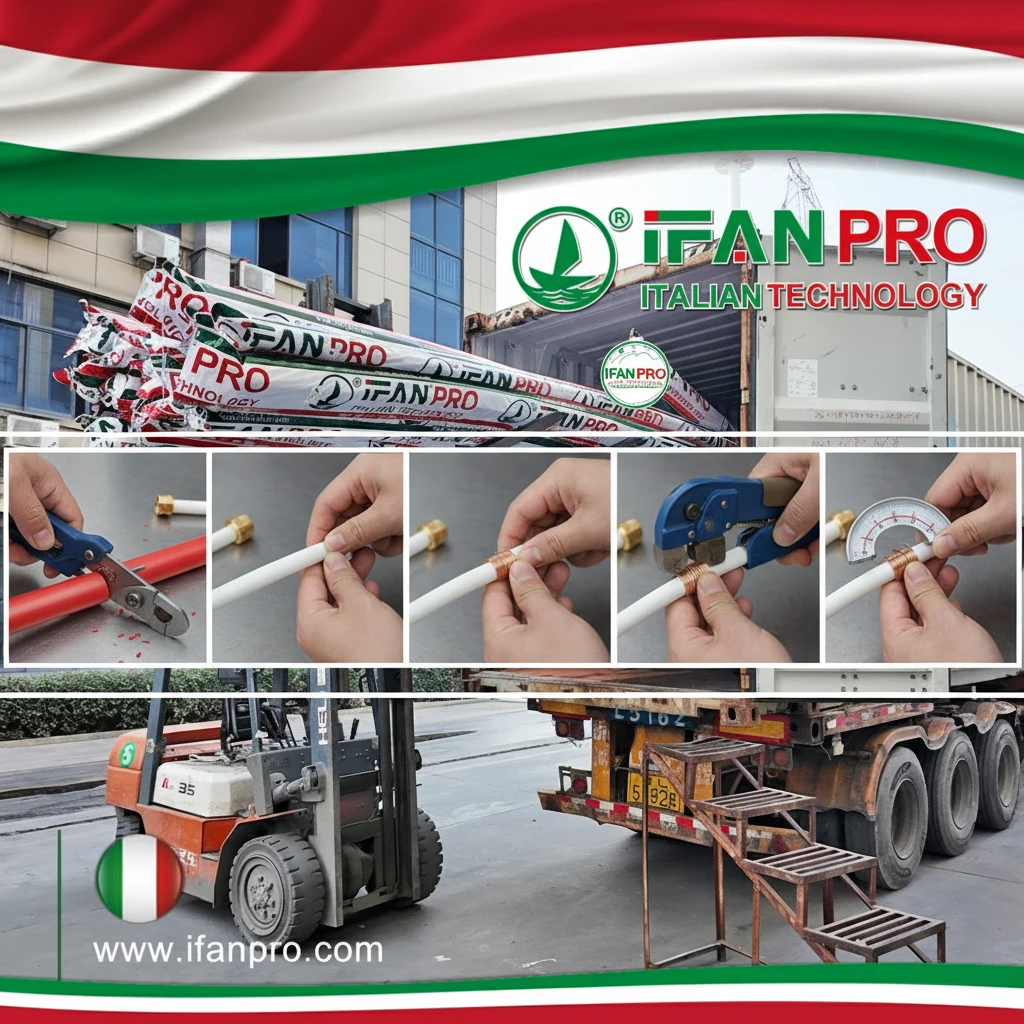
Step-by-Step Sealing Process
Achieving a perfect seal is a process, not just a single action. Let’s break down the sequence from the faucet tailpiece to the PEX tube.
Step 1: Connect the Angle Stop to the Faucet.
This is a metal-to-metal connection. Slide the compression nut and then the brass ferrule (the small ring) onto the faucet’s threaded tailpiece. Insert the tailpiece into the valve’s compression port. Hand-tighten the nut, then use an adjustable wrench to give it another one-and-a-half to two full turns. Do not overtighten, or you can crush the ferrule and cause a leak. A firm, snug fit is all you need.
Step 2: Prepare the PEX Tubing.
This is the most critical prep step. Use your PEX cutter to cut the tube. After cutting, you must deburr the inside edge of the tube. Use the deburring tool on your cutter or a utility knife to gently remove the small inner ridge of plastic. A burr can scrape against the fitting’s O-ring (if present) or disrupt the seal. Next, use a utility towel to dry and clean the end of the tube.
Step 3: Assemble and Secure the PEX Connection.
- Slide the correct crimp or clamp ring onto the PEX tube first.
- Firmly push the PEX tube onto the barbed fitting of the angle stop valve. Push until the tube will not go any further—it should hit the solid shoulder of the fitting. You should see a small gap of the barbed fitting between the end of the tube and the ring.
- Position the ring so it is 1/8 to 1/4 inch from the end of the tube. This is the sweet spot.
- Place your crimp or cinch tool over the ring, ensuring it is square to the fitting. Squeeze the tool handles completely until they close or click. The tool should release easily.
- Immediately check your work with the go/no-go gauge. Try to slide the “GO” side over the ring. It should fit. Then try the “NO-GO” side. It should not fit over the ring. If it passes this test, your connection is watertight.
The Final Check: Pressure Testing
After making all connections, the ultimate test is a pressure test. Before closing up walls, turn the water back on slowly. Keep an eye on all your new connections for a few minutes. Then, check them again after a few hours and once more the next day. A proper seal will hold immediately and forever. If you see a drip, the connection must be cut out and redone—tightening it further will not fix a bad crimp.
What Are Common Mistakes When Connecting PEX Tubing to Faucets?
Most leaks I’m asked to fix are caused by simple, avoidable errors. Knowing these pitfalls will save you time, money, and a huge mess.
Common mistakes include using the wrong cutter (causing a jagged tube end), failing to fully insert the tube onto the fitting, placing the crimp ring in the wrong spot, using mismatched tools and rings, and forgetting to support the tubing, which puts strain on the connection. Any one of these errors can compromise the seal and lead to failure.

Detailed Analysis of Frequent Errors
Let’s look at each common mistake in detail so you can actively avoid them.
1. A Bad Cut.
The mistake: Using a hacksaw or utility knife. The result is a cut that is not perfectly square. When the tube is not square, it cannot seat evenly over all the barbs on the fitting. This creates gaps. Even if it seems tight at first, water pressure will eventually find these gaps.
The fix: Always invest in and use a dedicated PEX tubing cutter. It’s a low-cost tool that guarantees a professional start.
2. Incomplete Tube Insertion.
The mistake: Not pushing the PEX tube all the way onto the fitting. People sometimes stop when they feel resistance. The tube must go over all the barbs and hit the solid shoulder of the fitting. If you crimp the ring while the tube is only halfway on, the seal is only on the first few barbs and is weak.
The fix: After sliding on the ring, use both hands to push the tube onto the fitting with firm, steady pressure. Mark the tube with a pen to see how far it needs to go before you start.
3. Incorrect Ring Placement.
The mistake: Placing the crimp/clamp ring too close to the end of the tube or too far back. If it’s right at the edge, it can distort the tube. If it’s too far back, it may not be compressing the tube over the critical sealing barbs.
The fix: Aim for that 1/8-inch gap. Use the visual guide often printed on the fitting itself, or make a small pencil mark on the tube.
4. Tool and Part Mismatch.
The mistake: Using a crimp tool on a stainless steel clamp ring, or using a 3/4-inch ring on 1/2-inch pipe. This seems obvious, but in a busy workspace, it happens. The connection will fail.
The fix: Keep your systems separate. If you use copper crimp rings, only use your crimp tool. Double-check the size stamped on the ring and the tool jaws before you squeeze.
5. Lack of Support (Strain on the Connection).
The mistake: Leaving the PEX tube dangling, with its weight and any movement pulling directly on the angle stop valve. Over time, this constant strain can fatigue the metal and weaken the seal.
The fix: Always secure the PEX tubing to a stud or joist within a few inches of the connection using a proper plastic hanger or clamp. This support takes the weight off the fitting.
Common Mistake Checklist
| Mistake | Consequence | How to Avoid It |
|---|---|---|
| Jagged tube cut | Uneven seal, eventual leak. | Use a sharp PEX tubing cutter only. |
| Tube not fully inserted | Weak seal on only partial barbs. | Push firmly until tube stops at fitting shoulder. |
| Ring in wrong position | Poor compression, seal failure. | Position ring 1/8″ from tube end. |
| Mismatched tool/ring | Cannot form a proper seal. | Use only the tool designed for your ring type. |
| Unsupported tubing | Physical stress on the valve joint. | Secure tubing with a hanger within 6 inches. |
By understanding and avoiding these common errors, your PEX-to-faucet connections will be as reliable as those installed by seasoned professionals.
Conclusión
Conexión PEX to a faucet is straightforward with the right tools, proper fittings, and careful steps. Avoid the common pitfalls to ensure a lasting, leak-free installation. For professional-grade PEX tubing, fittings, and angle stop valves, consider sourcing from a reliable supplier like IFAN, who provides the quality components essential for a secure plumbing system.











 Español
  English
  Français
  Русский
Comentarios recientes