
I’ve watched many homeowners struggle with rigid metal pipes during renovations. That’s when I realized the value of flexible solutions like PEX.
PEX (cross-linked polyethylene) is a flexible plastic pipe that has become hugely popular for residential plumbing. It’s made from high-density polyethylene that’s chemically treated to create strong molecular bonds, making it durable enough for hot and cold water lines while being much easier to install than rigid pipes.
Now, let’s explore what makes PEX pipes so useful in modern plumbing systems.
What Material Composition Defines PEX Water Pipes in Plumbing Systems?
Many people see PEX as “just plastic,” but its special manufacturing process makes it unique.
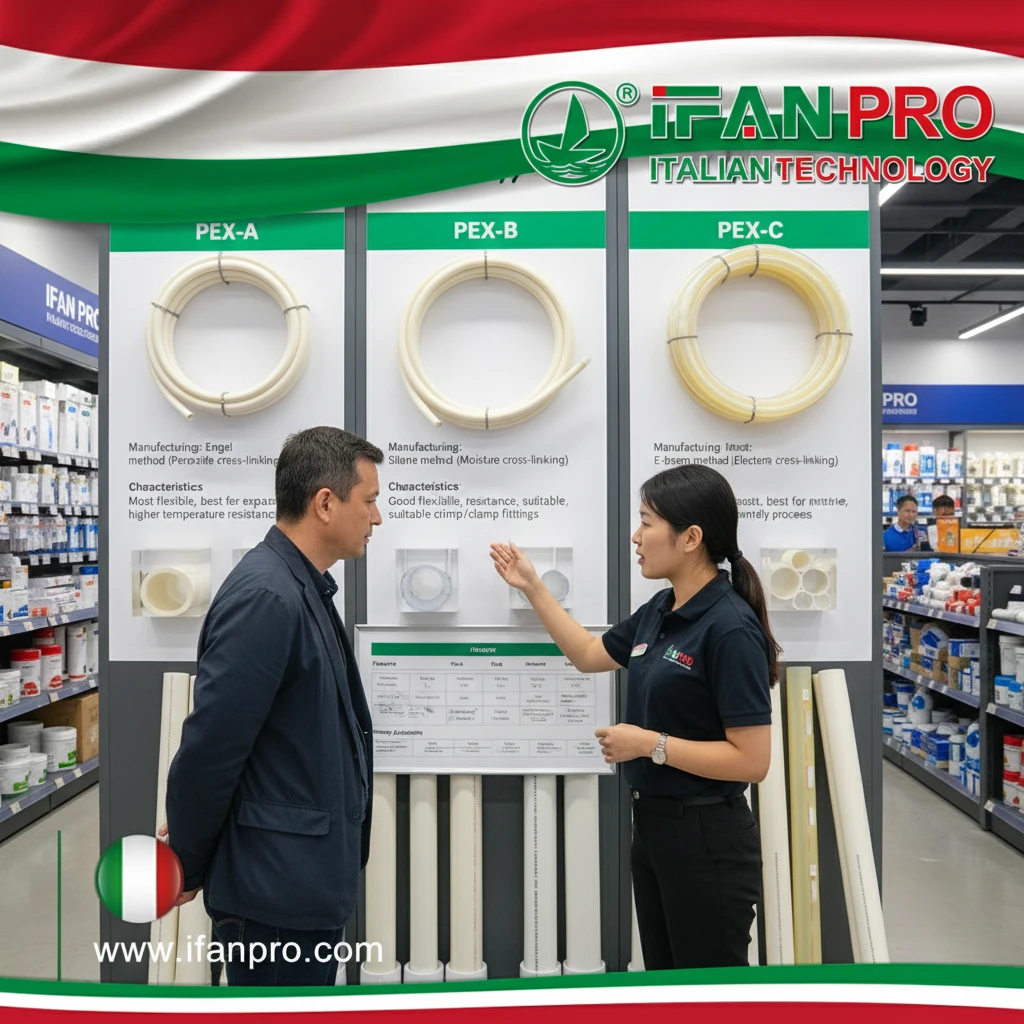
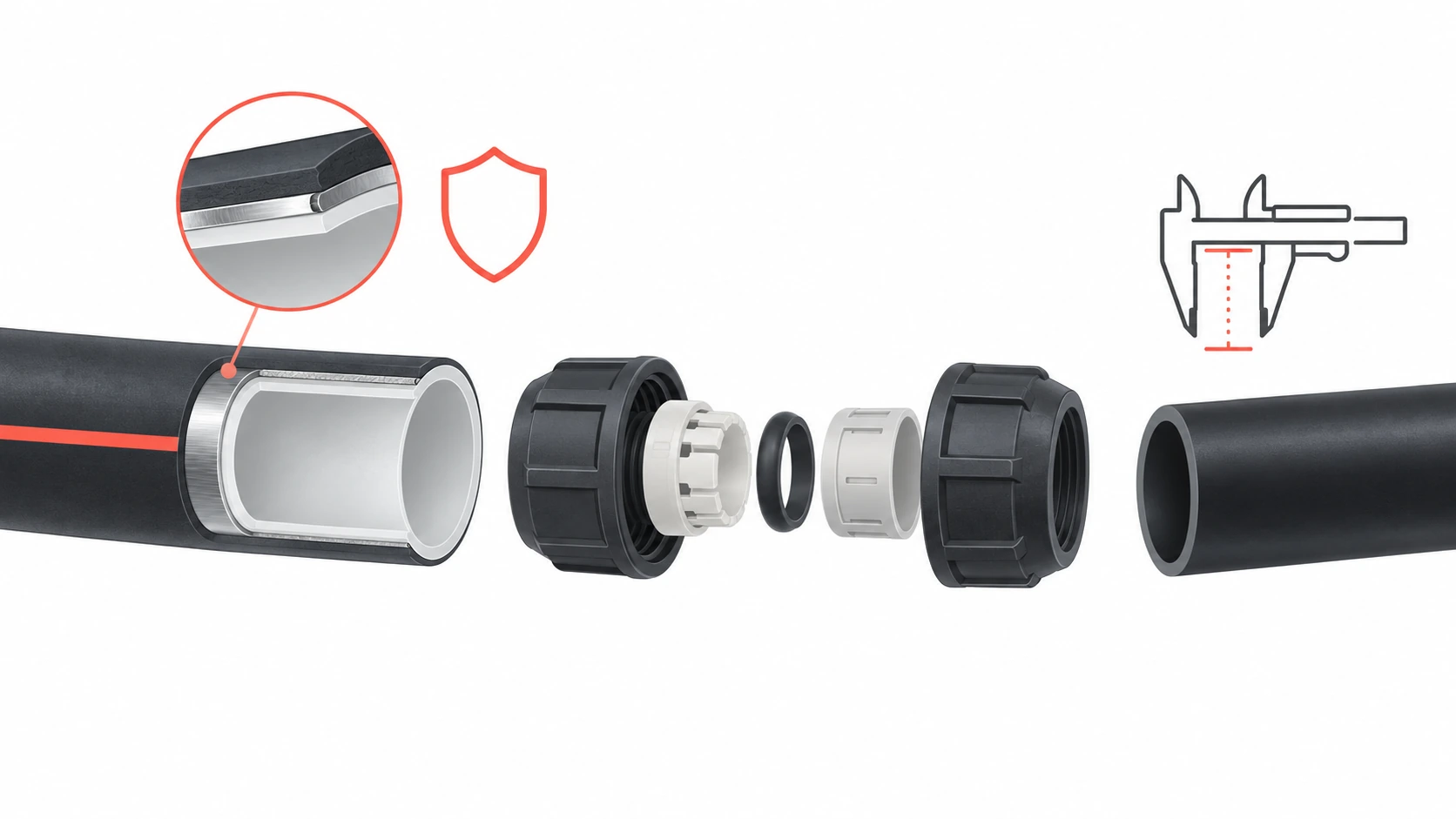
PEX pipes are defined by their cross-linked molecular structure, where polyethylene molecules are chemically bonded to form a durable, flexible network. This process creates three main types: PEX-A (most flexible), PEX-B (cost-effective), and PEX-C (balanced properties), all offering excellent resistance to cold, heat, and chlorine.
Understanding the Cross-Linking Process
The secret to PEX’s performance lies in its manufacturing. Regular polyethylene plastic has straight molecular chains that can separate under stress. PEX undergoes a process that creates bridges between these chains, making the material much stronger while keeping it flexible.
Think of it like spaghetti. Regular polyethylene is like cooked spaghetti – the strands slide apart easily. PEX is like spaghetti that’s been cross-linked – the strands are connected, creating a network that’s much harder to pull apart.
The Three Main PEX Types
There are three main manufacturing methods that create different PEX types:
| PEX Type | Manufacturing Method | Key Characteristics | Best For |
|---|---|---|---|
| PEX-A | Peroxide Method | Most flexible, best freeze resistance, easiest to repair | Cold climates, complex installations |
| PEX-B | Silane Method | Good flexibility, cost-effective, widely available | General residential plumbing |
| PEX-C | Electron Beam Method | Balanced properties, no chemical additives | Potable water systems |
Material Properties and Benefits
The cross-linking process gives PEX several advantages over traditional materials. First, it becomes highly resistant to temperature extremes. PEX can handle water from freezing cold up to 200°F without losing its structural integrity. This makes it perfect for both hot and cold water lines.
Second, the material becomes resistant to chlorine and other chemicals commonly found in water supplies. This means PEX won’t degrade over time when exposed to treated municipal water. The smooth interior surface also prevents mineral buildup and corrosion, ensuring consistent water flow throughout the pipe’s lifespan.
Another key benefit is the material’s “shape memory.” PEX-A, in particular, can return to its original shape after being bent or even slightly crushed. This is especially useful during installation and if pipes accidentally freeze – they’re less likely to burst compared to rigid pipes.
Where Are PEX Pipes Commonly Used in Residential Plumbing Applications?
I’ve seen PEX transform how plumbers approach residential projects, especially in tight spaces where rigid pipes simply won’t work.
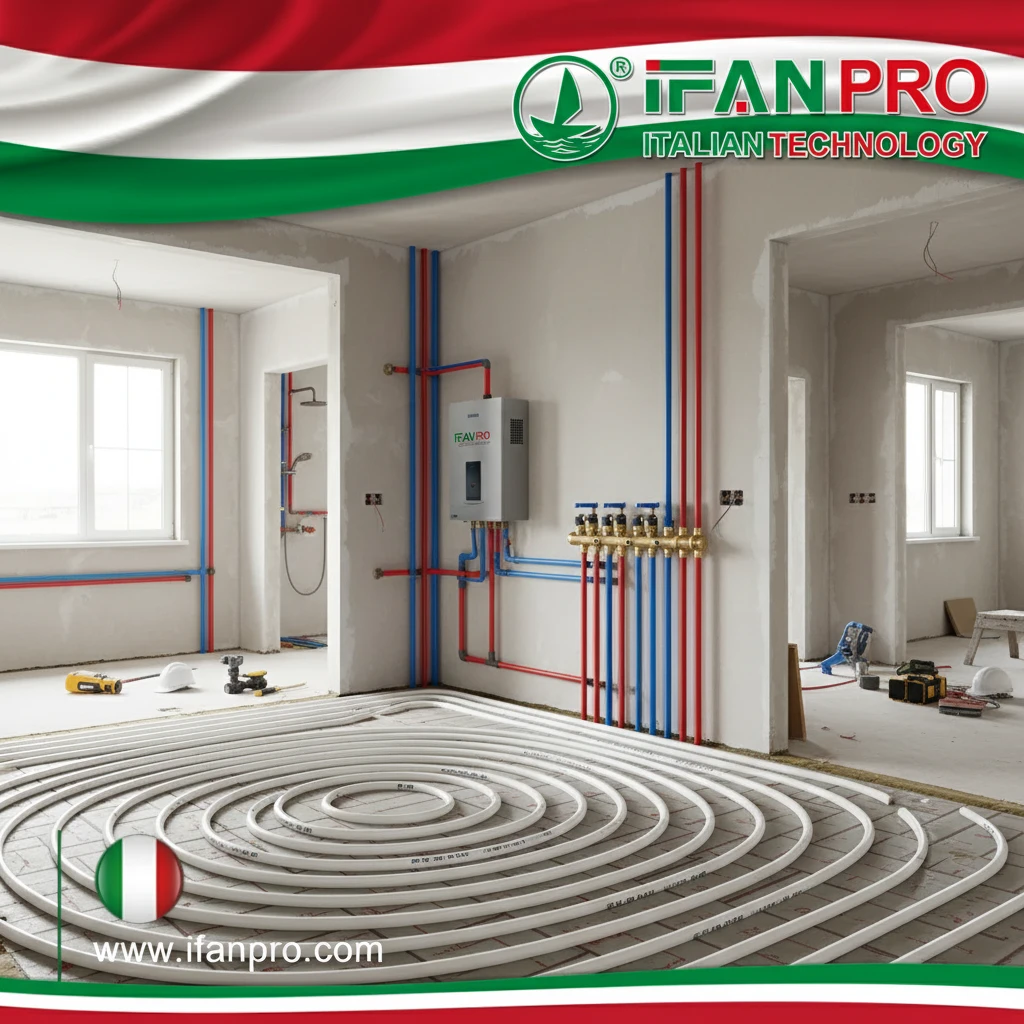
PEX pipes are commonly used throughout residential plumbing systems, including potable water supply lines, radiant floor heating systems, hydronic baseboard heating, snow melting systems, and even for supplying appliances like water heaters and ice makers. Their flexibility allows for easy installation in walls, floors, and tight spaces.
Whole-House Water Distribution
PEX has revolutionized residential water supply systems. The traditional “tree and branch” system using rigid pipes required numerous fittings and connections. With PEX, plumbers can use a “manifold system” where individual lines run directly from a central distribution point to each fixture.
This approach offers several advantages. Homeowners get consistent water pressure at all fixtures, even when multiple taps are running. If one fixture needs repair, you can shut off just that line while the rest of the house continues to have water. The reduced number of connections also means fewer potential leak points.
Heating Systems Applications
PEX’s resistance to both heat and corrosion makes it ideal for heating applications. In radiant floor systems, PEX tubes are snaked through floor joists or embedded in concrete slabs, carrying warm water that heats the floor surface evenly. This provides comfortable, efficient heating without ductwork or visible radiators.
Similarly, PEX works well with hydronic baseboard heaters and snow melting systems. For snow melting, PEX tubes are embedded in driveways or walkways, circulating warm fluid to melt snow and ice automatically. The material’s flexibility makes these complex installations much more feasible.
Specialized Residential Uses
Beyond main water and heating systems, PEX serves several specialized roles:
Appliance Connections: Many modern appliances now use PEX for supply lines. The flexibility allows for easy connection to water heaters, washing machines, refrigerators with ice makers, and whole-house humidifiers.
Outdoor and Utility Applications: PEX’s freeze resistance makes it suitable for outdoor spigots, irrigation system connections, and garage water lines. While not indestructible, PEX can expand and contract with freezing water, reducing the likelihood of burst pipes.
Retrofit and Renovation Projects: The flexibility of PEX makes it perfect for remodeling projects where running new pipes through finished walls would be challenging with rigid materials. Plumbers can often “fish” PEX through existing spaces with minimal demolition.
Why Choose PEX Over Copper for Residential Plumbing Installations?
Having worked with both materials, I’ve seen firsthand how PEX solves many problems that plague copper systems.
Homeowners should choose PEX over copper because it costs 30-60% less to install, resists scale buildup and corrosion, won’t develop pinhole leaks, handles freezing better, and installs much faster. While copper has a longer track record, PEX offers modern benefits that make it the smarter choice for most residential projects.

Cost and Installation Advantages
The financial benefits of choosing PEX are substantial. Material costs for PEX are typically 30-40% lower than copper, and labor costs can be 50-60% lower because installation is faster and requires fewer specialized tools.
Consider the installation process: copper requires measuring, cutting, cleaning, flux application, and soldering each joint. PEX requires measuring, cutting, and simple mechanical connections. A plumber can install a PEX system in about half the time needed for copper. This speed translates directly into lower labor costs for homeowners.
Performance and Durability Comparison
While copper has served well for decades, PEX addresses several common copper problems:
Corrosion Resistance: Copper pipes can corrode over time, especially with acidic water. This leads to pinhole leaks and eventual pipe failure. PEX is completely immune to corrosion, ensuring long-term reliability.
Scale Buildup: Hard water causes mineral scale to accumulate inside copper pipes, reducing water flow and pressure. PEX’s smooth interior resists scale buildup, maintaining consistent performance for decades.
Freeze Resistance: When water freezes in copper pipes, they often burst. PEX can expand to accommodate frozen water, then return to its original shape when thawed. While not freeze-proof, this characteristic provides valuable protection in cold climates.
Maintenance and Health Considerations
PEX systems require virtually no maintenance beyond initial installation. Copper systems may need occasional repairs of corroded sections or leaking joints. The flexibility of PEX also means it’s less likely to suffer damage from household settlement or minor earth movements.
Some people express concerns about plastic taste in water, but modern PEX is certified for potable water and doesn’t affect taste when properly installed. Copper, meanwhile, can sometimes impart a metallic taste and may contribute to higher copper levels in drinking water.
Direct Comparison Table
| Feature | PEX | Copper |
|---|---|---|
| Material Cost | 30-40% lower | Higher |
| Installation Time | 50% faster | Slower, more labor-intensive |
| Corrosion Resistance | Excellent | Poor over time |
| Freeze Resistance | Good | Poor |
| Scale Buildup | Minimal | Common with hard water |
| Expected Lifespan | 50+ years | 50+ years |
| Water Taste Impact | None | Possible metallic taste |
How to Select Proper PEX Types for Different Plumbing Applications?
Choosing the right PEX type can be confusing, but I’ve developed a simple framework that helps my clients make informed decisions.
Select PEX types based on your specific needs: PEX-A for complex layouts and cold climates, PEX-B for general residential plumbing, and PEX-C for chemical-sensitive applications. Always consider local code requirements, water conditions, and installation complexity when making your selection.
Understanding Application Requirements
The first step in selecting PEX is understanding your project’s specific needs. Different applications have different requirements, and choosing the wrong type can lead to problems down the road.
For potable water systems, all PEX types are suitable, but you should consider your local water conditions. If you have highly chlorinated water, PEX with superior chlorine resistance might be preferable. For heating applications, verify the temperature and pressure ratings match your system requirements.
Matching PEX Types to Projects
Each PEX type has strengths that make it better for certain applications:
PEX-A Applications: Choose PEX-A when you need maximum flexibility for complex routing through tight spaces. It’s ideal for retrofit projects where you’re working around existing structures. The superior freeze resistance also makes it perfect for unheated spaces like garages and crawl spaces.
PEX-B Applications: This is your go-to choice for standard residential plumbing. It offers excellent performance at a lower cost, making it perfect for whole-house repipes and new construction. The widespread availability means you’ll easily find fittings and support materials.
PEX-C Applications: While less common, PEX-C works well when chemical additives are a concern. Some homeowners prefer it for its manufacturing process, which doesn’t involve chemical cross-linking agents.
Key Selection Factors Checklist
When choosing PEX for your project, consider these factors:
| Selection Factor | Questions to Ask | Recommended Approach |
|---|---|---|
| Local Codes | Is PEX approved in my area? Which types? | Check local plumbing codes first |
| Water Quality | Is my water highly chlorinated? Acidic? | Choose PEX with appropriate certifications |
| Climate | Will pipes be exposed to freezing temps? | Consider PEX-A for superior freeze resistance |
| Project Scope | Simple runs or complex routing? | PEX-A for complex layouts, PEX-B for straightforward |
| Budget | What’s my total project budget? | PEX-B offers best value for most applications |
Installation Method Considerations
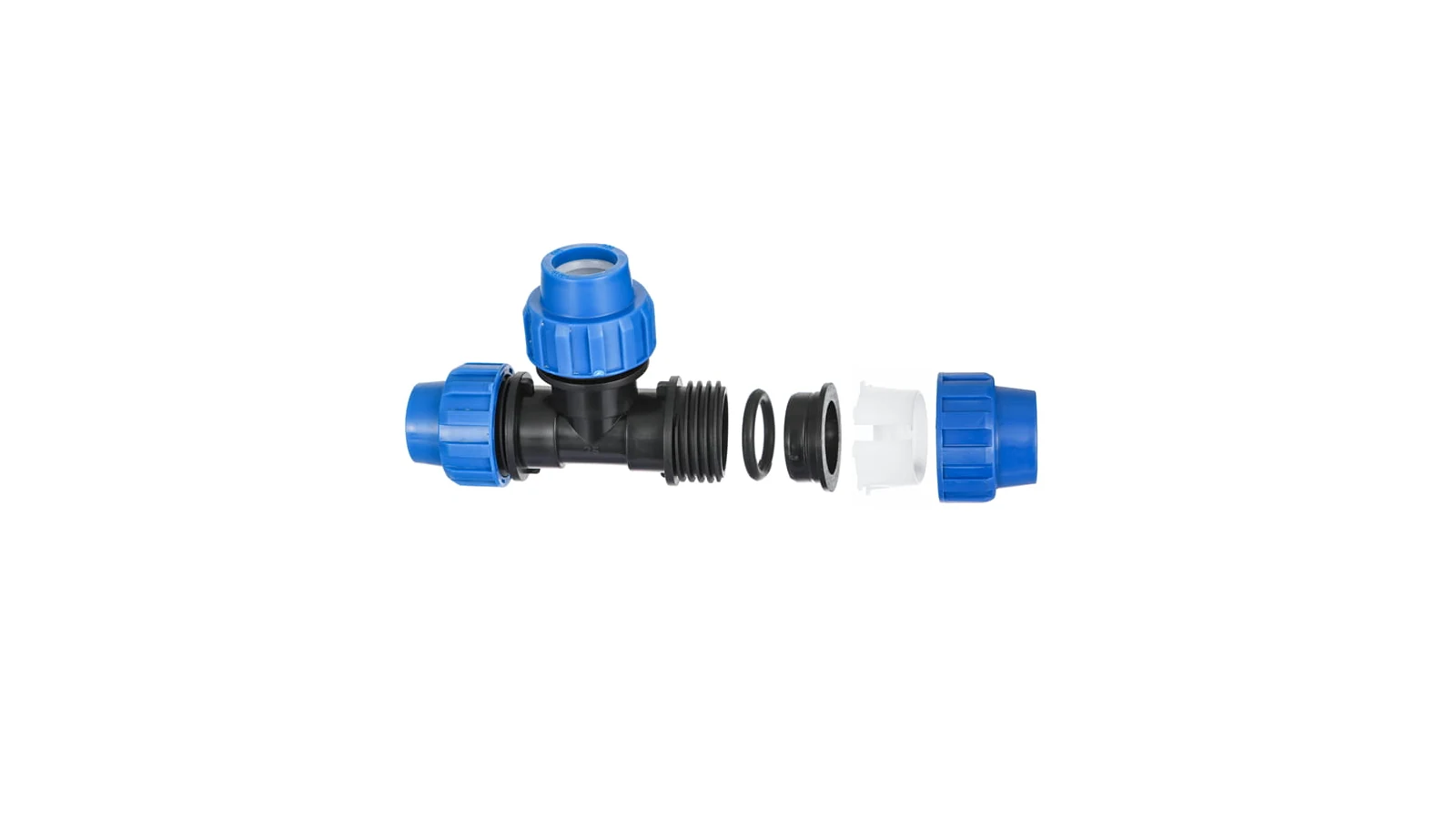
Your choice might also depend on the connection method you prefer. PEX-A works with all connection types, including expansion fittings that create full-flow connections without reducing pipe diameter. PEX-B typically uses crimp or clamp connections, which are reliable but slightly reduce flow at each fitting.
For DIY projects, clamp systems are often easiest for beginners to master. Professional installers might prefer expansion systems for their speed and superior flow characteristics. Always ensure your chosen connection method is compatible with your selected PEX type.
Finally, don’t forget about color coding. While not affecting performance, colored PEX (typically red for hot, blue for cold, white for either) can make future maintenance and identification much easier.
Conclusión
PEX pipes offer flexibility, durability, and cost savings that make them ideal for modern plumbing. For reliable PEX solutions, trust IFAN‘s certified pipes and fittings for your next project.









 Español
  English
  Français
  Русский
Comentarios recientes