
When it comes to transporting fluids or gases under high temperatures, choosing the right piping material is critical. The wrong material could lead to warping, leaks, system failure—or worse, safety hazards. Whether you’re working in industrial processing, HVAC systems, or hot water infrastructure, understanding which materials are suitable for high-temperature applications is essential.
In this article, we explore the most common materials used for high temperature piping, their properties, and how to select the best option for your project.
🔥 Why High Temperature Piping Requires Specialized Materials
High temperature piping is exposed to conditions that challenge durability and performance, including:
- Continuous exposure to heat (sometimes 100°C or higher)
- Thermal expansion and contraction
- Pressure loads
- Chemical resistance requirements
Using the correct material ensures long service life, energy efficiency, and safe operation—especially in heating, industrial, or chemical transport systems.
🔍 Top Materials Used for High Temperature Piping
1. Stainless Steel
- Temperature Tolerance: Up to 800°C depending on grade
- Aplicaciones: Steam lines, chemical plants, boilers, HVAC
- Ventajas:
- Excellent heat resistance
- Corrosion resistant
- High mechanical strength
Stainless steel is a top choice for industrial systems and high-pressure environments but can be expensive and heavy.
2. Copper
- Temperature Tolerance: Up to 200°C
- Aplicaciones: Domestic hot water, hydronic heating, refrigeration
- Ventajas:
- High thermal conductivity
- Easy to solder
- Widely available
However, copper can corrode over time and is less suited for chemical-heavy systems or modern eco-builds.
3. PEX (Cross-Linked Polyethylene)
- Temperature Tolerance: Up to 95°C (short-term peaks up to 110°C)
- Aplicaciones: Floor heating, hot water lines
- Ventajas:
- Flexible and easy to install
- Good thermal memory
- Affordable
PEX is ideal for residential hot water systems but not suitable for very high-temperature industrial use.
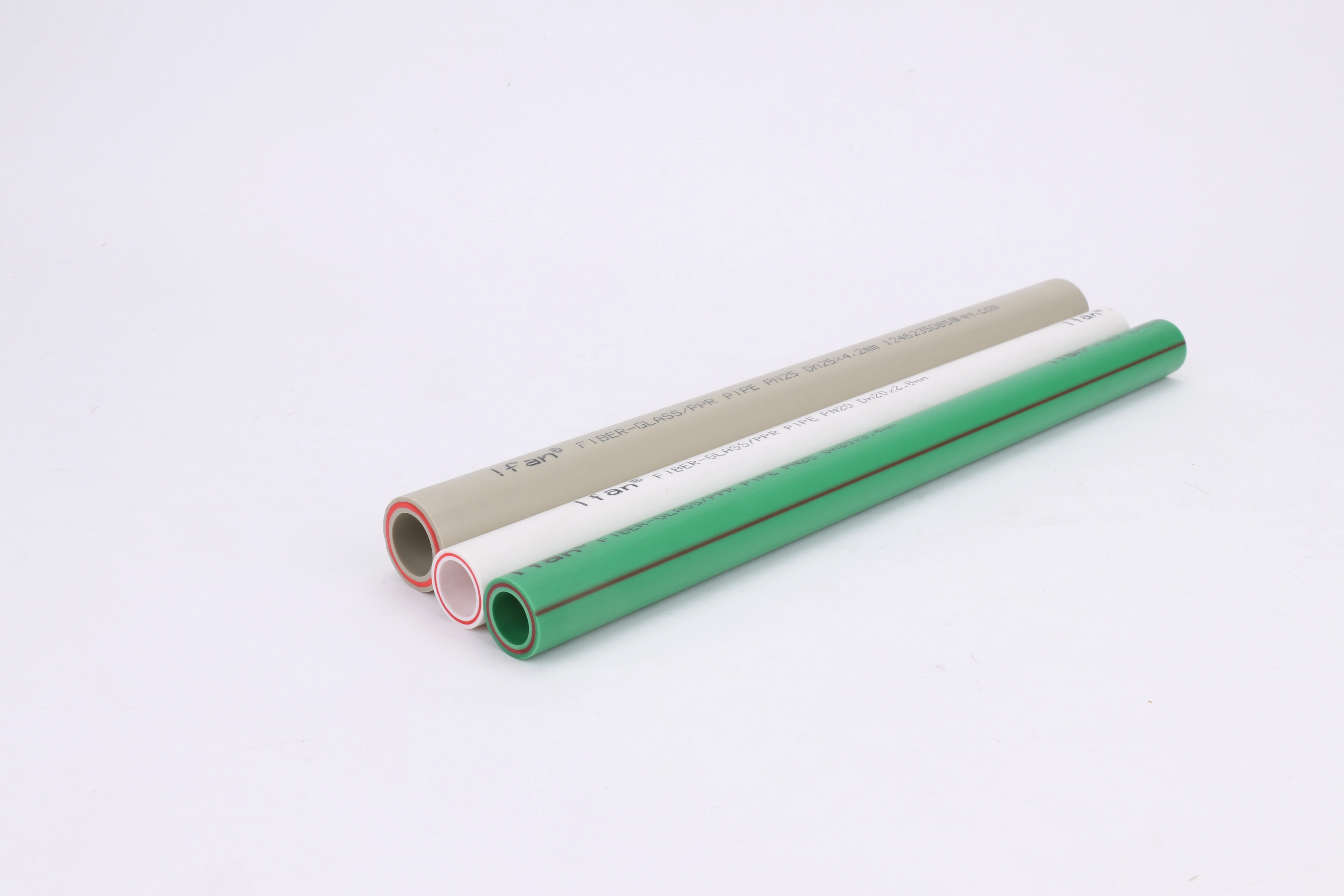
4. PPR (Polipropileno Copolímero Aleatorio) — The Balanced Choice
- Temperature Tolerance: Up to 95°C continuously; short-term spikes up to 110°C
- Aplicaciones: Hot and cold water supply, floor heating, central heating systems
- Ventajas:
- Corrosion and chemical resistance
- Low thermal conductivity (improves energy efficiency)
- Lightweight and easy to weld
- 50+ years lifespan under proper installation
✅ PPR is the preferred choice in modern construction, especially in Europe, Asia, and the Middle East, where sustainability and cost-efficiency matter.
💡 Why Choose PPR for High Temperature Piping?
ifanpro is a trusted PPR pipe and fitting manufacturer in China, supplying DIN and ISO-certified products to international markets.
At ifanpro.com, we provide:
- High-pressure PPR pipes (PN16/PN20/PN25) for hot water and heating systems
- Custom pipe and fitting solutions for OEM and project-based needs
- Fusion-weldable fittings for leak-free, high-temperature installations
Whether you’re a project engineer, distributor, or builder looking for a durable and cost-effective alternative to copper or stainless steel, PPR is the material to consider.
🏗️ Factors to Consider When Choosing High Temp Pipe Materials
- Operating temperature range
- Pressure requirements
- Installation environment (indoor/outdoor)
- Chemical exposure
- Budget and availability
- Longevity and maintenance
✅ Conclusion
There are several materials suitable for high-temperature piping, including stainless steel, copper, PEX, and PPR. Among them, PPR offers the best balance of performance, durability, cost-efficiency, and ease of installation—making it ideal for both residential and commercial hot water and heating systems.
If you’re planning a project that involves high-temperature piping, explore PPR solutions from ifanpro—a manufacturer trusted by engineers and importers worldwide.
Visite ifanpro.com to learn more or request a quote.









 Español
  English
  Français
  Русский
Comentarios recientes