
Every importer has met the pitch: a ‘factory’ with a catalogue spanning every pipe material, a price that beats everyone, and a salesperson who answers each technical question with a brochure. Some of those suppliers make the pipes they sell. Many do not. Across China, thousands of trading companies sit between overseas buyers and the actual extrusion and injection lines, and the margin they add is rarely the only cost a reseller brings.
This guide gives you a desk-based, documentary way to separate a real pipe manufacturer from a trading company, using records the supplier does not control. No factory visit is required to run the first three checks. Each method below is something you can verify yourself, from your own laptop, before you send a deposit.
- A trading company’s business license names ‘goods import/export’, not manufacturing — read it on the national enterprise credit system.
- China’s export customs declaration separates the consignor from the production/sales unit; a ‘dual-header’ declaration names the real maker.
- Pipe product standards require the maker’s name on the pipe wall — a trader cannot fake the extrusion line’s print.
- A real manufacturer owns moulds, quotes tooling amortisation, and answers resin-grade and process questions from memory.
What’s inside:
- 1. The business license names ‘goods import/export’, not manufacturing
- 2. Ask for the export declaration — the production/sales unit field names the real maker
- 3. The pipe wall print carries the manufacturer’s name — it is the law
- 4. They dodge mould and tooling questions
- 5. The catalogue is a Frankenstein of unrelated product lines
- 6. No live walkthrough of the production floor
- 7. They cannot answer resin-grade and process questions
- 8. The Bill of Lading shipper is not the company you contracted
- Frequently asked questions
1. The Business License Names ‘Goods Import/Export’ — Not Manufacturing
Every Chinese company registers a business scope and an industry category. Under the national industry classification standard GB/T 4754-2017, a manufacturer sits in Category C (Manufacturing, classes 13–43); a trading company sits in Category F (Wholesale and retail trade, classes 51–52). You can read both for free on the national enterprise credit publicity system, run by the State Administration for Market Regulation, by searching the supplier’s exact legal name.
A real maker’s scope reads like ‘manufacturing of plastic pipes and fittings; processing of rubber and plastic products’. A trading company’s reads like ‘goods import and export; wholesale of hardware and plumbing materials’. If the word manufacturing is absent and import/export is present, you are looking at a reseller. For the broader sourcing picture, our guide to sourcing pipe fittings from China covers MOQ, lead time and Incoterms. The classification standard itself is published by the statistics authority: standards and industry classification (stats.gov.cn).
2. Ask for the Export Declaration — the Production/Sales Unit Field Names the Real Maker

China’s export customs declaration reports two separately named parties. The domestic consignor, defined in Article III of the Declaration Completion Specification, is the entity that signed the export contract and usually files the declaration — often the trading company. The production/sales unit, defined in Article XIII, is the entity that actually made or sold the goods for export.
When those two differ, the declaration is what practitioners call a ‘dual-header’ declaration, and the production/sales unit’s legal name and its 18-digit unified social credit code are printed as a separate line. Ask the supplier for a copy of a recent export declaration, or just the production/sales unit line. If the name there is not the supplier’s own factory, you have documentary proof of who really made the goods — a record the sales company cannot edit after the fact. The current specification is GACC Announcement [2019] No. 18, in force since 1 February 2019. Read the official text: Customs Declaration Completion Specification (gov.cn).
3. The Pipe Wall Print Carries the Manufacturer’s Name — It Is the Law
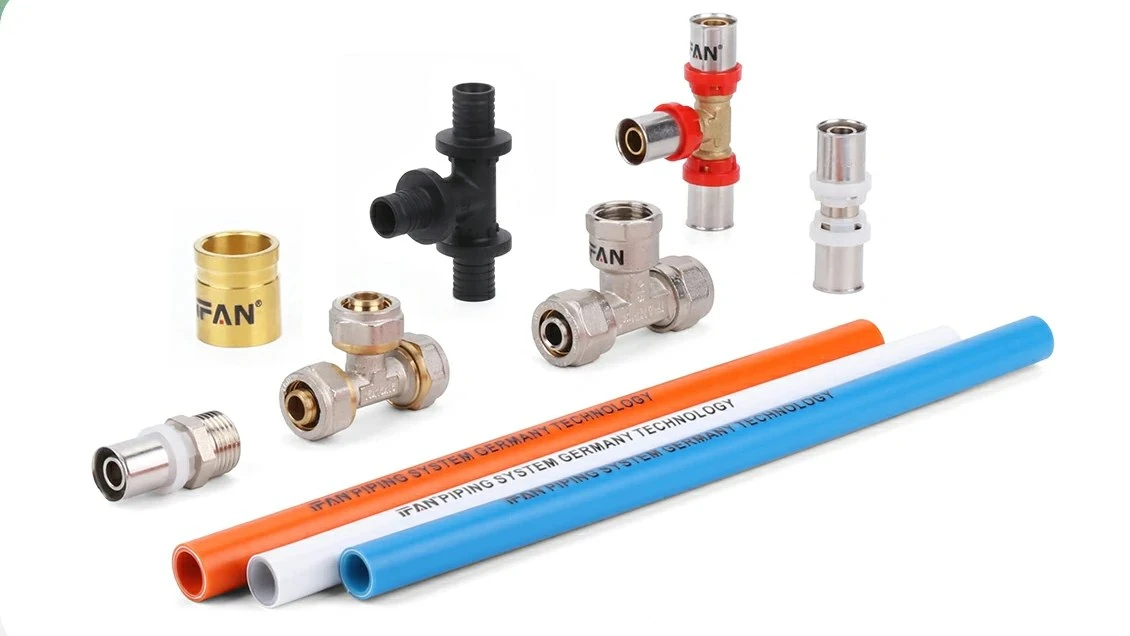
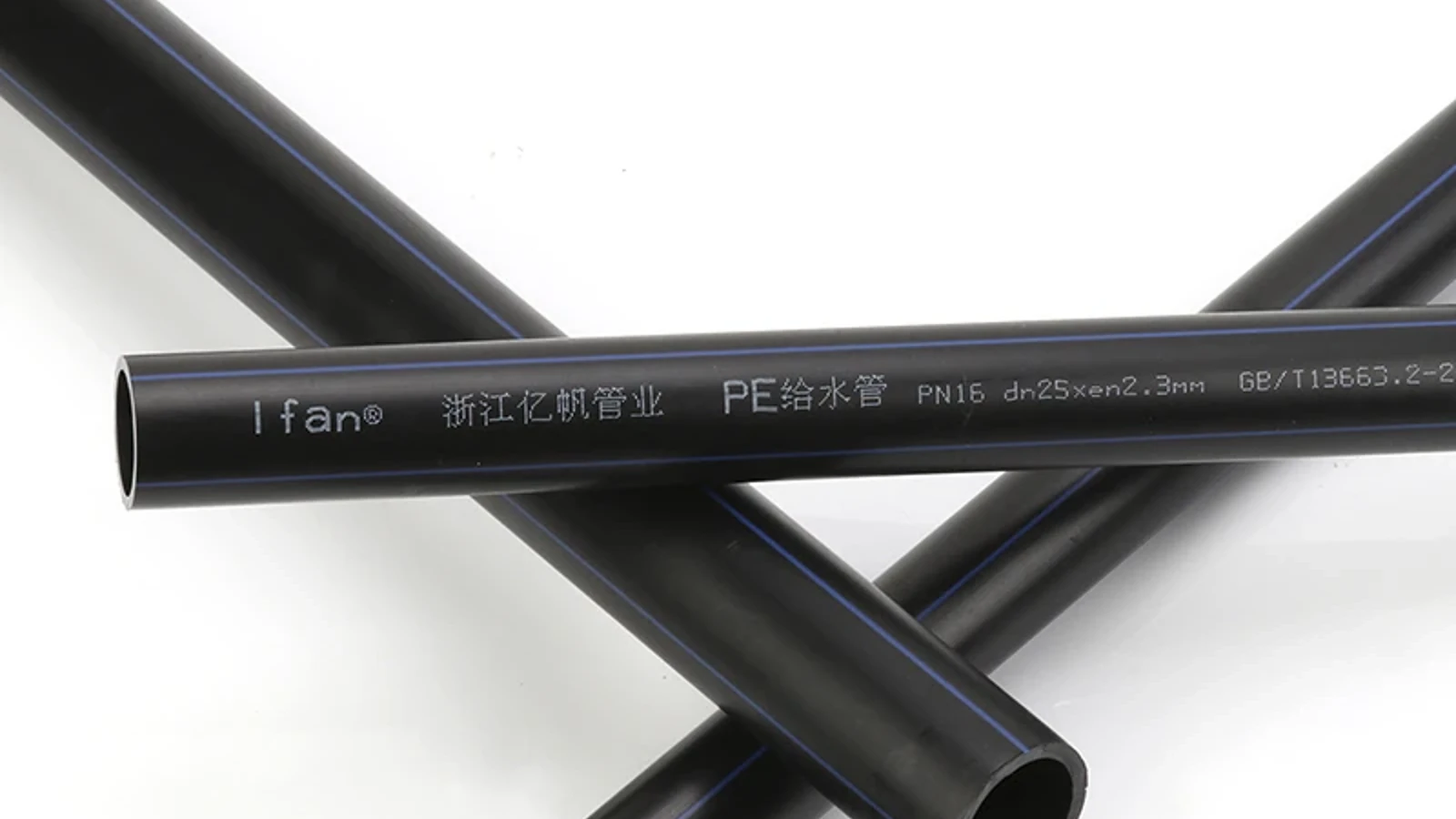
This is the one check you can run on a single sample, from your desk. Under Chinese pipe product standards, the pipe wall must carry permanent marking that includes the manufacturer’s name or trademark. For polyethylene piping systems, GB/T 13663.2-2018 (Clause 9) requires the pipe to be marked at intervals of no more than 1 metre with the manufacturer and trademark, the SDR, the pressure class (PN), the material grade (PE100 or PE80), the batch, and the production time and place for traceability.
A trading company does not own an extrusion line, so it cannot put its own name and batch code on a pipe it bought from someone else, and it cannot counterfeit the genuine maker’s print without breaking the standard. When you receive a sample, read the print line: the name on the wall should match the company you contracted. If the print shows a different maker, the ‘factory’ you spoke to is a reseller of that maker’s output. The marking clause is part of the published standard: national standards platform (std.samr.gov.cn).
4. They Dodge Mould and Tooling Questions
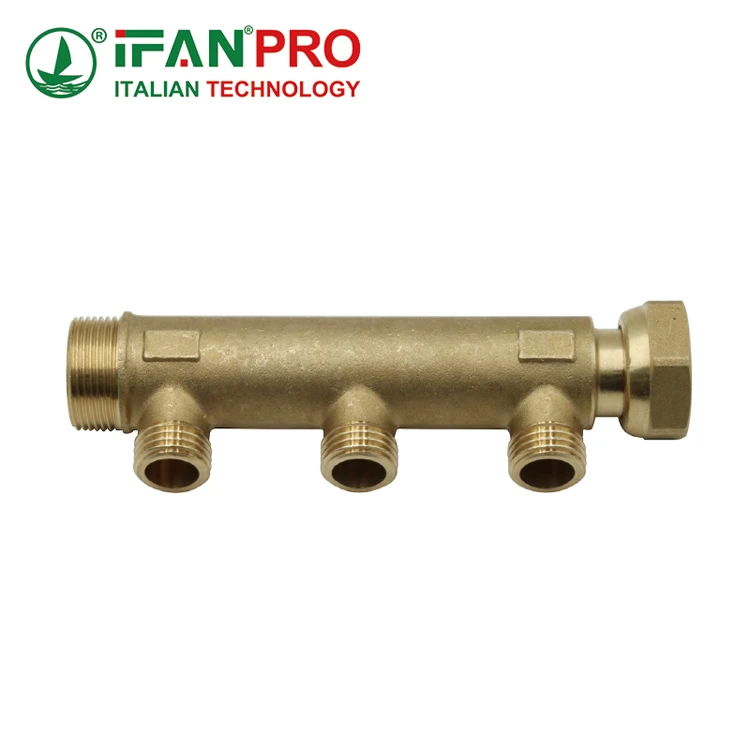
A factory that moulds brass or plastic fittings owns the steel. Ask how many cavities a given fitting’s mould has, whether the tooling was built in-house, and how the tooling cost is amortised into the unit price. A maker answers fluently: cavity count, steel grade, maintenance cycle, and a per-part tooling recovery that shrinks as volume rises.
A trading company sources finished fittings from one or more unknown moulders, so it has no tooling story, and it will pivot to ‘we work with several partner factories’ the moment you press. That answer is not automatically dishonest, but it confirms you are not speaking to the entity that controls the process. If tooling detail makes the salesperson uncomfortable, treat the ‘factory’ label as unverified.
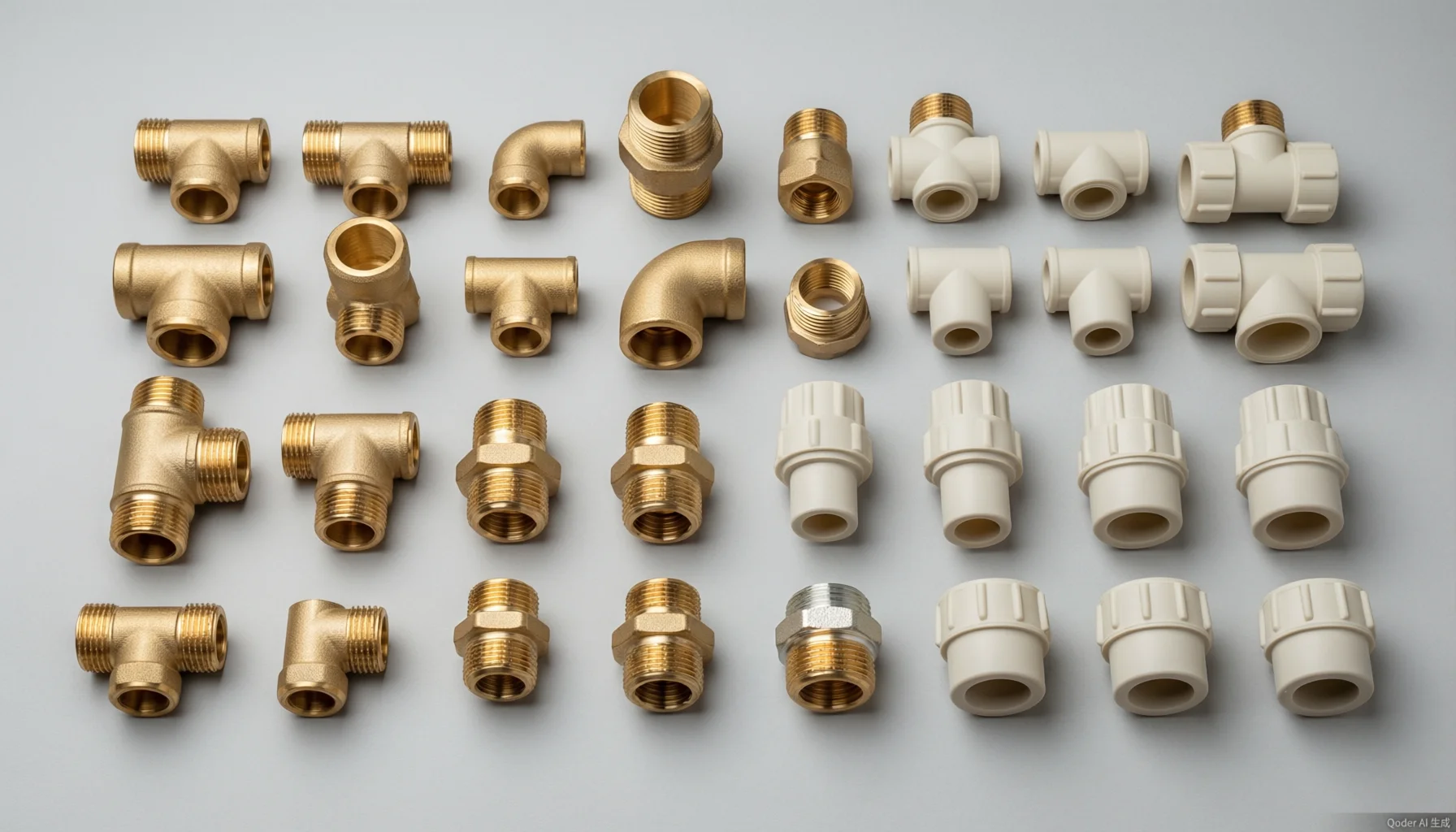
Real manufacturers tend to go deep, not wide. A PP-R and PE specialist makes pipes and fittings in those materials, across sizes and pressure classes, with real depth in resins, tooling and testing. A trading company’s catalogue is broad and shallow: brass, PP-R, PE, PVC, valves, pumps and hardware from brands it does not own, often photographed in inconsistent lighting because the images came from different suppliers.
When a single ‘factory’ claims to make everything under one roof and sends you a catalogue that looks like a hardware store, the breadth is a sourcing footprint, not a production one. Cross-check the catalogue against the business scope and the production/sales unit on the export declaration. If the three disagree, the broad catalogue is resale.
6. No Live Walkthrough of the Production Floor
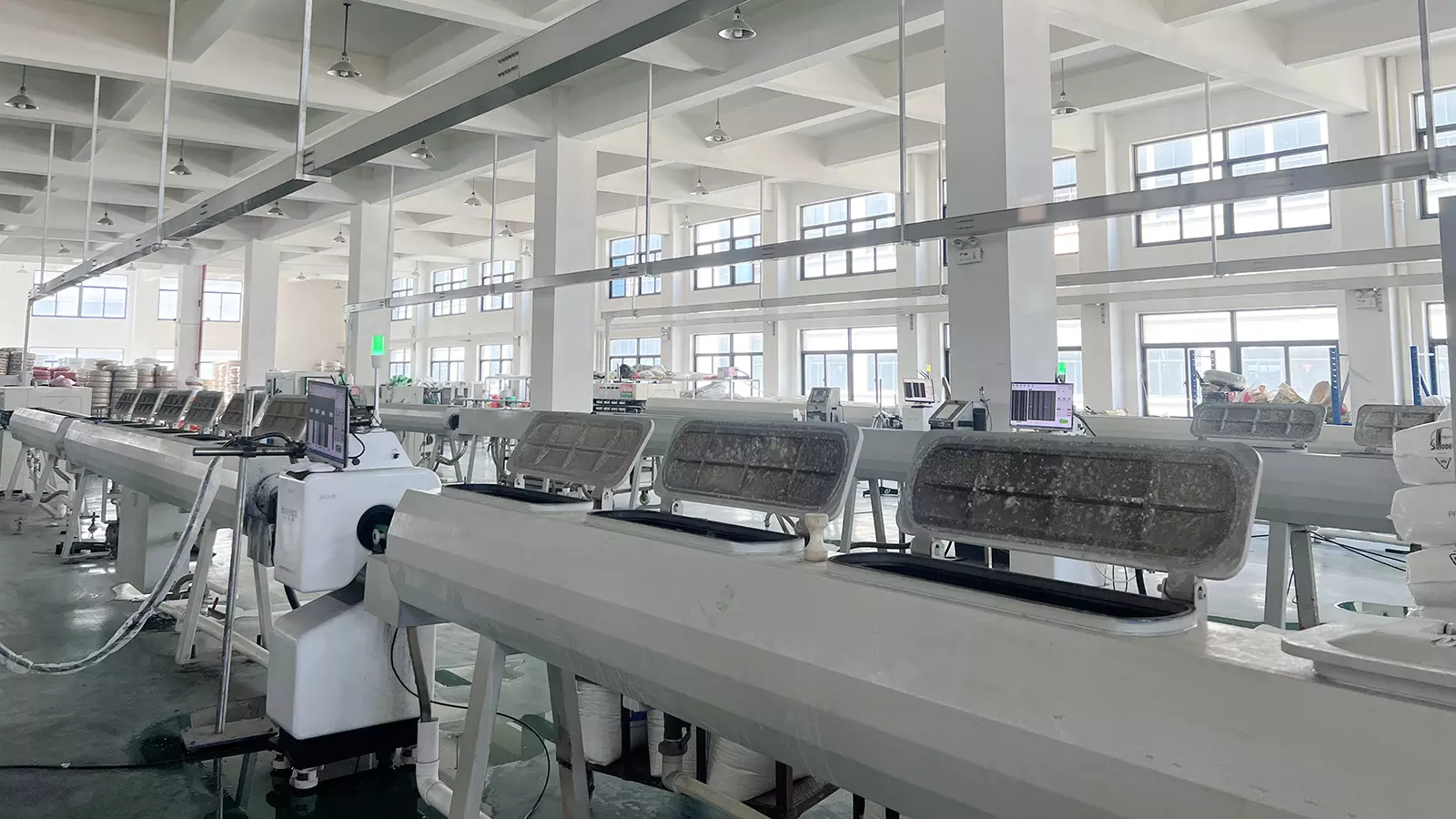
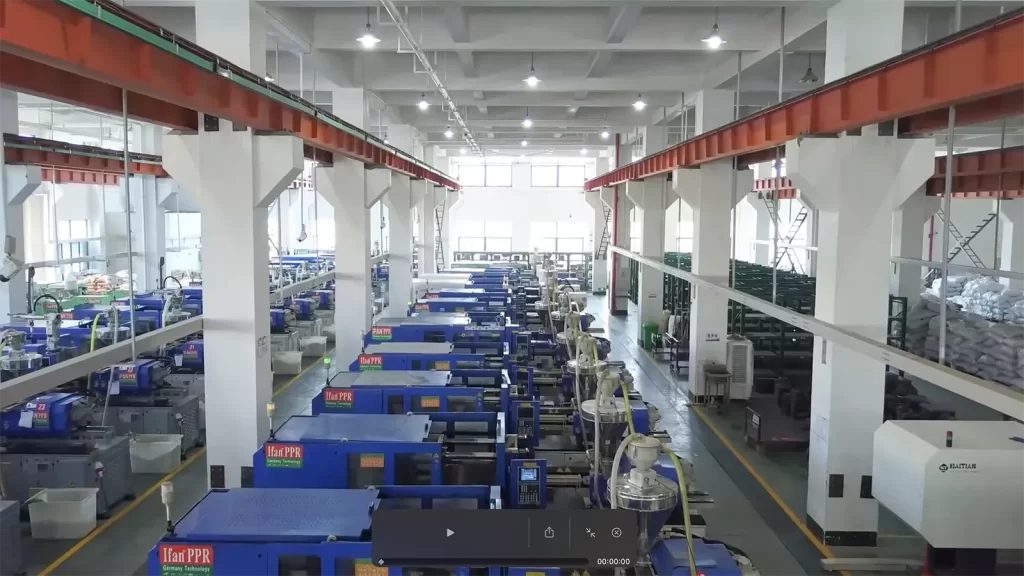
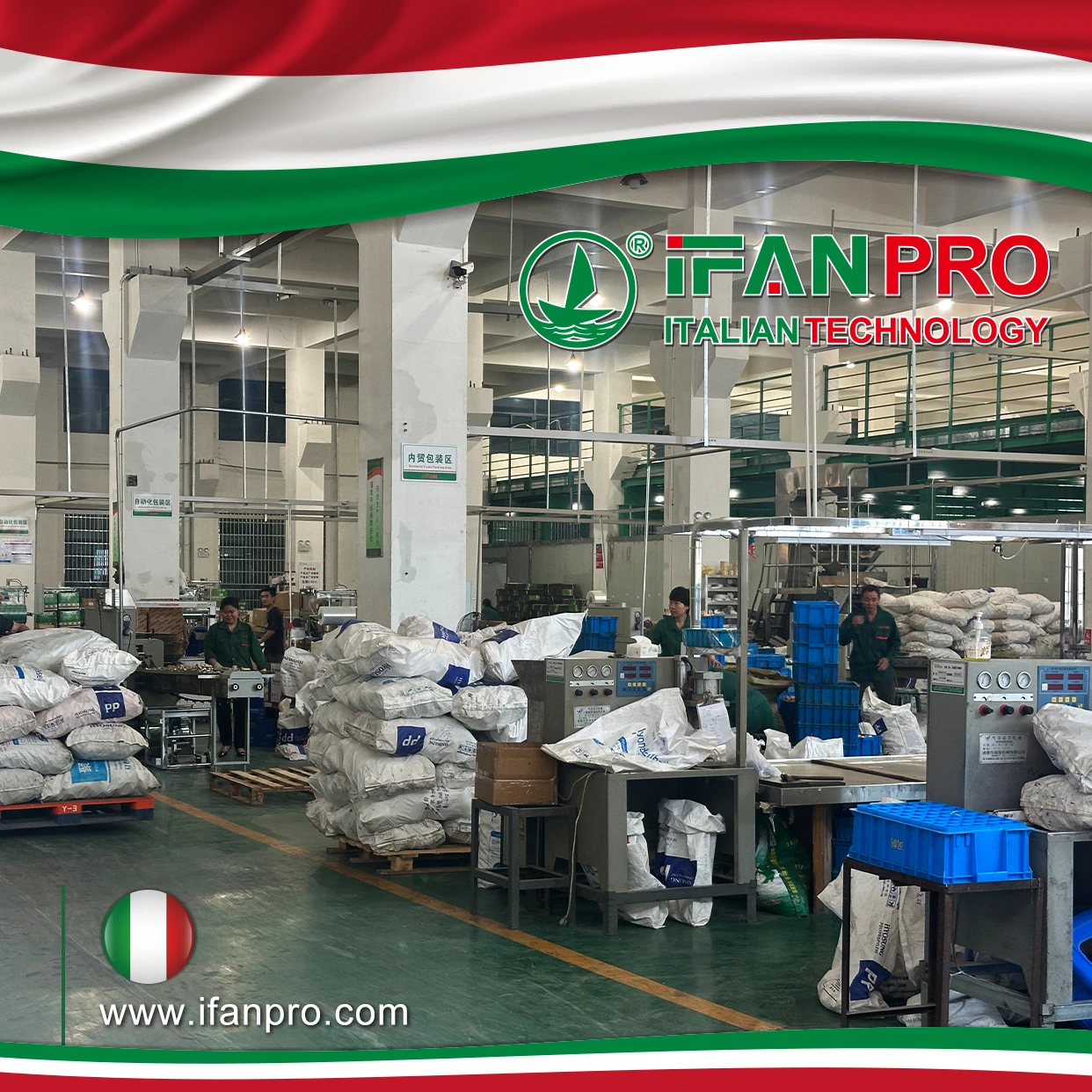
A genuine maker can show you its plant on a live video call: the extrusion lines, the injection workshop, the test bench, the warehouse with its own print. Ask for a walk-and-talk on a phone, unscripted, or for GPS-tagged photos at the facility. A trading company will offer a ‘factory tour video’ that is years old, or deflect to ‘our partner factory is confidential’.
You do not need a stamped invitation to visit; you need evidence the lines exist. A supplier that controls production shows them willingly because the floor is its best sales tool. One that cannot is, at best, a step removed from the source.
7. They Cannot Answer Resin-Grade and Process Questions
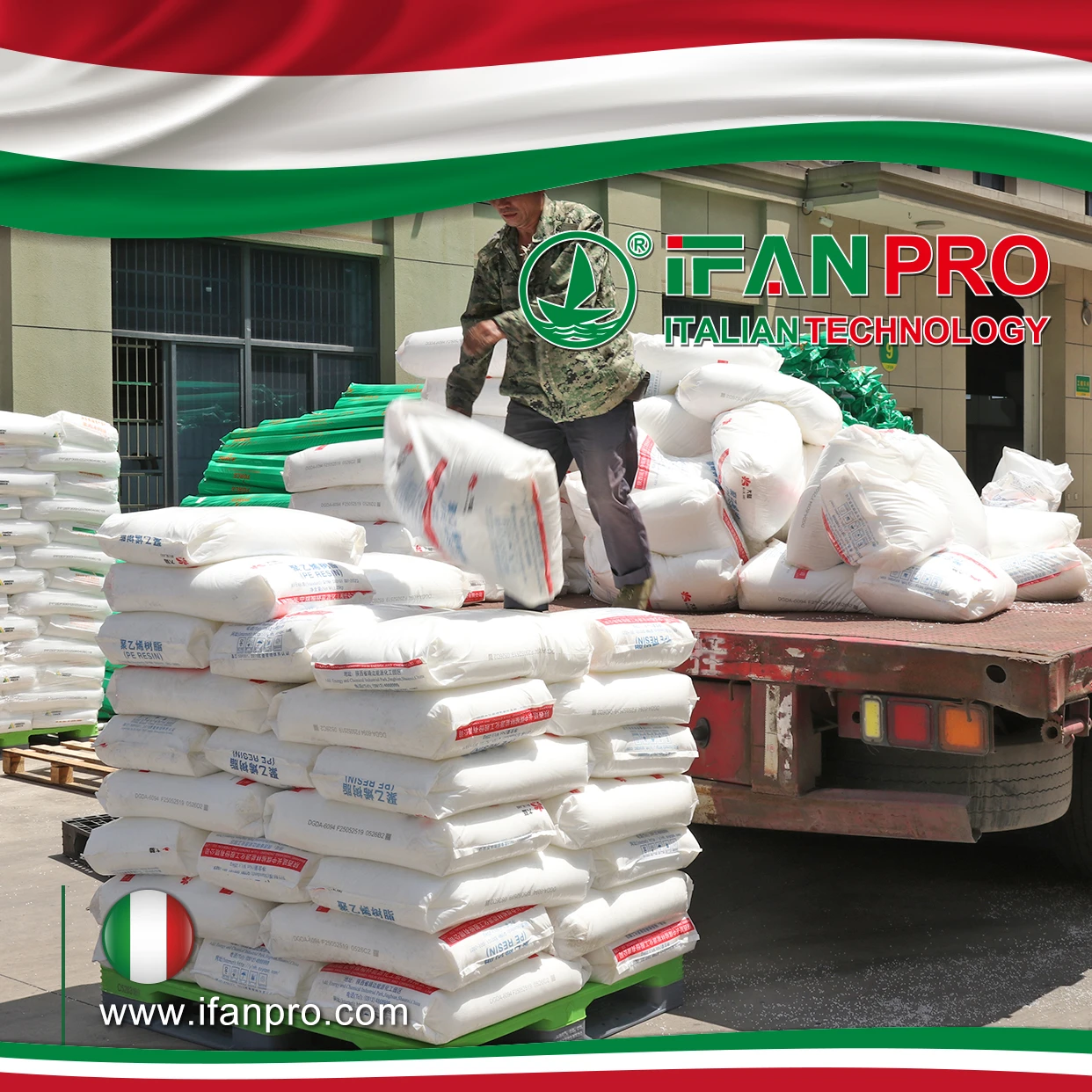
Ask what resin grade goes into the pipe: PE100 versus PE80, the melt-flow rate, the carbon-black content for UV resistance, or the Vicat softening temperature. Ask how batches are traced and what the extrusion line’s set temperatures are. These are the questions a plant manager answers without looking anything up.
A reseller can read you a datasheet it was sent, but it cannot tell you which lot was used for last month’s shipment or what happens to dimensions if the haul-off speed drifts. Process fluency is hard to fake and easy to test, and it is the single best signal that the person on the call is close to the machine. Material provenance is exactly why our explainer on recycled PPR and PEX pipe matters for buyers who specify virgin resin.
8. The Bill of Lading Shipper Isn’t the Company You Contracted
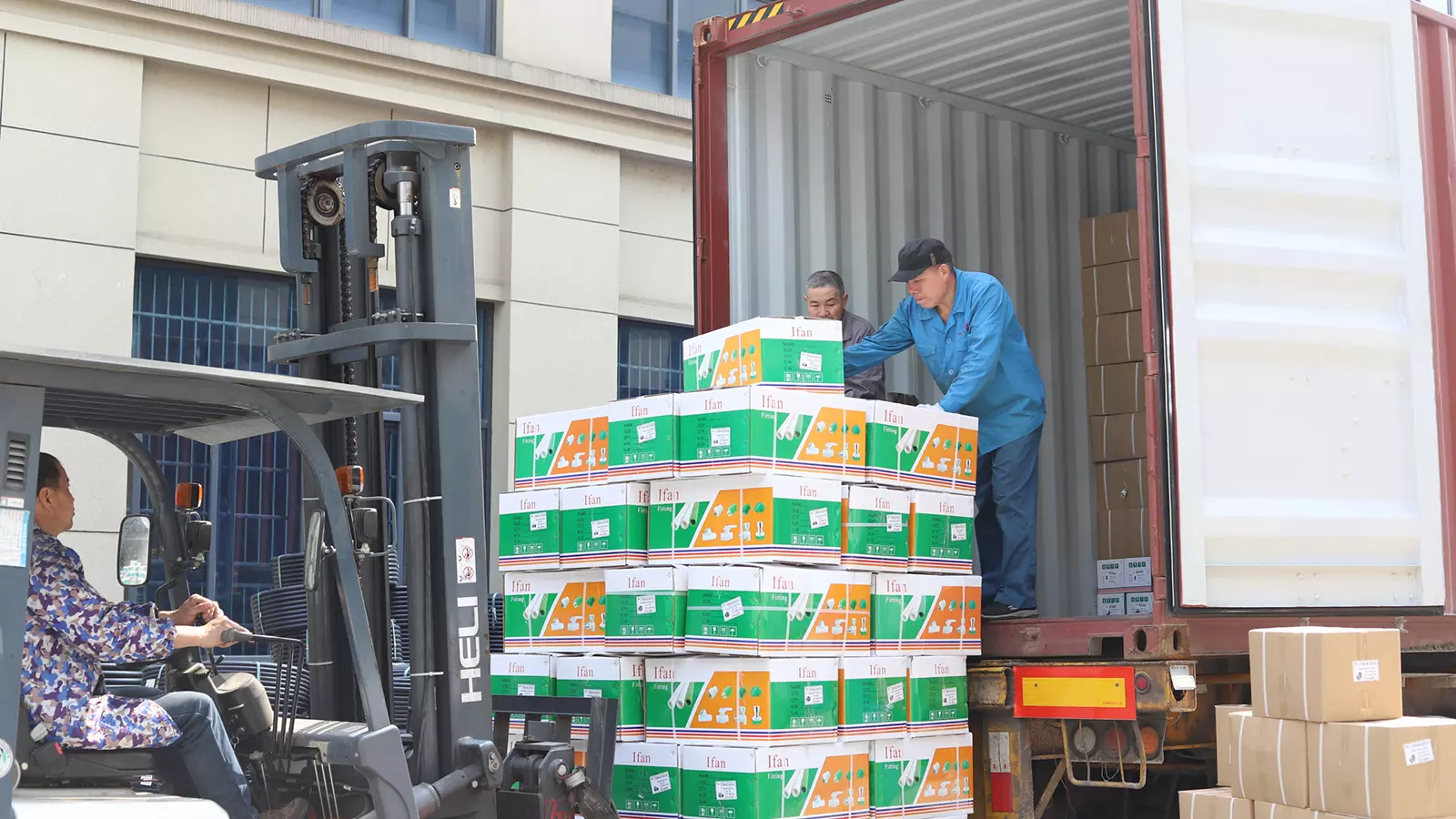
The Bill of Lading names the shipper. Under FOB terms (current Incoterms 2020, in force since 1 January 2020), you contract the main carriage yourself, so the shipper named on the B/L is the entity that actually handed the goods to the carrier — frequently the real factory. Under CIF or CFR, the seller books freight, and a trading company can let the B/L show its own name while the goods came from a different maker.
Compare the B/L shipper against the contract entity and the production/sales unit on the export declaration. Three names that all match is the clean case. A shipper that is neither your supplier nor a maker you recognise is your signal that a middle layer sits between you and the line. Our breakdown of Incoterms and pipe packaging shows how the trade term you choose changes what you can see on the documents.
For importers, distributors and project buyers evaluating a China source.
Frequently Asked Questions
Can a trading company hold CE, WRAS or NSF certificates?
A trader can hold a certificate for products it sources, but the certificate names the manufacturing entity it covers. Always check which legal entity the certificate belongs to, and whether that entity is the one shipping your goods. Our page on WRAS versus NSF certification explains how to read what a certificate actually proves.
Is the ‘Manufacturer’ tag on a B2B platform reliable?
No. The ‘Manufacturer’ or ‘Trading Company’ label on a B2B marketplace is self-declared and unverified by the platform. Use the export declaration’s production/sales unit field and the national enterprise credit system instead — those are records the supplier does not control.
What is the fastest documentary proof that a supplier is a real factory?
The production/sales unit field on a recent export declaration, or the unified social credit code and industry category on the national enterprise credit system. Both are free to check and neither can be rewritten by the salesperson after the fact.
Does the pipe wall really show the maker?
Yes. GB/T 13663.2-2018 (Clause 9) requires permanent marking with the manufacturer’s name or trademark, the SDR, the pressure class, the material grade, the batch and the production time and place. A trader without an extrusion line cannot put its own valid print on the pipe.
Why does IFAN publish this if it is a China pipe maker?
Because the test protects buyers from everyone, including us. We apply the same checks to ourselves — live floor walkthroughs, named production/sales units, and the maker’s print on every metre of pipe — and we would rather you verify a source than trust a pitch. Start from our HDPE pipe and fittings range.
- If the business license scope lists only ‘goods import/export’ and no manufacturing → reseller. Verify on the national enterprise credit system.
- If the export declaration’s production/sales unit differs from the supplier’s name → dual-header resale; the named maker is who actually produced the goods.
- If the pipe wall print names a maker other than your supplier → reseller of that maker’s output. The print is set by the standard, not by the sales contract.
Three checks, none of which need a factory visit. If all three point to the same entity, you are talking to a manufacturer.



 Español
  English
  Français
  Русский
Comentarios recientes