
Learning how to glue PVC pipe the right way is the difference between a joint that holds for decades and one that weeps under pressure a week after you fill the line. The process people call “gluing” is really solvent welding, and the details you skip today are the details that leak later. Skip the primer, grab the wrong cement, or pressurize before the joint cures, and you get exactly the failure you were trying to avoid.
This guide walks through the full sequence an installer actually follows, plus two things most how-to pages leave out: a cement-selection table so you match the product to the pipe, and a cure-time table so you know when a joint is safe to test. Before any cement comes out of the can, cut and deburr the pipe first so the socket seats square. Get those fundamentals right and the rest is repeatable.
Key Takeaways
- Solvent cement chemically fuses PVC into one piece. It is not adhesive that “sticks,” which is why the right product and clean surfaces matter.
- Apply primer first on most PVC pressure work. It softens the surface so the cement can weld, and many plumbing codes call for it.
- Match the cement to the pipe: PVC cement to ASTM D2564, CPVC to ASTM F493. They are not interchangeable.
- Push with a quarter-turn and hold the joint about 15 to 30 seconds so it does not push back out.
- Handling set can happen in minutes, but full cure before pressure often runs from 15 minutes up to 24 hours or more depending on temperature, pipe size, and cement.
- Cold weather and large diameters both extend cure time. Always follow the cure schedule printed on the cement label.
This guide is part of our complete guide to PVC pipe and fittings — start there for the full PVC system overview.
How Solvent Welding Actually Works
Solvent cement does not behave like white glue or epoxy. It carries aggressive solvents that soften and partially dissolve the surface of both the pipe and the fitting socket. When you press the two softened surfaces together, the PVC material intermingles at a molecular level. As the solvent flashes off and the resin re-hardens, the two parts become a single continuous piece of plastic. That is why installers call it welding rather than gluing.
This mechanism explains every rule that follows. A dry or dirty surface will not soften evenly, so the weld stays shallow and weak. Too little cement leaves gaps where no fusion happened. Pull the joint apart before it sets and you tear the half-formed weld. The Plastics Pipe Institute and cement manufacturers publish the same core guidance for a reason: the joint is only as strong as the fused layer you create in those first few seconds.
Primer plays a supporting role here. It pre-softens and cleans the surface so the cement can do its job faster and deeper. Think of the sequence as chemistry with a clock running: prime, cement, seat, hold. Rush any step and the weld never reaches full depth.
What You Need: Primer and the Right Cement
Two consumables make or break the joint: primer and cement. Purple primer is the common choice because its dye gives an inspector visible proof it was applied. It aggressively cleans and softens the surface so the following cement bites deeper. On potable and pressure systems, confirm your local code requirements, because many jurisdictions require primer and a listed cement.
Cement is where people go wrong. PVC cement and CPVC cement are formulated for different resins and are not interchangeable. Use the product rated for the pipe material and the application. Pipe diameter also matters: heavy-bodied cements are made for larger diameters, while regular-bodied products suit small pipe. The table below sorts out the common types so you can match the can to the job.
| Cement Type | Use For | Notes |
|---|---|---|
| Regular-bodied PVC (ASTM D2564) | Small-diameter PVC, roughly up to 4 in. | Fast-setting; good for tight spaces and DWV work. |
| Heavy-bodied PVC (ASTM D2564) | Large-diameter PVC, roughly 6 in. and up. | Thicker fill bridges bigger sockets and gaps. |
| CPVC cement (ASTM F493) | CPVC hot/cold water pipe only. | Formulated for CPVC; not for standard PVC. |
| Multi-purpose cement | Mixed PVC/CPVC/ABS repair jobs. | Convenient, but confirm it is listed for your application. |
| Rain-ready / wet-set cement | Damp conditions or trickling water lines. | Sets even when surfaces cannot be fully dried. |
One more note on standards. The ASTM D2564 specification covers the solvent cement for PVC systems, and a listed product on the shelf will reference it. If you are unsure whether your pipe is PVC or CPVC, our comparison of PVC vs CPVC pipe clears up the difference before you buy cement you cannot use.
Step by Step: Solvent Welding a PVC Joint
Work fast once the cement is out, but stay deliberate. Solvent flashes off in seconds, so lay out everything first: pipe, fitting, primer, cement, rag, and a marker. Here is the sequence that produces a full-depth weld every time.
- Cut square and deburr. A square cut seats to full socket depth. Deburr the inside and chamfer the outside edge so the pipe slides in without scraping cement off the walls.
- Dry-fit and mark alignment. Slide the pipe into the fitting dry. It should stop before bottoming out. Draw an alignment mark across both parts so you can index the final position instantly.
- Clean the surfaces. Wipe off dust, moisture, and oil from the pipe end and the socket. Contamination blocks the solvent from softening the plastic.
- Apply primer, fitting then pipe. Swab primer inside the fitting socket first, then around the pipe end. Reapply lightly to the socket. Work while the surface is still wet.
- Apply cement, pipe then fitting. Brush a full, even coat on the pipe end, then a lighter coat inside the socket. Do this while the primer is still damp. Do not skimp; a starved joint leaves gaps.
- Push home with a quarter-turn and hold. Insert the pipe fully to socket depth, twist a quarter turn to spread the cement, align to your mark, and hold firmly about 15 to 30 seconds. The joint will try to push back before it sets.
- Wipe the bead. A continuous bead of cement should appear around the joint. Wipe the excess with your rag so it does not run and weaken the pipe wall.
Cure and Set Times by Temperature
Two clocks matter after you seat a joint. Set time is how long before you can handle the assembly without disturbing it. Cure time is how long before the joint can take full pressure. Colder air and larger pipe both stretch these numbers, sometimes dramatically. The figures below are typical ranges, not a substitute for the schedule on your cement label.
| Condition (Temp / Size) | Handling / Set Time | Full Cure Before Pressure |
|---|---|---|
| Warm (60–100°F), small pipe up to 1¼ in. | Roughly 2–5 minutes | About 15–30 minutes at lower pressure; longer for high pressure |
| Warm (60–100°F), medium pipe 1½–3 in. | Roughly 5–15 minutes | About 30 minutes to 2 hours |
| Cool (40–60°F), medium to large pipe | Roughly 15–60 minutes | Several hours to a full day |
| Cold (below 40°F) or large pipe 4 in.+ | 1 hour or more | 24 hours or more; allow extra margin |
Notice the pattern: as temperature drops and diameter grows, both clocks run longer. A 4-inch joint on a cold morning may need a full day before it sees water pressure, while a half-inch fitting in a warm garage is ready in under an hour. When in doubt, wait longer than you think you need to, and always follow the cure schedule the cement manufacturer prints on the can.
Common Mistakes That Cause Leaks
Almost every failed PVC joint traces back to one of a handful of shortcuts. Knowing them turns a coin-flip into a reliable weld.
- Skipping primer. On PVC pressure work, no primer means a shallow weld and, often, a code violation. The joint may look fine and still weep under pressure.
- Dry or contaminated socket. Dust, water, or oil in the socket blocks the solvent from softening the plastic. The two surfaces sit against each other instead of fusing.
- Too little cement. A starved joint leaves unfused gaps around the socket. You want a full, even coat and a continuous bead, not a thin smear.
- Not holding the joint. Cement is slippery, and the fitting will push back out before it sets. Let go too soon and you get a partially seated joint that leaks at the shoulder.
- Pressurizing before cure. The most common failure of all. Testing a joint before it fully cures blows out the soft weld. Respect the cure table and the label.
If a system mixes PVC with metal or other plastics, gluing is not always the answer. Our guide to joining pipes of different materials covers transition fittings and threaded adapters for those junctions.
What We Check on PVC Fittings Before Shipping
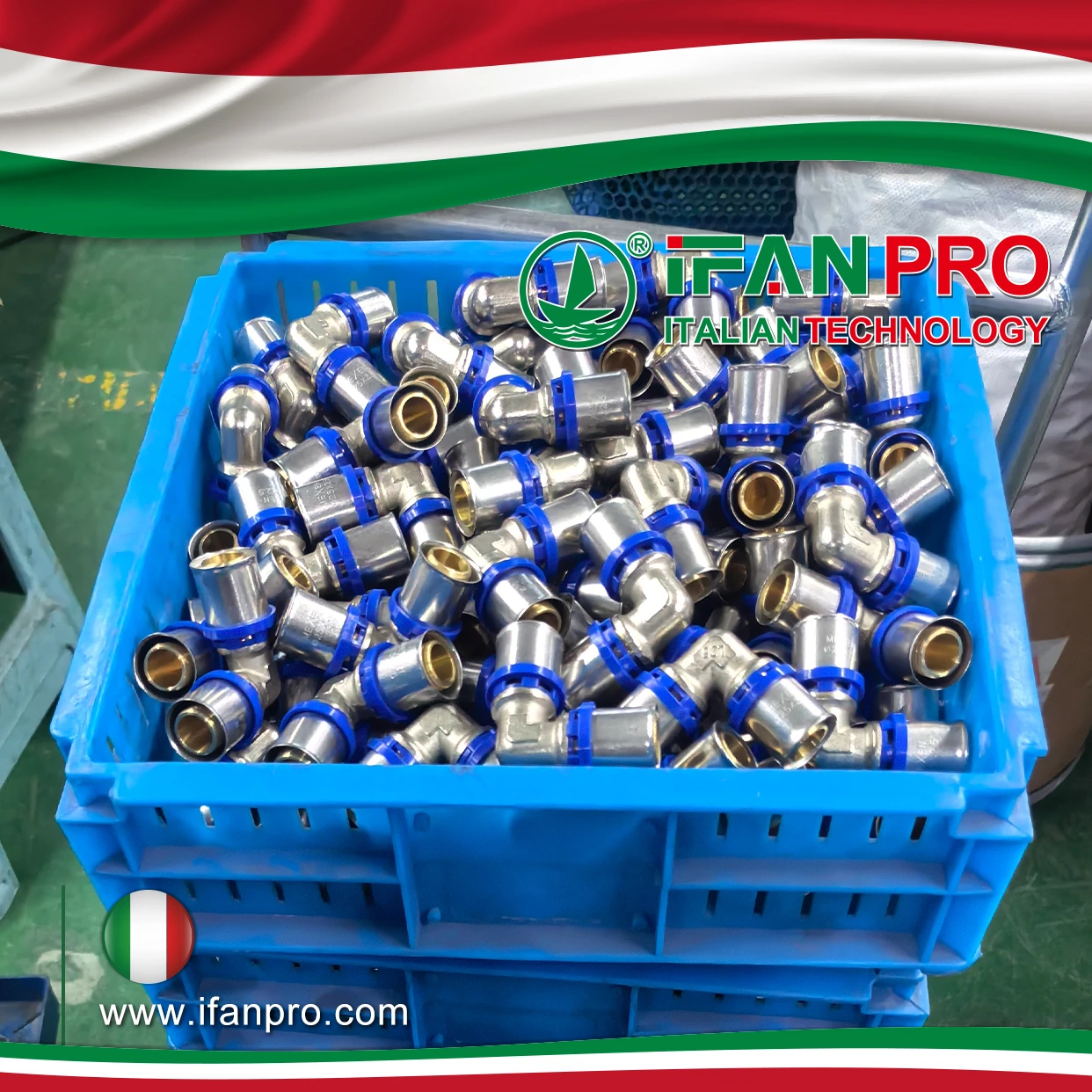
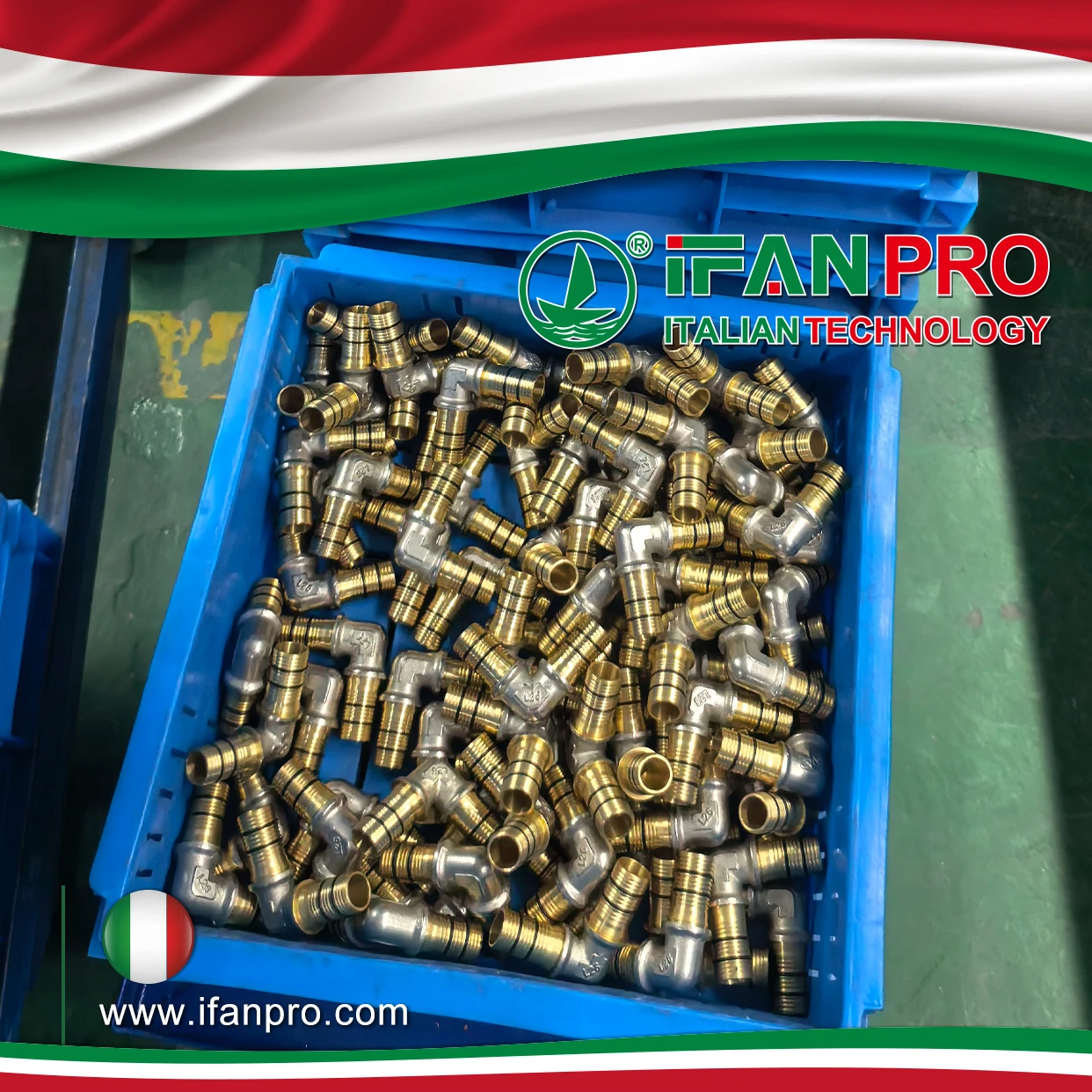
A perfect technique still fails if the socket is out of tolerance, so at IFANPRO we treat fitting geometry as part of the joint. Before a batch ships, we verify socket depth against the standard so the pipe can seat to full engagement. A socket that is too shallow starves the weld area even when the installer does everything right.
We also run dimensional checks on socket diameter and wall thickness. The socket has to grip the pipe with the correct interference: too loose and the cement gap is too wide to fuse, too tight and the pipe cannot bottom out. We sample fittings across each production run and confirm they fall inside the tolerance band that solvent cement is designed to bridge. That is the difference between a fitting that seats first time and one that fights the installer.
Consistency is the goal. When every elbow and coupling in a box shares the same socket profile, an installer builds muscle memory and every joint cures the same way. You can see the range we produce across our types of PVC fittings, from couplings and elbows to tees and reducers.
Conclusión
Gluing PVC pipe well comes down to a short list you never skip: square cut, clean surfaces, primer, the right cement, a full seat with a quarter-turn hold, and enough cure time before pressure. Nail those and the solvent weld becomes the strongest part of the line. The extra minutes you spend priming and waiting are always cheaper than reopening a wall to fix a leak.
Match your cement to the pipe using the selection table, respect the cure schedule for your temperature and pipe size, and start with fittings machined to tight socket tolerances. When you are ready to spec a project, review IFANPRO’s PVC pipe and fitting range and build joints that seal the first time. The Plastics Pipe Institute is a solid reference for deeper technical guidance as your systems grow more complex.
Frequently Asked Questions
Do I really need primer to glue PVC pipe?
For PVC pressure and potable systems, yes in most cases, and many plumbing codes require it. Primer softens and cleans the surface so the cement welds deeper. Some low-pressure DWV situations differ, so confirm your local code and the cement label before deciding.
How long should PVC cement cure before I run water?
It depends on temperature and pipe size. In warm conditions a small joint may be ready in 15 to 30 minutes, while a large-diameter joint in cold weather can need 24 hours or more before full pressure. Follow the cure schedule on the cement can.
Can I use PVC cement on CPVC pipe?
No. PVC cement (ASTM D2564) and CPVC cement (ASTM F493) are formulated for different resins. Use the cement rated for your pipe material and application. A multi-purpose product may work across several plastics, but confirm it is listed for your specific job.
Why does my PVC joint keep pushing back apart?
Fresh solvent cement is slippery, and the fitting wants to slide off before it sets. Push the pipe fully home, give it a quarter-turn, and hold firmly for about 15 to 30 seconds. If you let go early, the joint backs out and leaks at the shoulder.
How much cement should I apply?
Enough for a full, even coat on the pipe end and a lighter coat inside the socket, producing a continuous bead when you push the parts together. Too little leaves unfused gaps; excessive runs can weaken the pipe wall, so wipe the surplus bead after seating.
Acerca de IFANPRO
IFANPRO has manufactured PEX, PPR, HDPE, and PVC pipe and brass fittings in China since 1993. From a 120,000 m² factory with 600+ staff, the team produces to ISO 9001 and 14001, CE, WRAS, NSF/IAPMO, and WaterMark standards, with OEM/ODM support for plumbing and construction projects worldwide.









 Español
  English
  Français
  Русский
Comentarios recientes