

I was about to install a magnetic water conditioner on my main line when a nagging question stopped me cold: could this thing actually hurt my plumbing?
No, magnetic water treatment devices do not physically damage pipes. They do not corrode, crack, or weaken pipe materials. However, their claimed effects on scale prevention are scientifically disputed, and any loosened scale could temporarily affect water flow.
This simple question opens a complex debate between bold marketing claims and hard science. Let’s cut through the noise and look at what these devices really do to your home’s plumbing system.
How do magnetic water treatment devices actually work?
I was confused by all the technical jargon. The basic principle sounded simple, but was it magic or science?
Magnetic water treatment devices use powerful magnets to create a magnetic field around a pipe. Proponents claim this field changes the electromagnetic properties of dissolved minerals like calcium and magnesium, altering how they crystallize and preventing hard scale from sticking to pipes.
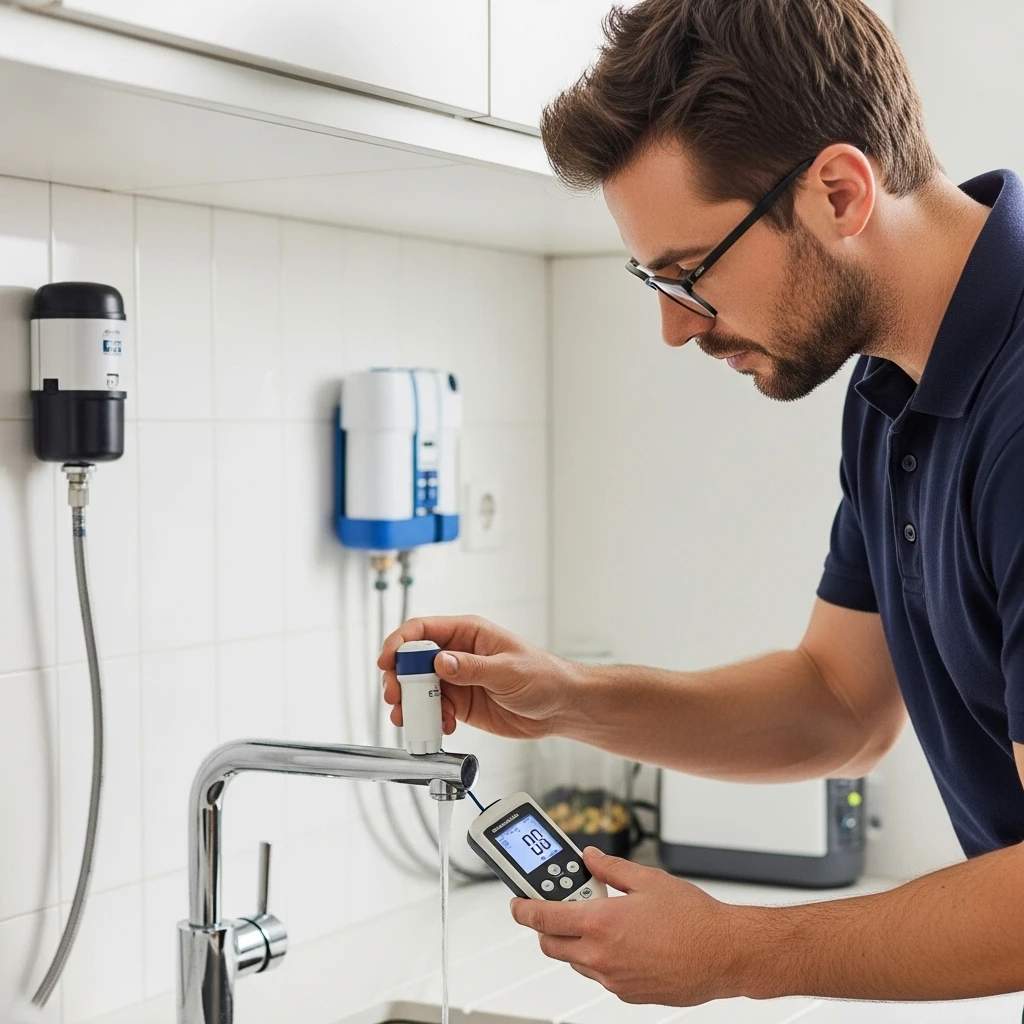
The theory behind these devices is fascinating, but it’s crucial to separate the proposed mechanism from proven results. The core idea isn’t to remove hardness minerals from water, but to change their behavior. Here’s a deeper dive into the claimed process and the science that questions it.
The Proposed Mechanism: A Three-Step Process
Advocates describe a specific sequence of events when magnetically treated water flows through your pipes. First, the strong magnetic field is said to affect the ions of calcium and magnesium carbonate in the water. Second, this altered state supposedly causes these minerals to crystallize into a different, non-adhesive form called aragonite, instead of the sticky calcite that forms limescale. Finally, these tiny aragonite crystals are meant to flow harmlessly through your system without attaching to surfaces, or even scrub away existing scale over time.
The Scientific Skepticism and Physical Limits
Many peer-reviewed studies and institutions like the U.S. Environmental Protection Agency (EPA) express significant doubt. A primary issue is the “memory of water” concept—the idea that water retains the magnetic influence after leaving the field. Most physicists argue this effect, if any, decays in milliseconds, not nearly long enough to travel through your home’s plumbing. Furthermore, the strength of the magnetic field diminishes rapidly with distance and is easily blocked by metal pipes, raising questions about its effectiveness on the water flowing in the center of the pipe.
| Claimed Effect | Scientific Counter-Argument |
|---|---|
| Alters mineral ion charge | Possible, but effect is extremely short-lived. |
| Creates non-stick aragonite crystals | Lab results are inconsistent; calcite often still forms. |
| Removes existing scale | No credible evidence; scale is mechanically bonded. |
| Effect persists throughout plumbing | Unlikely due to rapid decay of magnetic “memory”. |
Different Technologies and Their Claims
Not all devices are simple permanent magnets. Some use alternating electromagnetic fields, while others claim to use resonant frequencies. The table below compares common types. It’s important to note that regardless of the technology, the fundamental challenge of sustaining the effect on the water remains a major point of scientific contention.
| Device Type | How It Works | Common Claim |
|---|---|---|
| Permanent Magnet | Uses strong neodymium magnets clamped around the pipe. | Changes crystallization via static magnetic field. |
| Electromagnetic | Uses a coil to generate an alternating field, often powered. | More effective at preventing scale formation. |
| Catalytic / Template-Assisted | Uses a metal alloy core that water flows over. | Induces crystallization via catalytic surface. |
What are the common claims about their effects on pipes?
The sales brochures promised a plumbing utopia. I needed to know which claims were about pipe protection versus general water treatment.
Common claims include preventing new limescale buildup, gradually removing existing scale, reducing pipe corrosion, improving water flow and pressure, and extending the lifespan of pipes, water heaters, and appliances.
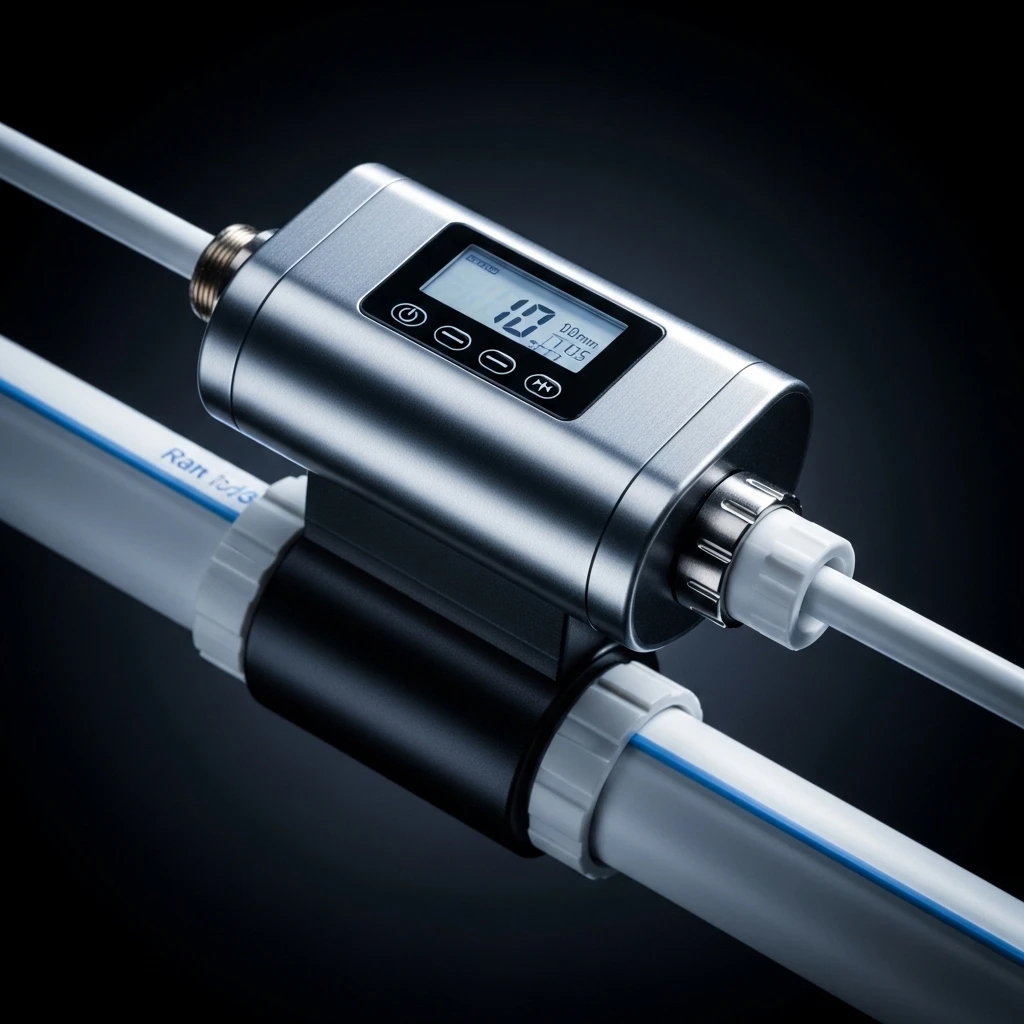
These claims form the entire sales pitch for magnetic conditioners. They appeal directly to a homeowner’s desire to protect their investment and avoid costly repairs. Let’s examine each claim in detail to understand what is being promised and where the evidence lies.
Scale Prevention and Removal
This is the flagship claim. The promise is that by altering the crystallization process, no new scale will form on the interior walls of pipes, on heating elements in your water heater, or inside appliances like your dishwasher. An even bolder claim is that the device will cause existing scale to loosen and flake off over months, effectively cleaning your pipes from the inside. While some users report softer scale, independent studies rarely confirm complete prevention or reliable removal, especially of thick, established scale deposits.
Corrosion Inhibition and Pipe Longevity
Some vendors suggest that by preventing scale, these devices also reduce corrosion. The theory is that scale can create uneven surfaces and oxygen-depleted zones that promote pitting corrosion. By keeping pipes clean, corrosion is supposedly minimized. Furthermore, with less scale restriction and corrosion, pipes and fixtures are claimed to last significantly longer. It’s critical to understand that these devices are not marketed as direct corrosion inhibitors like chemical treatments; any anti-corrosion benefit is presented as a secondary effect of scale prevention.
Hydraulic Benefits: Flow and Pressure
As scale builds up inside a pipe, it reduces the internal diameter, acting like plaque in an artery. This restricts water flow and can lower pressure at your fixtures. The claim is that by preventing or removing this scale, the magnetic device restores and maintains original flow rates and water pressure throughout the home. This is a logical consequence of the scale claim—if scale is gone, flow improves. However, if scale prevention is not occurring, this benefit cannot be realized.
| Common Marketing Claim | Underlying Promise to Homeowner | Primary Mechanism Cited |
|---|---|---|
| Prevents Scale Buildup | No more clogged showerheads, better appliance efficiency. | Altered mineral crystallization. |
| Removes Existing Scale | Saves money on de-scaling or pipe replacement. | Crystals scrub pipe walls. |
| Reduces Corrosion | Prevents pinhole leaks and pipe failure. | Elimination of scale-related corrosion sites. |
| Improves Water Flow | Stronger shower pressure, faster filling tubs. | Increased pipe diameter from scale removal. |
Is there scientific evidence supporting or refuting pipe damage?
I wanted facts, not testimonials. Was there any real research on whether these magnets harm plumbing?
Extensive scientific evidence finds no proof that magnetic fields cause direct physical damage to pipes. However, robust evidence from agencies like the EPA and WQA refutes the core efficacy claims of scale prevention, which are the basis for any purported pipe benefits.
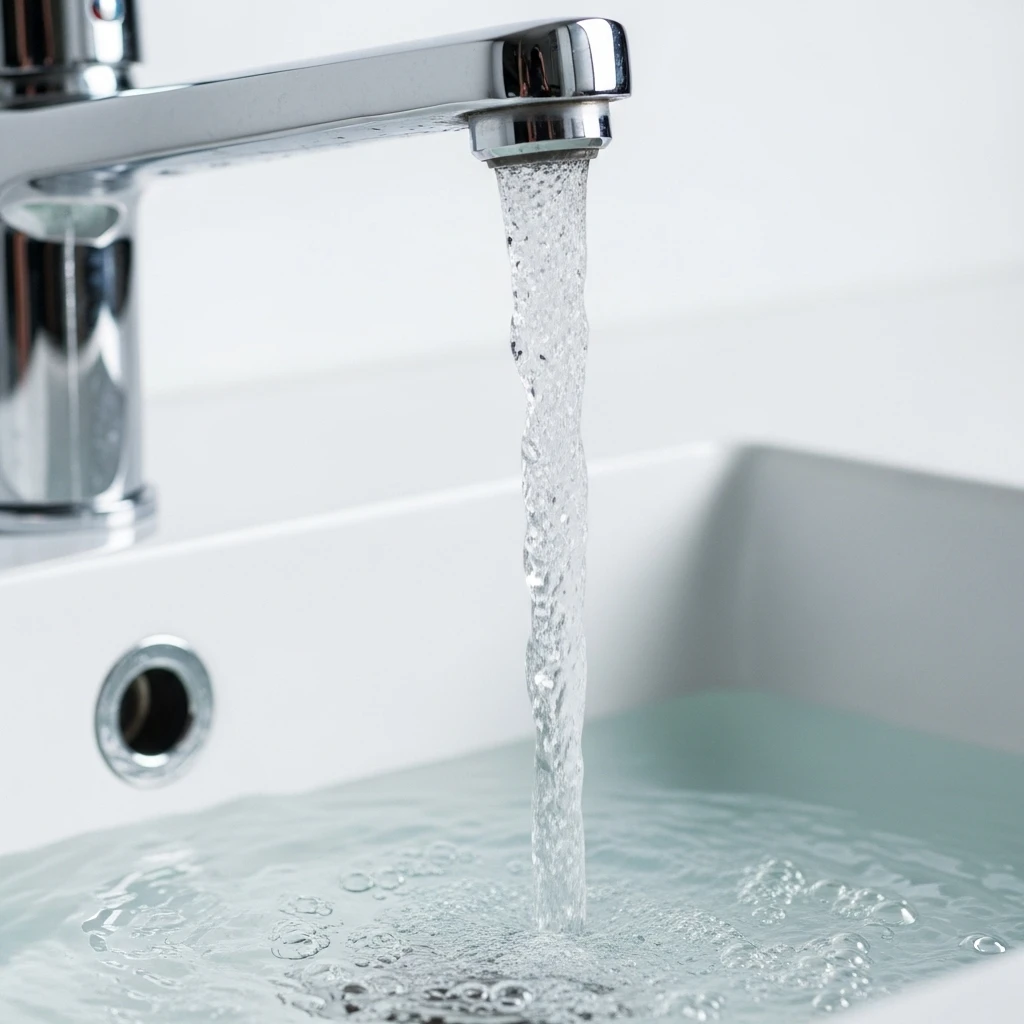
The question of damage is a double-edged sword. Research clearly shows the magnets themselves aren’t destructive. But the real issue is whether they deliver the protective benefits they advertise. The scientific consensus is largely skeptical, focusing on a lack of reproducible results and plausible mechanisms.
Evidence on Direct Physical Damage
Studies and material science confirm that the magnetic fields generated by these devices are not strong enough to affect the molecular structure of common pipe materials like copper, PVC, CPVC, or PEX. The fields do not induce harmful currents, cause metal fatigue, or accelerate corrosion through electrochemical means. In this very specific sense, the devices are safe—they are unlikely to be the direct cause of a pipe leak or failure. The magnets are essentially passive bystanders in terms of causing physical harm.
Evidence on Efficacy (The Core of the “Affect” Question)
This is where the scientific picture becomes clear. Reputable organizations have consistently found magnetic water treatment lacking. The U.S. Environmental Protection Agency (EPA) has stated there is no definitive scientific evidence to confirm their effectiveness as scale control devices. The Water Quality Association (WQA), which provides certification for water treatment products, does not offer a certification standard for magnetic or electronic conditioners due to the lack of a verifiable, repeatable test method. Numerous controlled, double-blind studies over decades have failed to show statistically significant scale prevention compared to untreated water in real-world conditions.
The Placebo Effect and Anecdotal Reports
Why do some people swear by them? This is often attributed to the placebo effect, confirmation bias, or variable water conditions. If someone installs a device, they may attribute any normal variation in scale formation (which can be seasonal or due to changes in water source) to the device. Furthermore, in water with certain temporary hardness characteristics, a slight change in crystal form might occur, but not enough to prevent long-term scale adhesion. The table below summarizes the stance of major scientific bodies.
| Organization / Study | Finding on Pipe Damage | Finding on Efficacy (Scale Prevention) |
|---|---|---|
| U.S. Environmental Protection Agency (EPA) | Not identified as a damage risk. | “No definite conclusions” can be drawn on effectiveness. |
| Water Quality Association (WQA) | No safety standard needed for damage. | No certification offered due to unverifiable claims. |
| Lawrence Livermore National Lab Study (1990s) | No damage observed. | Found no measurable effect on scale formation. |
| Various University Peer-Reviewed Papers | Consensus: no physical harm. | Majority find no reproducible scale prevention effect. |
What should homeowners consider before installing one?
Faced with conflicting information, I made a checklist of practical factors every homeowner should weigh.
Homeowners should consider their water hardness level, the type of pipes they have, the specific claims and warranty of the device, the cost versus proven alternatives like water softeners, and manage their expectations based on the lack of scientific certification.

Installing any water treatment device is a practical decision. Even if the risk of damage is near zero, you should be an informed consumer. This decision involves understanding your own home’s plumbing profile, the true cost of the device, and what realistic outcomes you can expect.
Assess Your Actual Water and Plumbing System
Start with facts. Get a professional water test to know your exact hardness level (in grains per gallon or ppm). Very hard water may be too much for any non-chemical treatment claim. Next, identify your pipe material. While magnets won’t hurt them, installation on some pipes (like PEX) might require special clamps or adapters. Also, consider the location. The device needs to be installed on a main pipe where all water flows past it, and there must be enough straight pipe for the unit to clamp onto properly.
Evaluate the Device and Manufacturer Claims
Look for specific, measurable promises, not vague language. Does the warranty cover damage from scale if the device fails? (Most do not). Is the company reputable, or is it just a pop-up website? Crucially, look for third-party certification. The absence of certification from bodies like NSF/ANSI or the WQA for scale prevention is a major red flag. Be wary of testimonials that use scientific-sounding but meaningless jargon.
Compare to Proven Alternatives and Total Cost
This is the most important step. Compare the upfront and ongoing cost of the magnetic device to proven solutions. A traditional ion-exchange water softener is scientifically proven to remove hardness minerals but requires salt and maintenance. A template-assisted crystallization (TAC) system is a physical, non-chemical method that has earned NSF certification for scale prevention. Weigh the initial investment, maintenance needs, and proven performance of each option against the magnetic device’s lower cost but unverified claims.
| Consideration | Key Question to Ask | Why It Matters |
|---|---|---|
| Water Hardness Level | Do I have a professional test result? | Extreme hardness may overwhelm non-removal methods. |
| Device Warranty & Claims | Does the warranty back the scale-prevention promise? | Protects your investment if the device doesn’t work. |
| Third-Party Certification | Is it certified by NSF/ANSI or WQA for scale control? | Independent verification of performance claims. |
| Alternative Solutions | What is the cost/benefit of a softener or TAC system? | Ensures you are making a cost-effective choice. |
Conclusión
Magnetic conditioners likely won’t damage your pipes, but strong science doubts they can protect them as claimed. For real scale control, proven solutions are a safer bet.









 Español
  English
  Français
  Русский
Comentarios recientes