
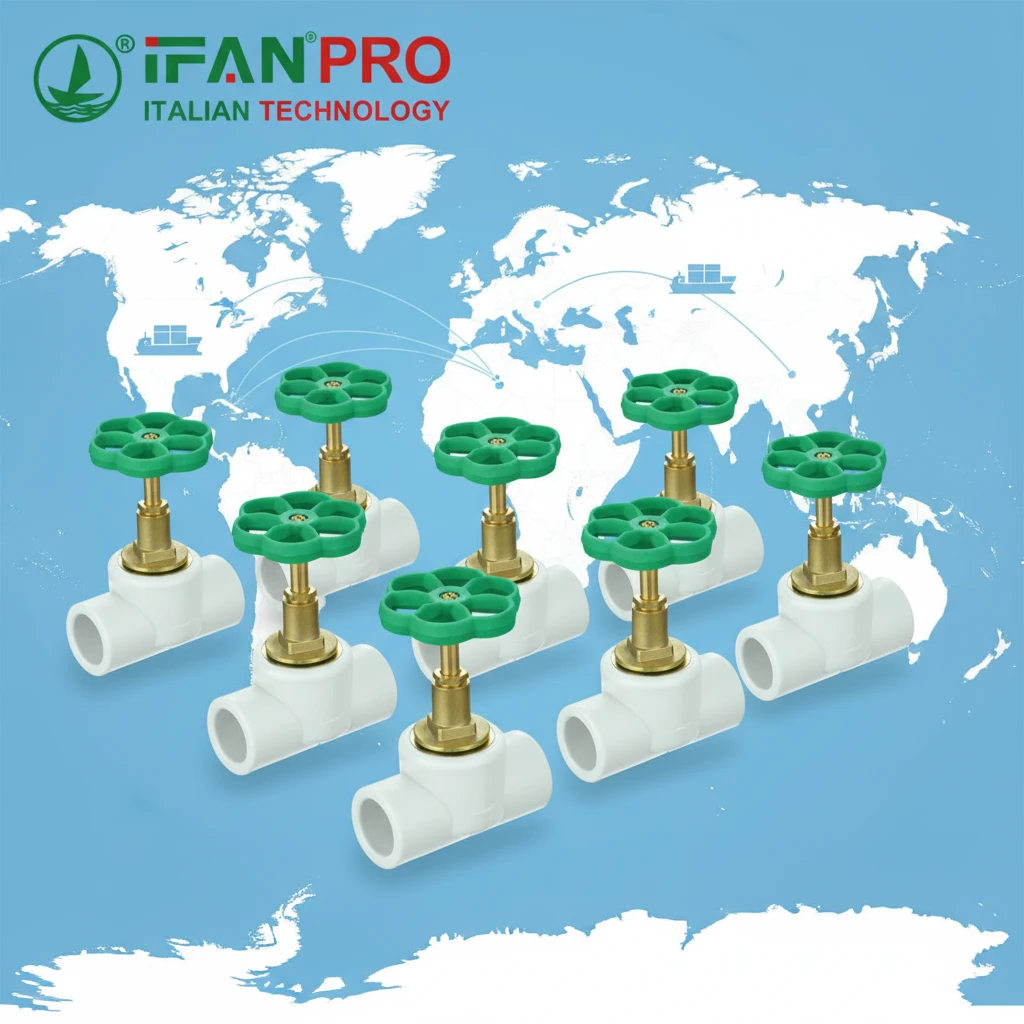
I’ve watched the global demand for PPR gate valves triple over the past five years. This surge isn’t random—it reflects fundamental shifts in how the world builds and manages water systems.
The surging demand for PPR gate valves in international trade stems from three interconnected global trends: massive infrastructure spending in developing nations, an urgent focus on water conservation, and a global shift away from metal valves due to corrosion issues and cost volatility. PPR gate valves offer the perfect balance of reliability, longevity, and affordability that modern infrastructure projects demand.
Let’s examine the specific market forces driving this trend and what they mean for buyers in 2026.
How is Global Infrastructure Spending Driving Demand for Reliable Shut-Off Valves?
Governments worldwide are pouring money into infrastructure. I’ve seen this firsthand as clients from multiple countries rush to secure reliable components for their projects.
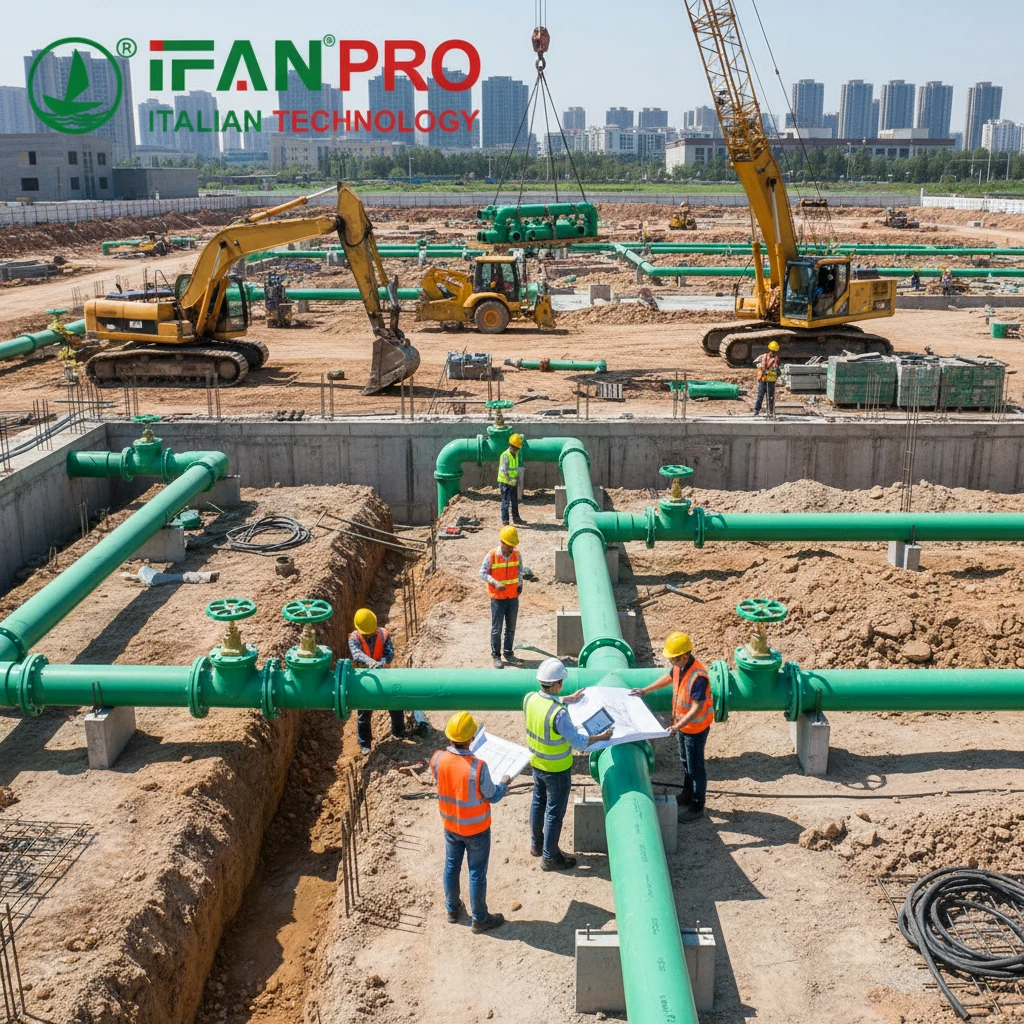
Global infrastructure spending, particularly in water supply and sanitation projects, directly drives demand for reliable shut-off valves because every water distribution system requires control points. Valves are the critical components that allow for system maintenance, isolation of sections during repairs, and flow management. As countries build new cities and upgrade aging water networks, the volume of valves required increases exponentially.
The Scale of Global Water Infrastructure Investment
Let’s look at the numbers. According to the World Bank, global infrastructure investment needs exceed $94 trillion by 2040, with water systems representing a significant portion. Developing economies in Southeast Asia and Africa are building entirely new water networks. Meanwhile, developed nations in Europe and North America face the challenge of replacing systems installed 50-100 years ago.
For every kilometer of water pipeline installed, you need:
- Isolation valves at regular intervals
- Branch connection valves
- Service connection valves
- Control valves at treatment facilities
This creates a massive, sustained demand for valves of all types.
Why PPR Specifically?
Traditional infrastructure relied heavily on metal valves—brass, bronze, cast iron. However, the pipe material itself has shifted. PPR pipes now dominate residential and commercial plumbing in most of the world. Using PPR valves with PPR pipes creates a homogeneous system with several advantages:
| System Type | Valve Material | Compatibility Issues |
|---|---|---|
| All-PPR System | PPR gate valve | Perfect thermal expansion match; no electrolytic corrosion |
| Mixed System | Metal valve on PPR pipe | Different expansion rates; potential for joint stress over time |
The logic is simple: if you’re building with PPR pipes, PPR valves are the technically superior choice.
The Reliability Factor in Large Projects
Infrastructure projects cannot afford failures. A leaking valve in a buried main means excavation, repair costs, and service disruption. PPR gate valves offer inherent advantages here. They don’t corrode from soil conditions. Their fused connections (when properly installed) are as strong as the pipe itself. This long-term reliability makes them attractive to engineers specifying systems designed for 50-year service lives.
For procurement managers like Jeff Weaver, this translates to fewer warranty claims and happier end customers.
What Role Do PPR Gate Valves Play in Water Conservation and Management Projects?
Water scarcity is a real and growing problem. I’ve worked with clients in water-stressed regions who treat every drop as precious.
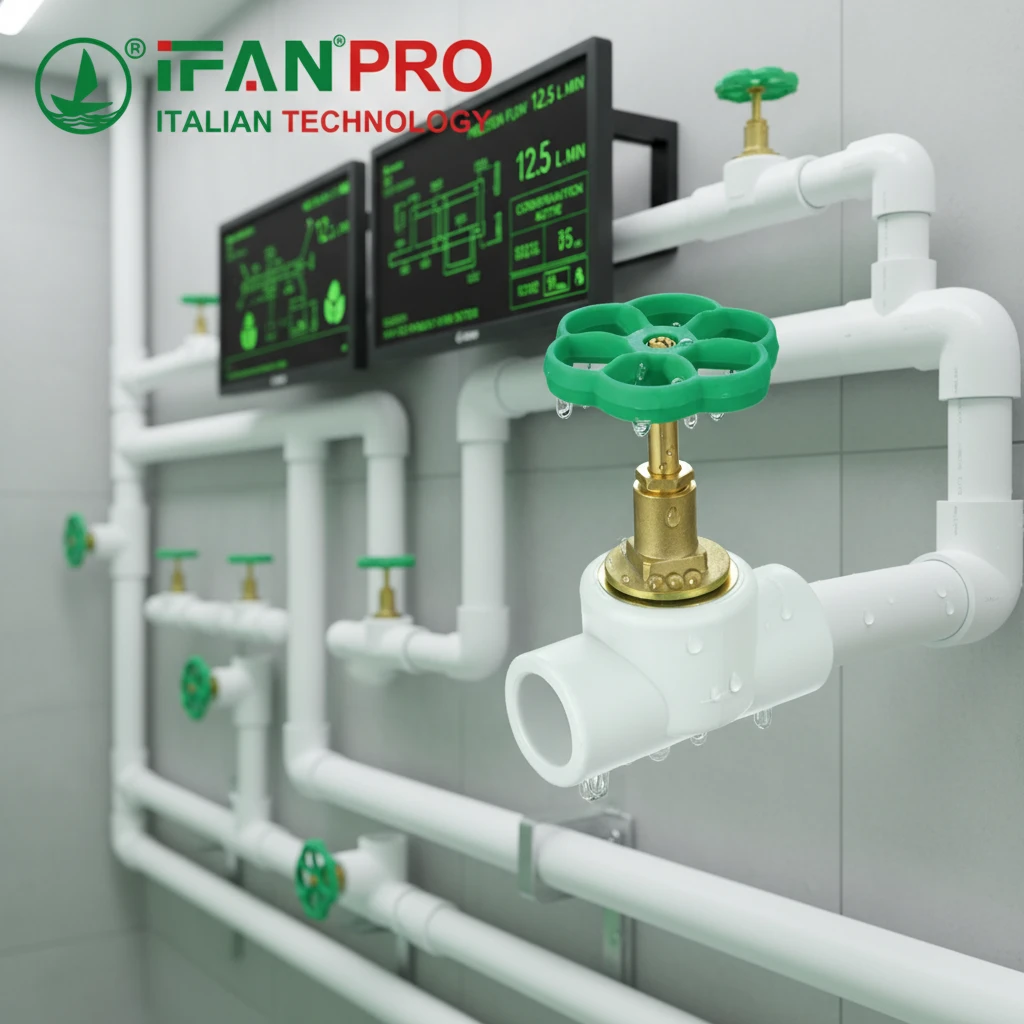
PPR gate valves play a critical role in water conservation by enabling precise control and isolation of water distribution networks. They allow utilities to shut down specific sections for leak repair without draining entire systems, manage pressure zones to reduce losses, and isolate areas during non-peak hours. The reliability of PPR valves ensures these conservation measures work when needed.
Leak Detection and Repair
Consider this: some water utilities lose 30-40% of their treated water through leaks. That’s water that was pumped, treated, and paid for—simply lost into the ground.
A functional isolation valve network is essential for leak management. When a leak is detected, you must shut off the smallest possible section to repair it. This requires reliable valves at every branch and section boundary. If a valve fails to close completely, you either repair it under flow (difficult and dangerous) or shut down a larger area, disrupting more customers.
PPR gate valves provide the reliable shut-off needed for effective leak management. Their design ensures complete closure when needed, and their corrosion resistance means they’ll still function decades after installation.
Pressure Management for Loss Reduction
High water pressure causes more leaks and increases flow from existing leaks. Modern water conservation strategies include pressure management—reducing pressure during low-demand periods.
This requires valves that can:
- Modulate flow reliably
- Maintain their settings over time
- Operate without excessive maintenance
PPR gate valves, with their smooth operation and resistance to scaling, excel in these applications.
Regional Water Conservation Initiatives
The table below shows how different regions approach water conservation and the valve implications:
| Region | Water Challenge | Conservation Strategy | Valve Requirements |
|---|---|---|---|
| Middle East & North Africa | Extreme scarcity | Network zoning, leakage control | High-reliability isolation valves |
| Southeast Asia | Rapid urbanization, aging infrastructure | System replacement, pressure management | Corrosion-resistant valves for new networks |
| Europe | Aging infrastructure, regulatory pressure | Leak detection, targeted replacement | Valves compatible with existing systems |
For each of these scenarios, PPR gate valves offer solutions that align with conservation goals. Their long service life means fewer replacements. Their reliability means less water lost to operational failures.
Why Are Emerging Markets Increasingly Specifying PPR Over Traditional Materials?
I’ve seen the shift happen in real-time. A client from Nigeria once told me, “We’re done with metal. It just doesn’t survive here.”
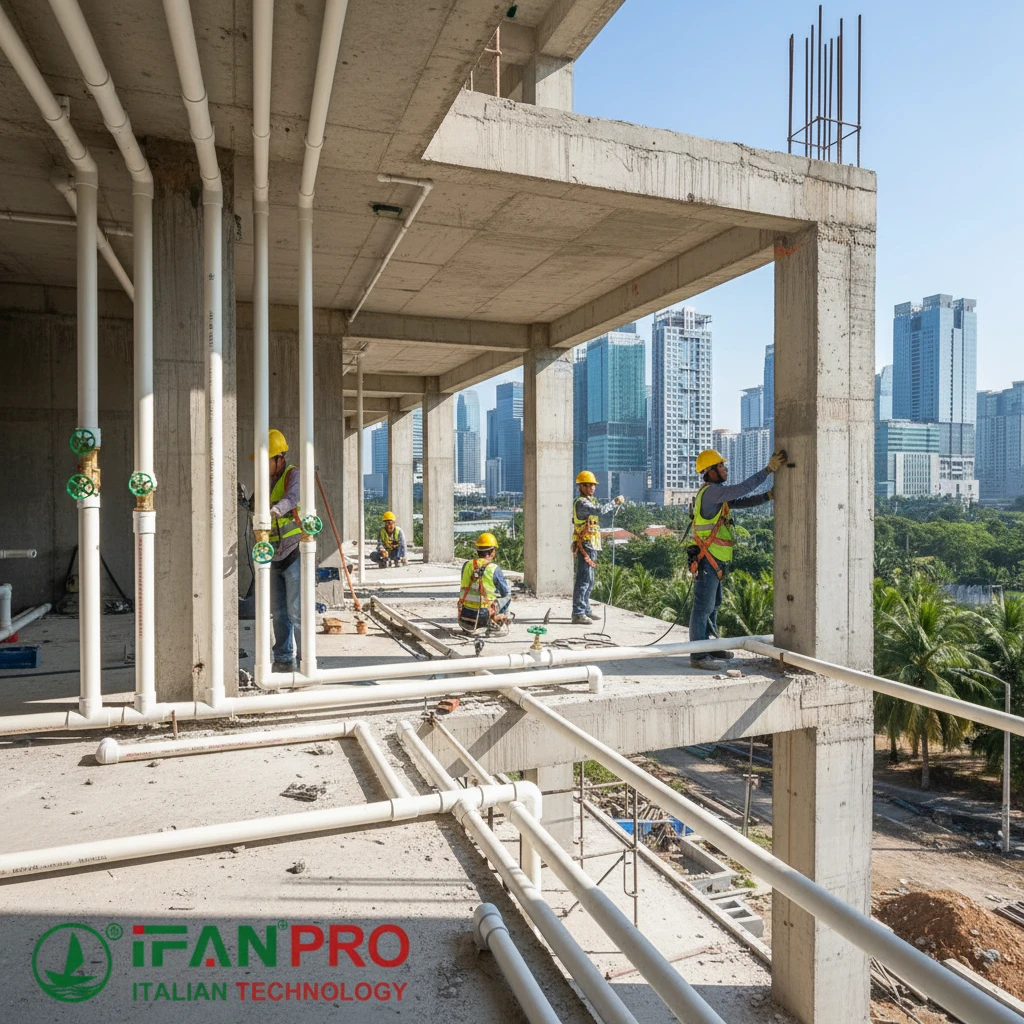
Emerging markets are increasingly specifying PPR over traditional materials because PPR solves the specific problems these regions face: aggressive soil conditions that corrode metal pipes, inconsistent water quality that accelerates scaling, price volatility in metal markets, and the need for simple, reliable installation methods that don’t require highly skilled labor. PPR offers a modern solution that outperforms traditional materials in these challenging environments.
Environmental Challenges in Emerging Markets
Traditional materials like metal pipes and valves were developed for temperate, stable environments. Emerging markets often present conditions that these materials cannot handle:
1. Aggressive Soils: In many tropical regions, soils have high acidity or high chloride content. Metal pipes buried in these soils corrode rapidly. I’ve seen cast iron valves fail in under five years. PPR is chemically inert—soil conditions don’t affect it.
2. Variable Water Quality: Emerging market water supplies often have inconsistent pH, high mineral content, or intermittent chlorination. These conditions accelerate corrosion in metal systems and cause scaling that blocks valves. PPR’s smooth surface resists scaling, and its material doesn’t react to water chemistry changes.
3. Temperature Extremes: From desert heat to tropical humidity, PPR handles temperature variations better than many traditional materials. It doesn’t become brittle in cold or soften excessively in heat within its design range.
Supply Chain and Cost Considerations
Emerging markets also face practical economic challenges that favor PPR:
| Consideration | Metal Valves | PPR Gate Valves |
|---|---|---|
| Raw Material Price Volatility | Subject to global metal markets | Polymer prices more stable |
| Transportation Cost | Heavy, expensive to ship | Lightweight, lower shipping cost |
| Inventory Requirements | Many sizes, types needed | Standardized, easier to stock |
| Installation Skill Level | Requires threading or flanging skills | Simple fusion welding training |
For a procurement manager in an emerging market, these factors translate directly to the bottom line. PPR gate valves cost less to ship, require less inventory investment, and can be installed by locally trained workers rather than specialized metal workers.
The Quality Perception Shift
There was a time when “plastic” meant “cheap” in many markets. That perception has shifted dramatically. Engineers in emerging markets now recognize that for many applications, modern polymers outperform metals. They’ve seen metal systems fail. They’ve seen PPR systems installed 20 years ago still performing perfectly.
This experience-based trust drives specification decisions. When an engineer specifies PPR, they’re choosing based on proven performance, not just initial cost.
How Does the Balance of Quality and Cost Make PPR Gate Valves a Trade Favorite?
International trade flows where value meets price. I’ve watched PPR gate valves become a staple in global plumbing supply chains for good reason.
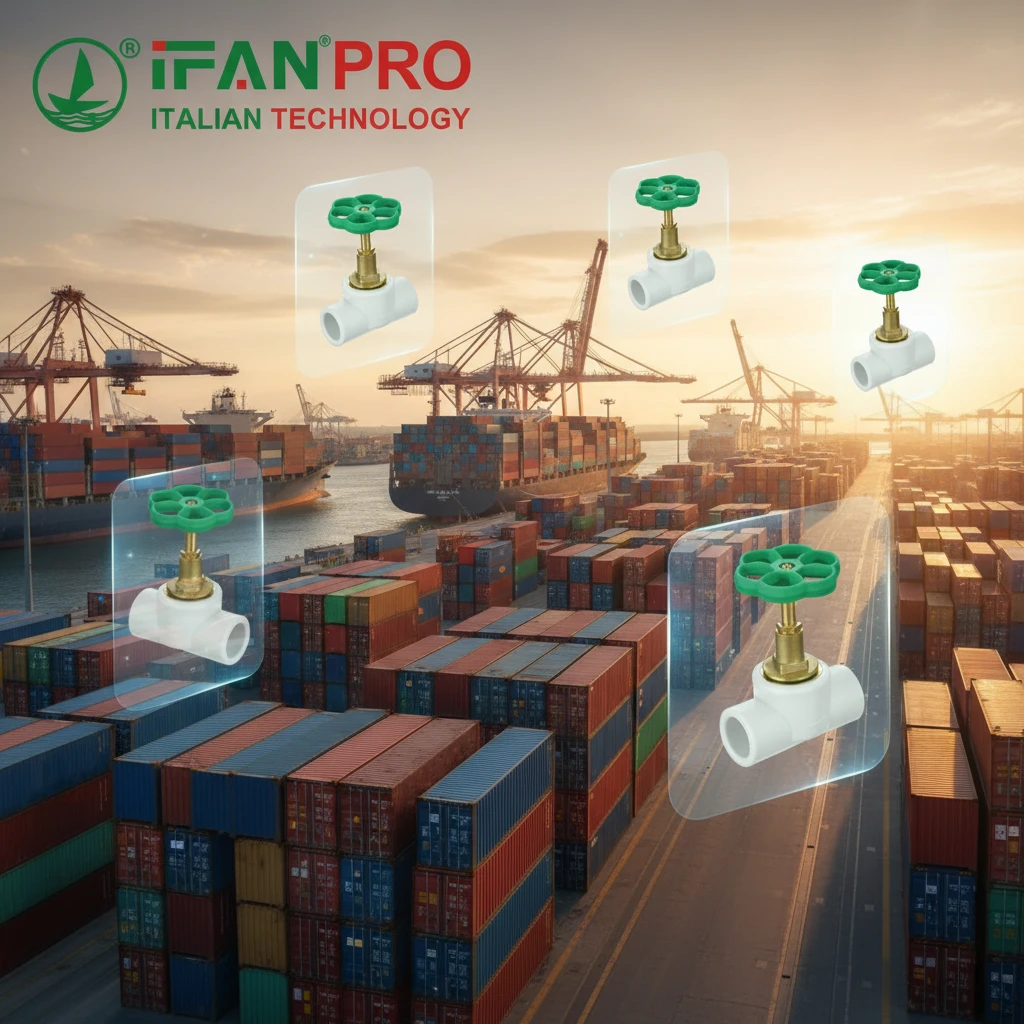
The balance of quality and cost makes PPR gate valves a trade favorite because they deliver professional-grade performance at a price point that makes sense for volume shipping. Their lightweight construction reduces freight costs, their standardized designs simplify inventory management, and their reliable performance minimizes after-sale issues. For importers, this combination means good margins and happy customers.
The Economics of International Shipping
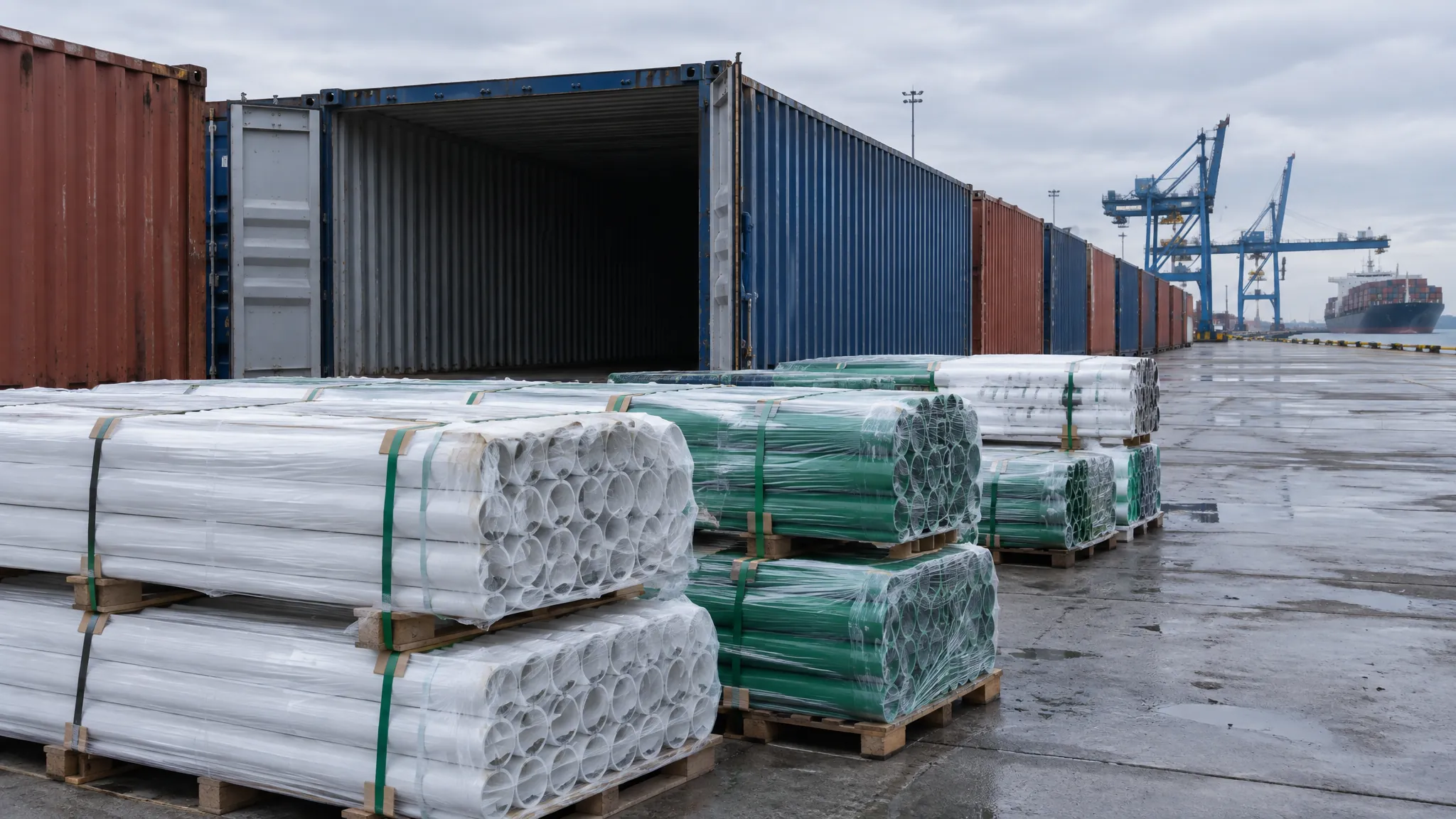
Let’s do some simple math. A standard 20-foot shipping container can hold approximately:
- Metal gate valves: 5,000-8,000 pieces (depending on size)
- PPR gate valves: 15,000-20,000 pieces
The difference is weight. Metal valves are heavy. PPR valves are light. For the same shipping cost, an importer can bring in 2-3 times more product. This dramatically reduces the per-unit landed cost.
| Cost Factor | Metal Valve Shipment | PPR Valve Shipment |
|---|---|---|
| Units per Container | 6,000 | 18,000 |
| Ocean Freight Cost | $4,000 | $4,000 |
| Freight Cost per Unit | $0.67 | $0.22 |
That $0.45 per unit difference adds up quickly on large orders.
Inventory and Working Capital Advantages
For distributors and importers, inventory is expensive. Carrying a wide range of metal valves means significant capital tied up in stock. PPR gate valves offer advantages here too:
1. Standardization: Many PPR valve designs are standardized across manufacturers. A valve from one supplier often works with pipes from another. This reduces the need to stock multiple “systems.”
2. Faster Turnover: Because PPR valves cost less, they sell at lower price points, moving through inventory faster.
3. Less Storage Space: The same physical space can hold more PPR valves, reducing warehouse requirements.
Quality That Protects the Business
The “cost” side of the equation is only half the story. If the product fails, the apparent savings disappear in returns, claims, and lost customers.
Professional-grade PPR gate valves from reputable manufacturers like IFAN deliver:
| Quality Feature | Business Impact |
|---|---|
| Consistent dimensional accuracy | Reliable installation, fewer callbacks |
| Certified material quality | Long service life, satisfied end users |
| Comprehensive testing | Minimal defect rates, lower return costs |
| Standardized designs | Easy replacement, customer convenience |
For an importer like Jeff Weaver, this quality assurance is critical. He’s not just buying valves—he’s buying the trust of his customers. Reliable products protect that trust.
The IFAN Advantage in International Trade
This is where IFAN’s business model creates unique value. We don’t just manufacture valves; we manage the entire supply chain. For international buyers, this means:
- Single-point responsibility: One contact for orders, quality, and logistics
- Factory-audited quality: We’ve verified the manufacturers we work with
- Flexible customization: We can source valves meeting specific market requirements
- Comprehensive logistics: From factory to your port, we handle it
This full-service approach reduces the complexity of international sourcing while delivering the cost advantages of PPR gate valves.
Conclusión
PPR gate valves dominate international trade because they solve real problems: infrastructure needs, water conservation demands, emerging market conditions, and the eternal search for value. For your next project, consider IFAN’s certified PPR gate valves—the reliable choice for global water systems.









 Español
  English
  Français
  Русский
Comentarios recientes