
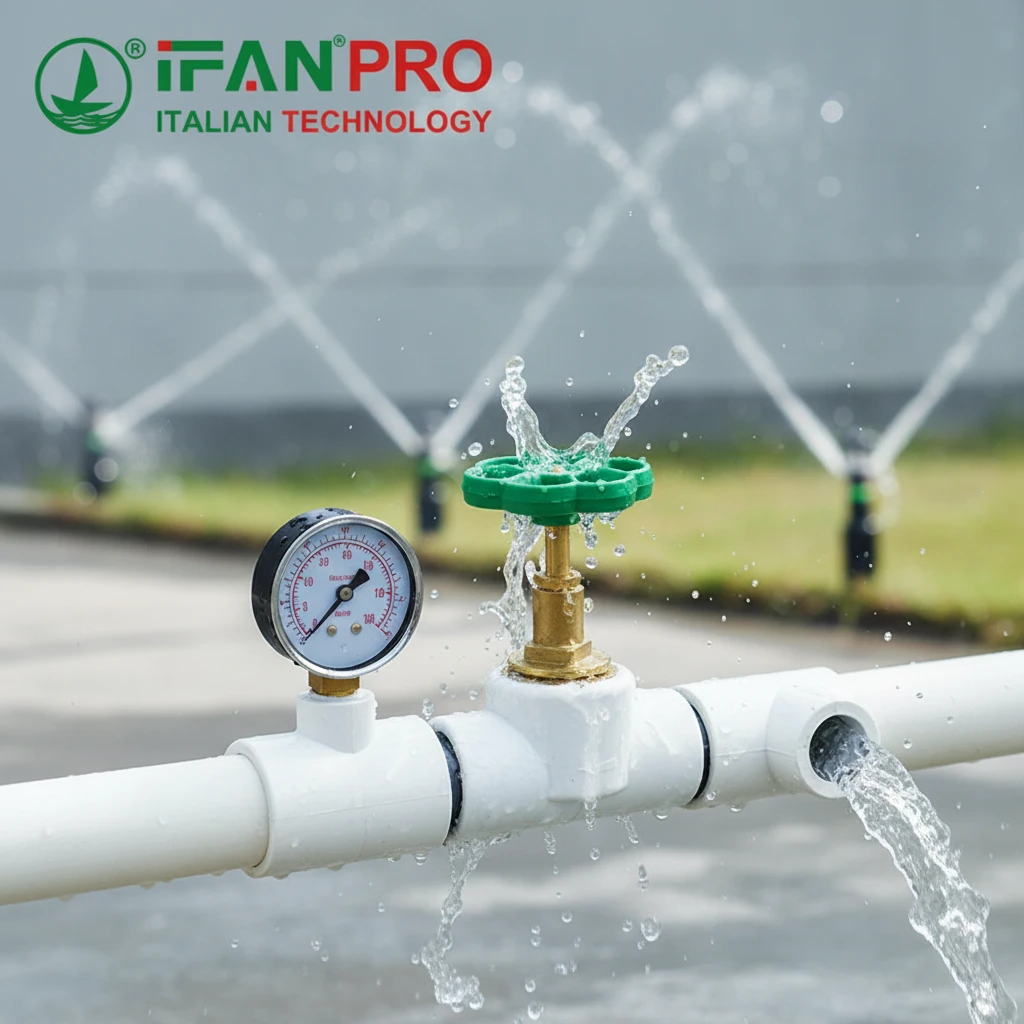
I remember a client’s irrigation system where fluctuating pressure caused sprinklers to fail. The problem traced back to poor flow control. That experience taught me the value of precision.
Yes, a PPR gate valve with precision flow control can stabilize pipeline pressure by allowing gradual, linear adjustment of the flow area. This fine‑tuning capability lets you match supply exactly to demand, eliminating pressure surges and drops. The result is a balanced, efficient water system that performs reliably under varying conditions.
Now let’s explore how this works and why it matters for your water system.
How Does the Gate’s Linear Motion Allow for Fine‑Tuned Flow Adjustment?
Many people think all valves work the same. I once saw a technician struggle with a ball valve, trying to get a precise flow. He could not understand why small handle movements caused big flow changes.
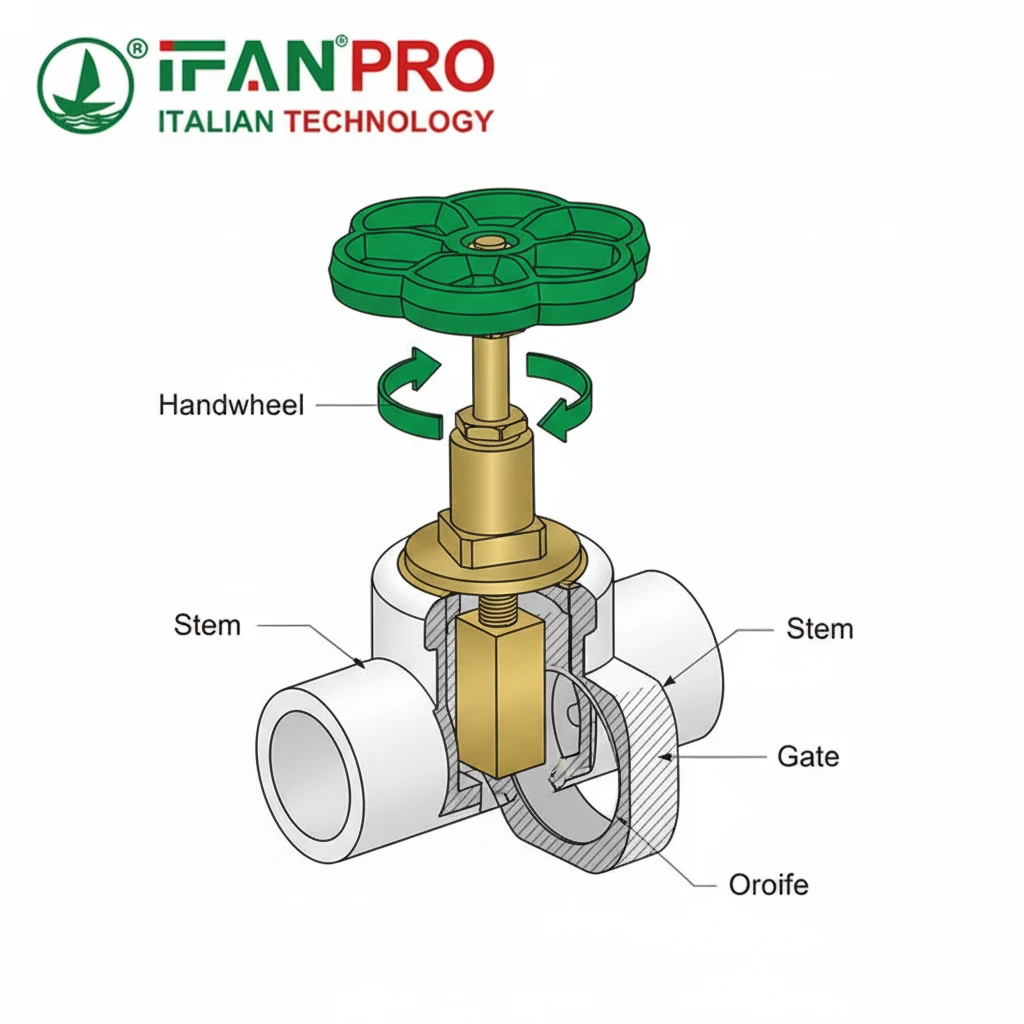
The gate’s linear motion allows fine‑tuned flow adjustment because the closure member (the gate) moves perpendicular to the flow path. As you turn the handwheel, the gate rises or lowers in a straight line, gradually opening or closing the orifice. This linear relationship between stem travel and flow area gives you smooth, incremental control rather than abrupt on‑off behavior.
Understanding Linear vs. Rotary Motion
The key to precise control lies in how the valve changes the flow opening. In a gate valve, the gate moves up and down like a window sash. Each turn of the handwheel moves the gate a fixed distance, so the change in flow area is directly proportional to the number of turns. This is known as a linear characteristic.
In contrast, a ball valve uses a rotating ball with a hole. A small rotation near the closed position can open the hole significantly, making it hard to get intermediate flows. The table below compares the two:
| Valve Type | Motion | Flow Characteristic | Precision of Adjustment |
|---|---|---|---|
| Gate Valve | Linear (gate rises/lowers) | Nearly linear (flow proportional to lift) | High – fine increments possible |
| Ball Valve | Rotary (ball turns 90°) | Quick‑opening – large flow change with small rotation | Low – mostly on/off |
| Globe Valve | Linear (disc moves toward seat) | Linear or equal percentage | High – designed for throttling |
Because the gate valve’s flow area changes steadily, you can easily set the valve to any intermediate position and maintain that setting without drift. This is essential for pressure‑sensitive zones.
Why Linearity Matters for Pressure Control
When you need to balance pressures in different branches of a building or irrigation system, you often throttle valves to create resistance. A linear‑flow valve makes this task predictable. If you need 30% of full flow, you open the valve to about 30% of its total lift. With a ball valve, you would have to guess, and a tiny turn could overshoot.
Moreover, the linear motion reduces turbulence around the gate. Turbulence causes pressure drops and noise, which can destabilize the system. A well‑designed gate valve with a smooth rising stem minimizes flow disturbance, keeping pressure stable.
What Design Features Enable Stable Flow Regulation Despite Pressure Fluctuations?
External pressure changes are common in water systems. Without the right features, a valve can become unstable and cause flow variations.
Several design features enable stable flow regulation despite pressure fluctuations: a balanced gate that minimizes hydraulic forces, precision‑guided stem alignment, and resilient seating materials that maintain a consistent seal. Together, these elements prevent the gate from shifting or vibrating when upstream pressure changes, keeping the flow steady.
Pressure Balancing Mechanisms
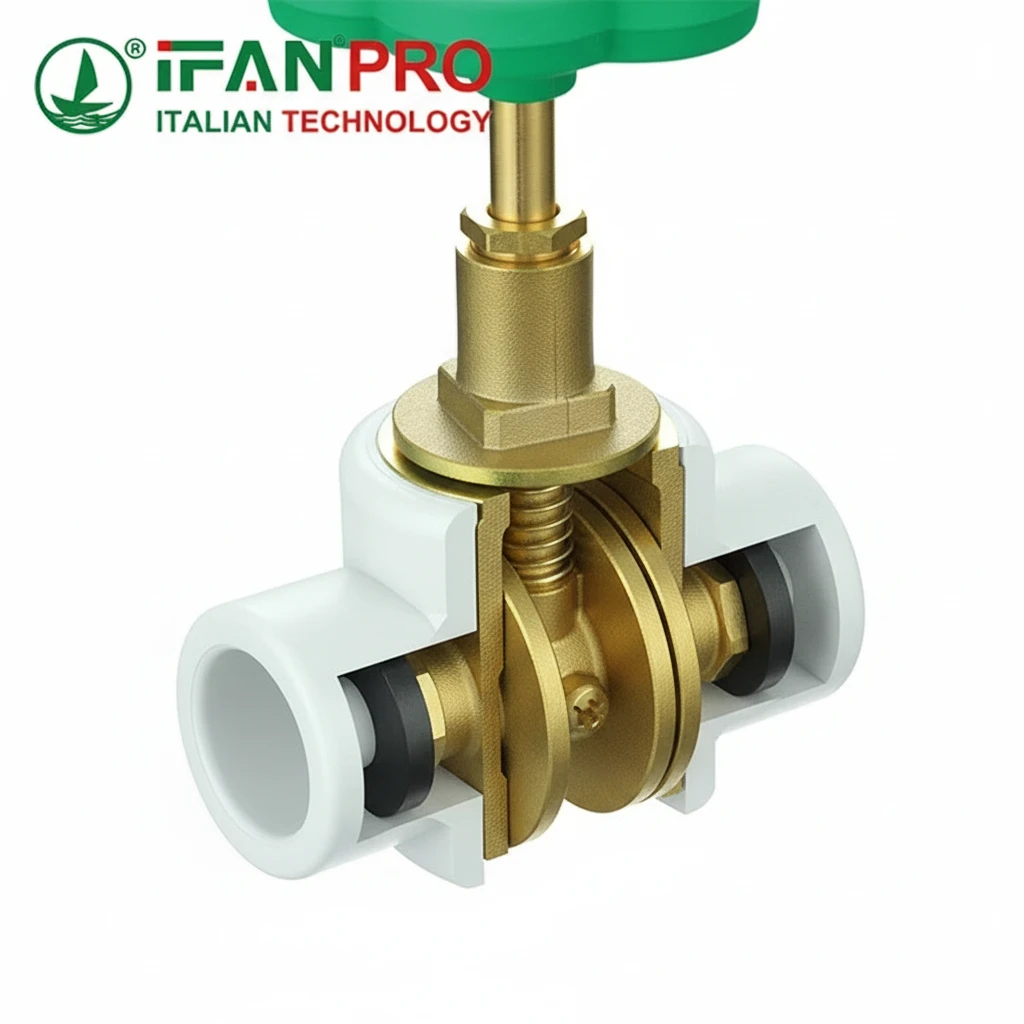
One major challenge is that the pressure on the upstream side of the gate tries to push it sideways or lift it. In an unbalanced design, this can cause the gate to move slightly, altering the flow. High‑quality gate valves incorporate pressure‑balancing holes or double‑gate designs that equalize forces on both sides of the gate. This ensures the gate stays in its set position even if the inlet pressure surges.
For example, a double‑disc gate valve uses two parallel gates that wedge apart against the seats. The fluid pressure acts on both discs equally, so the net force does not tend to open or close the valve. This makes the valve inherently stable under varying pressure.
Guided Stem and Seats
Another critical feature is the stem guidance. The stem must travel straight without wobbling. If it wobbles, the gate can scrape against the seats, causing wear and erratic flow. Precision‑machined stem guides keep everything aligned. The seats themselves are often made of EPDM or other resilient materials that can absorb minor movements without leaking.
The table below summarizes key design elements and their benefits:
| Design Feature | Function | Benefit for Pressure Stability |
|---|---|---|
| Balanced gate | Equalizes pressure forces on gate | Prevents unwanted movement during pressure changes |
| Double‑disc construction | Wedging action seats tightly | Maintains seal even with differential pressure |
| Guided stem (top & bottom) | Keeps stem perpendicular to seats | Eliminates side loads that could shift gate |
| Resilient seat material | Compensates for small misalignments | Preserves seal integrity under varying loads |
Material Choices for Thermal Stability
Temperature changes also affect pressure. Hot water expands, increasing pressure. PP‑R gate valves are made from polypropylene, which has low thermal expansion compared to metals. This means the valve body dimensions remain stable, so the internal clearances do not change much with temperature. Consequently, the flow regulation stays consistent.
How Can Precision Flow Control Reduce Energy Consumption in Pumping Systems?
Pumps often run at constant speed, but water demand varies. Without proper control, energy is wasted.
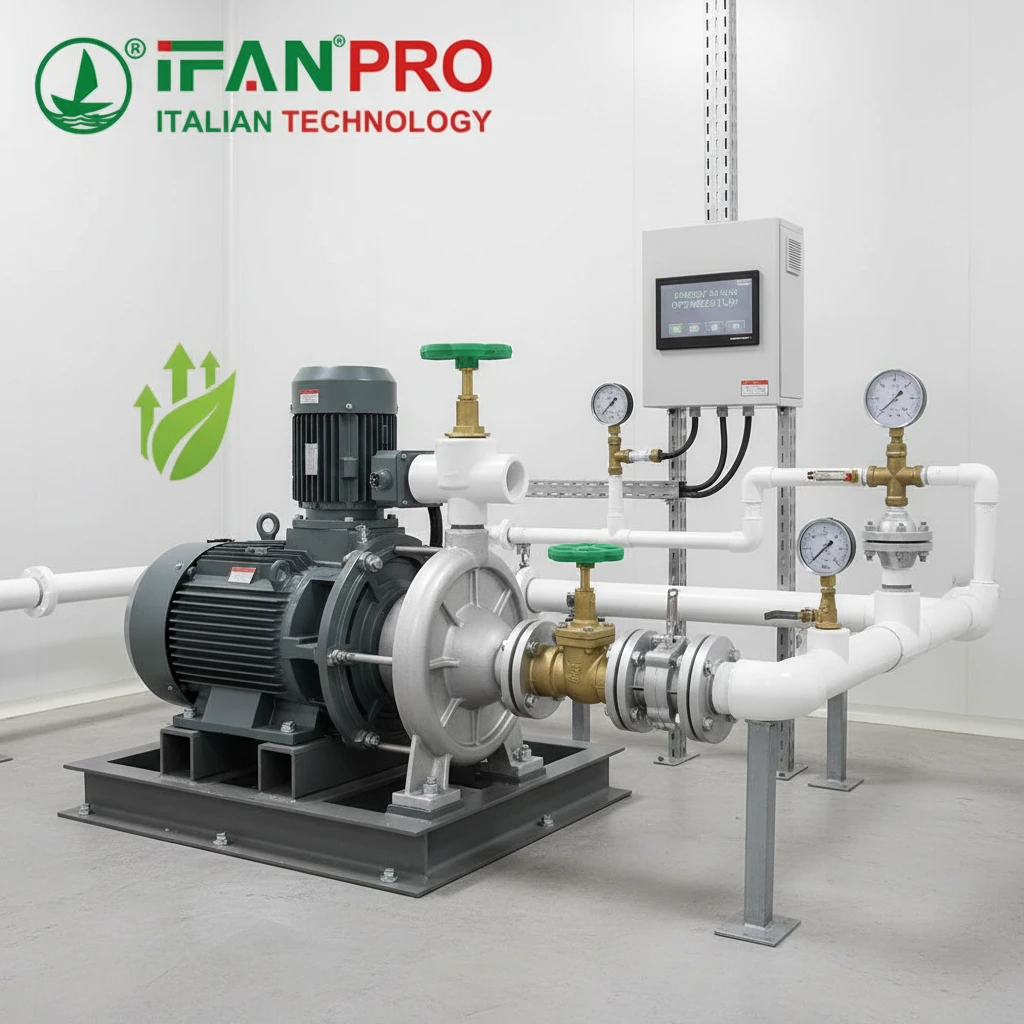
Precision flow control reduces energy consumption by matching pump output exactly to system demand. Instead of running the pump at full speed and throttling excess flow, a well‑adjusted gate valve minimizes unnecessary head loss. This allows the pump to operate near its best efficiency point, saving electricity and reducing wear.
The Relationship Between Flow, Pressure, and Power
Pump energy consumption follows the affinity laws: power is proportional to the cube of flow. Even a small reduction in flow can save significant energy. For instance, reducing flow by 10% can cut power use by about 27% if done efficiently.
However, simply closing a valve to reduce flow increases the system resistance, which actually raises the pressure the pump must overcome. This is where precision control matters. A gate valve with linear characteristics lets you adjust flow while keeping pressure losses low. The valve itself introduces a small, controlled pressure drop, but you avoid the huge losses of a partially closed ball valve that creates turbulence.
Comparison of Control Methods
There are several ways to control pump flow. The table compares common methods:
| Control Method | Eficiencia energética | Complexity | Cost |
|---|---|---|---|
| Throttling with gate valve | Moderate – efficient if valve is linear | Simple | Low |
| Throttling with ball valve | Poor – high turbulence losses | Simple | Low |
| Variable frequency drive (VFD) | Excellent – matches speed to demand | High | High |
| Bypass recirculation | Poor – wastes energy recirculating water | Moderate | Medium |
For many small to medium systems, a precision gate valve offers a good balance of cost and efficiency. It allows operators to fine‑tune flow without the expense of a VFD.
Real‑World Savings Example
Consider a commercial building with a constant‑speed pump delivering 100 GPM at 50 PSI. The system actually needs only 70 GPM most of the time. Using a ball valve to throttle the flow might raise the pump discharge pressure to 70 PSI, wasting energy. A properly adjusted gate valve would allow the pump to run at a lower system resistance, maybe 55 PSI, saving roughly 20% in pump power.
Over a year, that can amount to thousands of dollars in electricity. Moreover, the reduced pressure also lessens stress on pipes and fittings, extending system life.
What Are the Best Practices for Using Gate Valves in Pressure‑Sensitive Zones?
Pressure‑sensitive zones—like hospital water systems, laboratories, or high‑rise buildings—demand extra care. I’ve learned through mistakes that proper use is as important as the valve itself.
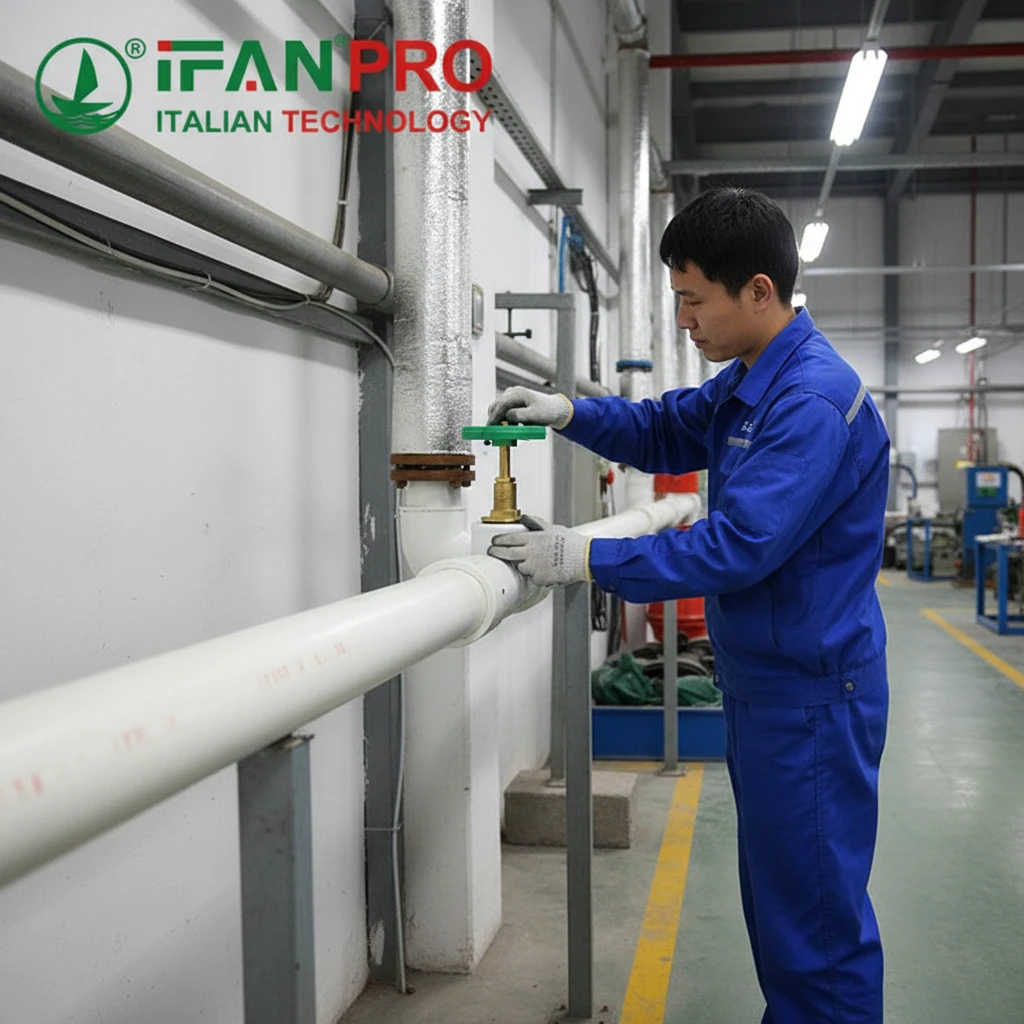
Best practices for using gate valves in pressure‑sensitive zones include: installing them with the stem upright, never using them partially open for long periods unless designed for throttling, performing regular exercise to prevent sticking, and pairing them with pressure‑relief devices to protect against thermal expansion.
Installation Orientation
Gate valves should be installed with the stem vertical or at least upright. Horizontal installation can cause the gate to sag, leading to uneven seating and possible leakage. Also, ensure sufficient clearance above the valve for stem travel. Mark the open and closed positions on the handwheel for quick reference.
Throttling Considerations
Traditional gate valves are primarily for isolation (fully open or fully closed). However, modern PPR gate valves designed for precision flow control can handle throttling duties. Still, avoid leaving them in a very low open position for extended periods, as high‑velocity flow can erode the seat and gate. Use the valve within its recommended range (typically 20% to 80% open) for continuous regulation.
Regular Maintenance and Exercising
In pressure‑sensitive zones, valves can stick if left unused for months. Periodically exercise the valve—open and close it fully—to keep the stem and gate moving freely. This also helps dislodge any debris that might have settled on the seats.
Protection Against Thermal Expansion
When a gate valve closes, it traps water in a section of pipe. If that water heats up (e.g., from sunlight or a hot water heater), it expands and can generate dangerously high pressure. Install a small expansion tank or a pressure relief valve downstream of the gate valve to prevent pipe bursts.
The table below lists common mistakes and how to avoid them:
| Common Mistake | Consequence | Best Practice |
|---|---|---|
| Using a gate valve for frequent on/off cycling | Seat wear, leakage | Use a ball valve for quick shutoff |
| Leaving valve partially open near zero | Erosion of seat and gate | Keep opening above 20% for continuous throttling |
| Installing with stem down | Debris collects in bonnet, causing jamming | Install stem up or horizontal with stem tilted up |
| Forgetting to mark position | Over‑tightening or under‑opening | Mark handwheel and rising stem for visual indication |
System Design Considerations
In pressure‑sensitive zones, consider using a combination of valves. For example, a gate valve for flow balancing and a downstream pressure‑reducing valve (PRV) for precise control. The gate valve sets the maximum flow, and the PRV handles dynamic fluctuations.
Conclusión
Precision flow control with a well‑designed PPR gate valve stabilizes pressure, saves energy, and protects your system. For reliable performance, choose IFAN’s PPR gate valves, engineered with linear motion, balanced design, and durable materials to optimize your water system effortlessly.











 Español
  English
  Français
  Русский
Comentarios recientes