
I once watched a promising engineering project stall because a supplier’s 4-way crosses arrived with wrong dimensions. That costly mistake taught me why choosing the right partner matters more than the lowest price.
Finding reliable suppliers for 4-way crosses requires more than a quick Alibaba search. You need partners who excel in quality control, offer factory-direct pricing, provide real after-sales support, and deliver on time. This guide walks you through evaluating suppliers for these critical components used in complex piping systems.
International buyers face unique challenges when sourcing from China. Let me share practical insights based on IFAN’s years of experience serving clients worldwide.
Quality Control and Logistics Challenges in International Engineering Procurement

Nothing damages a project timeline like substandard fittings. I’ve seen shipments rejected at ports because dimensions deviated by just millimeters.
Quality control and logistics present the biggest hurdles because 4-way crosses require precise dimensional tolerances for proper installation. Without rigorous inspection at the factory, defects go unnoticed until arrival. Similarly, poor logistics planning causes delays that halt construction and strain buyer-supplier relationships.

The Real Cost of Poor Quality Control
When a 4-way cross fails quality checks, the consequences ripple through your entire project. Consider what happens when tolerances are off:
First, installation becomes impossible or leads to leaks. Workers on site waste hours trying to force fittings into place. They may need to cut pipes differently or order replacement parts. This delays the entire schedule.
Second, reputational damage follows. If you supply these fittings to manufacturers, their production stops because of your parts. They remember this failure for future contracts. One bad batch can cost you years of trust.
Third, financial losses add up quickly. You pay for:
- Return shipping of defective goods
- Replacement production and expedited shipping
- Additional labor hours at the job site
- Potential penalties for project delays
Common Quality Issues with 4-Way Crosses
Through IFAN’s experience auditing factories, we’ve identified recurring problems:
| Quality Issue | Cause | Detection Method |
|---|---|---|
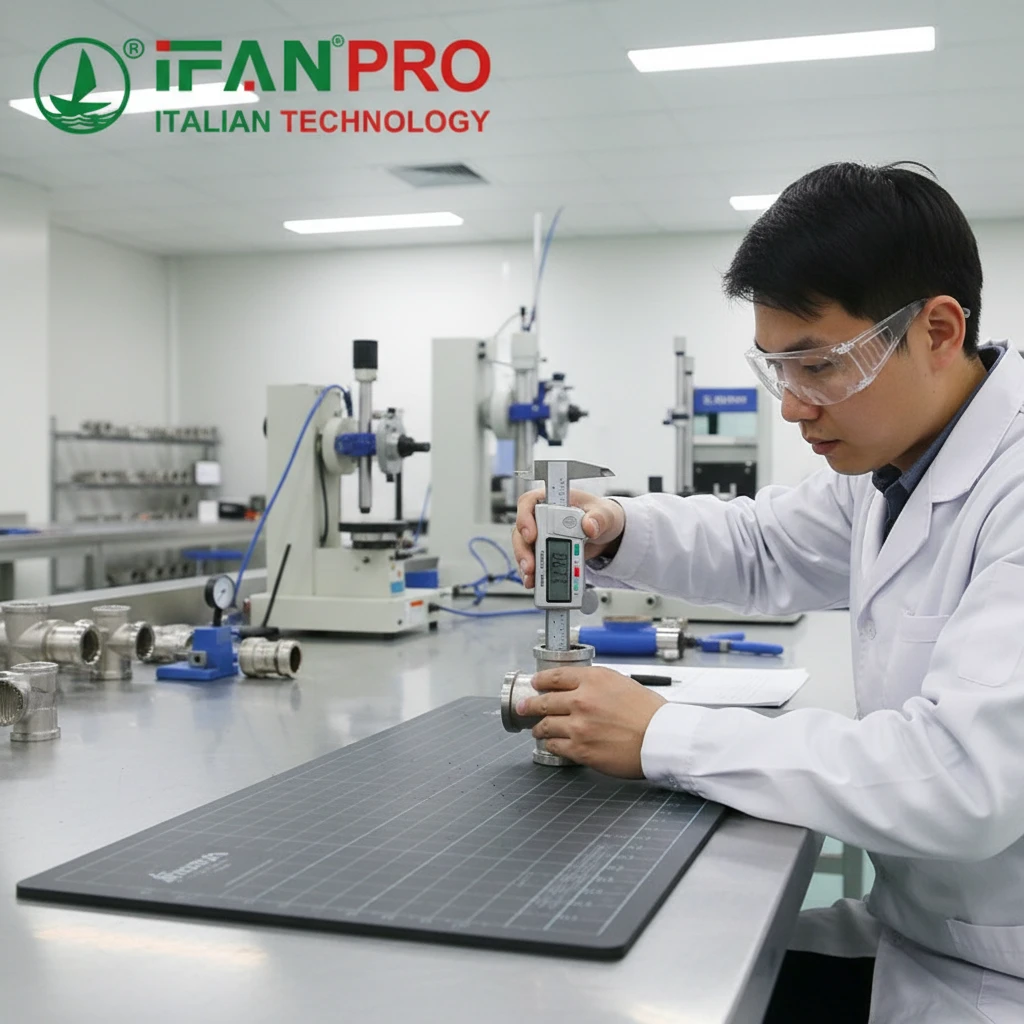
| Incorrect branch alignment | Poor mold maintenance or machine calibration | Dimensional inspection with calipers |
| Wall thickness variation | Inconsistent extrusion pressure | Ultrasonic thickness testing |
| Surface cracks or voids | Low-quality raw materials or improper cooling | Visual inspection under good lighting |
| Thread damage (if applicable) | Rough handling during packaging | Thread gauge testing |
Logistics challenges extend beyond just shipping. International procurement involves multiple handoffs:
Factory to port: The supplier must pack goods properly for ocean freight. Poor packing leads to damage during transit. Containers may sit at the factory for days waiting for truck availability.
Port to vessel: Customs clearance at departure can delay shipments if documentation has errors. A single incorrect HS code causes holds and inspection delays.
Ocean transit: Weather, port congestion, and vessel schedules introduce unpredictability. Even with accurate ETAs, delays happen.
Destination clearance: Import regulations vary by country. Missing certificates or incorrect labeling stops shipments at arrival.
The table below shows common logistics issues we help clients avoid:
| Logistics Problem | Root Cause | Prevention Strategy |
|---|---|---|
| Shipment delay | Late factory completion | Daily production tracking with weekly reports |
| Document errors | Miscommunication of requirements | Pre-shipment document review by dedicated coordinator |
| Damage in transit | Poor packaging | Packing inspection before container loading |
| Customs holds | Missing certifications | Pre-check import requirements and provide full documentation |
Practical tip: Work with suppliers who assign a dedicated logistics coordinator to your account. This person ensures all paperwork matches and tracks the shipment from factory door to your warehouse.
Factory-Direct Advantages: Competitive Pricing and Ample Production Capacity
Middlemen add cost without adding value. I’ve helped clients cut their procurement expenses by 20-30% simply by connecting them directly with qualified manufacturers.
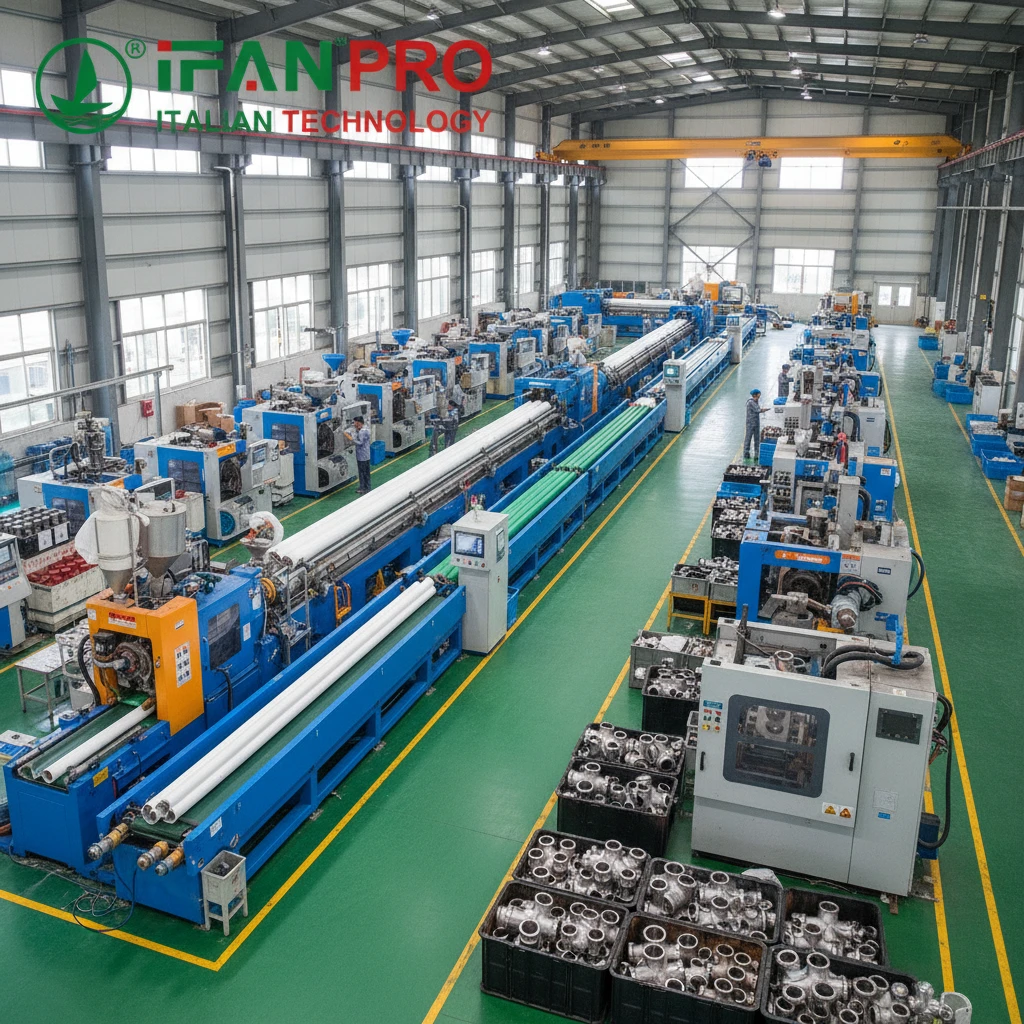
Factory-direct sourcing eliminates broker markups and gives you access to genuine production capacity. When you work directly with the factory, you negotiate prices based on actual manufacturing costs. You also gain visibility into production schedules, allowing better planning for large-volume orders.
Understanding the True Cost of Intermediaries
Many suppliers on global marketplaces are trading companies, not manufacturers. They present themselves as factories but actually purchase from multiple producers and add their margin.
Here’s how the cost builds up:
A factory produces a 4-way cross for $1.00. They sell to a trading company at $1.20. The trading company lists it online for $1.80. You negotiate down to $1.60, thinking you got a deal. Meanwhile, the factory’s direct price would have been $1.30 with proper quality oversight.
Beyond pricing, intermediaries create other problems:
- Communication delays: Your message passes through the trader before reaching the factory
- Quality ambiguity: You don’t know which factory actually made your products
- Limited customization: Traders push standard items rather than facilitating custom orders
The Security of Ample Production Capacity
When you find a reliable factory with genuine capacity, you gain supply chain security. Here’s why capacity matters:
Peak season reliability: During construction booms, demand for fittings spikes. Factories with excess capacity can still deliver on time. Those running at 100% capacity will delay your orders for higher-volume clients.
Emergency production: When you need to reorder quickly due to project changes, a factory with available capacity can adjust schedules. Stretched factories cannot accommodate rush orders.
Quality consistency: Rushed production at overbooked factories leads to quality shortcuts. Machines run faster, cooling times shorten, and inspection becomes cursory.
What to Look for in Factory Capacity Evaluations
When assessing a potential supplier, ask these questions:
- How many production lines do you operate? This indicates total capacity.
- What is your current utilization rate? Factories at 70-80% capacity have room for your orders.
- What is your monthly output of 4-way crosses specifically? General numbers hide product-specific constraints.
- Do you run 24-hour shifts? Multiple shifts indicate higher capacity.
- What is your raw material inventory? Factories stocking materials can start production immediately.
The comparison below shows the difference between working with intermediaries versus factory-direct:
| Factor | Trading Company | Factory-Direct (IFAN Model) |
|---|---|---|
| Price | Includes 20-40% markup | Based on actual production cost |
| Quality Control | Relies on factory reports | Direct oversight and inspection |
| Настройка | Limited to stock items | Flexible based on capabilities |
| Production Visibility | None | Regular updates and visits possible |
| Problem Resolution | Communication delays | Direct access to decision-makers |
Working factory-direct requires more upfront work to verify partners. However, the long-term benefits far outweigh the initial effort.
Comprehensive After-Sales Support: 24/7 Tech Help and Global Shipping Services
The relationship doesn’t end when goods leave the factory. I’ve seen projects saved by quick technical support during installation crises.
Comprehensive after-sales support means having access to technical expertise when problems arise during installation. It also includes reliable global shipping services that handle documentation, customs coordination, and door-to-door delivery. This support transforms a simple supplier into a true business partner.
Beyond the Shipment: The Value of Technical Support
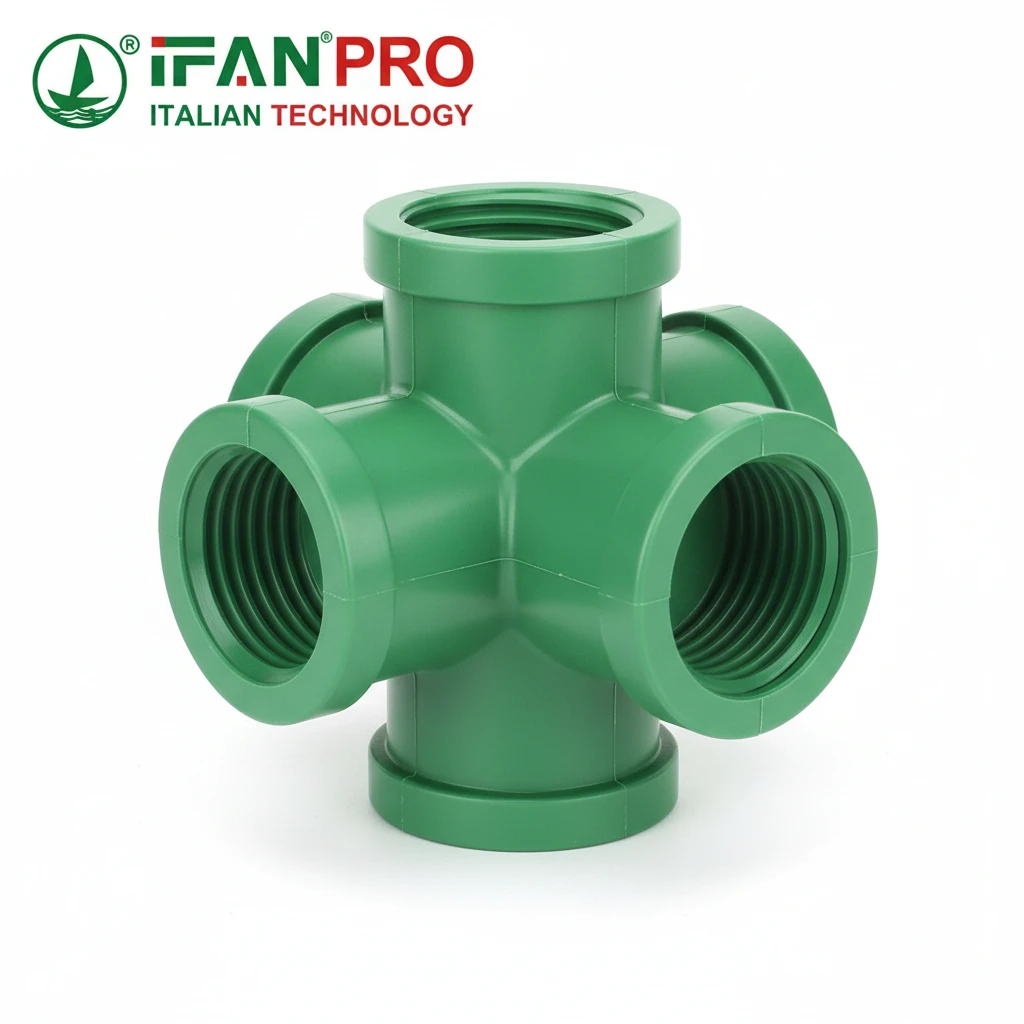
Four-way crosses present installation challenges that standard fittings don’t. With four connection points, alignment issues compound quickly. When installers struggle, they need answers immediately.
Quality suppliers provide:
Installation guidance: Clear instructions for proper fusion welding or threading techniques specific to 4-way crosses. This includes recommended temperatures, cooling times, and pressure testing procedures.
Troubleshooting assistance: When problems occur, technical staff help identify root causes. Is the issue with the fitting, the installation method, or the system design? Quick diagnosis prevents unnecessary replacements.
Material compatibility advice: Different fluids require different material grades. Technical support helps select the right product for your specific application.
Real-World Support Scenarios
Consider these situations where after-sales support saved projects:
A Middle Eastern client received a shipment of 4-way crosses but found the socket depths slightly different from their usual supplier. Their installer refused to proceed, claiming defective products. Within hours, IFAN’s technical team video-called the site, reviewed the measurements, and confirmed the fittings met international standards. They provided modified installation instructions that worked perfectly.
A European manufacturer needed certification documents urgently for a government inspection. Their supplier couldn’t provide them quickly. With IFAN’s 24/7 support, they received digital copies within two hours, passing the inspection without delays.
Global Shipping Services That Work
International shipping involves complexity that many suppliers ignore. Reliable partners offer:
| Service Component | What It Means | Why It Matters |
|---|---|---|
| Documentation preparation | Commercial invoices, packing lists, certificates of origin | Prevents customs holds and clearance delays |
| Insurance coordination | Coverage for loss or damage during transit | Protects your investment |
| Multi-modal coordination | Truck, rail, ocean, and air combinations | Optimizes cost and transit time |
| Tracking updates | Regular status reports from departure to arrival | Enables project planning |
| Door delivery | Final mile delivery to your warehouse | Simplifies receiving |
What 24/7 Support Actually Delivers
Time zone differences make standard business hours inadequate for global trade. When your project site in Russia faces a problem, it might be midnight in China. Twenty-four-seven support means:
- Immediate response to urgent queries
- Continuous monitoring of shipments in transit
- Overnight document preparation for next-day customs clearance
- Weekend support for projects working through holidays
The table below outlines IFAN’s support response standards:
| Support Type | Response Time | Resolution Goal |
|---|---|---|
| Technical questions | Within 2 hours | Same-day solution |
| Shipping inquiries | Within 4 hours | Updated tracking information |
| Quality concerns | Within 24 hours | Inspection or replacement plan |
| Documentation requests | Within 1 hour | Digital copies provided |
This level of support costs nothing extra but delivers immense value. When evaluating suppliers, ask specific questions about their after-sales process. Vague promises of “good service” mean little. Concrete response time commitments mean everything.
Start Your Worry-Free Sourcing: Requesting Free 407 Series Samples Today
Every successful partnership starts with a small step. I encourage all potential clients to test our products before committing to large orders.
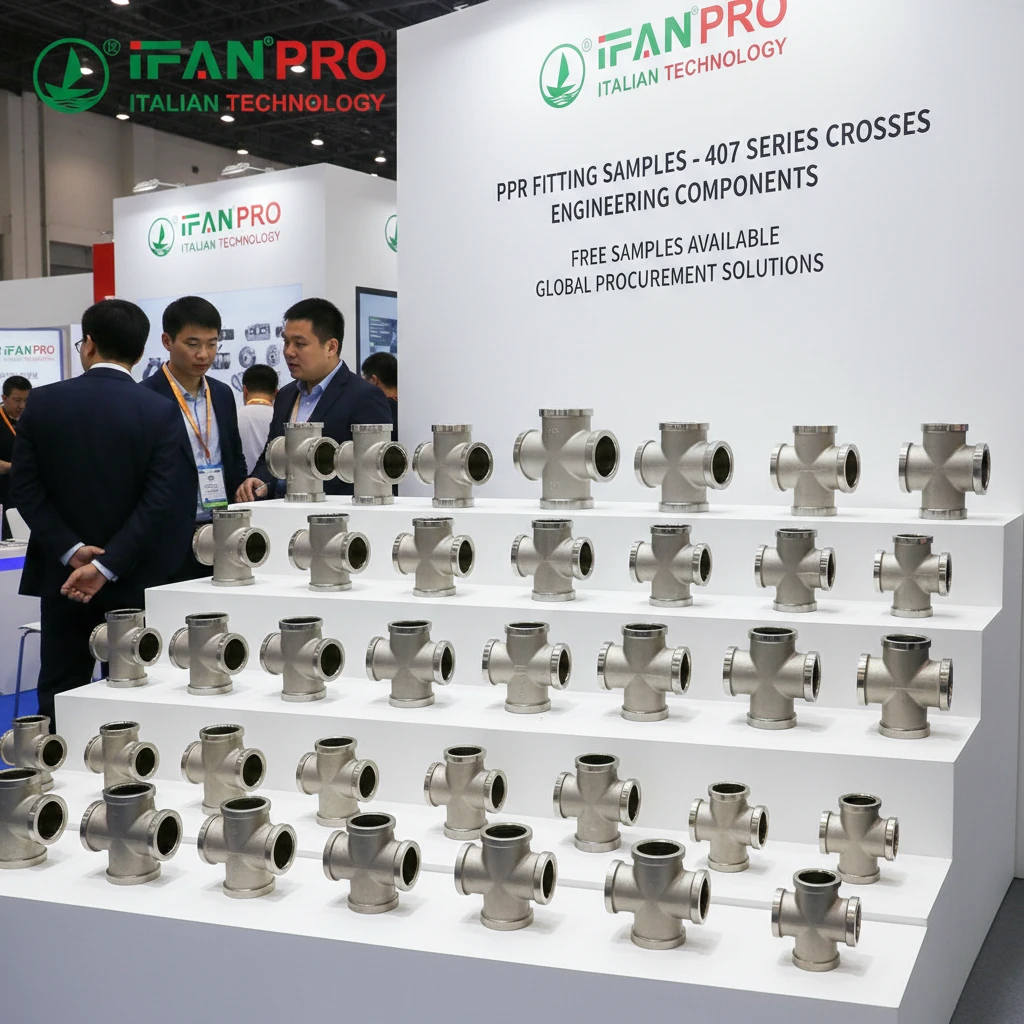
Requesting free samples of our 407 Series 4-way crosses lets you verify quality firsthand. You can inspect dimensions, test installation, and confirm material specifications before placing production orders. This risk-free approach ensures our products meet your exact requirements from the very first shipment.
Why Start with Samples?
Experienced procurement professionals never skip the sample stage. Here’s why samples matter:
Verify dimensional accuracy: However detailed your specifications, seeing the actual product confirms everything. Measure branch alignment, socket depths, and wall thickness. Confirm they match your requirements.
Test installation: Install the sample in your actual working conditions. Use your standard tools and procedures. This reveals any compatibility issues before you have thousands of units in hand.
Assess material quality: Visual inspection and simple tests reveal material quality. Look for consistent color, smooth surfaces, and proper labeling. Compare with samples from other suppliers.
Evaluate packaging: Samples show how the supplier packs products. Good packaging prevents damage. Poor packaging indicates future problems.
The 407 Series Advantage
IFAN’s 407 Series 4-way crosses incorporate decades of manufacturing experience. Here’s what you receive with samples:
| Feature | Benefit |
|---|---|
| Precision-machined connections | Perfect alignment for all four branches |
| Virgin PPR material | No recycled content, consistent performance |
| Full dimensional inspection | Certified measurements with each sample |
| Multiple size options | Available in diameters from 20mm to 110mm |
| International certifications | ISO, CE, and GOST-R compliance |
Simple Sample Request Process
Requesting samples should not require endless paperwork. Our process is straightforward:
- Contact our team with your requirements, including sizes and quantities needed
- Provide shipping details for sample delivery
- Receive samples within 7-10 days by international courier
- Test thoroughly in your own facilities
- Provide feedback and discuss production orders
What to Test When Samples Arrive
Make the most of your samples with this checklist:
Dimensional inspection: Measure all critical dimensions against your specifications. Record any variations.
Visual inspection: Examine surfaces for defects, color consistency, and labeling accuracy.
Installation test: Install the fitting using your standard procedures. Note any difficulties or differences from usual products.
Pressure test: If possible, test the installed sample at operating pressure. Verify no leaks occur.
Compare with alternatives: If you requested samples from multiple suppliers, compare them side-by-side.
Moving from Samples to Production
Once samples meet your requirements, the path to production is clear:
- Confirm order quantities and delivery timeline
- Finalize pricing based on volume
- Schedule production with regular quality updates
- Arrange pre-shipment inspection
- Coordinate shipping and documentation
The sample stage protects both parties. You confirm the product meets needs. We confirm we can deliver to your standards. This mutual verification builds trust from the start.
Заключение
Reliable 4-way cross sourcing requires attention to quality control, factory-direct relationships, and strong after-sales support. For certified products and professional service, request IFAN’s 407 Series samples today and experience worry-free procurement.







 Русский
  English
  Français
  Español
Последние комментарии