

EN 10204 3.1 describes an inspection document tied to the supplied batch, with a manufacturer inspector independent of production signing it. For a plastic-pipe purchase, agree the product, tests, traceability and acceptance plan before treating that document label as an order requirement. A certificate heading alone cannot settle those questions.
TÜV NORD’s public explanation presents the standard in the context of metallic products. It is useful for understanding the document types. It does not establish a universal permission or prohibition for plastic pipe, or promise that a particular supplier can issue the document your contract requests.
A certificate number does not define the tests
Start with the acceptance problem. A project buyer may ask for “3.1” because they need evidence for the delivered material, while the supplier hears only a file-format request. Both can approve the same heading and still disagree about what the pipe must pass. Record the test method and pass criteria separately from the document type.
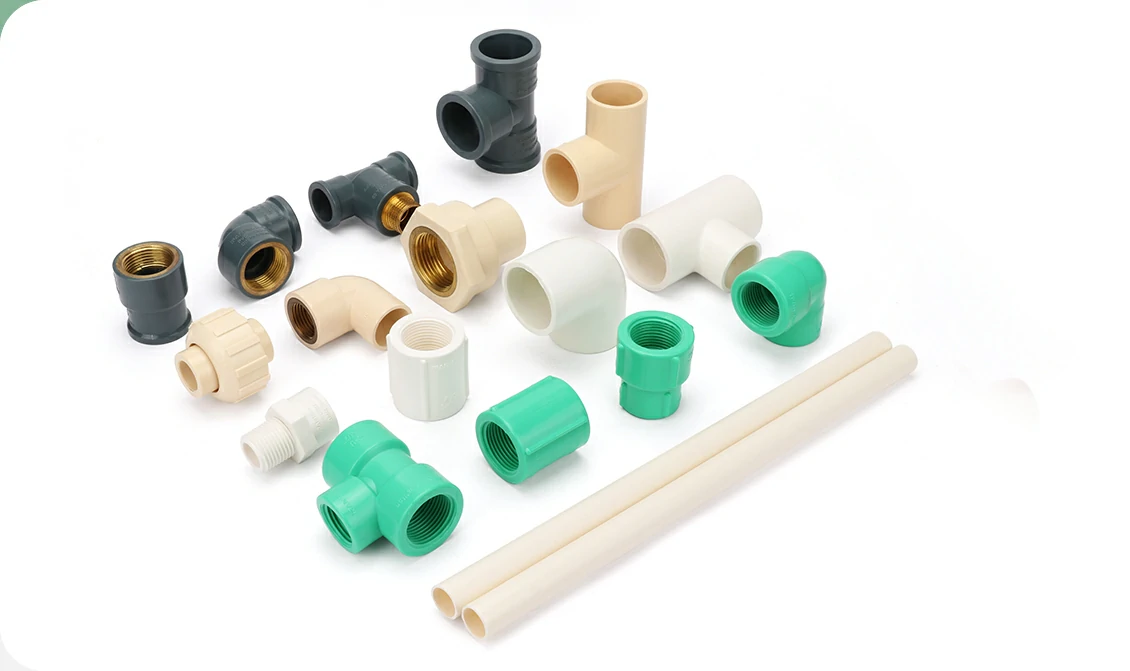
Keep the product specification beside the inspection plan. Name the material, model, pipe dimensions, service and destination market. Ask the buyer which specification and edition control acceptance. Ask the supplier which exact product that requirement covers. This separates the thing being purchased from the evidence used to accept it. For PVC items, identify the model in the PVC pipe and fittings range before sending the evidence request.
Failure point: an attractive certificate carries results for another product or lot. The report may be readable and signed, yet fail the buyer’s batch-evidence requirement. The check is the link between the supplied goods and the reported results. A logo cannot make that link.
Separate the sale from the inspection decision. Paying for a document does not tell the buyer which batch it covers or which tests it records. In an illustrative RFQ, a supplier offers a certificate as an extra charge. Ask what that charge includes: testing, report preparation, a witness visit or only a copy of an existing file. Those are different services.
Also state who can approve the evidence. The purchasing contact may collect files while the project inspector decides acceptance. Ask the buyer to name that approval role and the point at which it will review the proposed plan. A commercial email saying “certificate included” should not close a technical requirement that the named reviewer has not accepted.
Read the four document types by inspection basis
TÜV NORD distinguishes a declaration without results from non-specific testing, then specific inspection and added external validation. The table below paraphrases that public summary. It is not the full standard text or an acceptance ruling for a plastic-pipe contract.
A 2.2 report can contain real measurements without describing the lot you receive. A 3.1 label points to a different evidence basis: results for the supplied batch and the stated signing role. Ask who signs and how that person is independent of production. Do not read “independent” as proof that an outside inspection company signed.
For 3.2, the cited summary describes an external party’s additional check and signature. That distinction matters when a buyer expects outside involvement. Agree the party and scope early; a later signature request may need more than a clerical edit.
| Type | Inspection basis in the TÜV NORD summary | What to check |
|---|---|---|
| Type 2.1 | Manufacturer declaration that supply matches the order | No test results included |
| Type 2.2 | Report with non-specific test results | Results do not identify the supplied batch |
| Type 3.1 | Specific results for the supplied batch | Manufacturer inspector independent of production signs |
| Type 3.2 | Specific results with added outside validation | Independent external party also checks and signs |
Procurement teams: use the PVC range to identify the product model before agreeing its inspection documents.
Check the signing role, not the stamp
A supplier’s company stamp identifies the issuer; it does not answer the signing-role question in the cited summary. Request the signer’s role and the basis for their independence from production. If the buyer expects an external inspector, name that expectation separately. Do not infer it from a second logo or from a signature that nobody has identified.
Consider a split order. One purchase order may cover pipe and metal fittings from separate makers. Ask which item each inspection document covers and which maker issued it. A fitting’s material certificate does not describe the pipe merely because both items share a shipment. Keep each evidence requirement attached to its own order line.
Agree the evidence for the named plastic pipe
Write an inspection test plan: a record of which checks the parties will require, who will witness or review them, and what will release the order. The following fields are buyer-side requests for agreement. They are not documents that IFANPro promises to supply.
Ask for a specimen report with sensitive commercial details removed, if the supplier can provide one. Compare its fields with the contract before discussing the final shipment. A blank template shows the format, not a successful test. A completed report for another batch shows a past record, not proof for the goods on order.
Keep the identity chain explicit. Request the model or item code, production batch, quantity covered and report reference. Decide how markings and packing records will link to that batch. If stock from separate lots will fill one order, ask how the evidence will cover each lot. A single certificate filename should not hide that split.
For each proposed test, ask for the method, sampling basis, result units and acceptance limit. Also ask which checks concern raw material and which concern finished pipe. A resin record and a finished-product result answer different questions. Neither should silently replace the other.
When selecting from IFANPro’s product catalogue, carry the exact model into this plan. The separate plastic-pipe fire-classification guide addresses a different evidence question; it does not settle the signing or batch basis here.
If only part of a tested lot ships, ask how dispatch records identify the portion supplied. Keep the remaining-stock record separate from the buyer’s shipment evidence.
Write sampling and acceptance as separate fields
“Batch tested” still leaves a question: how will the parties choose the pieces to test? Ask the supplier to propose the sampling basis and let the buyer accept it before production. Record the lot covered, selection point and number of samples as agreed variables. This guide sets no universal sample count or pass limit for plastic pipe.
Write the decision for an out-of-limit result before it occurs. Ask whether the buyer will require more testing, rejection of the affected lot or another agreed action, and who authorizes release. Record how any retest will appear in the final report. A report showing only a passing retest leaves the reviewer unable to see how the parties handled the original result.
Resolve a requested 3.1 document before manufacture
If the purchase order already calls for 3.1, send the clause to the supplier and the buyer’s approval contact. Ask each to confirm the intended scope in writing. Do not rename a generic quality report and hope the receiving inspector accepts it. Do not substitute a product standard or a management-system certificate without the buyer’s written agreement.
A useful request reads: “For the named pipe model and supplied batches, confirm the inspection-document requirement, tests, acceptance criteria and signatory role. Identify any requirement you cannot meet before order approval.” This surfaces a mismatch while the parties can still change the sourcing decision.
Ask for a lead-time breakdown covering manufacture, testing, report preparation, any witness appointment and buyer review. Request the release date after document approval, not just the date the pipe leaves the line. If testing or outside inspection adds cost, ask the quotation to show that item separately. No fixed price or delivery time is established here.
Consider an illustrative failure: the goods are ready but the buyer rejects a report because it covers general production rather than the shipment. Repeating a test might be possible, but the parties must decide whether that would meet the contract and how it affects release. Resolving the evidence basis before manufacture avoids making that decision under a shipping deadline.
Give document review its own release point
For an illustrative stock purchase, the seller proposes available pipe from an existing lot. Ask whether its current report identifies that lot and whether the buyer accepts that testing basis. If the order instead needs fresh tests or a witness, request a revised inspection plan and delivery proposal. Do not assume a document can be reconstructed after packing.
Define the handoff for release: which files the buyer receives, which batch references the packing list carries, and who confirms acceptance before dispatch. Ask the supplier to flag missing fields rather than fill them with a generic statement. If the buyer changes the required tests after approval, have both parties review cost and timing again before accepting the changed order.
Заключение
A buyer who requires results for the shipped batch can reject a report for general production, even if the file bears a 3.1 heading and the goods are ready. Before order approval, settle the product identity, test plan and signing role in writing, then check how the supplier will tie that evidence to each supplied lot. If any part remains unresolved, hold document acceptance open and ask the buyer to approve the proposed evidence before it becomes a shipment-release problem.
ЧАСТО ЗАДАВАЕМЫЕ ВОПРОСЫ
Does EN 10204 3.1 define plastic-pipe test limits?
No test limits for a named plastic pipe follow from the document label alone. Agree the governing product specification, methods and acceptance limits with the buyer and supplier.
Is a 3.1 certificate the same as third-party inspection?
Not in TÜV NORD’s public summary. It describes a manufacturer inspector independent of production for 3.1, and added external checking and signing for 3.2. Confirm the role your contract requires.
Can a resin report prove the finished pipe passed?
A resin report addresses the stated material record. Ask separately which finished-pipe results the buyer requires and how those results link to the supplied batch.
Can another certificate replace a requested 3.1 document?
Do not assume equivalence. Ask the buyer’s approval contact to accept any proposed alternative in writing and specify what evidence it must contain.





 Русский
  English
  Français
  Español
Последние комментарии