
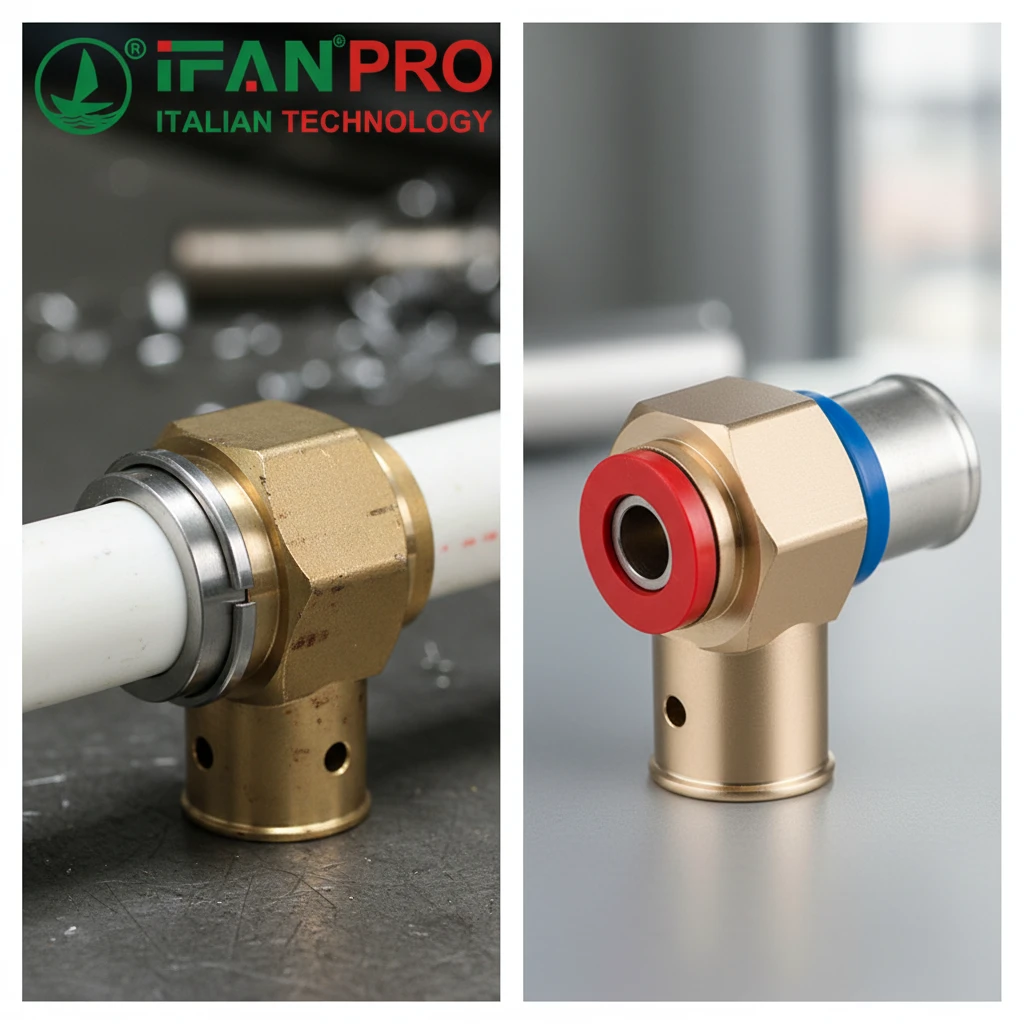
I remember visiting a trade show in Milan years ago and seeing plumbing fittings that felt more like precision instruments than simple connectors. That experience opened my eyes to how much design philosophy matters in our industry.
Italian technology is shaping the future of PEX plumbing fittings by bringing precision engineering, material science innovation, and elegant design to products that prioritize both performance and ease of use. This approach has influenced global standards, pushing manufacturers to create fittings that are more reliable, easier to install, and built to last in demanding conditions.
The influence runs deeper than just aesthetics. Let’s explore how this engineering philosophy manifests in products like the IFANPRO series and what it means for your plumbing systems.
The Engineering Behind the IFANPRO 121UC Union
I’ve handled countless union fittings over the years, but the first time I tested the IFANPRO 121UC, I noticed something different about its feel and precision.
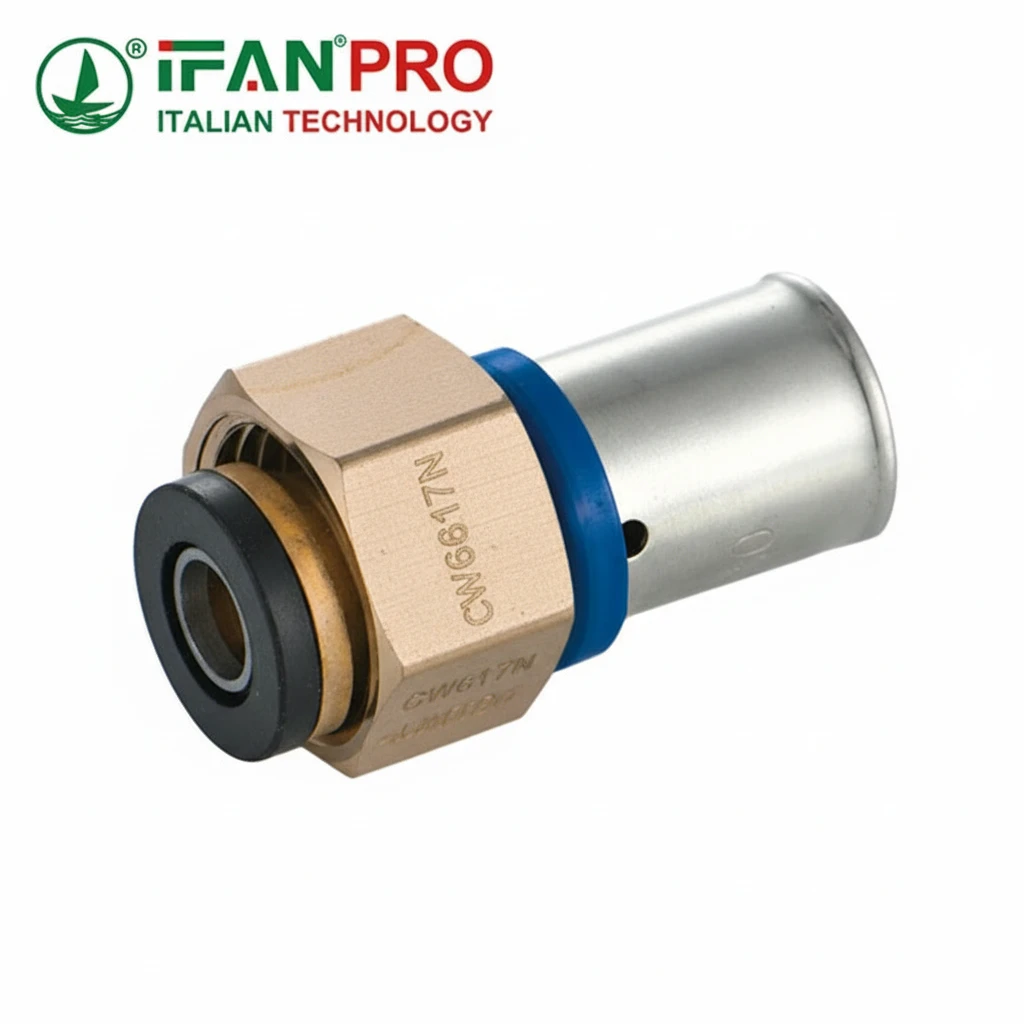
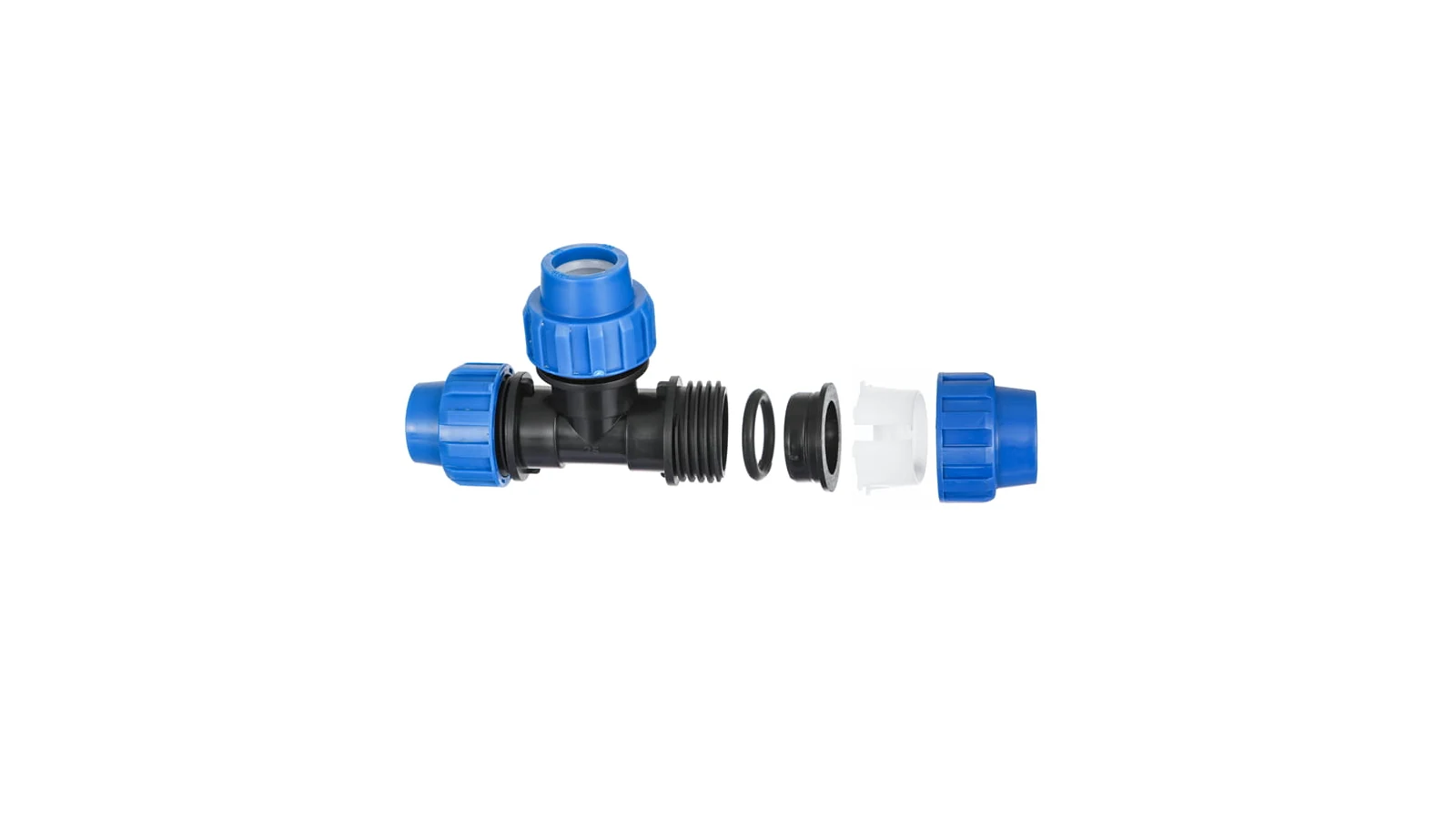
The IFANPRO 121UC union embodies Italian-inspired engineering through its precision-machined brass components, optimized O-ring groove design, and dual-sealing technology. These features work together to create a fitting that maintains its seal integrity under thermal expansion and contraction while remaining easy to disconnect for maintenance.
Precision Manufacturing Standards
The heart of the 121UC lies in how it’s made. Italian engineering philosophy emphasizes tight tolerances and quality control at every step. For the 121UC, this means:
1. Machined Brass Components: Instead of using stamped or cast parts with rough surfaces, the 121UC uses precision-machined brass. This process creates perfectly smooth sealing surfaces. The threads are cut, not formed, which means they engage smoothly and consistently every time.
2. Optimized O-Ring Groove Design: The groove that holds the O-ring isn’t just a simple cut. Engineers designed it with specific depth and width ratios. This ensures the O-ring compresses just enough to seal without deforming permanently. When you tighten the union, you can feel when it’s properly seated.
3. Dual-Sealing Technology: The 121UC doesn’t rely on a single seal. It uses a primary O-ring for the main seal and a secondary backup seal. This redundancy matters most during temperature fluctuations. As pipes expand and contract, one seal might shift slightly, but the other maintains contact.
Material Selection Philosophy
Italian influence also shows in material choices. The 121UC uses:
- CW617N Brass: This is a European standard brass alloy with excellent corrosion resistance and machinability. It contains no lead, making it safe for drinking water.
- EPDM O-Rings: These are peroxide-cured EPDM, which lasts longer than sulfur-cured alternatives. They resist hot water degradation and maintain elasticity for decades.
- Nickel Plating (Optional): Some versions feature nickel plating for added corrosion protection in aggressive environments.
The table below shows how these material choices compare to standard fittings:
| Component | IFANPRO 121UC | Standard Fitting | Benefit |
|---|---|---|---|
| Brass Body | CW617N European alloy | Generic brass alloy | Better corrosion resistance, no lead |
| O-Ring Material | Peroxide-cured EPDM | Sulfur-cured EPDM or NBR | Longer life, better heat resistance |
| Surface Finish | Precision machined | As-cast or stamped | Smoother sealing, less wear |
| Thread Quality | Cut threads | Rolled or formed threads | Better engagement, less galling |
Practical Implications
For the installer, this engineering means fewer callbacks. The fitting seals correctly the first time. It doesn’t develop slow leaks after a year of thermal cycling. When you need to disconnect it for maintenance, the threads haven’t seized, and the O-ring hasn’t welded itself to the seat. This is maintenance-friendly design in action.
The Industry Shift Towards Maintenance-Friendly Plumbing
Contractors used to accept that plumbing systems would eventually need major repairs. Italian design thinking challenges this assumption.
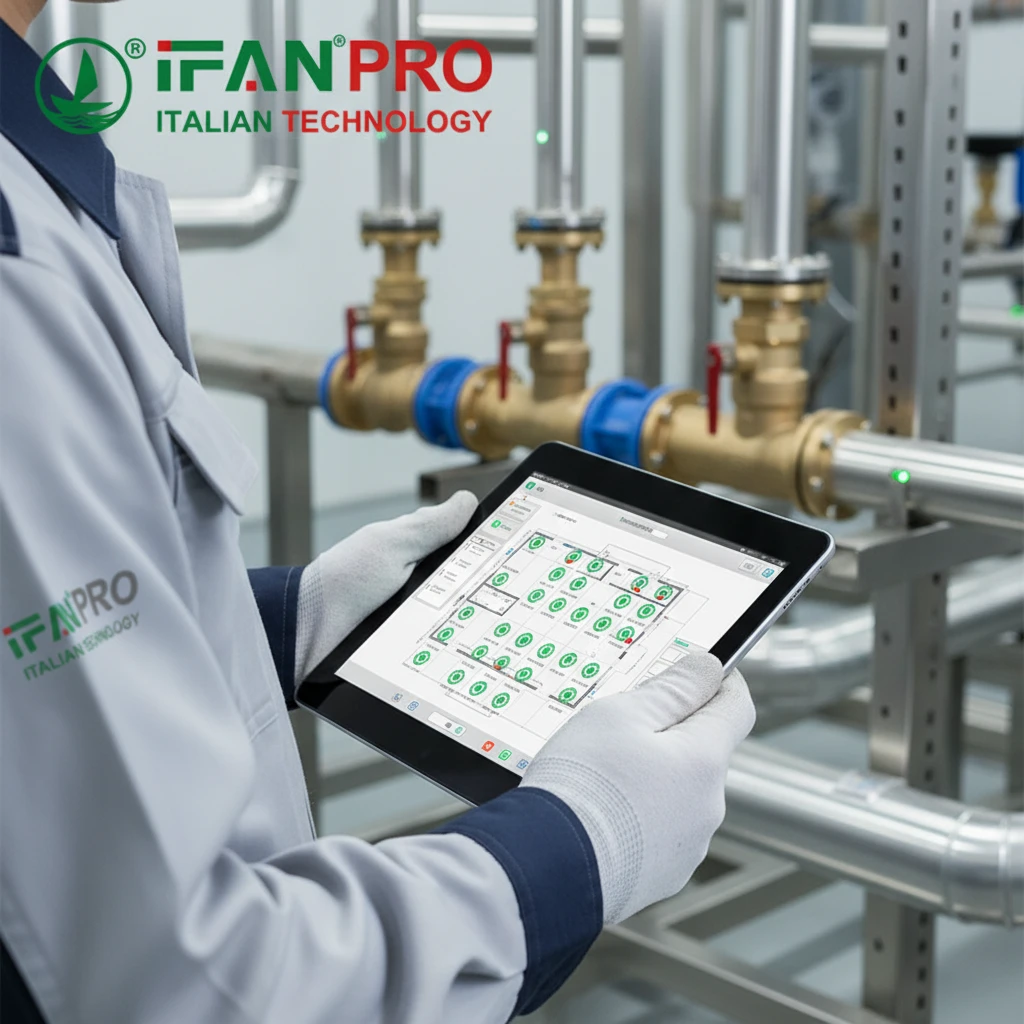
The industry is shifting towards maintenance-friendly plumbing because building owners and facility managers now demand lower lifetime costs. This approach uses components like unions, serviceable valves, and accessible connections that allow for easy repairs, upgrades, and inspections without tearing apart walls or shutting down entire systems.
The Cost of Inaccessibility
Think about a traditional plumbing system. When a valve fails in a hidden location, what happens? You cut open the wall, drain the system, cut out the old valve, install a new one, and repair the wall. This process costs far more than the valve itself.
Maintenance-friendly design asks a different question: “How will someone repair this in 20 years?”
This question drives several key design choices:
1. Strategic Union Placement: Unions like the 121UC allow specific components to be removed without cutting pipes. Place unions at both ends of a valve or pump, and you can replace that component in minutes.
2. Access Panels and Service Clearance: Good design includes planning for access. This means leaving enough space around fittings for wrenches and hands to work.
3. Standardized Connections: When fittings use standard thread sizes and connection types, future technicians can find replacement parts easily. Proprietary connections create future headaches.
The Italian Influence on Serviceability
Italian manufacturers have long understood that beautiful design must also be practical. This philosophy extends to plumbing:
- Aesthetic Integration: Service panels don’t have to be ugly. Italian design shows how access points can blend with finishes.
- Ergonomic Handling: Fittings are designed with tool access in mind. You can get a wrench on them without struggle.
- Clear Marking: Quality Italian-inspired fittings are clearly marked with size, material, and pressure ratings. This helps future technicians identify what they’re working with.
Comparing Maintenance Approaches
| Aspect | Traditional System | Maintenance-Friendly System |
|---|---|---|
| Valve Replacement | Cut pipe, unsweat or unthread, install new | Unscrew union nuts, swap valve, retighten |
| Leak Repair | Often requires pipe replacement | Replace O-ring or gasket |
| System Expansion | Difficult, requires major modifications | Simple, add components at union points |
| Inspection | Limited to visible areas | Remove unions to inspect internal components |
| Downtime | Hours to days | Minutes to hours |
Real-World Application
Consider a commercial building with a hot water recirculation pump. In a traditional system, pump failure means draining the whole loop and cutting pipes. With unions installed at both pump connections, you simply:
- Close isolation valves
- Drain the small pump section
- Unscrew two union nuts
- Remove the old pump
- Install the new pump
- Tighten the unions
- Open valves and restart
This takes 30 minutes instead of half a day. The savings in labor alone justify the slightly higher initial cost of quality union fittings.
Combining High-Performance Sealing with Extreme Temperature Tolerance
Plumbing systems face harsh conditions. Italian engineering excels at creating solutions that work reliably across wide temperature ranges.
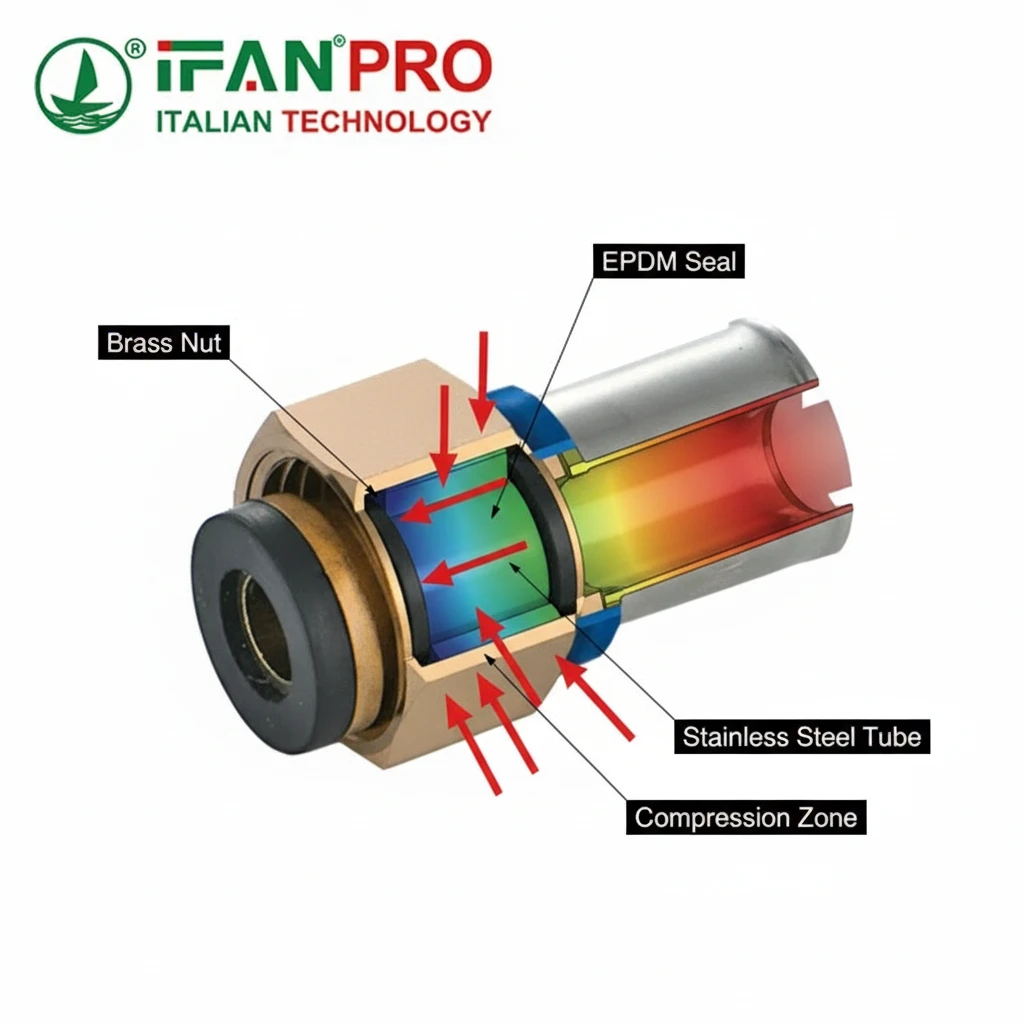
High-performance sealing with extreme temperature tolerance requires materials and designs that accommodate thermal expansion without losing compression. Italian-inspired fittings achieve this through carefully selected elastomers, precision groove geometry, and metal components with matched thermal expansion rates to maintain consistent sealing force from freezing to near-boiling conditions.
The Physics of Thermal Expansion
Materials expand when heated and contract when cooled. This simple fact creates complex challenges for plumbing fittings.
Consider a fitting that connects a brass valve to a PEX pipe. Brass and PEX expand at different rates. As temperature cycles from cold water (40°F) to hot water (140°F), these materials move relative to each other. A rigid connection would eventually fail from stress.
The solution involves several engineering strategies:
1. Flexible Sealing Elements: O-rings and gaskets absorb movement. A properly designed O-ring groove allows the seal to deform slightly as components move, then spring back to original shape when temperatures normalize.
2. Matched Expansion Rates: Engineers select metals with similar coefficients of thermal expansion for critical components. This minimizes differential movement at seal interfaces.
3. Controlled Compression: The seal must remain compressed enough to block water but not so compressed that it takes a permanent set. Italian design optimizes this compression range.
Material Science in Action
The IFANPRO approach to temperature tolerance uses:
- High-Temperature EPDM: Standard EPDM works to about 230°F. Premium compounds extend this to 300°F for short-term exposure.
- Stress-Relieved Brass: Machined brass components undergo stress relief to prevent dimensional changes over time.
- Reinforced Polymer Components: Where plastic is used, fiber reinforcement maintains dimensional stability at high temperatures.
Temperature Performance Comparison
| Material/Component | Continuous Operating Range | Peak Short-Term | Failure Mode if Exceeded |
|---|---|---|---|
| Standard EPDM O-Ring | -40°F to 230°F | 250°F | Hardening, loss of seal |
| Premium EPDM (IFANPRO) | -40°F to 300°F | 350°F | Gradual degradation only |
| Brass Fitting Body | -40°F to 400°F+ | 500°F+ | Dimensional stability maintained |
| PEX Pipe | 33°F to 180°F | 200°F (short) | Softening, pressure failure |
Testing for Real-World Conditions
Quality fittings undergo rigorous testing:
- Thermal Cycling: Hundreds of cycles from cold to hot while pressurized
- Pressure Testing: Sustained pressure at maximum temperature
- Burst Testing: Determining failure points far above operating ranges
The goal isn’t just to survive these tests but to maintain sealing performance throughout. A fitting that doesn’t leak during testing but drips after a year in service has failed the real test.
How to Upgrade Your Plumbing Standards with IFANPRO
Knowing what makes good fittings isn’t the same as implementing them in your projects. Here’s a practical guide.
Upgrading your plumbing standards with IFANPRO involves systematic evaluation of your current pain points, targeted replacement of failure-prone components, and training your installation teams on proper handling of precision fittings. The investment pays off through reduced callbacks, longer system life, and higher customer satisfaction.
Step 1: Identify Your Pain Points
Start by analyzing where problems occur in your current systems:
Common Issues:
- Thread Leaks: Do you struggle with threaded connections that drip after installation?
- O-Ring Failures: Are you seeing seals that harden and crack within a few years?
- Difficult Repairs: Do simple valve replacements turn into major projects?
- Customer Complaints: What do end users complain about most?
Document these issues with specific examples. This creates your upgrade roadmap.
Step 2: Select Target Applications
Not every connection needs premium fittings. Focus your upgrade where it matters most:
Priority Applications for IFANPRO:
| Application | Why Upgrade Matters | Recommended IFANPRO Product |
|---|---|---|
| Main Water Shutoff Valves | Failure here shuts down entire building | 121UC Union with full-port ball valve |
| Water Heater Connections | High temperature, frequent service needs | High-temp unions with dielectric isolation |
| Accessible Service Points | Where future maintenance is expected | Unions with easy-disconnect design |
| Critical Equipment Connections | Pumps, filters, treatment systems | Precision fittings with dual seals |
| Concealed Locations | Leaks here cause hidden damage | Maximum reliability fittings |
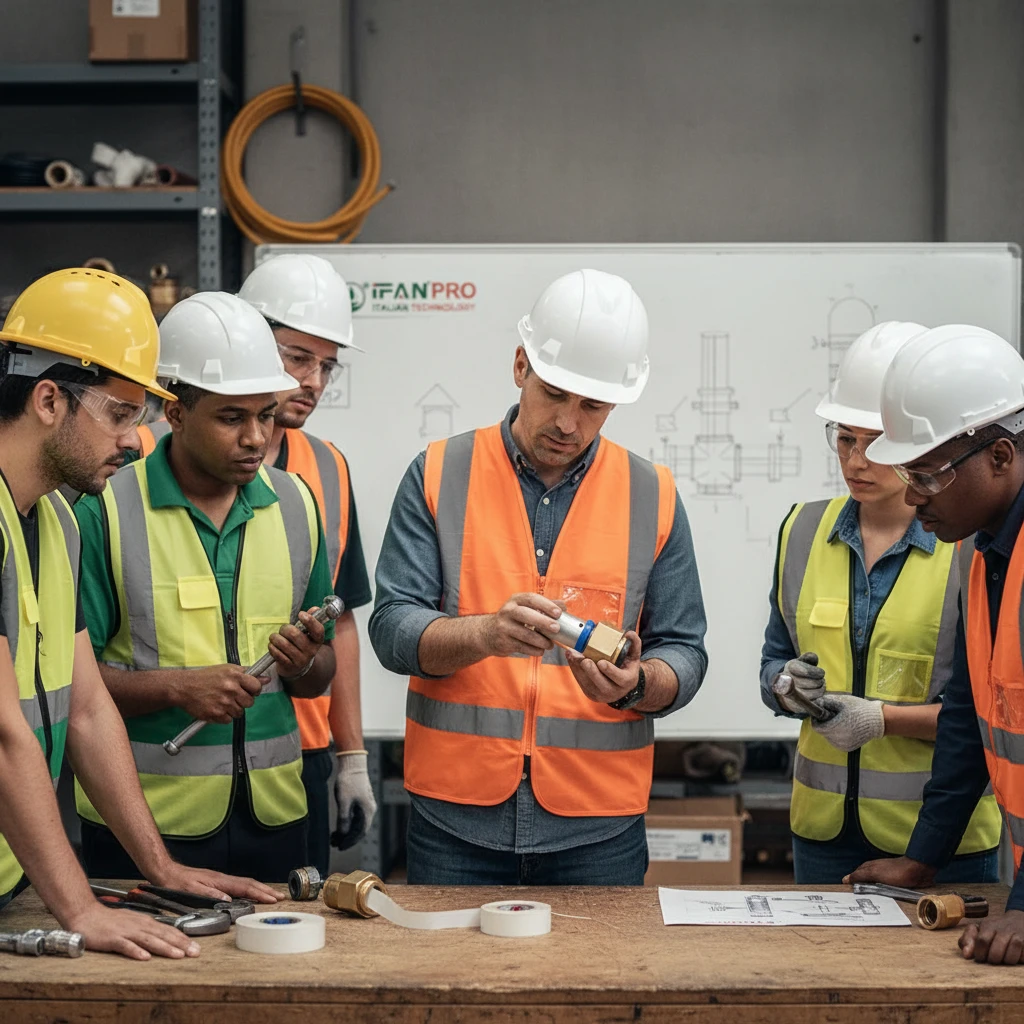
Step 3: Train Your Team
Precision fittings require proper installation technique. Even the best engineering fails if installed incorrectly.
Key Training Points:
- Thread Sealant Application: How much tape or dope to use
- Tightening Torque: Not too loose, not too tight
- O-Ring Inspection: Checking for damage before assembly
- Alignment: Avoiding side-loading that stresses seals
- Support: Proper pipe hanging to prevent weight on fittings
Create simple checklists for installers. Review them regularly.
Step 4: Document and Track
Keep records of what you install and where. This helps when:
- Warranty Claims: You have proof of product usage
- Future Maintenance: Technicians know what fittings to expect
- Cost Analysis: You can track whether premium fittings reduce callbacks
Step 5: Communicate Value to Customers
End users may not understand why you’re using different fittings. Explain the benefits:
- “We’re using Italian-engineered fittings that will last longer and make future repairs easier.”
- “These unions mean if the valve ever needs replacement, we can do it in minutes without shutting off water to your whole house.”
- “The precision seals here prevent the slow leaks that can cause mold and damage.”
Customers appreciate knowing you’re investing in quality on their behalf.
Practical Installation Tips
From our field experience, here are tips for getting the most from IFANPRO fittings:
1. Inspect Before Installation: Look at every O-ring and sealing surface. Even premium products can have shipping damage.
2. Lubricate O-Rings: A thin film of silicone lubricant helps seals seat properly and prevents cutting during assembly.
3. Tighten in Steps: For union connections, tighten gradually and check alignment. Overtightening can distort seals.
4. Pressure Test Everything: Never assume. Test the system before closing walls or trenches.
5. Leave Access: When installing unions, position them where they can be reached later. A union behind a finished wall defeats its purpose.
Заключение
Italian engineering philosophy brings precision, reliability, and serviceability to modern PEX plumbing fittings. For systems that last longer, perform better, and cost less to maintain, choose IFANPRO fittings including the 121UC union and complementary products from IFAN’s complete range.










 Русский
  English
  Français
  Español
Последние комментарии