
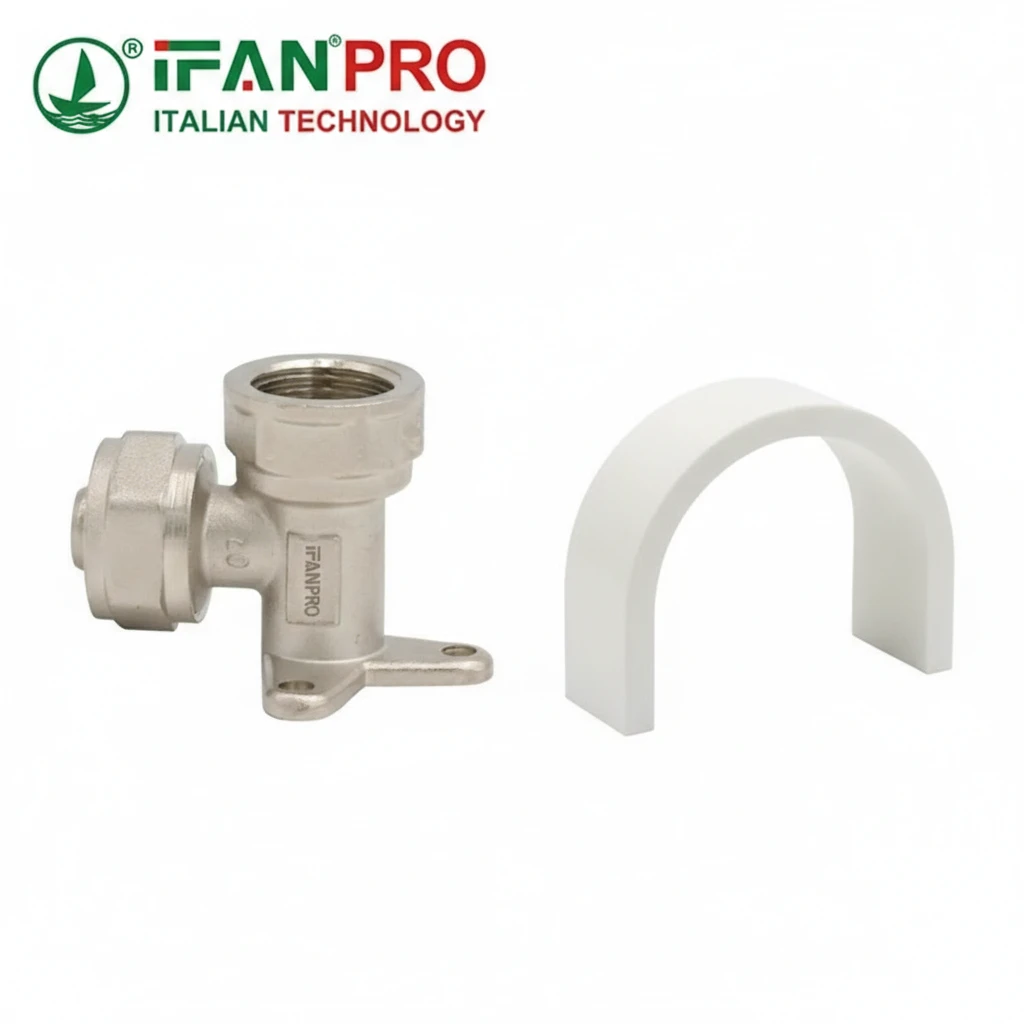
I once saw a sink faucet wobble and leak because the connection underneath was weak. That moment proved why choosing the right fitting matters more than you think.
You should use a female seated elbow instead of a standard PEX bend when you need a direct, solid, and wobble-free mechanical connection to a fixture like a faucet or toilet valve. The built-in seat gives you a stable platform to screw the fixture onto, preventing stress on the pipe and ensuring a perfect seal that a simple bent pipe cannot provide.
While a standard bend works for many simple turns, the seated elbow solves specific, frustrating problems. Let’s look at when and why this fitting is the smarter choice.
How Does It Provide a Direct, Secure Mechanical Connection to Fixtures?
A wobbly faucet is more than an annoyance; it’s a leak waiting to happen. I’ve fixed many leaks that started with an insecure connection.
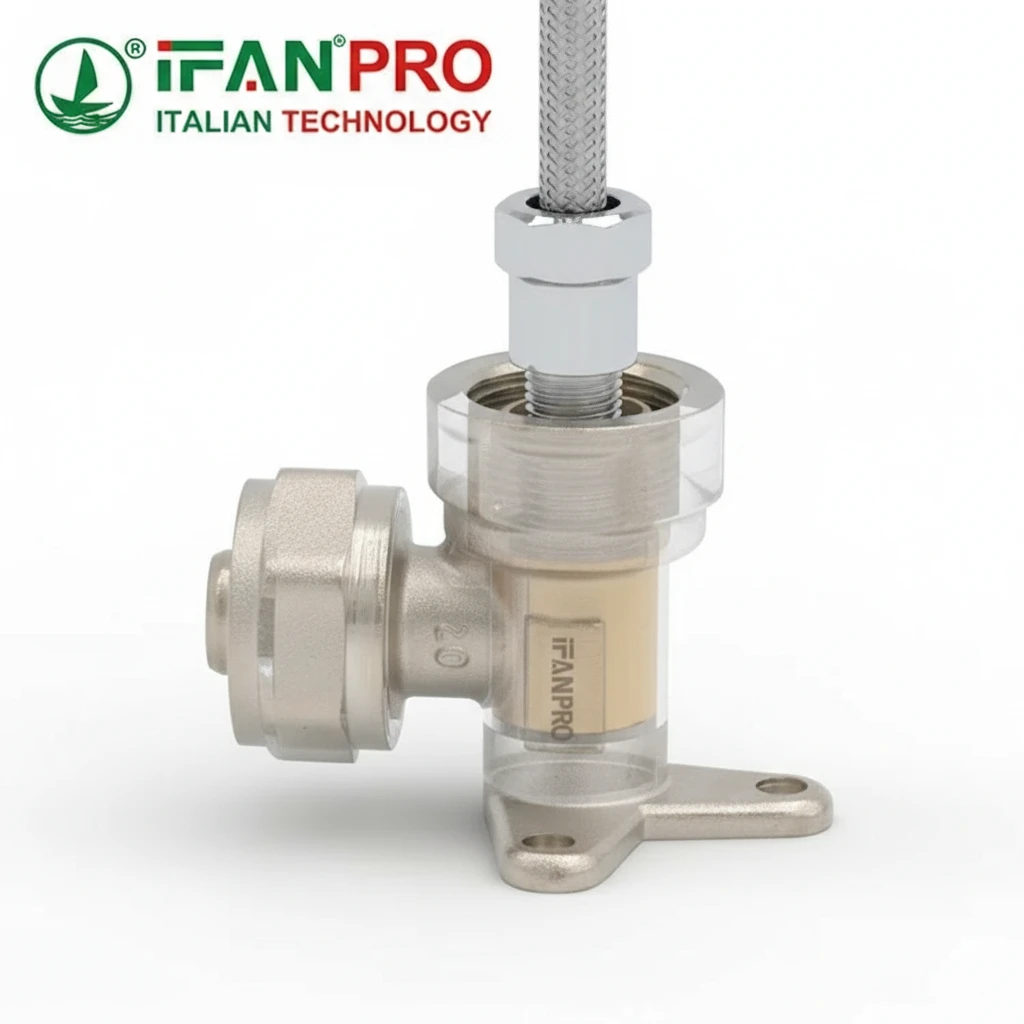
A female seated elbow provides a direct, secure connection because it has integrated, standard plumbing threads (like 1/2″ NPT) molded right into its body. This allows you to screw a fixture’s male threads directly into the elbow, creating a short, rigid, and aligned assembly that eliminates extra joints and movement points.
The Problem with “Making Do” with Standard Bends
Without a seated elbow, connecting a fixture often requires a chain of fittings. You might need a standard PEX bend, then a PEX-to-thread adapter, and finally a short nipple to reach the fixture. This creates three potential leak points instead of one. More importantly, this assembly has flexibility and length, allowing the fixture to wiggle. Every time you turn the faucet handle, that movement stresses the joints.
How the Seated Elbow Creates a Superior Connection
The seated elbow combines multiple functions into one robust fitting. Here is how it builds a better connection:
- Integrated Threads: The “female seat” refers to the threaded port. These threads are part of the fitting’s solid plastic structure, designed to match the exact specifications of fixture inlets.
- Direct Screw-In: You simply apply thread seal tape or paste to the fixture’s threads and screw it directly into the elbow. The connection becomes as short as physically possible.
- Inherent Alignment and Stability: Because the fixture mounts directly onto the elbow, the two pieces align perfectly. The elbow’s body, which is secured to the wall or framing via an integrated mounting ear, absorbs any twisting force from using the fixture, not the PEX pipe itself.
Comparing Connection Methods
This table shows why the seated elbow method is more reliable:
| Connection Method | Number of Parts & Joints | Rigidity & Stability | Risk of Leaks |
|---|---|---|---|
| Standard Bend + Adapter + Nipple | 3 Parts, 3 Joints | Flexible, allows wobble | Higher (3 sealed points) |
| Female Seated Elbow | 1 Part, 1 Joint | Very rigid, no wobble | Lower (1 sealed point) |
In short, the seated elbow turns a potentially weak, multi-part link into a single, solid bridge. This directness is the foundation of its reliability.
Why Is the Added Stability Worth the Potential Extra Cost?
Clients often focus on the per-fitting cost. I show them how one cheap fitting can lead to a very expensive service call.
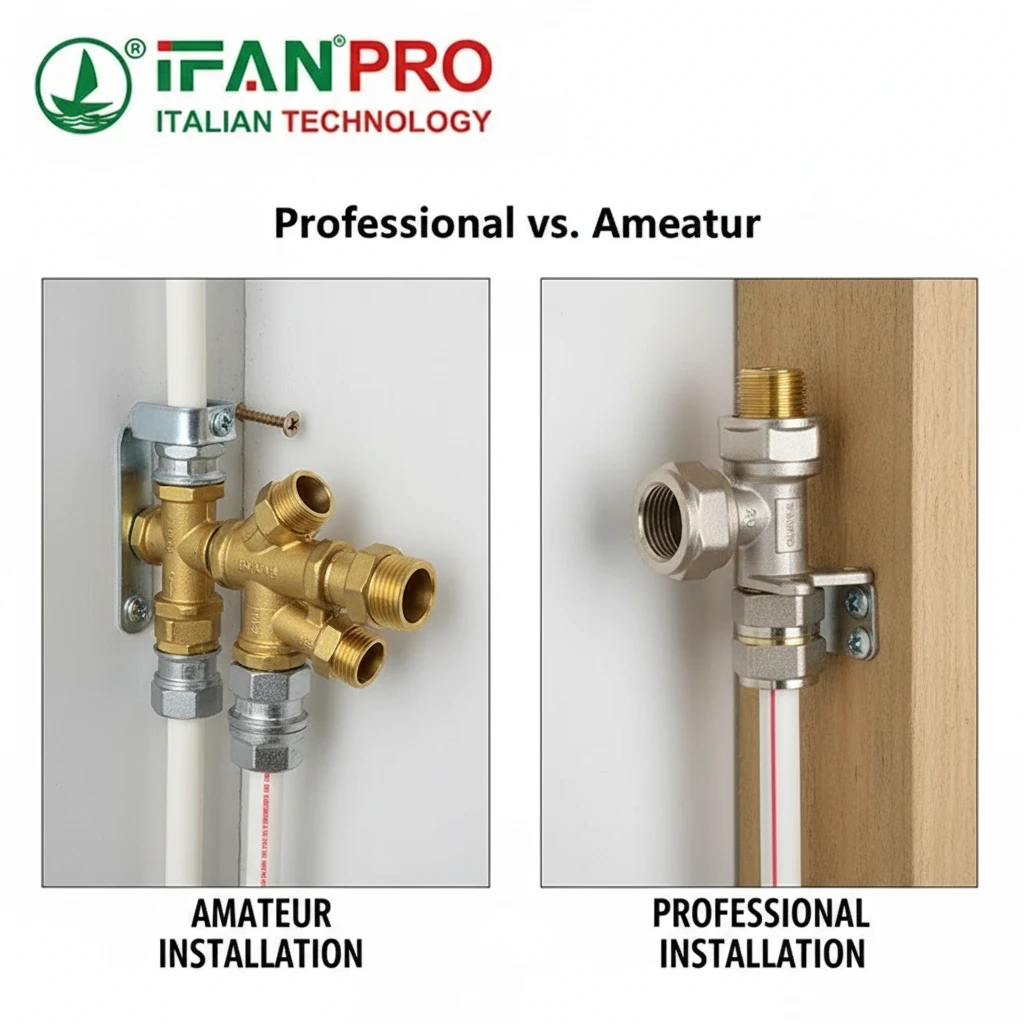
The added stability is worth the extra cost because it prevents callbacks, leaks, and fixture damage that cost far more than the price difference between fittings. A stable connection lasts for decades without maintenance, protects the fixture from stress, and provides a professional, high-quality result that satisfies end-users.
Calculating the True Cost of Instability
A standard PEX bend might cost a few cents less than a seated elbow. However, this small saving ignores the larger financial risks:
- Service Call Cost: If a connection fails and leaks, a plumber’s service call to fix it can cost hundreds of dollars, wiping out years of tiny material savings.
- Property Damage: Even a small leak inside a wall can cause mold, rot, and structural damage, leading to repairs costing thousands.
- Fixture Damage: Constant wobbling can crack a ceramic sink or damage the internal valves of an expensive faucet.
- Professional Reputation: For contractors, a single callback for a leak can damage trust and lead to negative reviews.
The Long-Term Value of Stability
The seated elbow delivers value that goes beyond just not leaking:
- Durability: A rigid connection does not flex. Without constant movement, the threads and the PEX crimp/clamppoint experience no fatigue, ensuring the seal remains intact for the life of the system.
- User Satisfaction: No one likes a loose, wobbly faucet. A rock-solid fixture feels high-quality and well-installed.
- Easier Installation and Service: The integrated mounting ear makes it easy to secure the elbow firmly to a stud or backing board. This also makes future fixture replacement simpler and cleaner.
The initial “extra cost” is actually a small insurance premium against much larger future expenses and headaches. For any installation where the fixture is used regularly (like in a kitchen or bathroom), this insurance is invaluable.
What Problem Does It Solve That a Simple Bent Pipe Cannot?
A bent pipe is great for changing direction, but it’s not designed for the unique stress of a terminal connection point.
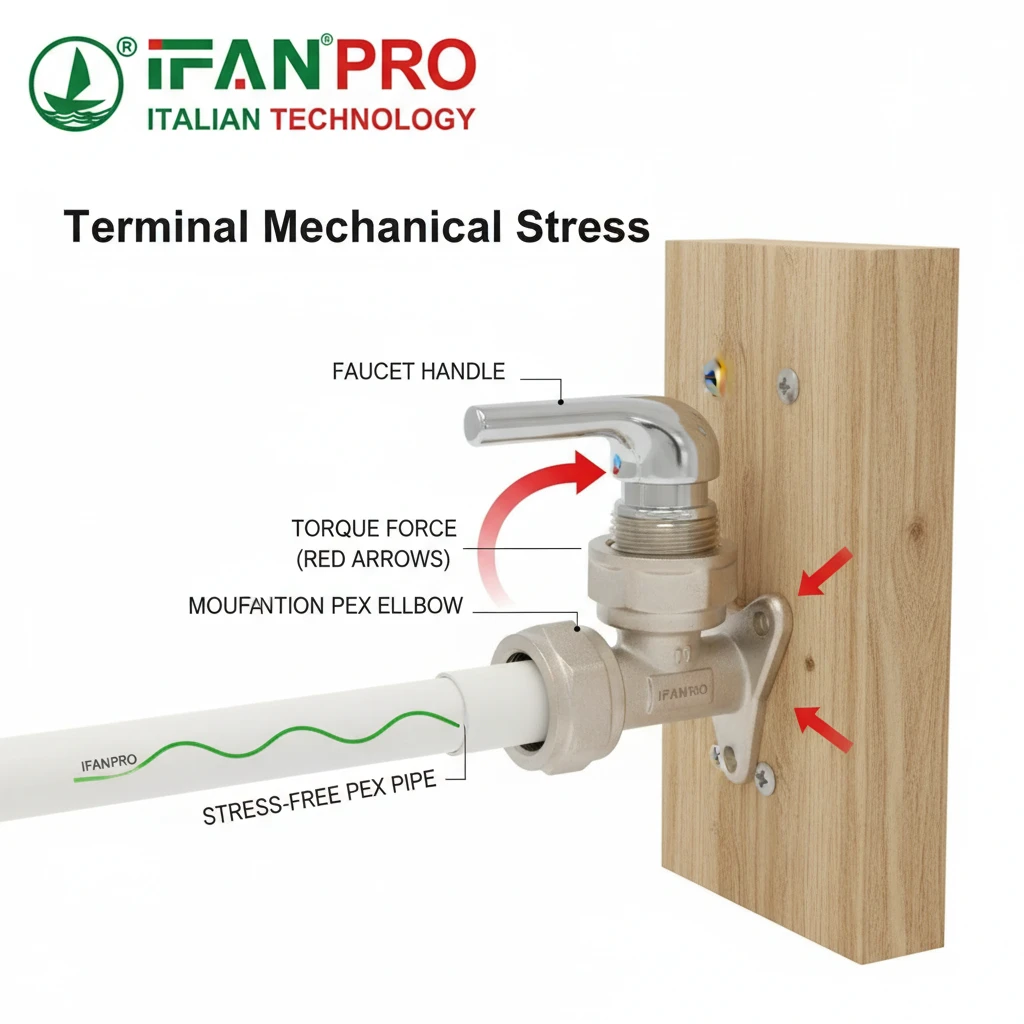
A female seated elbow solves the critical problem of terminal mechanical stress. A simple bent pipe cannot absorb the twisting, pushing, and pulling forces exerted on a faucet or valve handle without transferring that stress to the pipe and joints, which leads to leaks and failures over time.
The Limitation of a Simple Bent Pipe
A standard PEX bend’s only function is to guide water around a corner. It is designed to handle fluid pressure, not external physical force. When it serves as the final connection point for a fixture, it faces challenges it was never meant to handle:
- Torque from Turning Handles: Every time someone turns a faucet on or off, they apply twisting force (torque).
- Lateral Push/Pull: People lean on faucets, push pots against them, or accidentally bump them.
- Vibration: Dishwashers and washing machines can send vibrations through nearby pipes.
A standard bend, connected via adapters, acts like a flexible lever. These forces make the entire assembly flex and strain at its weakest points—the joints.
How the Seated Elbow is Engineered as a Solution
The seated elbow is specifically designed as an anchor point. It solves the stress problem through its integrated features:
- Mounting Ear: This is the key difference. The flat ear with screw holes allows the installer to fasten the elbow solidly to the wooden framing or a sturdy backing board. Once secured, the fitting becomes part of the building’s structure.
- Stress Isolation: When a force is applied to the fixture, the mounted elbow absorbs it. The stress travels into the solid wood of the framing, not into the PEX tubing. The water pipe only has to deal with water pressure, which it is perfectly designed for.
- Direct Connection: As established, the short, direct threading minimizes the leverage that any applied force has.
In essence, the simple bend is a “road” for water. The seated elbow is a “parking garage” designed to handle the weight and activity of the final destination. Using one where you need the other is a fundamental design flaw.
In What Applications Is a Standard Bend Sufficient Without a Seat?
Knowing when not to use a specialized fitting is just as important. Not every turn needs a seated anchor.
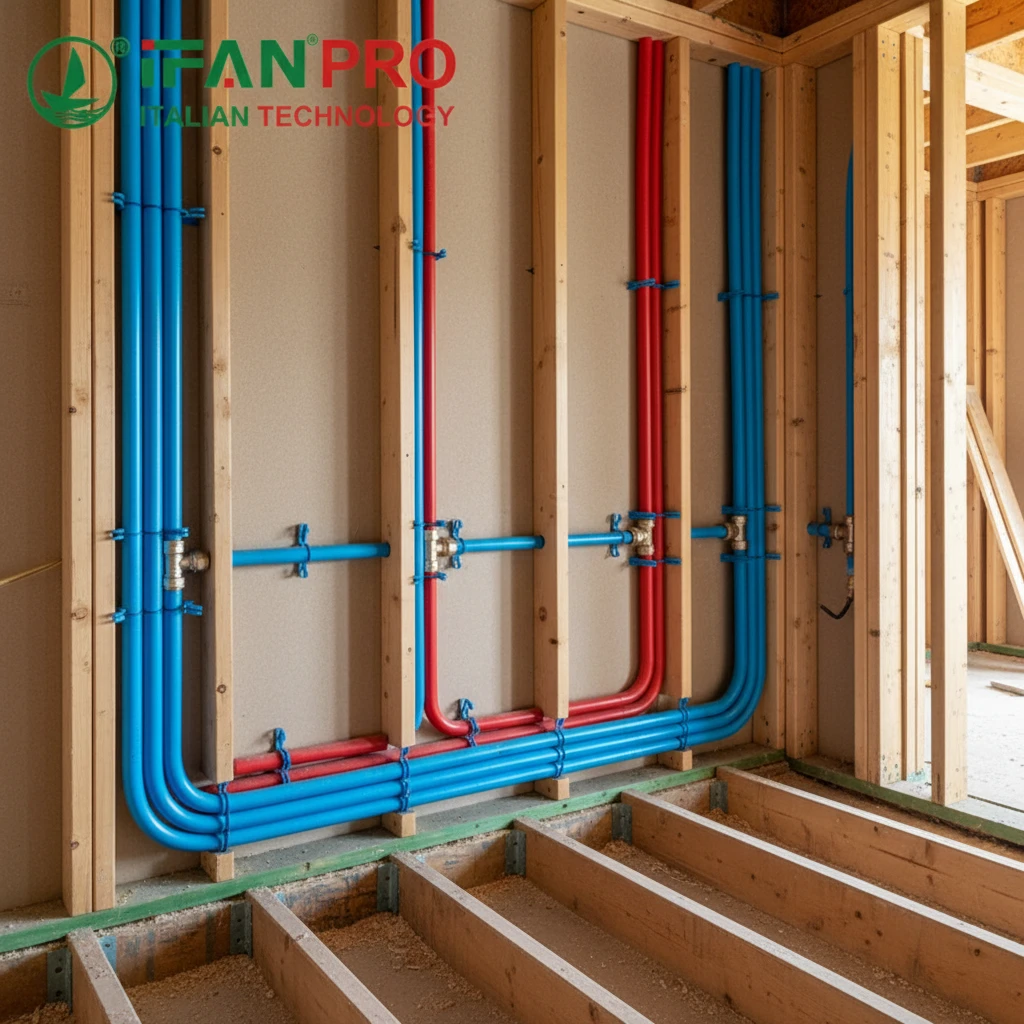
A standard PEX bend is completely sufficient in any application where the connection point is not a frequently used mechanical terminal. This includes most mid-line directional changes, connections to other fixed pipes or valves, and within enclosed manifolds or wall cavities where no external force will act on the bend.
Ideal Use Cases for the Simple Standard Bend
The standard bend is a workhorse for efficient plumbing layouts. Here are the most common and appropriate places to use it:
- Routing Around Obstacles: Changing pipe direction to go around a floor joist, duct, or another pipe within a wall or ceiling cavity.
- Connecting to Fixed Valves: Making a turn to connect to a shut-off valve that is itself secured to the pipe or structure.
- Manifold and Distribution Loops: Inside a closed manifold or creating loops for radiant floor heating, where all connections are protected and static.
- Appliance Supply Lines: The turn behind a washing machine or dishwasher that connects to a fixed outlet box. The appliance hose provides the final flexible connection.
- Between Long Pipe Runs: Any 90-degree turn that is part of a continuous water line, not the end point.
In all these cases, the bend is part of a supported, protected system. No one will grab, turn, or push on the bend itself.
Decision Guide: When to Use Which Fitting
Use this simple guide to choose the right part for the job:
| Application Scenario | Recommended Fitting | Key Reason |
|---|---|---|
| Connecting a sink faucet | Female Seated Elbow | Absorbs handle torque, prevents wobble. |
| Connecting a toilet supply valve | Female Seated Elbow | Provides solid mount for valve, prevents stress on line. |
| Pipe turning a corner inside a wall | Standard PEX Bend | No external force; only needs to change direction. |
| Creating a branch off a main line | Standard PEX Tee or Bend | Connection is part of the fixed piping network. |
| Connecting to a secured shower valve body | Standard PEX Bend | Valve body is independently mounted; bend just carries water. |
A Final Practical Note
Even when using a standard bend mid-line, always support the pipe correctly with hangers or clips before and after the bend. This ensures the bend does not sag or bear the weight of the pipe, which could also lead to long-term stress.
Заключение
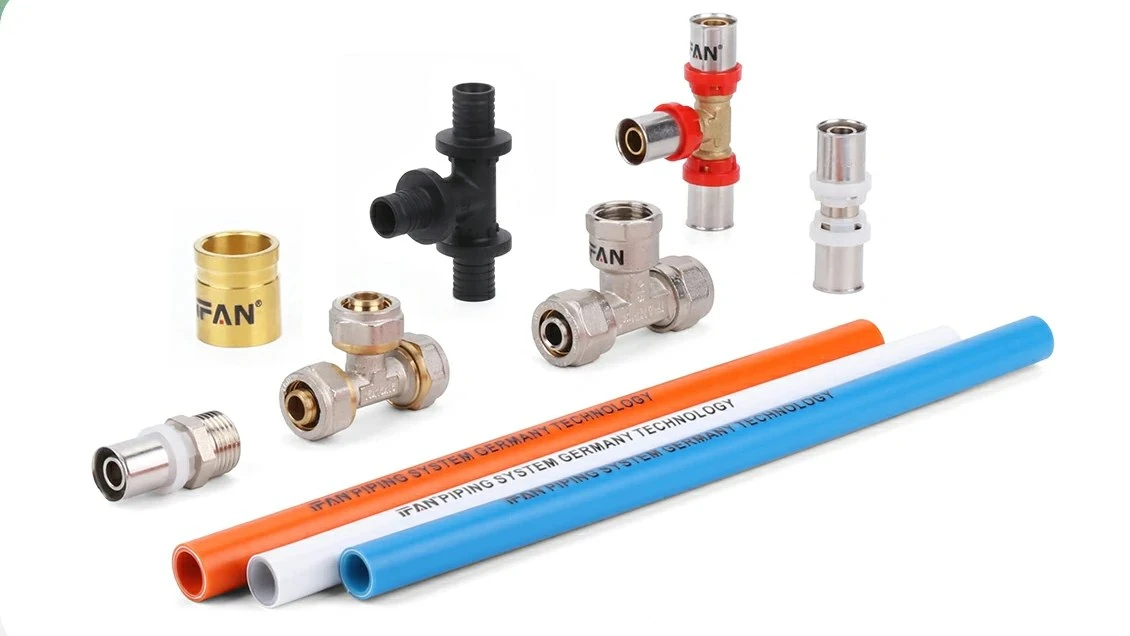
Use a seated elbow for solid, permanent fixture connections, and a standard bend for simple directional changes within the system. For the most reliable seated elbows with secure mounting ears and precise threads, choose IFAN’s female seated PEX elbows.










 Русский
  English
  Français
  Español
Последние комментарии