
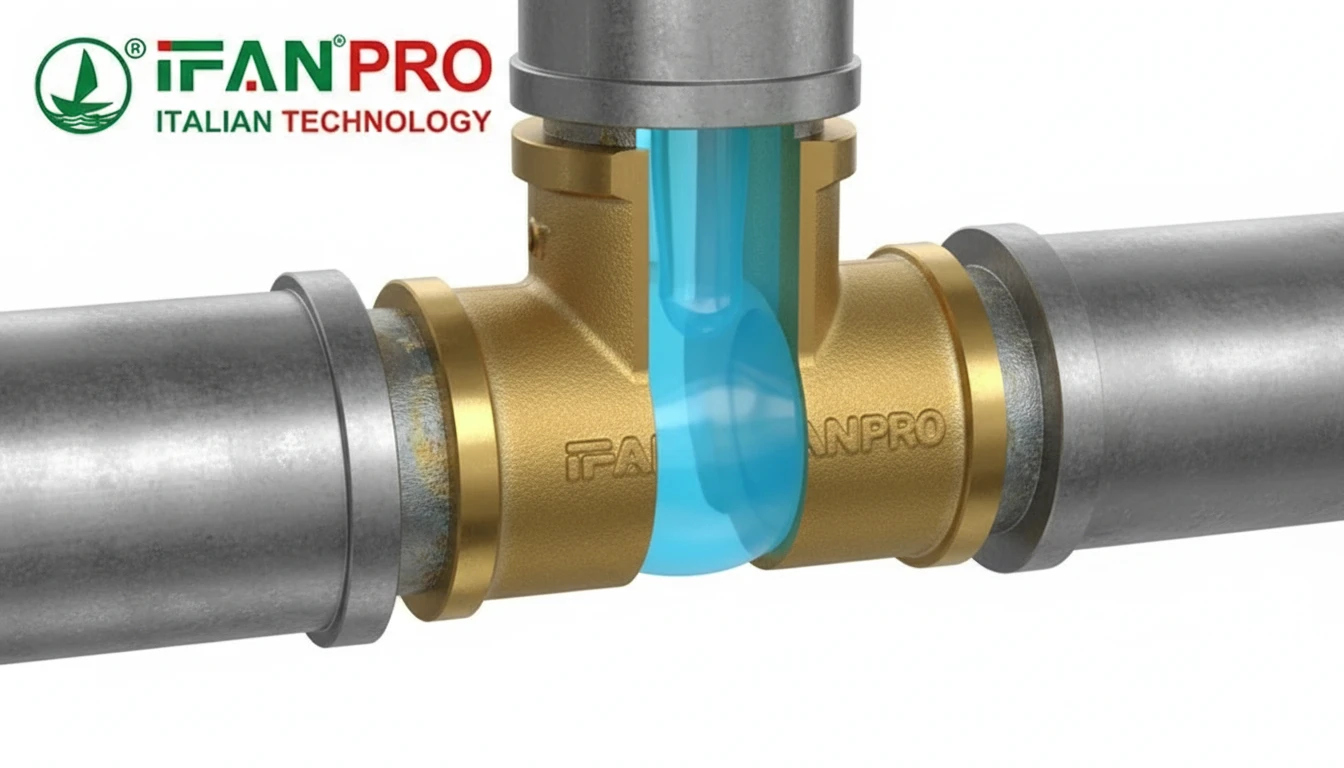
I once reviewed a system plagued by noisy pipes and erratic pressure. The culprit? Poorly designed bends that disrupted the water’s path. This experience taught me that a simple elbow is critical for system performance.
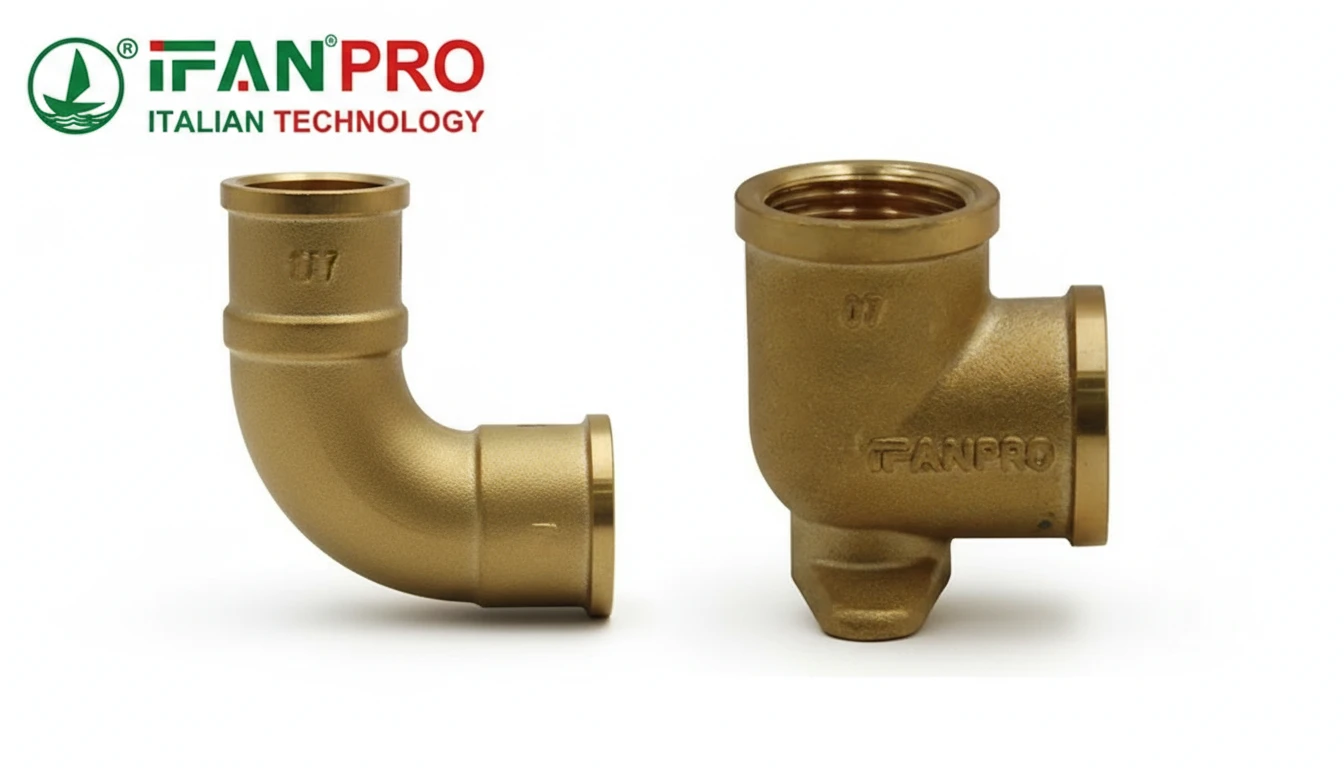
A brass elbow ensures a smooth flow by combining a hydraulically smooth interior finish with a carefully engineered, consistent bend radius. This design minimizes turbulence and friction as water changes direction, preventing energy loss, reducing pressure drop, and maintaining efficient, quiet flow throughout the piping system.
A bend in a pipe is more than just a directional change; it’s a test of the fitting’s design. Let’s examine how a quality brass elbow passes this test with top marks.
How Does the Smooth Interior Finish of a Brass Elbow Minimize Turbulence?
Turbulence is the enemy of efficient flow. I’ve seen systems lose significant pressure due to the rough interiors of cheap, cast fittings.
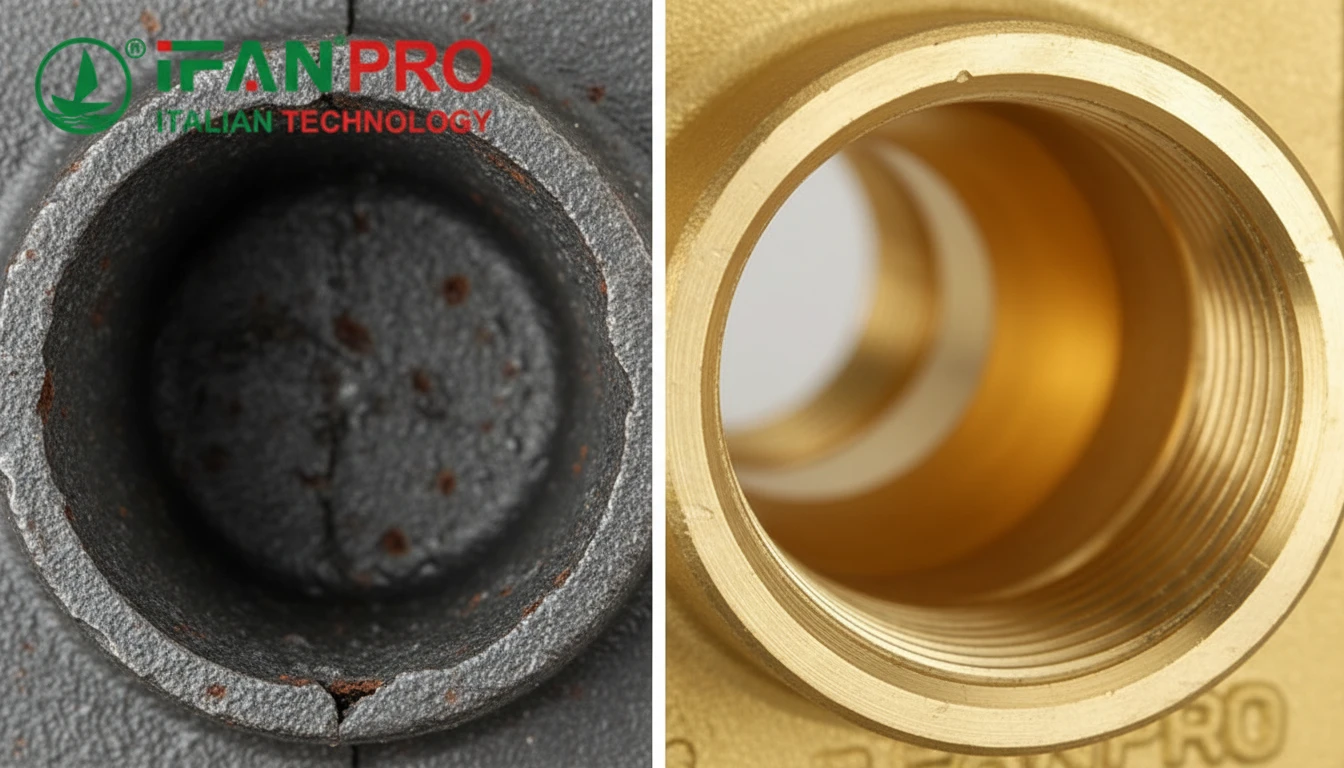
The smooth interior finish of a brass elbow minimizes turbulence by reducing the surface roughness that water molecules encounter. This smoother surface creates less friction, allowing water to maintain a more laminar (layered) flow pattern around the bend instead of breaking into chaotic, energy-wasting swirls and eddies.
Understanding Flow Dynamics: Laminar vs. Turbulent
To understand why surface finish matters, we need to picture how water moves. In a straight, smooth pipe under ideal conditions, water flows in parallel layers—this is called laminar flow. It’s very efficient. When water hits a bend or a rough surface, these layers break apart. The flow becomes chaotic and mixed, which is turbulent flow. Turbulence steals energy from the flow, which shows up as a loss of pressure.
The interior wall of a fitting acts like a road surface for water. A rough, pitted surface (common in low-quality sand-cast fittings) forces water to collide with countless tiny obstacles. Each collision creates a small eddy, stealing a bit of energy and momentum. Over the length of a system, this adds up to a major pressure loss.
How Brass Manufacturing Creates a Superior Finish
Brass, as a material, is excellent for achieving a smooth finish. The manufacturing process for quality elbows typically involves forging or hot forming, followed by machining. This process allows for a much smoother and more consistent internal surface compared to basic casting.
- Forged Brass: The forging process compresses the brass grain structure, making it denser and less porous. The resulting interior surface is inherently smoother and stronger.
- Machining (De-burring): After forming, the critical step is machining the interior. High-quality manufacturers use tools to ream or polish the inner diameter. This removes any manufacturing burrs, seams, or imperfections, leaving a hydraulically smooth pathway.
The Impact on Your System
The benefit is straightforward: less friction means more pressure available at the point of use. For a homeowner, this translates to better shower head pressure. For an industrial system, it means pumps don’t have to work as hard, saving energy. A smooth brass elbow also reduces the “water hammer” noise caused by turbulent flow crashing into pipe walls.
| Interior Finish Type | Relative Surface Roughness | Impact on Flow | Common In |
|---|---|---|---|
| Machined Brass (Quality Elbow) | Very Low | Minimal turbulence, very low pressure drop. | IFAN and other premium fittings. |
| Standard As-Cast Brass | Medium | Noticeable turbulence and pressure loss. | Economy-grade fittings. |
| Rough Cast Iron | Very High | Severe turbulence, high pressure drop, prone to scale buildup. | Older/drainage systems. |
Choosing an elbow with a superior interior finish is a simple way to protect the efficiency of your entire piping system from the very first joint.
Why Is a Consistent Radius Important for Maintaining Flow Efficiency?
A bend should guide water, not force it to make a sudden turn. Inconsistent radius bends act like a series of small crashes for the flowing water.
A consistent radius is crucial because it allows water to change direction gradually and predictably. This gradual turn guides the water’s natural momentum around the curve with minimal disruption, maintaining a stable flow profile. An inconsistent or variable radius creates multiple points of sudden directional change, each generating turbulence and increasing energy loss.
The Physics of the Bend: The Centrifugal Force Challenge
When water flows around a bend, it experiences centrifugal force, pushing it towards the outer wall of the elbow. A consistent, sweeping radius helps distribute this force evenly along the entire curve. The water stream smoothly transitions from moving straight to moving along the arc.
Now, imagine an elbow with a poorly formed radius—perhaps it’s slightly flattened or has an irregular shape. The water’s path is no longer a smooth arc. It hits a point where the curve tightens unexpectedly. This sudden change acts like a mini wall, causing the water to separate from the inner wall of the elbow. This separation creates a low-pressure vortex or eddy, which is a primary source of turbulence and pressure loss.
The “Long Radius” vs. “Short Radius” Standard
The industry defines bend consistency by comparing the elbow’s radius to the pipe diameter.
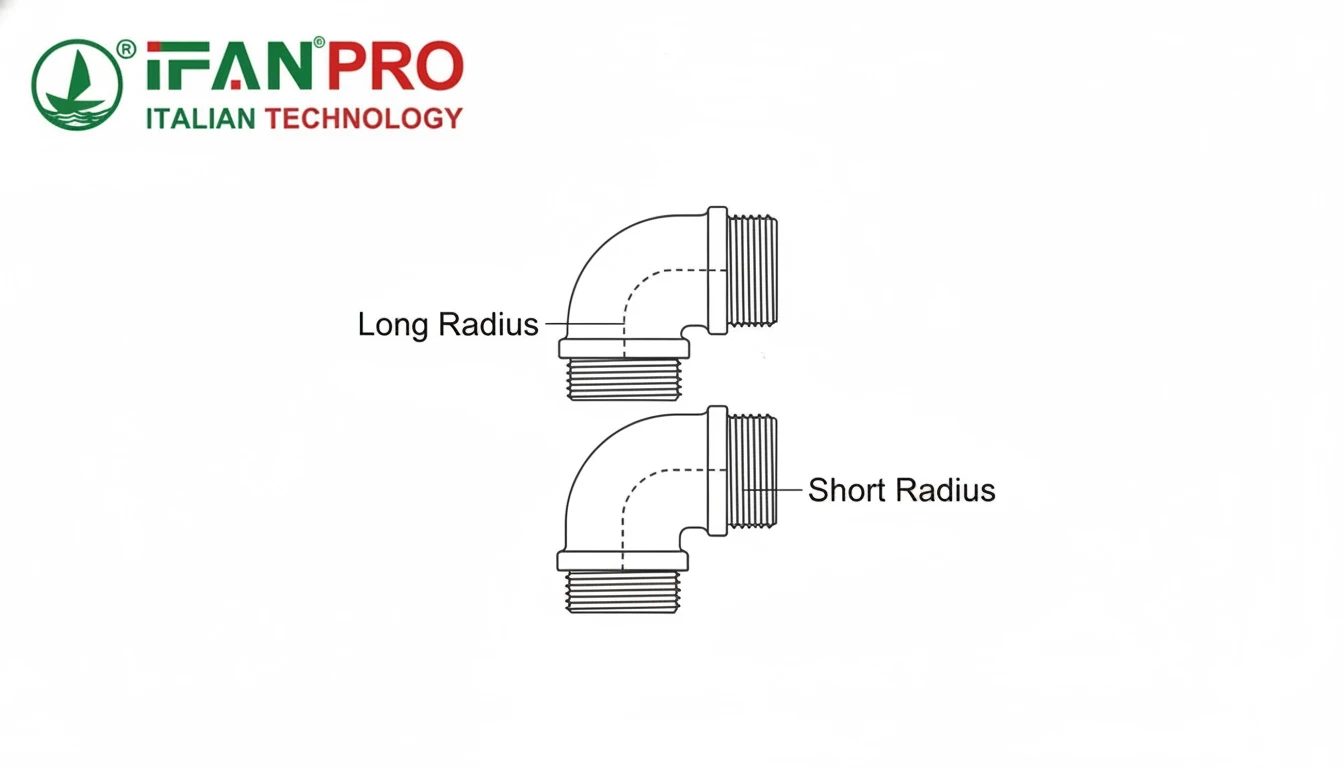
- Long Radius (LR) Elbow: The radius of the bend is 1.5 times the pipe diameter (e.g., a 1-inch pipe uses a 1.5-inch radius elbow). This is the standard for most applications because it provides the smoothest, most efficient flow.
- Short Radius (SR) Elbow: The radius is equal to the pipe diameter. This creates a sharper turn, leading to higher turbulence and pressure drop. It is used only where space is extremely limited, accepting the efficiency penalty.
A consistent radius means that whether it’s a long or short radius, the curve is a perfect, uniform arc from inlet to outlet. Inconsistent manufacturing can produce an elbow that is supposed to be a long radius but has a kink or flat spot, making it perform worse than a proper short-radius fitting.
Practical Consequences of an Inconsistent Bend
For system designers and installers, an inconsistent radius causes two main problems:
- Unpredictable Performance: The calculated pressure drop for a given layout will be wrong if the elbows don’t perform to their stated specifications. This can lead to under-sized pumps or disappointing end-point pressure.
- Increased Erosion: The turbulent eddies caused by a bad bend often concentrate on a specific spot on the elbow’s outer wall. Over time, this can lead to accelerated erosion or “wire-drawing,” potentially causing the fitting to fail prematurely.
Quality control in manufacturing, like that practiced by IFAN, ensures that every brass elbow has a true, consistent radius. This guarantees that the fitting will perform exactly as hydraulic engineers expect, providing reliable and efficient flow throughout the system’s life.
How Does the Design Reduce Pressure Drop Compared to Sharp Bends?
Pressure drop is silent waste. Reducing it across every fitting directly improves system performance and lowers operating costs.
The design of a properly radiused brass elbow reduces pressure drop by providing a gradual flow path that minimizes flow separation and turbulent energy loss. A sharp bend (like one from an ill-made fitting or a street elbow) forces water to change direction abruptly, creating large, energy-wasting vortices that consume system pressure.
Visualizing the Energy Loss: The Vortex Effect
Think of pressure as the energy that pushes water through the pipes. Every fitting uses up a little bit of this energy due to friction. The goal is to use as little as possible.
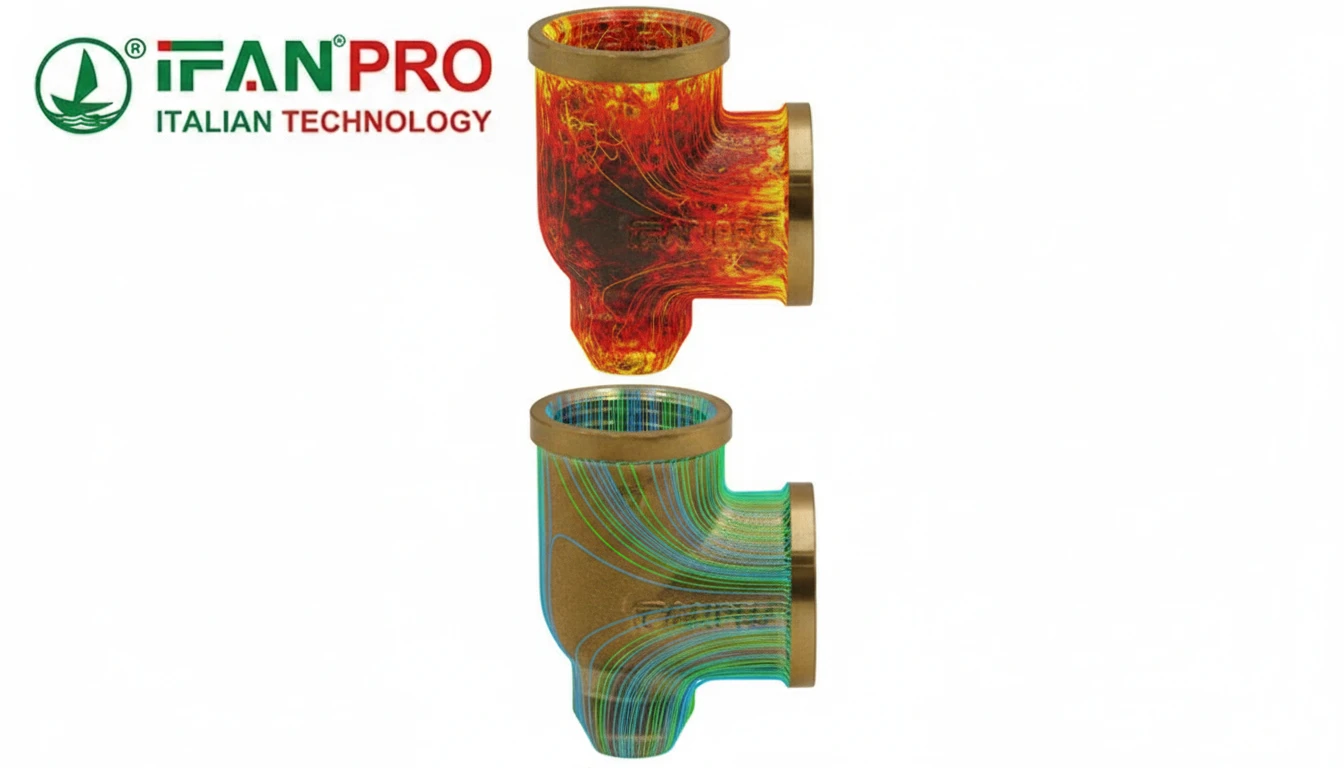
In a sharp 90-degree bend, water moving at speed cannot follow the tight inner corner. It “separates” from the wall and crashes into the outer wall. This impact zone is one source of energy loss. More importantly, the space behind the separation point (the inner corner) fills with a swirling, chaotic vortex of water. This vortex is constantly forming and being swept away, which consumes a significant amount of energy from the main flow. This lost energy is the pressure drop.
The Engineering Advantage of a Sweeping Radius
A brass elbow with a standard long radius eliminates the conditions for this large, stable vortex. The gentle curve guides the water, keeping it attached to the inner wall. The centrifugal force is spread out, so the water presses against the outer wall more evenly, without a violent impact. Some small turbulence still occurs, but the major energy-wasting vortices do not form.
The difference in pressure drop is not small. In hydraulic calculations, engineers use a “K-factor” or “resistance coefficient” for each fitting. A standard threaded 90-degree short-radius elbow has a much higher K-factor (meaning higher pressure loss) than a long-radius elbow.
Quantifying the Savings
Let’s look at a practical example for a water system. The table below shows approximate relative pressure losses. The exact numbers depend on flow velocity, but the relationship is clear.
| Fitting Type (for 1″ line) | Relative Pressure Drop (K-factor approx.) | Cause of Loss |
|---|---|---|
| Sharp 90° Bend (Mitered) | Very High | Extreme flow separation and large vortex formation. |
| Standard Short Radius (SR) Elbow | High | Significant separation and turbulence. |
| Quality Long Radius (LR) Brass Elbow | Low | Minimal separation, managed centrifugal force. |
| Straight Pipe Section (1 ft for comparison) | Very Low | Only wall friction. |
For a complex system with dozens of bends, specifying long-radius brass elbows instead of short-radius or low-quality bends can be the difference between needing a standard pump and a larger, more expensive one. It directly translates to energy savings and more consistent pressure.
Can Elbows with a Larger Radius Further Improve Flow Characteristics?
If a standard radius is good, is a larger one always better? The answer depends on balancing efficiency with practical reality.
Yes, elbows with a larger bend radius (greater than the standard 1.5D “long radius”) can further improve flow characteristics by making the directional change even more gradual. This further reduces turbulence, minimizes pressure drop, and is especially beneficial for high-velocity flows, slurry transport, or systems where minimizing energy loss is the top priority.
The Principle of “Sweeping” Bends
The relationship between radius and flow efficiency is continuous: a larger radius generally creates a smoother flow. Elbows with a radius of 3x or 5x the pipe diameter are sometimes called “sweeping bends” or “long sweeping elbows.” They approach the fluid dynamics of a perfectly smooth, curved pipe.
In these bends, the water’s path is so gradual that the centrifugal force is distributed over an even longer distance. Flow separation is virtually eliminated. The pressure drop for a 3D radius elbow can be half that of a standard 1.5D long-radius elbow for the same flow rate. This makes them ideal for critical applications like:
- Pump discharge lines: To protect the pump and reduce required head.
- High-flow main lines: Where pressure loss is costly.
- Systems carrying abrasive slurries: To reduce wear on the elbow’s outer wall.
The Trade-Offs: Space and Cost
However, larger radius elbows are not a universal solution. They come with two main drawbacks:
- Space: A 3D radius elbow is physically much larger. In tight mechanical rooms, underground conduits, or framed walls, there may simply not be enough space to install it.
- Cost: More material (brass) and a more complex manufacturing process mean a larger radius elbow is significantly more expensive than a standard LR elbow.
How to Choose the Right Radius
The choice is an engineering and economic decision. Here is a simple guide:
| Application Scenario | Recommended Elbow Type | Reasoning |
|---|---|---|
| General Residential/Commercial Plumbing | Standard Long Radius (1.5D) | Perfect balance of efficiency, cost, and compact size for standard pressures and flows. |
| Industrial Process Lines, Pump Intake/Discharge | 2D or 3D Radius Sweeping Elbow | The high cost of energy or risk of erosion justifies the higher fitting cost and space. |
| Retrofit or Space-Constrained Installations | Short Radius (1D) – if necessary | Used only when space is impossible to find, accepting the higher pressure drop. |
The key takeaway is that while larger radii offer better flow, the standard long-radius brass elbow is the optimized solution for 95% of applications. It delivers excellent efficiency without the space and cost penalties. For those special projects where flow is paramount, knowing that larger-radius options exist allows for superior system design.
Заключение
A well-made brass elbow ensures smooth flow through a smooth finish and consistent, engineered radius. For optimal performance in any system, specify reliable IFAN brass elbows, available in standard and long-radius designs.









 Русский
  English
  Français
  Español
Последние комментарии