
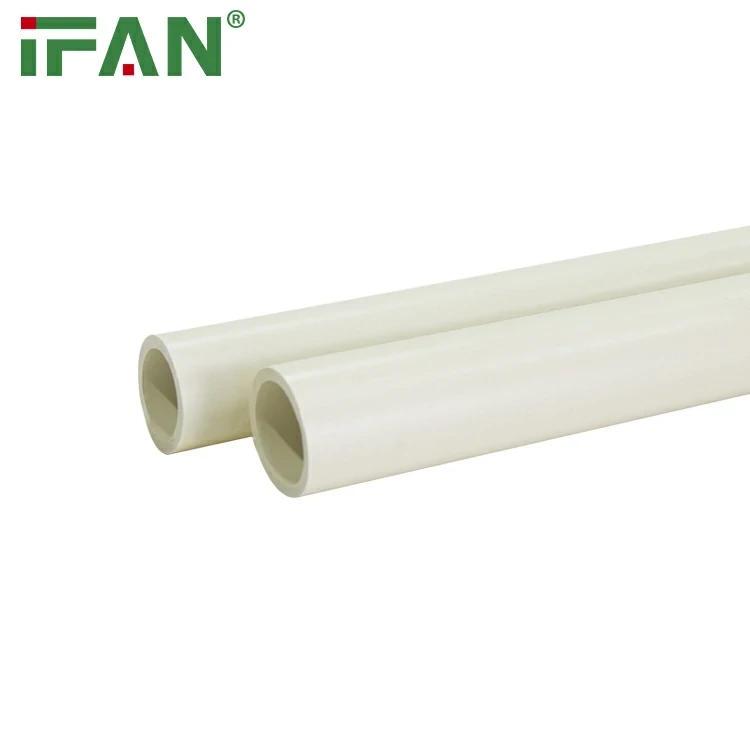
The global PVC industry is dominated by several major players. Shin-Etsu Chemical holds the top position as the world’s largest PVC manufacturer, producing over 4 million tons annually.
Top PVC Manufacturers Worldwide
1. Shin-Etsu Chemical (Japan)
Shin-Etsu leads with massive production capacity. The company operates facilities across Japan, the Netherlands, and the United States. Their annual PVC output exceeds 4 million metric tons.
2. Westlake Corporation (USA)
Westlake ranks second globally. They produce approximately 3.8 million tons of PVC resin yearly. The company serves North American and international markets extensively.
3. Formosa Plastics Corporation (Taiwan)
Formosa maintains strong global presence. Their PVC production reaches 3.5 million tons annually. Multiple manufacturing facilities span Asia and North America.
4. Xinjiang Zhongtai Chemical (China)
China’s largest PVC producer operates massive facilities. Annual production capacity exceeds 2.5 million tons. The company focuses primarily on domestic market supply.
5. Orbia (Mexico)
Orbia produces around 1.8 million tons annually. They serve Latin American markets extensively. The company emphasizes sustainable PVC production methods.
Regional Market Leaders
Asia-Pacific dominates global PVC production. China alone accounts for over 50% of worldwide manufacturing capacity. Japan, Taiwan, and South Korea contribute significantly to regional output.
North America maintains substantial production. The United States hosts major facilities from multiple international manufacturers. Mexico serves as a key production hub for Latin American markets.
Europe focuses on specialized PVC grades. German and Dutch manufacturers emphasize high-quality products. Environmental regulations drive innovation in European facilities.
PVC Manufacturing Process Overview
Modern PVC production involves two primary methods:
Suspension polymerization accounts for 80% of global production. This method produces general-purpose PVC resin efficiently.
Emulsion polymerization creates specialized PVC grades. These products serve specific industrial applications requiring unique properties.
Applications Driving PVC Demand
Construction Industry
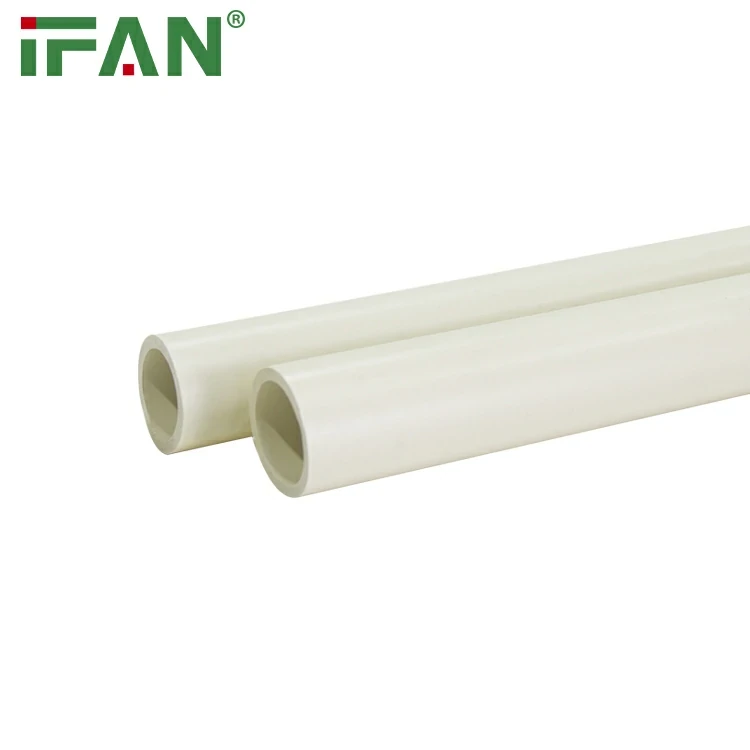
Building materials consume 60% of global PVC production. Pipes, fittings, and profiles dominate construction applications.
Infrastructure Projects
Water distribution systems rely heavily on PVC pipes. Sewage treatment facilities use PVC extensively. Municipal infrastructure projects drive consistent demand.
Industrial Applications
Chemical processing equipment utilizes PVC components. Food processing industries depend on PVC piping systems. Pharmaceutical facilities require specialized PVC products.
Quality Standards in PVC Manufacturing
Leading manufacturers adhere to strict international standards. ISO 9001 certification ensures consistent quality control. ASTM and DIN specifications guide product development.
Testing protocols verify material properties. Impact resistance, chemical compatibility, and thermal stability undergo rigorous evaluation. Third-party certification validates product performance.
Custom PVC Solutions
Large manufacturers often provide customization services. Specialized formulations meet specific industry requirements. Color matching and additive incorporation serve unique applications.
Chinese manufacturers excel in custom PVC production. Companies like Yifan Pipeline offer tailored solutions for diverse industries. Custom pipe manufacturing serves specific project requirements effectively.
Экологические соображения
Sustainable PVC production gains importance globally. Manufacturers invest in cleaner production technologies. Recycling initiatives reduce environmental impact significantly.
Energy efficiency improvements reduce carbon footprint. Advanced process control systems optimize resource utilization. Waste heat recovery enhances overall plant efficiency.
Market Trends and Future Outlook
PVC demand continues growing in emerging markets. Infrastructure development drives increased consumption. Sustainable building practices influence product specifications.
Technological advancement shapes industry evolution. Smart manufacturing systems improve production efficiency. Digital monitoring enhances quality control processes.
Choosing the Right PVC Supplier
Consider production capacity when selecting manufacturers. Quality certifications indicate reliable suppliers. Technical support capabilities matter for complex projects.
Location affects logistics and delivery times. Regional suppliers often provide better service responsiveness. Local manufacturers understand market-specific requirements better.
Заключение
Shin-Etsu Chemical leads global PVC manufacturing by volume. However, regional leaders serve local markets effectively. Chinese manufacturers like Yifan Pipeline combine large-scale production with customization capabilities.
The PVC industry continues evolving rapidly. Sustainability concerns drive innovation. Custom solutions become increasingly important for specialized applications.
Choose manufacturers based on your specific requirements. Quality, capacity, and service capabilities matter most. Consider both global leaders and regional specialists for optimal results.




 Русский
  English
  Français
  Español
Последние комментарии