
When working with piping systems, many professionals encounter confusion between manifolds and valves. While both components control fluid flow, they serve distinctly different purposes in industrial applications.
What Is a Valve?
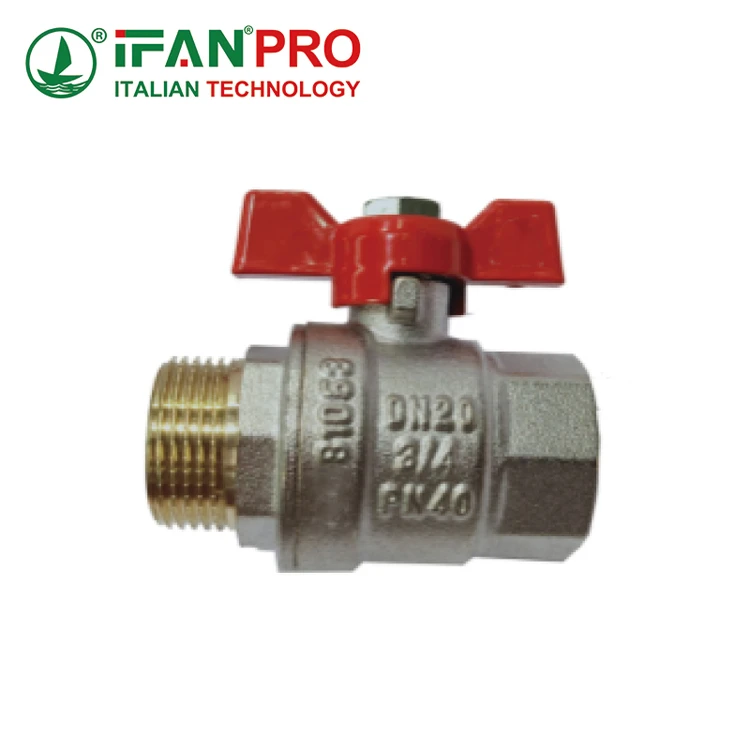
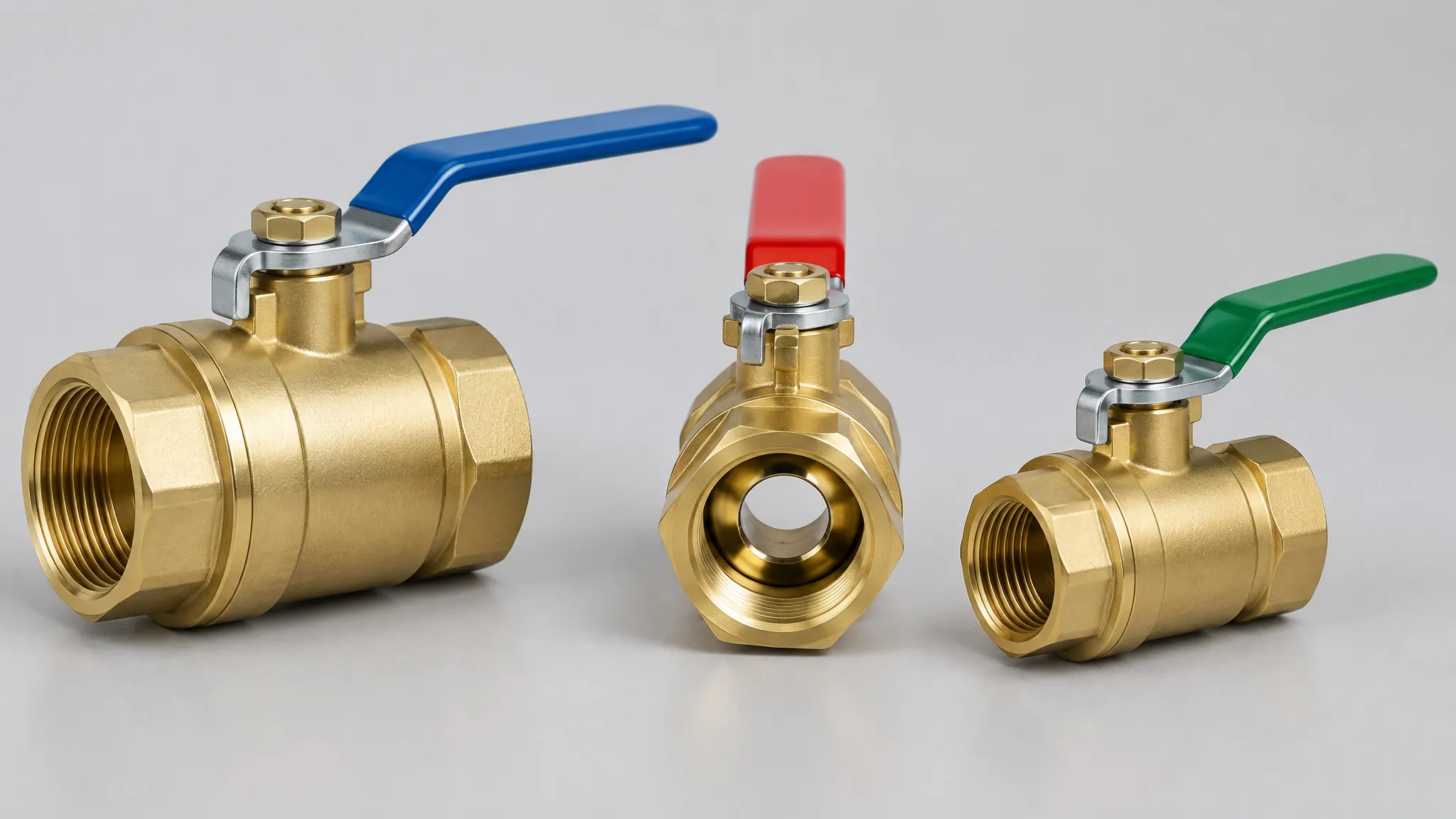
A valve is a device that controls the flow of fluids through a pipe. It can start, stop, or regulate flow by opening, closing, or partially obstructing passageways. Valves come in various types including ball valves, gate valves, globe valves, and check valves.
Key valve functions:
- Flow control and regulation
- Complete flow shutoff
- Pressure regulation
- Flow direction control
What Is a Manifold?
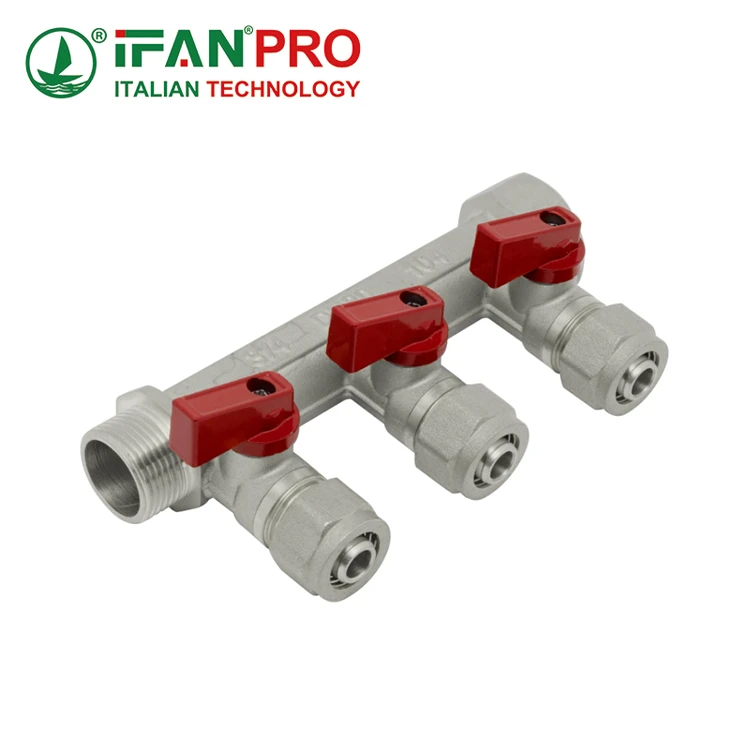
A manifold is a fitting with multiple branches that distributes fluid from one source to several destinations or collects fluid from multiple sources into one outlet. Think of it as a distribution hub for your piping system.
Primary manifold purposes:
- Distribute fluid to multiple lines
- Collect fluid from multiple sources
- Reduce piping complexity
- Centralize flow control points
Core Differences Between Manifolds and Valves
Functionality
Valves control flow. Manifolds distribute flow. A valve acts like a gate controlling traffic on a single road. A manifold functions like a traffic intersection managing multiple routes.
Structure
Valves typically have two ports (inlet and outlet) with an internal mechanism for flow control. Manifolds feature multiple ports branching from a central chamber or passage.
Application Purpose
Valves solve flow control problems. Manifolds solve distribution challenges. You install valves to regulate flow rates or shut off lines. You install manifolds to split one supply line into multiple branch lines.
When to Use Each Component
Choose Valves When You Need:
- Flow rate adjustment
- Complete line isolation
- Pressure control
- Directional flow control
- Emergency shutoff capability
Choose Manifolds When You Need:
- Multiple outlet distribution
- Simplified piping layouts
- Centralized control points
- Reduced fitting requirements
- Space-efficient designs
Manifolds and Valves Working Together
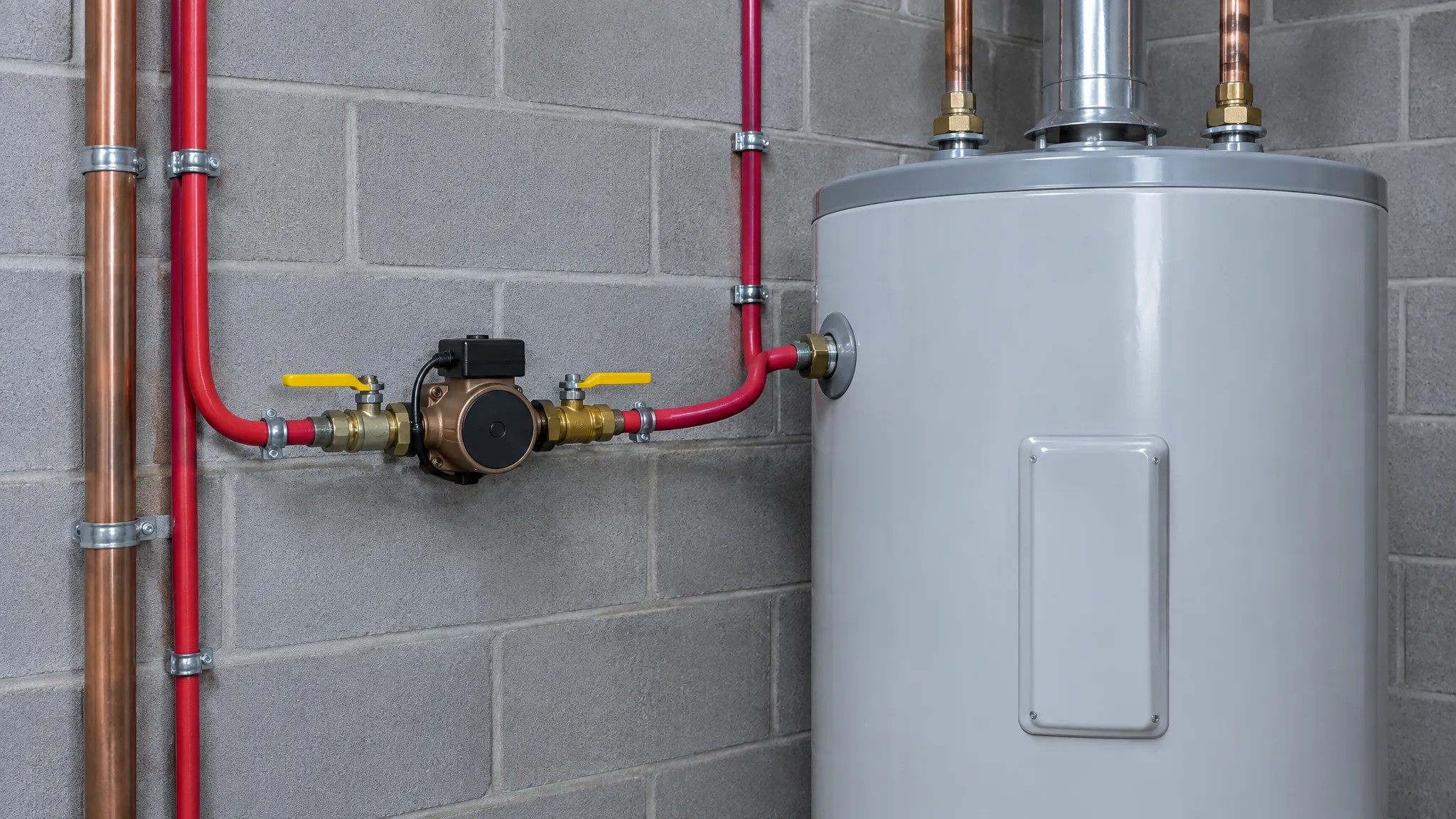
Many systems combine both components effectively. A manifold might distribute fluid to multiple lines, with each line containing valves for individual control. This configuration provides both distribution efficiency and precise flow management.
For example, a heating system manifold distributes hot water to different zones. Individual valves on each branch control flow to specific areas.
Common Misconceptions
Myth: Manifolds can replace valves entirely. Reality: Manifolds distribute flow but cannot provide the same control functions as valves.
Myth: All manifolds include built-in valves. Reality: Some manifolds incorporate valves, but basic manifolds are simple distribution fittings.
Myth: Valves and manifolds serve identical purposes. Reality: Each component addresses different system requirements and challenges.
Selecting the Right Component for Your System
Consider these factors when choosing between valves and manifolds:
System Requirements: Analyze whether you need flow control or flow distribution.
Space Constraints: Manifolds often provide more compact solutions for multiple-branch systems.
Control Precision: Valves offer superior flow regulation capabilities.
Installation Complexity: Manifolds can simplify piping layouts and reduce connection points.
Maintenance Access: Consider how each option affects system serviceability.
Quality Considerations for Industrial Applications
When selecting manifolds or valves for industrial use, prioritize these characteristics:
- Material compatibility with your fluids
- Pressure and temperature ratings
- Corrosion resistance
- Dimensional accuracy
- Manufacturing quality standards
Professional-grade components ensure reliable performance and extended service life in demanding applications.
Заключение
Manifolds and valves serve complementary but distinct roles in piping systems. Valves excel at flow control and regulation. Manifolds specialize in flow distribution and system simplification.
Understanding these differences helps you select appropriate components for your specific applications. Many successful systems incorporate both manifolds and valves to achieve optimal performance and control.
For custom piping solutions that combine the best of both technologies, consider working with experienced manufacturers who understand the nuances of industrial fluid control systems.








 Русский
  English
  Français
  Español
Последние комментарии