
When designing or upgrading any plumbing system, choosing the right type of pipe is critical. Different pipe materials serve different purposes—some are better for hot water, some for drainage, and others for high-pressure industrial use.
Whether you’re a plumbing contractor, wholesaler, or project manager, understanding the strengths of each material can help reduce costs, improve durability, and ensure system efficiency.
Let’s explore the top 8 most commonly used plumbing pipes and their unique advantages.
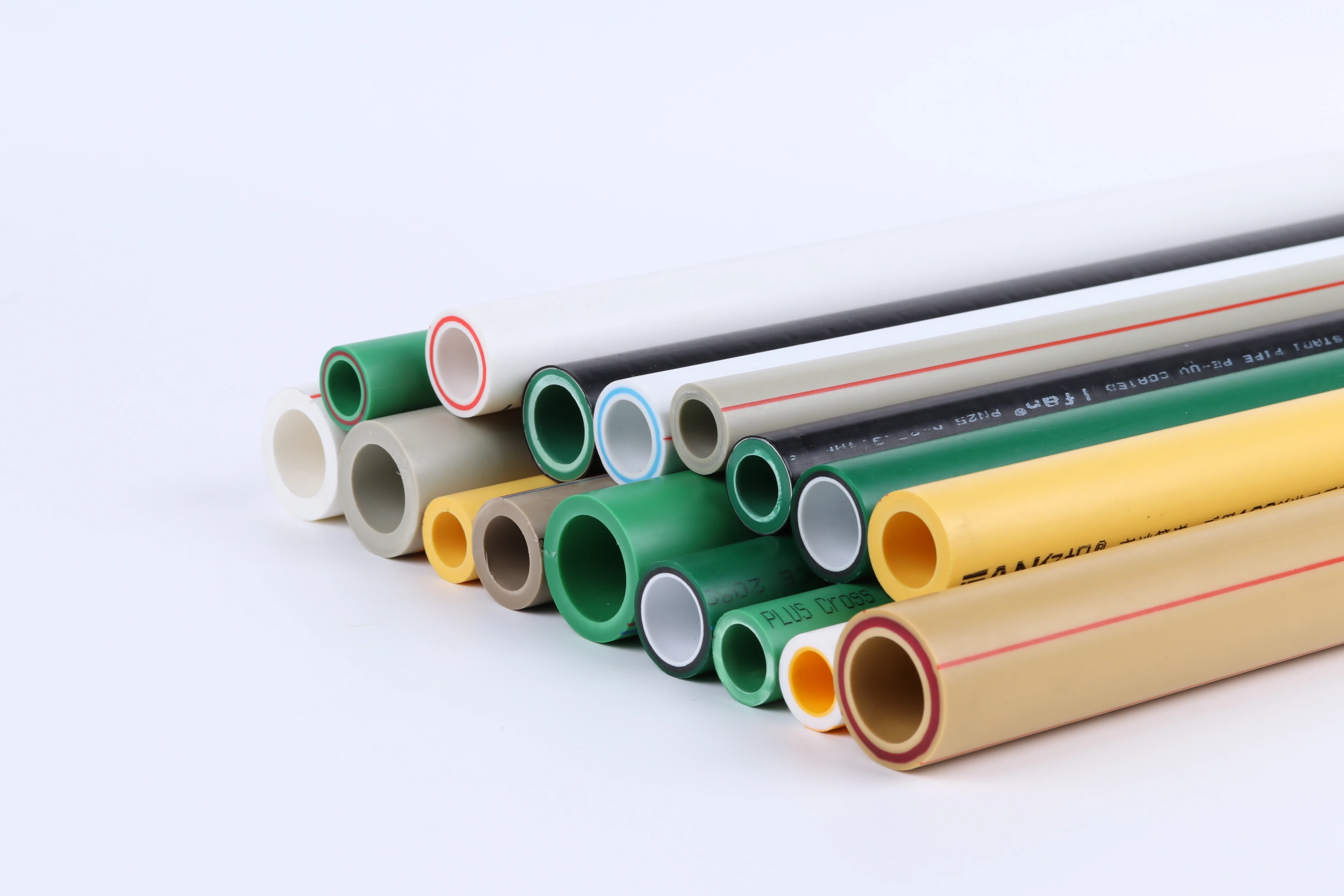
1. PPR (Polypropylene Random Copolymer) Pipes
Best for: Hot & cold water systems, floor heating, industrial applications
Key Benefits:
- High temperature resistance (up to 95°C)
- Corrosion-free and chemical-resistant
- Fusion welding for leak-free joints
- Long service life: 50+ years
- Eco-friendly & recyclable
✅ PPR pipes are ideal for sustainable plumbing projects and widely used across Europe, the Middle East, and Asia.
Looking to source certified PPR systems? ifanpro manufactures DIN and ISO-standard PPR pipes with custom OEM options.
2. PVC (Polyvinyl Chloride) Pipes
Best for: Cold water supply, drainage, and vent systems
Key Benefits:
- Lightweight and easy to install
- Cost-effective for residential projects
- Smooth inner surface reduces flow resistance
- Resistant to corrosion and chemical attack
⚠️ Not suitable for hot water applications due to temperature limitations.
3. CPVC (Chlorinated Polyvinyl Chloride) Pipes
Best for: Hot and cold potable water
Key Benefits:
- Higher temperature resistance than PVC (up to 90°C)
- Easy to cut and join with solvent cement
- Resistant to scaling and bacterial growth
- Affordable alternative to copper in domestic systems
🔧 Common in residential and light commercial plumbing.
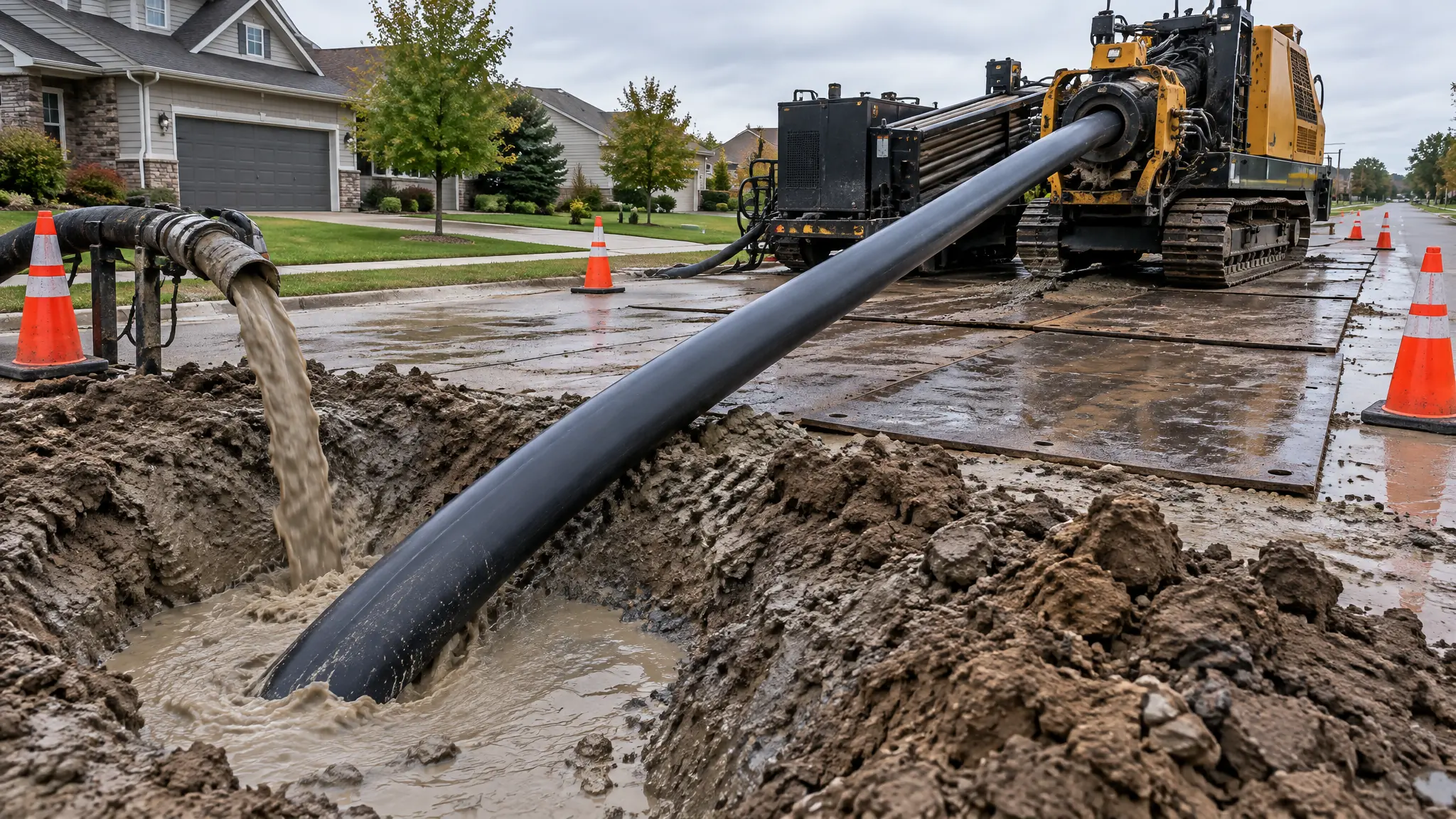
4. HDPE (High-Density Polyethylene) Pipes
Best for: Underground water supply, irrigation, and gas lines
Key Benefits:
- Extremely flexible and impact-resistant
- Excellent chemical and abrasion resistance
- Fusion-welded joints prevent leaks
- Withstands harsh environmental conditions
🌍 Widely used in infrastructure and agriculture worldwide.
5. PEX (Cross-Linked Polyethylene) Pipes
Best for: Radiant floor heating, hot and cold water plumbing
Key Benefits:
- Highly flexible—great for tight spaces and bends
- Withstands thermal expansion
- Easy push-fit or crimp installation
- Resistant to scale and chlorine
🛠️ A favorite in modern residential plumbing systems.
6. Copper Pipes
Best for: High-end residential water supply, HVAC systems
Key Benefits:
- Excellent heat and pressure resistance
- Natural antimicrobial properties
- Long service life
- Fire-resistant
⚠️ More expensive and harder to install due to soldering requirements.
7. Galvanized Steel Pipes
Best for: Older plumbing systems, temporary structures
Key Benefits:
- Strong and durable
- Suitable for outdoor applications
- Historically used for water and gas supply
❌ Susceptible to rust and corrosion over time. Now largely replaced by PPR or PEX.
8. Stainless Steel Pipes
Best for: Industrial systems, hospitals, food-grade environments
Key Benefits:
- Highly resistant to corrosion and chemicals
- Withstands extreme temperatures
- Long-lasting and hygienic
💡 Perfect for specialized applications, though higher in cost.
✅ Which Pipe Is Right for Your Project?
Choosing the best pipe depends on:
- Water temperature
- Pressure requirements
- Budget and lifespan
- Regional standards
- Environmental goals
For example:
- PPR is ideal for contractors seeking a long-term, eco-friendly solution for both hot and cold water.
- ПНД is preferred for outdoor underground networks.
- PEX shines in flexible indoor installations.
👉 At ifanpro.com, we help global buyers, importers, and project managers source high-quality piping systems, including PPR, HDPE, and more—all customizable to local standards and available in bulk.
🏭 About Ifanpro: Your Trusted Pipe Manufacturer from China
ifanpro is a leading pipe factory in China, specializing in:
- PPR pipe systems (DIN/ISO certified)
- Custom OEM services
- Private label solutions
- Global export support to Europe, Middle East, Africa, and South America
We support wholesalers, distributors, and infrastructure projects with durable, affordable piping solutions and fast logistics.
🔍 Conclusion
Understanding the different types of plumbing pipes and their benefits can help you make smarter decisions for your next project. Whether you’re replacing old systems or planning new installations, choosing the right material ensures safety, efficiency, and long-term reliability.
Browse our full product range at 👉 ifanpro.com or contact our team for a custom quote.





 Русский
  English
  Français
  Español
Последние комментарии