
PPR (Polypropylene Random Copolymer) pipes are increasingly used in the United States for hot and cold water supply systems due to their durability, heat resistance, and ease of installation. However, installing PPR piping in the U.S. requires specific precautions to ensure performance, safety, and compliance with local plumbing codes.
Whether you’re a contractor, distributor, or project owner, this article will guide you through the key precautions and best practices for successful PPR plumbing installation in the U.S. market.
🔍 1. Understand U.S. Plumbing Code Compliance
Before installing PPR piping, check whether it complies with:
- IPC (International Plumbing Code)
- UPC (Uniform Plumbing Code)
- Local building regulations and city/state codes
✅ Tip: Use PPR systems that carry NSF/ANSI 14 or NSF/ANSI 61 certification for potable water use in the U.S.
🛠️ 2. Use the Correct Fusion Welding Equipment
PPR pipes are joined by socket fusion, requiring:
- Proper fusion tools (heat fusion machines with temperature control)
- Precise alignment and timing based on pipe diameter
⚠️ Failure to follow fusion protocols can cause leaks or joint failure. Always refer to the manufacturer’s welding guidelines.
🌡️ 3. Account for Temperature and Expansion
PPR expands when heated. In hot water applications:
- Use expansion loops or offsets to allow for thermal movement
- Install pipe clips with free movement allowance
- Keep pipe runs away from direct sunlight unless UV-protected
✅ Choose PN20 or PN25-rated PPR pipes for hot water systems.
🧰 4. Use Certified Fittings and Accessories
Mixing components from different brands may result in poor fit or leaks. Always use:
- Factory-certified PPR fittings
- Compatible brass or metal transition fittings for connecting to copper or PVC systems
- Support brackets every 1–1.5 meters, especially for vertical runs
✅ Use factory-matched fittings like those from ifanpro, a China-based PPR manufacturer offering certified wholesale options.
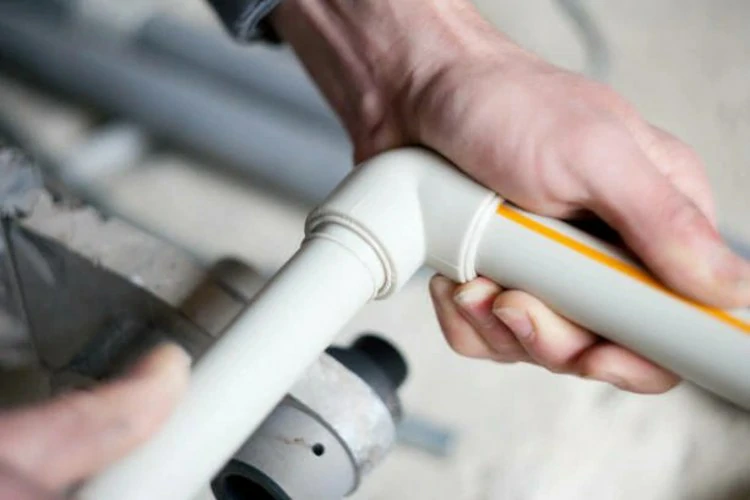
📏 5. Measure, Cut, and Align Precisely
PPR pipe installation requires:
- Clean, straight cuts (use a sharp pipe cutter)
- Cleaning of pipe ends before welding
- Proper insertion depth during fusion
⚠️ Incomplete fusion or contamination at joints leads to weak spots and potential system failure.
🔧 6. Plan for Transitions Between Materials
PPR is often integrated into mixed-material systems in the U.S., especially during renovations.
Use appropriate fittings when transitioning to:
- PVC (threaded or hybrid adapters)
- Copper (brass unions with sealing tape)
- PEX (via push-to-connect or threaded adapters)
✅ Never attempt to glue PPR to PVC. Always use threaded or compression transition fittings.
🌍 7. Choose a Reliable Wholesale Supplier
If you’re sourcing PPR piping and fittings in the USA, it’s critical to buy from a trusted manufacturer with:
- Certifications for U.S. compliance
- Competitive wholesale pricing
- Technical support for large-scale projects
ifanpro is a PPR pipe and fitting manufacturer from China, offering:
- ISO/DIN-certified PPR systems
- OEM/ODM services
- Bulk orders with fast shipping to North America
- Technical documentation and welding guides for installers
✅ Conclusion
Installing PPR piping systems in the United States offers many advantages, but it’s essential to follow the correct installation procedures and ensure regulatory compliance. From welding technique to expansion control and code certifications, each step matters.
By partnering with reliable suppliers like ifanpro, U.S. contractors and distributors can access high-quality, customizable PPR plumbing systems that meet the needs of modern construction.








 Русский
  English
  Français
  Español
Последние комментарии