
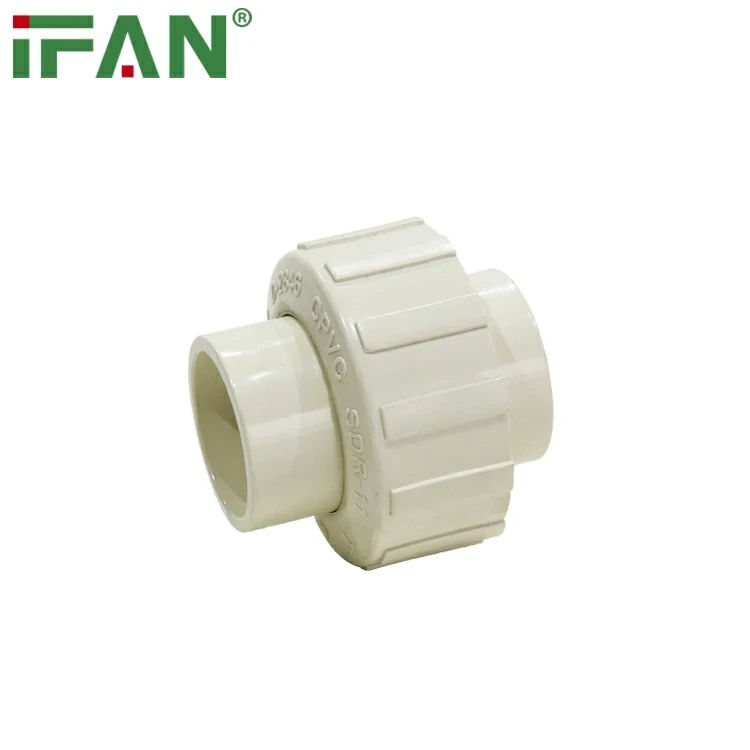
Introduction to PVC Pipe Fittings
In modern plumbing systems, PVC (Polyvinyl Chloride) pipe fittings are essential components for building safe, reliable, and long-lasting water transport infrastructure. Among these fittings, PVC couplings play a critical role in connecting two pipe segments, whether for extending lines, repairing damaged sections, or altering flow direction.
PVC couplings are widely used in residential, commercial, and industrial applications thanks to their affordability, chemical resistance, and ease of installation. This article will help you understand the different types of PVC couplings and how to choose the right one for your project.
What Are PVC Couplings?
A PVC coupling, sometimes called a PVC connector, is a short-length pipe fitting designed to connect two lengths of PVC piping. It is typically used in straight-line installations where the two pipes need to be joined end-to-end.
Depending on your application, couplings may be:
- Slip-type (solvent welded)
- Резьба
- Compression or repair types
Importance of Choosing the Right PVC Coupler
Using the wrong type of coupling can result in leaks, poor flow efficiency, or system failure. Whether you’re building a pressurized water system, an irrigation setup, or a chemical pipeline, selecting the correct coupling based on pipe diameter, connection method, and application pressure is essential.
At ifanpro, we help global buyers source high-quality, custom PVC couplings that meet international standards, including ISO, DIN, and ASTM.
Overview of PVC Coupling Types
1. PVC Slip Couplings
Also known as solvent weld couplings, these are the most common type. They connect two pipes via solvent cement and primer.
Ideal For:
- Permanent water lines
- Underground installations
- Irrigation systems
Installation Tip: Always use a proper solvent adhesive and allow curing time before pressurizing.
2. PVC Threaded Couplings
These couplings feature internal threads that allow pipes to be screwed in. They are reusable and commonly used in systems that require disassembly.
Ideal For:
- Temporary or modular systems
- Irrigation or filtration units
- Low to medium pressure systems
3. PVC Repair Couplings (Telescopic or Union Type)
Used to replace a damaged section of pipe without cutting long lengths.
Features:
- Adjustable length
- O-ring seals or union threads
- Quick repairs without major reconstruction
Great for:
Emergency fixes and maintenance.
4. Other Specialized PVC Couplings
- Reducing Couplings: Connect different pipe diameters
- Flexible Couplings: Allow slight movement and misalignment
- Compression Couplings: Tool-free installations
- Electrical Conduit Couplings: For non-water carrying PVC lines
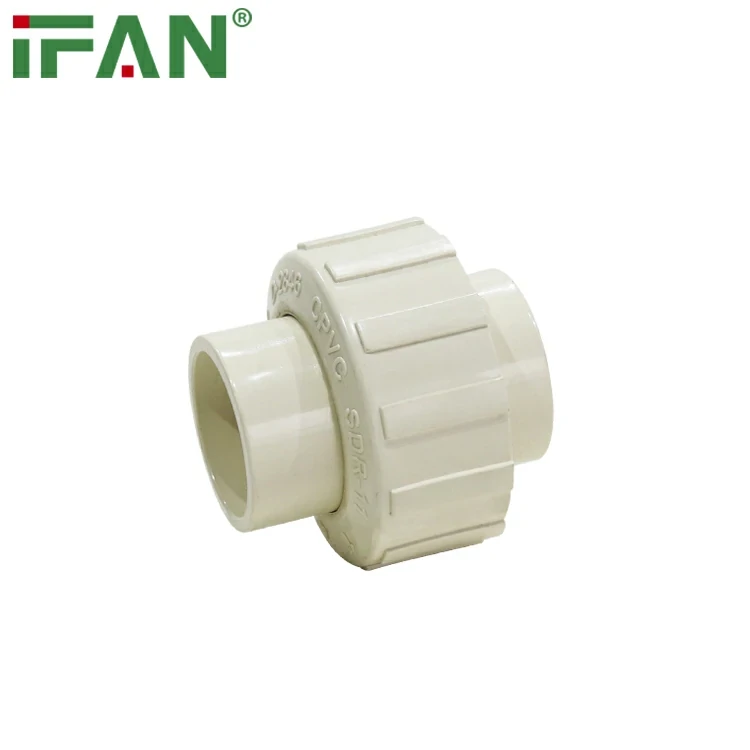
The 3/4 PVC Coupling Explained
Specifications and Sizes
A 3/4-inch PVC coupling refers to the nominal diameter of the pipe it connects. It’s a widely used size in:
- Residential plumbing
- Garden irrigation
- Air conditioning drain lines
Standard specs:
- Outer Diameter: ~26.7mm (based on schedule)
- Pressure Class: Schedule 40 or 80
- Available in slip or threaded types
Applications of 3/4 PVC Couplings
- Connecting garden hose pipes
- Joining indoor plumbing fixtures
- Water filtration systems
- Small pump connections
This size balances flow rate and compact design, making it a go-to for light-duty plumbing systems.
Installation Tips for 3/4 PVC Couplings
- Clean pipe ends with a cloth and PVC cleaner
- Apply primer and cement (for slip types) evenly
- Thread carefully (for threaded types) to avoid cross-threading
- Allow 10–15 minutes curing before testing for leaks
- Use Teflon tape on threaded joints for better sealing
Comparing PVC Couplings to Other Pipe Fittings
Advantages of PVC Over Other Materials
| Feature | PVC | Metal | PPR |
|---|---|---|---|
| Cost | Low | High | Moderate |
| Устойчивость к коррозии | ✅ | ❌ | ✅ |
| Weight | Lightweight | Heavy | Lightweight |
| Installation | Easy | Requires tools | Heat fusion |
| Lifespan | 25–50 years | 20–40 years | 50+ years |
PVC is ideal for non-pressurized or low-pressure systems, offering low cost and versatility.
When to Use PVC Couplings vs. Other Couplers
- PVC vs. PPR: Choose PVC for cold water or drainage; PPR for hot water or pressurized systems.
- PVC vs. CPVC: Use CPVC when higher temperature resistance is needed.
- PVC vs. Metal: Use metal for extreme pressure or high-temperature environments.
Заключение
Summary of Key Points
- PVC couplings come in various types: slip, threaded, repair, and specialized.
- The 3/4 PVC coupling is a versatile, high-demand size for general plumbing needs.
- Choosing the right coupling improves system performance and longevity.
- Proper installation and material compatibility are key to success.
Final Thoughts on Selecting the Right PVC Coupling
At ifanpro, we manufacture and export a wide range of PVC couplings and fittings, including custom OEM orders for global partners. Whether you’re sourcing for residential, agricultural, or commercial systems, we provide:
- High-quality PVC products
- Fast global shipping
- Technical and customization support
🔗 Visit ifanpro.com to explore our catalog or request a quote today.










 Русский
  English
  Français
  Español
Последние комментарии