
In today’s plumbing and piping industry, the choice between modern plastic fittings like PPR (полипропилен рандом сополимер) and traditional metal fittings is critical for system performance, cost, and longevity. With growing demand for durable, eco-friendly, and cost-effective solutions, PPR pipe fittings—especially unions—are becoming the preferred choice in many residential, commercial, and industrial projects.
In this article, we’ll break down the key benefits of Трубные фитинги PPR, compare them to metal alternatives, and provide practical tips for selecting the right sizes and installation practices.
🔧 Overview of PPR Plumbing Fittings
🔍 Definition and Purpose
Трубные фитинги PPR are thermoplastic components used to connect, redirect, or control the flow of hot and cold water in plumbing systems. Common in Europe, Asia, and the Middle East, they are engineered for high-pressure and high-temperature applications, offering a clean, long-lasting solution for modern water systems.
✅ Benefits of PPR Pipe Systems
- Устойчивость к коррозии: Unlike metal, PPR does not rust or scale.
- Thermal Efficiency: Low heat loss compared to copper or steel.
- Долголетие: Service life exceeds 50 years under normal conditions.
- Non-toxic and BPA-free: Safe for potable water.
- Noise Reduction: Less vibration and water hammer effects.
- Recyclable: Environmentally friendly and aligned with EU sustainability standards.
🔄 Types of PPR Fittings
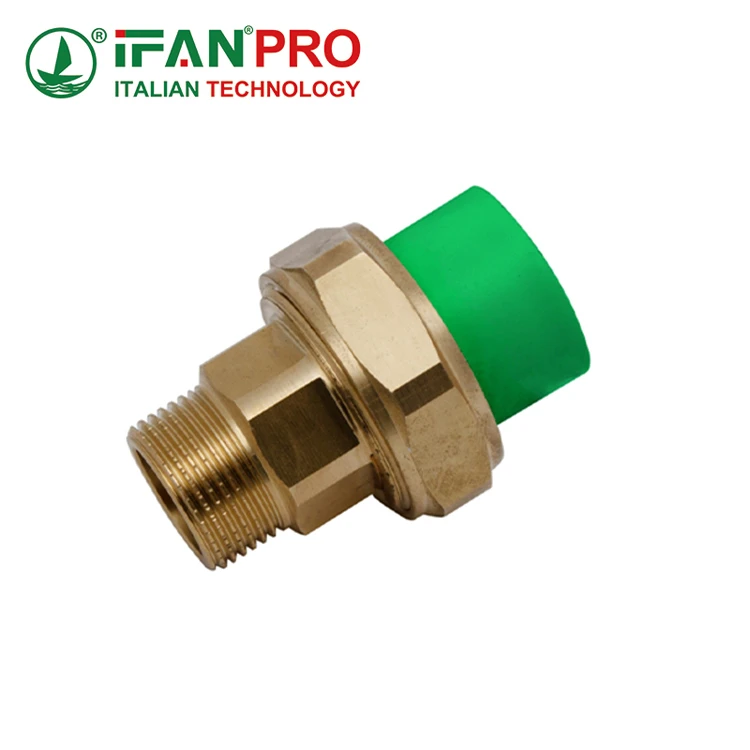
🔗 PPR Pipe Union
A PPR union is a specialized fitting designed to easily disconnect and reconnect two pipes without cutting. It typically includes:
- Male and female socket components
- A threaded ring for tightening
- An internal sealing ring or gasket
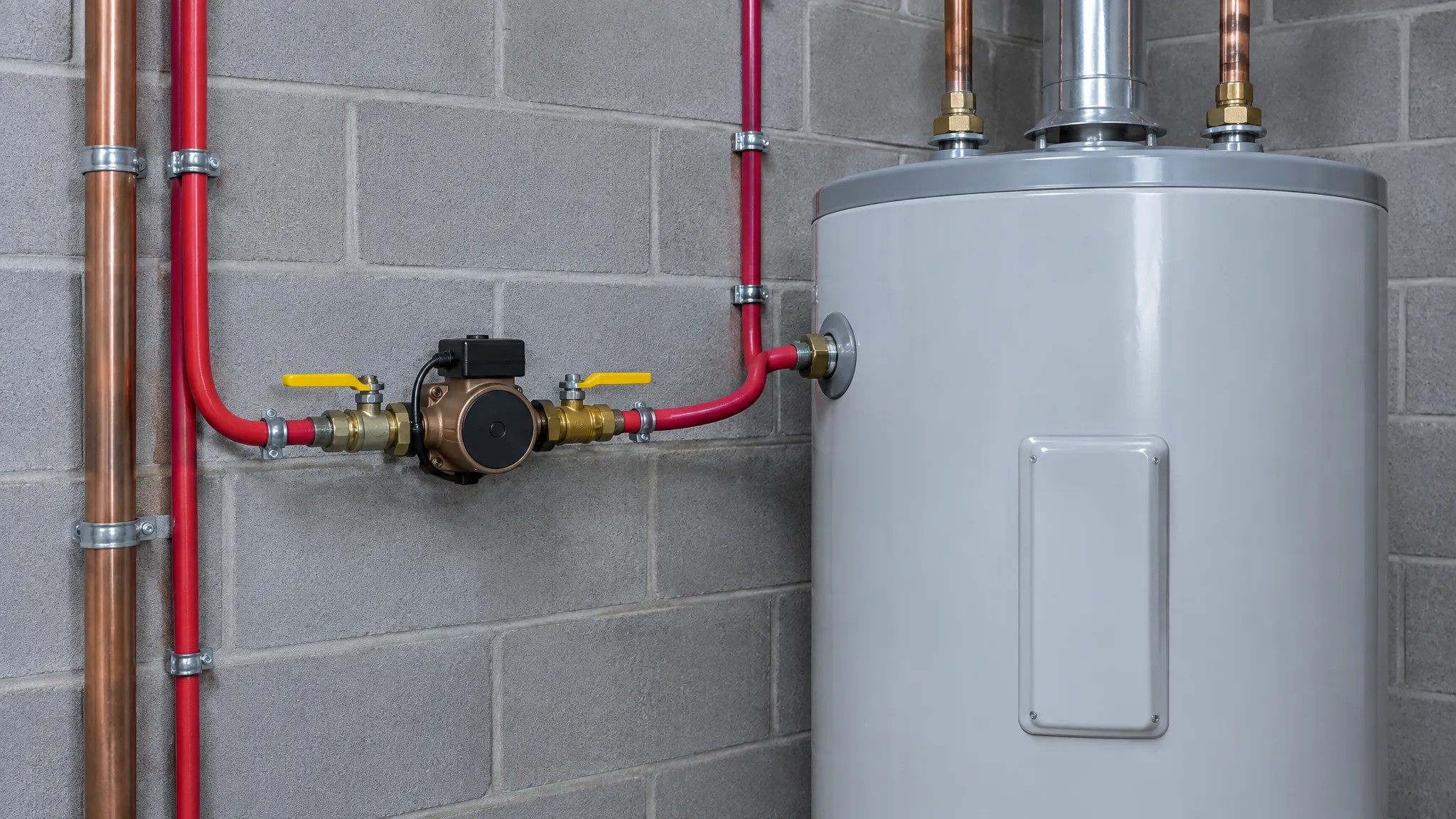
Use cases: Ideal for maintenance-intensive areas such as pump rooms, water meters, or heater connections.
🔌 PPR Connectors
These are used to transition between:
- PPR to metal (via threaded connectors)
- PPR to PVC
- PPR to faucets or valves
Connector options include:
- Male/female threaded adapters
- Flange connectors
- Compression fittings
🔄 Various PPR Fitting Types
- Elbows (90°/45°)
- Tees (equal or reducing)
- Reducers and couplings
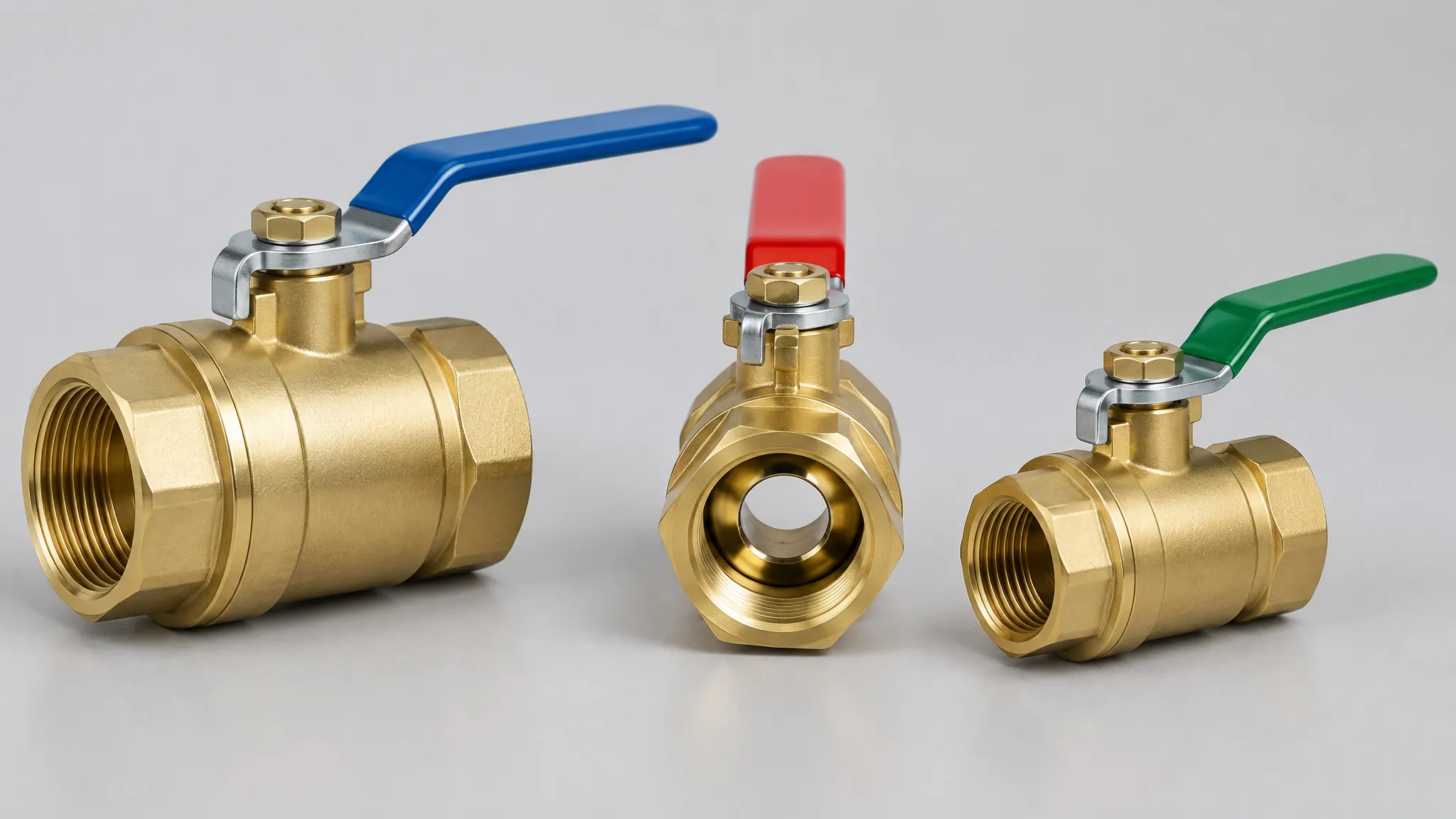
- End caps and ball valves
🔍 Comparison with Traditional Metal Fittings
🧱 Material Durability
| Feature | PPR | Metal |
|---|---|---|
| Rust/Corrosion | ❌ No | ✅ Yes |
| Химическая стойкость | ✅ Excellent | ❌ Limited |
| UV Sensitivity | ❌ Must be shielded | ✅ Stable in sunlight |
PPR fittings outperform metal in chemical-heavy or humid environments.
💰 Cost-effectiveness
PPR:
- Lower material cost
- Easier, faster installation
- Fewer replacement parts
Metal:
- Higher purchase cost
- Requires skilled labor (e.g., soldering)
- Susceptible to theft (e.g., copper)
⚖️ Weight and Handling
PPR is lightweight, reducing transportation and installation labor. Metal is heavy and rigid, requiring supports and more labor-intensive handling.
🛠️ PPR Pipe Installation Practices
🔧 Installation Methods
- Socket Fusion Welding: Standard method using a fusion machine to melt and join pipes.
- Threaded Connections: Used when connecting to metal systems.
- Mechanical Clamping: For hybrid or temporary systems.
⚠️ Common Challenges
- Requires training for heat fusion
- Improper fusion can cause leaks
- Incompatible with high-UV exposure without insulation
💡 Solutions for Effective Installation
- Always use certified fusion tools
- Clean pipes before welding
- Maintain proper heating and cooling times
- Use protective coverings outdoors
📐 PPR Fitting Size Chart
📏 Understanding Sizes and Standards
Common sizes range from 20mm to 160mm, with pressure ratings such as:
- PN16 (for cold water or low pressure)
- PN20/25 (for hot water and pressurized systems)
PPR fittings must comply with:
- DIN 8077/8078
- ISO 15874
🎯 Importance in System Design
Choosing the correct size ensures:
- Balanced water pressure
- System longevity
- Energy efficiency
Undersized or oversized fittings can lead to:
- System strain
- Increased wear
- Water hammer
💡 Tips for Selecting the Right Size
- Match fitting pressure rating to your application (cold vs hot water)
- Use reducers to connect varying diameters
- Refer to standard charts for pipe ID/OD compatibility
- Confirm fitting standards (DIN/ISO) for international compliance
🏭 Wholesale PPR Fittings from ifanpro
At ifanpro, we are a China-based pipe factory specializing in PPR pipe systems, offering:
- Factory-direct pricing
- DIN/ISO-certified fittings
- OEM customization
- Bulk supply for distributors and contractors
Our PPR unions and connectors are trusted across Europe, the Middle East, Africa, and South America for their reliability and affordability.
🔗 Visit ifanpro.com to view our full product range or request a free quote.
✅ Conclusion
While traditional metal fittings still serve specific uses, PPR pipe fittings—especially unions and connectors—are rapidly becoming the industry standard for plumbing systems due to their environmental benefits, performance, and cost efficiency.
For long-term savings, cleaner installations, and modern performance, PPR is the smarter choice. Explore the latest in PPR fitting technology with ifanpro, your global manufacturing partner.




 Русский
  English
  Français
  Español
Последние комментарии