
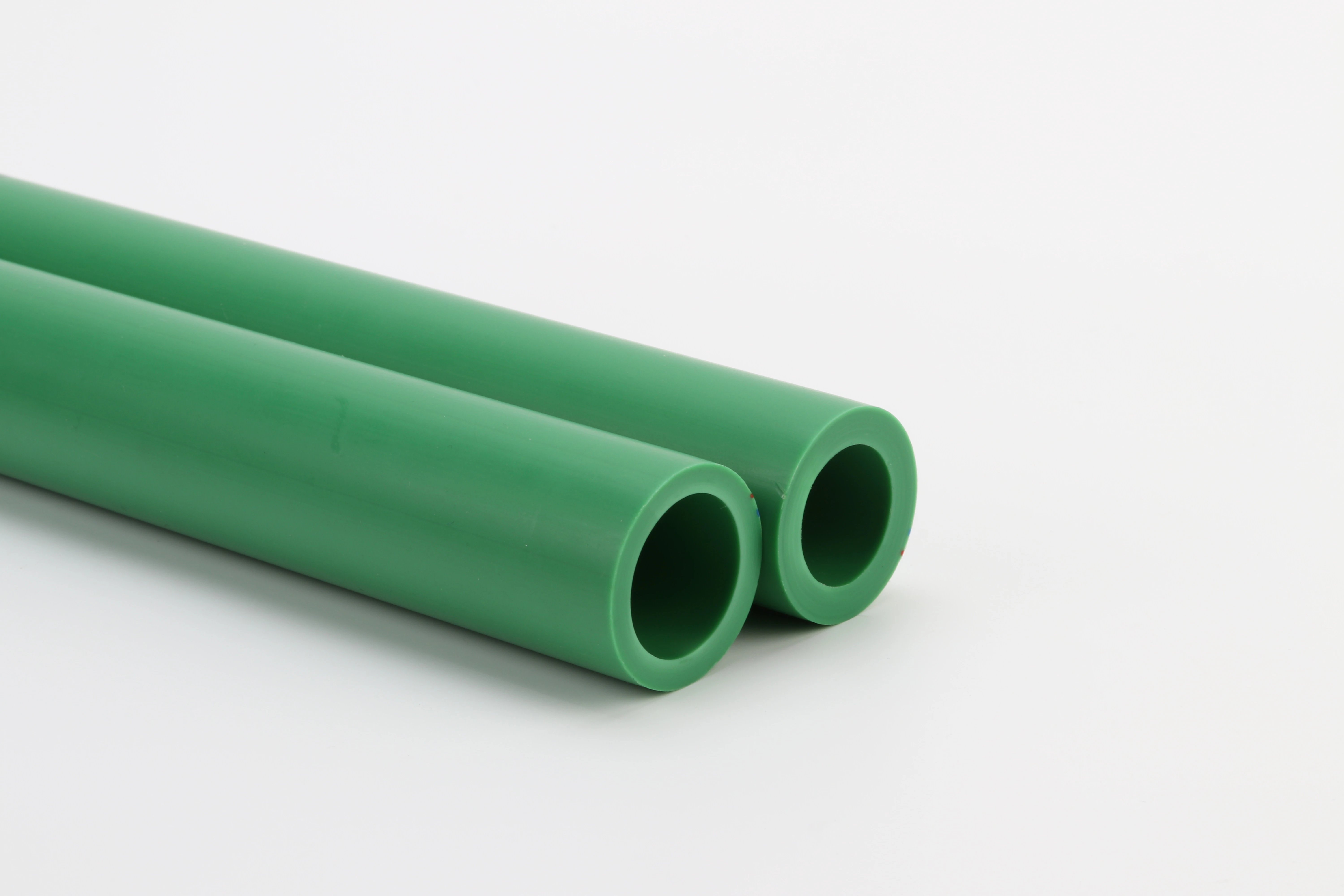
When sourcing PPR (Polypropylene Random Copolymer) pipes and fittings, many buyers notice that they come in various colors—most commonly green and white. This leads to a common question: Is there a functional difference between green and white PPR? Or is it just cosmetic?
In this article, we’ll explain the real differences (if any) between green and white PPR pipes, clarify regional preferences, and guide you in choosing the right one for your project or business.
🎨 Do Green and White PPR Pipes Perform Differently?
No, the performance is typically the same.
The color of a PPR pipe does not affect its technical properties such as:
- Pressure resistance
- Temperature tolerance
- Chemical resistance
- Долголетие
Both green and white PPR pipes are manufactured from the same base material (Type 3 Polypropylene) and are usually compliant with the same standards, such as:
- DIN 8077/8078
- ISO 15874
➡️ The only difference is the pigment used during production.
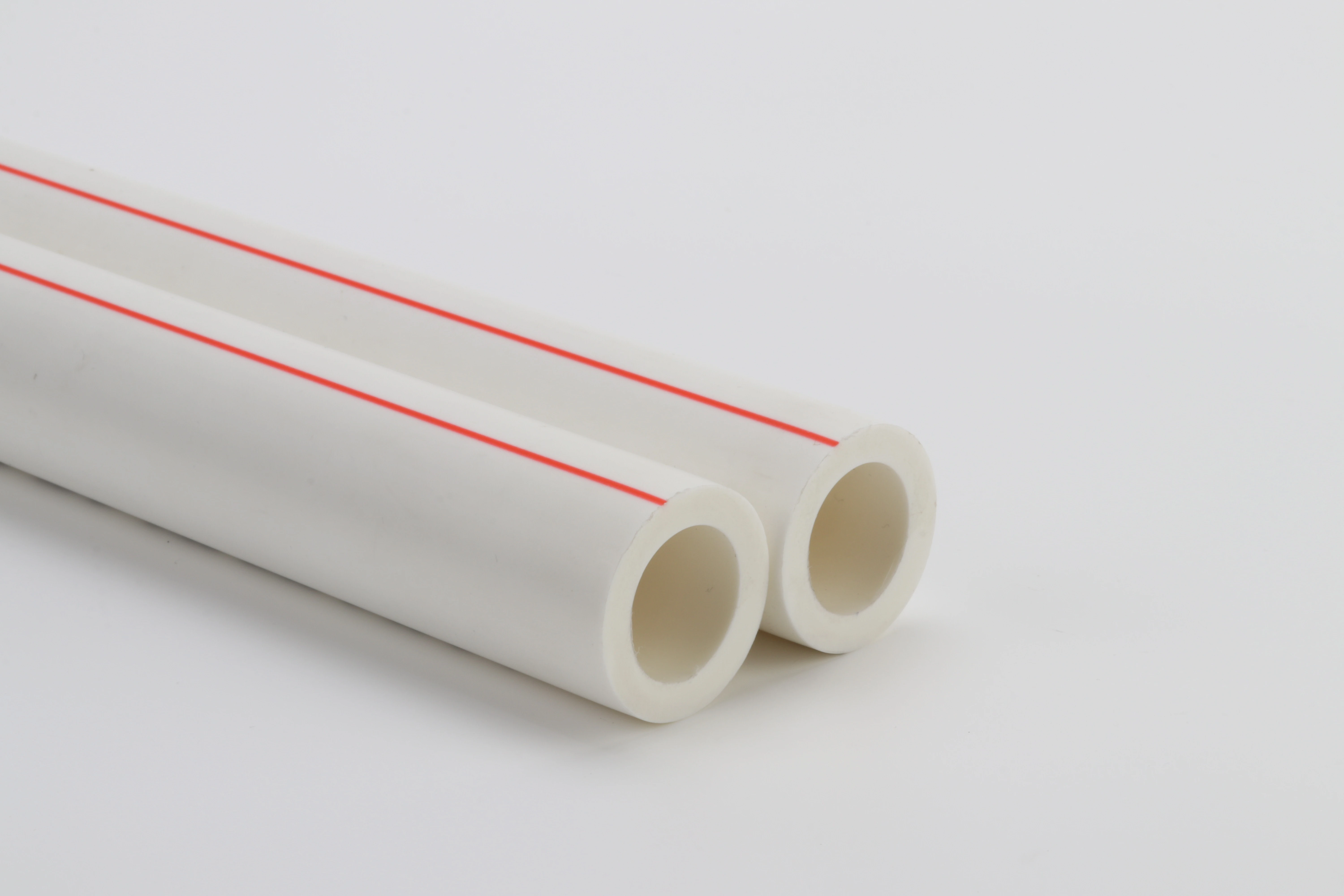
📌 So Why Are There Different Colors?
The main reasons behind color variations are:
✅ Regional Preferences
- Green PPR is most popular in Asian, Middle Eastern, and African markets.
- White PPR is more commonly used in European countries, especially Germany and Italy.
✅ Brand Identity
Some manufacturers or projects may use color to differentiate between brands or pipe types (e.g., for hot vs. cold water, or specific building zones).
✅ UV Resistance (in some cases)
Certain colored pipes (especially black or grey) may have better UV protection due to added stabilizers. However, this is not generally the case for green or white unless specified by the manufacturer.
Always check the technical datasheet to verify UV protection or outdoor suitability.
⚙️ Which Color Should I Choose?
Here are some factors to consider when choosing between green and white PPR:
| Factor | Green PPR | White PPR |
|---|---|---|
| Popular Regions | Asia, Middle East, Africa | Europe, North America |
| Visibility | Higher visibility in walls or floors | Blends better with white interiors |
| Supply Availability | Widely stocked in Asian markets | Preferred for high-end or European-style projects |
| Branding | Common with many Chinese manufacturers | Often associated with European standards |
💡 Tip: For B2B buyers and distributors, it’s best to align with local preferences and project specifications.
🌍 Global Supply from ifanpro
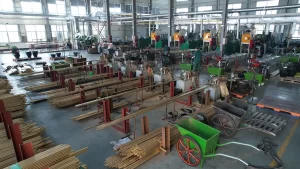
At ifanpro, we are a trusted PPR pipe and fitting manufacturer based in China with global reach. We offer:
- Green, white, and custom-colored PPR products
- Full compliance with DIN and ISO standards
- OEM/private label services for global distributors
- Competitive pricing and fast production for wholesale orders
Visit our official website 👉 ifanpro.com to request samples, datasheets, or bulk pricing.
🏗️ Common Applications for Green & White PPR
| Application | Green PPR | White PPR |
|---|---|---|
| Residential plumbing | ✅ | ✅ |
| Hot & cold water systems | ✅ | ✅ |
| HVAC & central heating | ✅ | ✅ |
| Hospital/cleanroom installs | ✅ | ✅ |
| Visible indoor installations | Less preferred | More aesthetic |
Regardless of color, PPR offers:
- Long life span (50+ years)
- Excellent temperature and pressure resistance
- Non-toxic, corrosion-free piping
✅ Conclusion
There is no functional difference between green and white PPR pipes unless specified by the manufacturer. The choice often comes down to regional preferences, aesthetics, and brand requirements.
If you’re looking for a reliable PPR supplier offering both green and white options, explore ifanpro’s product catalog today. We provide customized PPR solutions for global importers, contractors, and system integrators.










 Русский
  English
  Français
  Español
Последние комментарии