
The core of the PVC vs CPVC pipe decision is temperature. Both pipes share the same base polymer, and both look similar on a shelf, but standard PVC starts to soften and lose pressure rating above roughly 140°F (60°C), while CPVC holds structural integrity up to about 200°F (93°C). If the fluid running through the line is cold or near room temperature, PVC does the job at a lower price. If the line carries hot water or a warm process fluid, that extra heat tolerance is exactly what CPVC is built for — and putting PVC there is the mistake that softens fittings and splits joints in service.
This guide breaks the comparison down by the three properties that actually decide the pick — temperature, pressure, and chemical resistance — then gives you a head-to-head table and a scenario-based selection matrix so you can specify the right material without overpaying. If you are still weighing plastic against metal systems entirely, our note on how plastic and metal systems compare covers that trade-off first. If you have already settled on a vinyl pipe and just need to choose between the two grades, the answer is below.
Key Takeaways
- Temperature is the deciding factor. Standard PVC is rated to about 140°F (60°C); CPVC is rated to roughly 200°F (93°C). The extra chlorine in CPVC buys that 60°F of headroom.
- Same family, different chemistry. CPVC is PVC that has been extra-chlorinated, raising the chlorine content from about 57% to roughly 63–67% and lifting the heat-deflection point.
- Pressure ratings derate with heat. Both pipes lose pressure capacity as temperature climbs, but PVC loses it far sooner — near its ceiling it retains only a small fraction of its 73°F rating.
- Pick PVC for cold-water supply, DWV (drain-waste-vent), irrigation, and vent lines. Pick CPVC for hot-water distribution and warmer industrial or chemical service.
- The two are not solvent-weldable to each other. PVC cement meets ASTM D2564; CPVC cement meets ASTM F493 — never substitute one for the other.
- CPVC costs more per foot, so do not over-specify it on cold lines where PVC already meets the temperature and pressure demand.
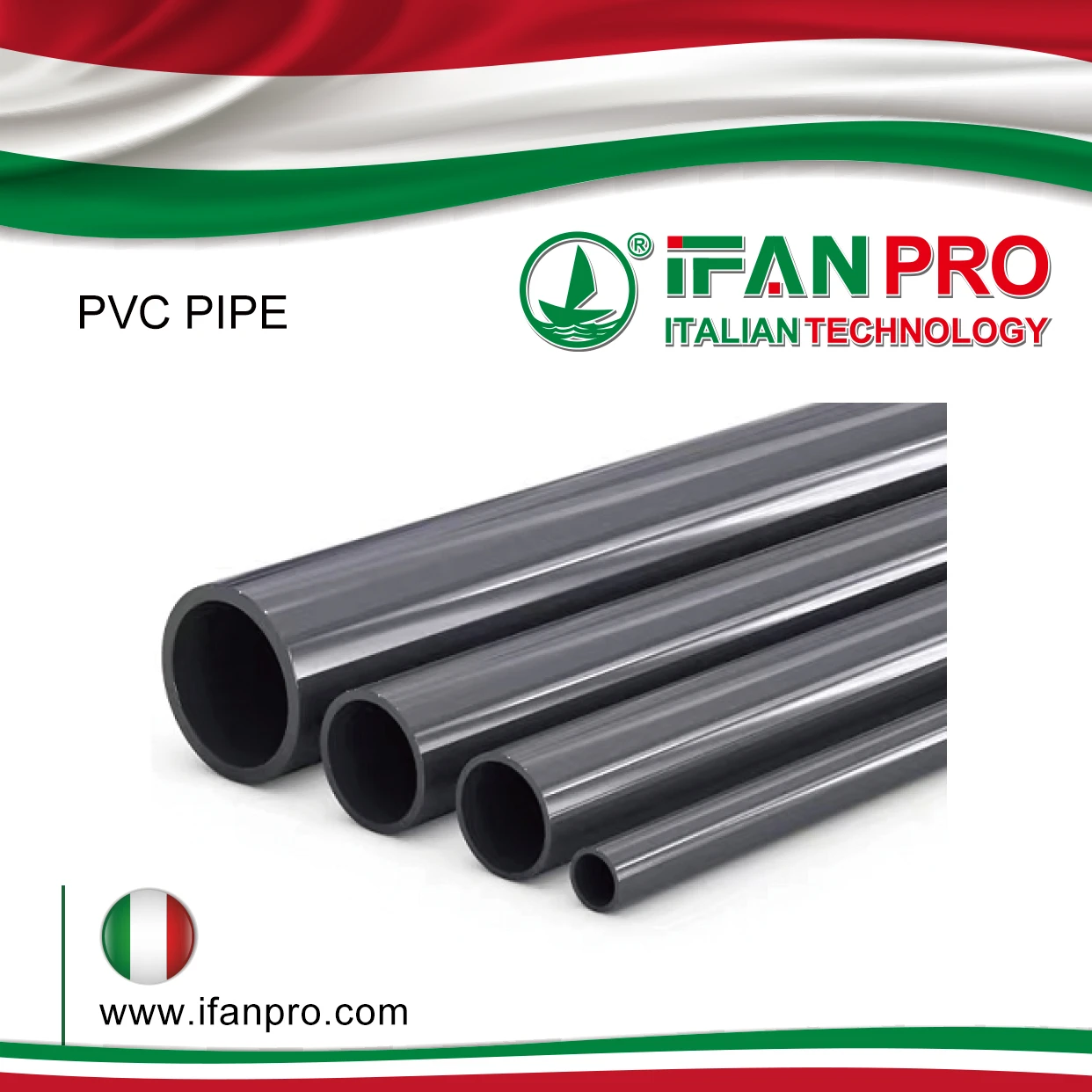
This guide is part of our complete guide to PVC pipe and fittings — start there for the full PVC system overview.
PVC vs CPVC: The Short Answer
PVC and CPVC start from the same place. Both are built on the polyvinyl chloride backbone, and both are covered under the same material standard family, ASTM D1784, which classifies rigid vinyl compounds by cell class. The difference is what happens after the base resin is made. CPVC goes through an added chlorination step that raises its bound-chlorine content from roughly 57% up to the 63–67% range, and that heavier chlorine loading is what shifts the softening point higher. You can read more on the material chemistry through the chlorinated polyvinyl chloride background.
In practical terms, that one chemistry change decides where each pipe lives. PVC tops out around 140°F, so it belongs on cold-water supply, drain-waste-vent, irrigation mains, and low-temperature vents. CPVC carries its rating up to roughly 200°F, which is why plumbing codes accept it for hot-water distribution and why plants reach for it on warm chemical and process lines. Choose by the fluid temperature first; everything else — pressure class, cement type, cost — follows from that single call.
Temperature & Pressure: Where the Real Gap Shows
Every rigid vinyl pipe carries its headline pressure rating at 73°F (23°C). That number is a reference point, not a promise for hot service. As the fluid warms, the material softens and the safe working pressure drops — a behavior engineers call thermal derating. This is the single most misunderstood part of the PVC vs CPVC comparison, because a contractor who sizes a hot line off the room-temperature rating is designing for a pressure the pipe will not actually hold once heat arrives.
PVC derates aggressively. Approaching its 140°F ceiling, a PVC pipe retains only a small share of its 73°F pressure rating — commonly cited around 20–22% at that temperature — which is why the material is effectively finished as a pressure pipe well before it reaches its softening point. CPVC follows the same downward curve, but it starts from a higher temperature ceiling and holds usable pressure at temperatures where PVC has already gone soft. At 180°F, where PVC has no business carrying pressure, CPVC still retains a working fraction of its rating and stays dimensionally stable.
Field note: A 180°F line is the classic trap. It sits inside CPVC’s range but 40°F past PVC’s ceiling. Run PVC there and the pipe may not burst on day one — it creeps, sags between hangers, and weeps at solvent joints as the fittings soften. Rate the pipe for the peak temperature the line will ever see, not the average.
Two more temperature figures matter when you order. Both materials have a recommended maximum service temperature you should treat as a hard design limit, and both should be protected from freezing — a frozen, full line can crack either grade. Where wall thickness is a variable, remember that schedule affects pressure, not temperature: a Schedule 80 PVC pipe is stronger than Schedule 40, but it is still PVC and still tops out near 140°F. If you need to sort those schedules for pressure, our breakdown of Schedule 40 vs 80 PVC covers the wall-thickness math.
Chemical Resistance & Applications
Both grades resist a wide band of acids, bases, and salt solutions that would corrode metal pipe, which is why vinyl systems dominate water treatment, irrigation, and many chemical-handling lines. The general rule: CPVC extends that chemical resistance to higher temperatures than PVC can survive, so a solution that PVC handles cold, CPVC can often handle warm. That said, chemical compatibility depends on the specific chemical, its concentration, and the operating temperature together — always confirm a fluid against a current manufacturer chemical-resistance chart and the relevant standard before you commit a line, rather than relying on a general reputation for resistance.
Where PVC fits
- Cold-water supply mains and building service lines below the 140°F ceiling.
- Drain-waste-vent (DWV) systems, where flow is intermittent and near-ambient.
- Irrigation and agricultural mains carrying cold water at moderate pressure.
- Vent piping and low-temperature process and pool-return lines.
- Hot-water distribution in residential and commercial plumbing, where lines routinely run at 120–180°F.
- Warm chemical and industrial process lines that exceed PVC’s temperature range.
- Systems needing higher heat-deflection stability where a softening pipe would sag or creep.
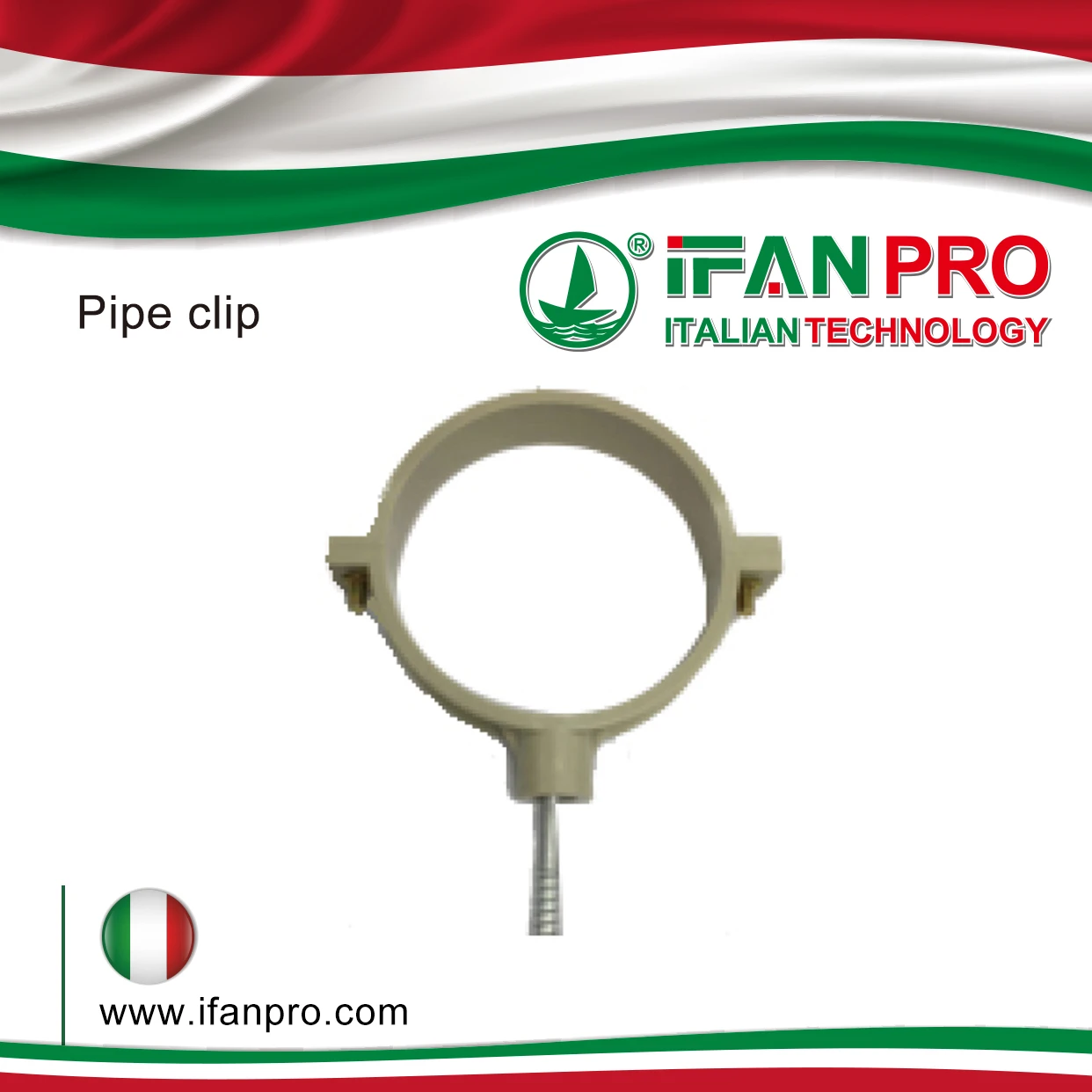
Potable-water use of either grade is governed by local plumbing code and third-party health certification, so verify that any pipe destined for drinking water carries the certification your jurisdiction accepts — NSF/ANSI listing in North America, WRAS or an equivalent scheme elsewhere. For guidance on standards work behind these systems, the Plastics Pipe Institute is a useful reference. When you move from pipe to connectors, the range of types of PVC fittings mirrors this same cold-versus-hot split.
Joining: Different Cements, Not Interchangeable
Here is the mistake that costs crews a callback. PVC and CPVC are joined by solvent welding, but they do not use the same cement, and the two are not interchangeable. PVC solvent cement is formulated to ASTM D2564 chemistry, while CPVC cement is a different formulation meeting ASTM F493. The CPVC cement is engineered to dissolve and fuse the chlorinated material and to hold that bond at the higher temperatures CPVC will see in service. Using PVC cement on a CPVC hot-water joint is a latent failure — it may look sound at install and let go weeks later once heat cycles hit the joint.
Insider warning: You cannot reliably solvent-weld PVC directly to CPVC. Even though the base polymer is related, the cements and materials are not cross-rated for a code-compliant bond. When you must transition between the two — say, a cold PVC main feeding a CPVC hot branch — use a mechanical transition fitting (threaded or flanged), not a solvent joint. Keep the cement cans separate on the truck; mixing them up is how a good crew ships a leaking system.
Two habits keep solvent joints sound in either material. Use the correct primer and cement for that specific pipe grade, and give the joint the full cure time the cement calls out before you pressurize — cure time stretches in cold weather. Cut square, deburr the end, and dry-fit before cementing. These are small steps, but on a hot-water CPVC run they are the difference between a joint that lasts decades and one that seeps.
Head-to-Head Comparison
The table below puts the two grades side by side on the properties that drive the specification. Read it top-down: the temperature row usually settles the choice, and the rows beneath it explain the cost and installation consequences of that call.
| Недвижимость | PVC | CPVC |
|---|---|---|
| Max service temperature | ~140°F (60°C) | ~200°F (93°C) |
| Chlorine content | ~57% | ~63–67% |
| Typical color | White or gray | Off-white, cream, or light gray |
| Relative cost per foot | Lower | Higher (roughly 1.5–2× PVC) |
| Solvent cement standard | ASTM D2564 | ASTM F493 |
| Typical use | Cold water, DWV, irrigation, vent | Hot water, warm chemical/process |
Color is a field cue, not a spec — always confirm the printed line legend rather than trusting shade alone, since manufacturers vary. The cost row is the reason over-specifying hurts: paying the CPVC premium on a cold drainage line adds material and cement cost with zero performance return.
Which Should You Choose? (Best for / Not for)
Match the scenario to the pick. In almost every case the driver is the peak fluid temperature the line will carry, with cost as the tie-breaker only when both materials would survive. Where a line stays cold, PVC is the correct choice and the cheaper one; where heat is present, CPVC is not a luxury but a requirement.
| Scenario | Pick |
|---|---|
| Cold potable-water supply line | PVC — meets the temperature demand at lower cost |
| Hot-water distribution to fixtures | CPVC — PVC would soften above 140°F |
| Drain-waste-vent (DWV) | PVC — ambient, intermittent flow |
| Warm chemical / process line (>140°F) | CPVC — verify chemical chart at temperature |
| Irrigation / agricultural cold main | PVC — cold service, cost-sensitive |
| Line with occasional hot surges near 160–180°F | CPVC — rate for the peak, not the average |
One caution on the tie-breaker logic: when a cold line runs at high pressure, do not automatically default to CPVC for strength. Reach for a heavier PVC schedule or a lower-SDR wall first, because that keeps you in the cheaper material while still meeting the pressure target. Save CPVC for the jobs where heat, not pressure alone, forces the upgrade.
What We Check Before PVC/CPVC Ships
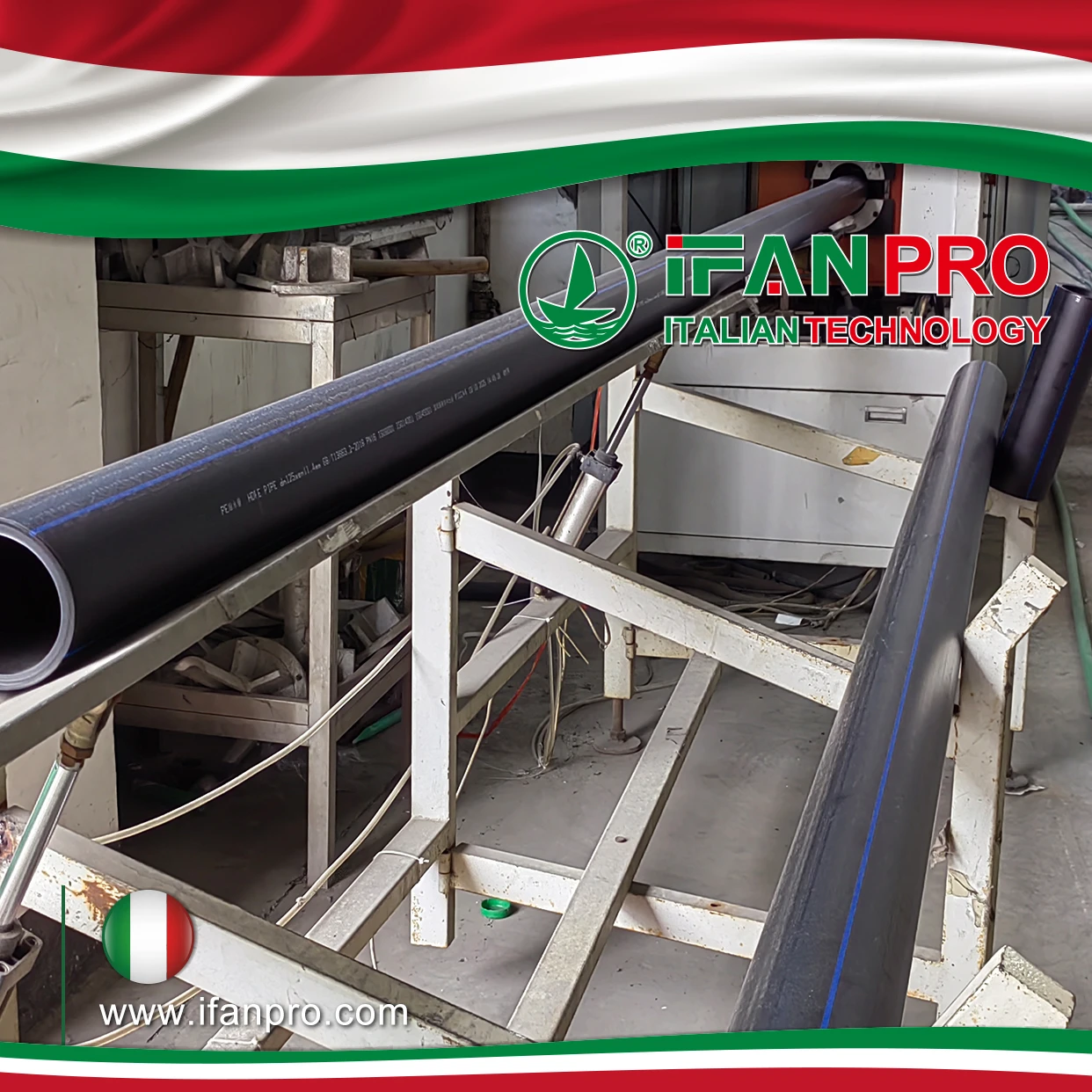
At IFANPRO, the temperature gap between these two grades is exactly why we treat material verification as the first checkpoint, not the last. A CPVC pipe that was actually compounded as PVC would pass a quick visual and then fail in a hot-water line — so we confirm the compound before anything leaves the floor. Here is what we verify on every PVC and CPVC order.
- Material verification. We confirm the resin and cell classification against the D1784 compound the order specifies, so a CPVC line is genuinely chlorinated CPVC and a PVC line is the correct PVC grade — not a look-alike substitution.
- Wall thickness and OD. We measure outside diameter and wall against the schedule or SDR called out, because the wall sets the real pressure rating you build to.
- Pressure testing. We hydrostatically test to the applicable standard to confirm the pipe holds its rated pressure before it ships.
- Certificate-scope match. We check that the certification on the paperwork — the market listing and pressure class — actually covers the application and destination you named, so it clears inspection where it lands.
That last step matters more than most buyers expect. A certificate that is valid but scoped to the wrong market or the wrong pressure class stalls a shipment at inspection just as surely as no certificate at all. We match the paperwork to the destination before the container is sealed.
Frequently Asked Questions
What is the main difference between PVC and CPVC pipe?
Temperature tolerance. Both share the same PVC base, but CPVC is extra-chlorinated, which raises its maximum service temperature from about 140°F for PVC to roughly 200°F for CPVC. That is why PVC is used on cold lines and CPVC on hot ones.
Can you use PVC for hot water?
No. Standard PVC softens and loses most of its pressure rating as it nears 140°F, so hot-water lines can sag, creep, and fail at the joints. Hot-water distribution calls for CPVC, which holds its rating up to about 200°F.
Can I glue PVC to CPVC?
Not reliably. PVC uses cement to ASTM D2564 and CPVC uses cement to ASTM F493, and the two materials are not cross-rated for a code-compliant solvent bond. To join them, use a mechanical transition fitting such as a threaded or flanged connection instead of gluing.
Is CPVC worth the extra cost?
Only when heat demands it. CPVC costs roughly 1.5 to 2 times more per foot than PVC, so it earns its premium on hot-water and warm-process lines. On cold-water, drainage, or irrigation lines that stay below 140°F, PVC meets the demand for less.
How do I tell PVC and CPVC apart on site?
PVC is usually white or gray, while CPVC tends to be off-white, cream, or light gray — but color varies by manufacturer, so treat it as a hint only. Confirm the material by reading the printed line legend on the pipe, which states the grade and standard.
Заключение
The PVC vs CPVC pipe choice reduces to one question you answer before anything else: how hot will the fluid get? If it stays below 140°F, PVC carries the load at the lower price, and you gain nothing by paying the CPVC premium. Once the line runs hotter — hot-water distribution or warm process fluid — CPVC’s 200°F ceiling stops being optional. Get the temperature call right, use the cement made for that grade, and never solvent-weld the two together. If you want a partner who verifies the material, wall, pressure, and certificate scope before the pipe ever ships, send us the fluid, temperature, pressure, and destination market, and we will confirm the right grade and paperwork for the job. For other material comparisons, our HDPE pipe sizes reference covers a different polyethylene system entirely.









 Русский
  English
  Français
  Español
Последние комментарии