
The many types of PVC fittings all solve one problem: moving water or low-pressure fluid from point A to point B without a leak. A single job might call for a 90° elbow to turn a corner, a tee to split a line, a reducer to step down a size, and an adapter to meet a threaded valve. Order the wrong shape or connection style, and you either lose a day driving back to the supplier or force a joint that fails under pressure.
This guide sorts every common fitting into plain categories, tells you what each one does on site, and pairs it with the right joining method. We also flag where schedule matters and where potable-water rules apply. If you are still deciding between wall thicknesses, our note on choosing the right PVC schedule pairs well with the fitting choices below.
Key Takeaways
- PVC fittings group into five jobs: changing direction, branching a line, joining lengths, terminating a run, and reducing or transitioning size.
- Three connection methods cover almost everything: solvent-weld socket (glued), threaded (NPT), and gasketed push-fit for large drainage lines.
- Use a union, not a coupling, anywhere you may need to disconnect a line for service later.
- Solvent cement for pressure PVC is specified under ASTM D2564; threaded PVC joints should be hand-tight plus roughly one to two turns, never wrenched hard.
- Fittings must match the pipe schedule (40 or 80). Potable-water lines generally require fittings carrying an independent health-effects listing such as NSF/ANSI 61.
- Slip means solvent-weld socket; MPT/FPT means male/female pipe thread. Adapters bridge slip to thread.
This guide is part of our complete guide to PVC pipe and fittings — start there for the full PVC system overview.
How PVC Fittings Are Categorized
The catalog looks overwhelming until you realize the types of PVC fittings answer to just two questions: what does the part do to the flow, and how does it attach to the pipe. Sort every fitting on those two axes and the whole range becomes easy to spec.
By function, fittings fall into five buckets. Direction-change parts (elbows) turn the run. Branching parts (tees, wyes, crosses) split one line into two or more. Joining parts (couplings, unions) connect two lengths end to end. Terminating parts (caps, plugs) close a run. Transition and reducing parts (bushings, reducers, adapters) change size or hand off to another material or thread.
By connection, most fittings use one of three methods. A solvent-weld socket accepts the pipe into a smooth hub and bonds it with cement into a single mass. A threaded end mates with matching NPT threads and seals with tape or paste. A gasketed or push end uses a rubber ring to seal larger drain and sewer pipe without glue. A single fitting often carries two different ends, such as slip on one side and thread on the other, which is exactly how adapters earn their keep.
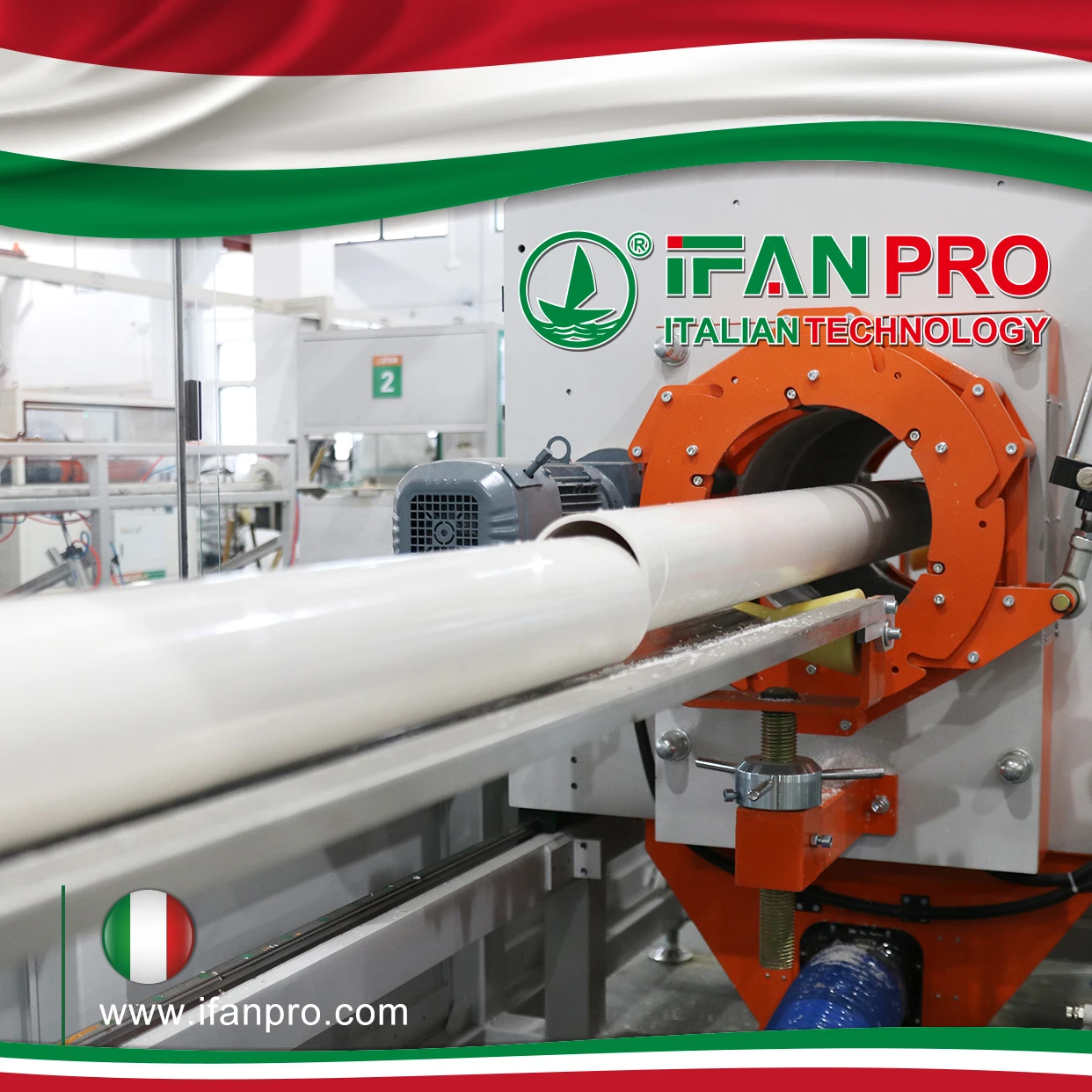
Direction & Branching Fittings
These are the parts that shape the geometry of a run. They turn corners and split lines, and choosing the right angle keeps flow smooth and pressure loss low.
Elbows (90° and 45°)
An elbow changes the direction of the pipe. A 90° elbow makes a hard right-angle turn, common where a line drops from a ceiling or rounds a wall. A 45° elbow makes a gentler bend and is the smarter pick on drainage, where two 45s create a sweeping turn that resists clogging far better than a single sharp 90.
Street Elbows
A street elbow carries a socket (slip or female) on one end and a spigot or male end on the other. That lets it plug straight into another fitting without a short stub of pipe between them. On a tight manifold, a street elbow saves both space and a glued joint.
Tees and Crosses
A tee splits one line into two at 90°, forming the shape of the letter. A reducing tee shrinks the branch, so a 1-inch main can feed a 3/4-inch branch off the side outlet. A cross adds a fourth opening for a four-way junction, though crosses see less use in modern plumbing because they concentrate stress at one point.
Wyes
A wye branches a line at a 45° angle rather than 90°, forming a Y. Drainage systems rely on wyes because the gentle angle lets waste flow into the main without backing up. Pair a wye with a 45° elbow and you get a clean, sweeping combination that a snake can pass through.
Field rule: on any drain or waste line, reach for 45° elbows and wyes first. Sharp 90° turns and tees invite clogs and are harder to clear. Save the tight 90s for pressure supply lines where flow is forced, not gravity-fed.
Joining & Length Fittings
When you need to connect two straight lengths in line, this family does the work. The choice between them comes down to one question: will you ever need to take the joint apart again?
Couplings
A coupling is the simplest joiner: a short sleeve with a socket at each end that bonds two pipes into one continuous run. A reducing coupling joins two different diameters. Once glued, a standard coupling is permanent, so use it where you never expect to separate the line.
Unions
A union does the same joining job but adds a threaded collar that unscrews, letting you break the connection without cutting the pipe. Put a union on either side of a pump, filter, valve, or meter, anywhere a component will eventually need removal. A union costs more than a coupling, and that small premium buys serviceability you will thank yourself for later.
Repair and Expansion Couplings
A repair coupling (slip or telescoping type) closes a gap in an existing line where you cannot spread the pipe apart to slide on a normal fitting. It extends to bridge the cut, then locks in place. An expansion coupling absorbs the length change PVC undergoes with temperature swings, which matters on long runs exposed to sun and cold.
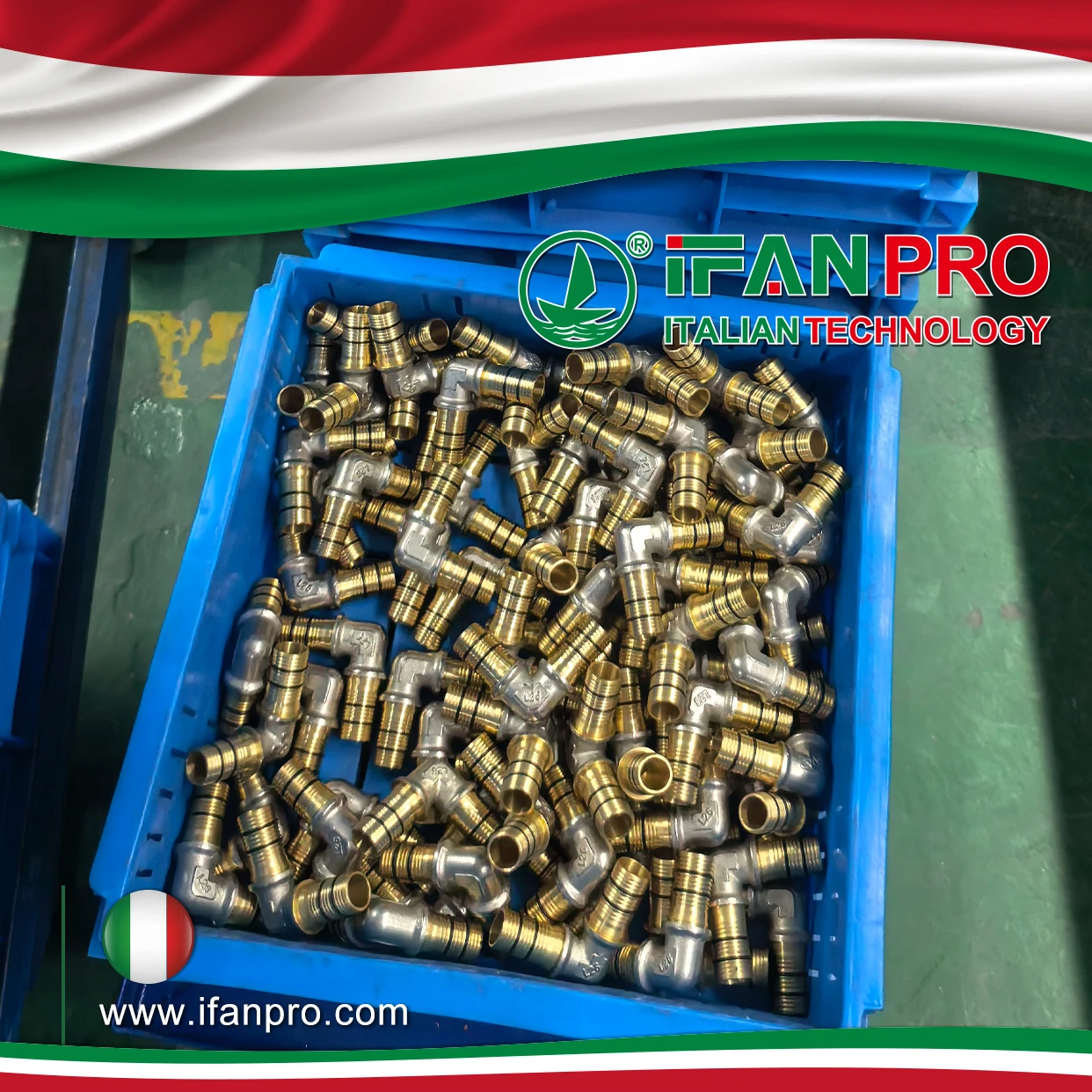
Terminating & Reducing Fittings
This group closes runs and changes sizes. Get the male/female and slip/thread combination right here and the transition to other components goes smoothly.
Caps and Plugs
A cap fits over the outside end of a pipe to close it. A plug does the reverse, threading or slipping into the inside of a female fitting to seal it. Both terminate a line, cap a cleanout, or hold a stub for future expansion. Choose the one that matches whether your open end is male pipe or a female socket.
Reducers and Bushings
A reducer steps a line from one diameter to a smaller one over its own body length. A bushing does the same job inside another fitting: a spigot-by-socket ring that drops a larger hub down to a smaller pipe, saving space where a full reducer will not fit. Bushings are the quick way to adapt a fitting you already have to a smaller line.
Adapters (MPT / FPT / Slip)
An adapter bridges connection styles. A male adapter has slip on one end and MPT (male pipe thread) on the other; a female adapter pairs slip with FPT (female pipe thread). This is how a glued PVC line meets a threaded valve, a metal fitting, or a fixture. Read the ends carefully: slip glues, thread screws, and mixing them up is the most common ordering mistake we see.
Quick decoder: Slip = solvent-weld socket (glue it). Spigot = plain end that fits into a socket. MPT = male pipe thread. FPT = female pipe thread. If a datasheet lists “1 in. slip x 1 in. MPT,” that fitting glues on one side and screws on the other.
PVC Fitting Quick-Reference Table
Use this table to match a fitting to the job in one glance. It covers the twelve types you will spec on most residential and light-commercial work.
| Fitting | Function | Typical Use |
|---|---|---|
| 90° Elbow | Turns the line at a right angle | Supply lines rounding a wall or corner |
| 45° Elbow | Turns the line at a gentle angle | Sweeping drainage bends that resist clogs |
| Street Elbow | Turns and plugs into another fitting | Tight manifolds with no room for a stub |
| Tee | Splits one line into two at 90° | Branching a supply main to a fixture |
| Wye | Branches at 45° | Drain and waste junctions |
| Cross | Joins four lines at one point | Four-way irrigation or sprinkler grids |
| Coupling | Joins two lengths permanently | Extending a straight run |
| Union | Joins two lengths, unscrews later | Either side of a pump, valve or filter |
| Cap | Closes a pipe end from outside | Terminating a stub or cleanout |
| Reducer / Bushing | Steps down to a smaller diameter | Transitioning a main to a smaller branch |
| Male Adapter | Slip to male thread (MPT) | Glued pipe into a female threaded valve |
| Female Adapter | Slip to female thread (FPT) | Glued pipe onto a male threaded fixture |
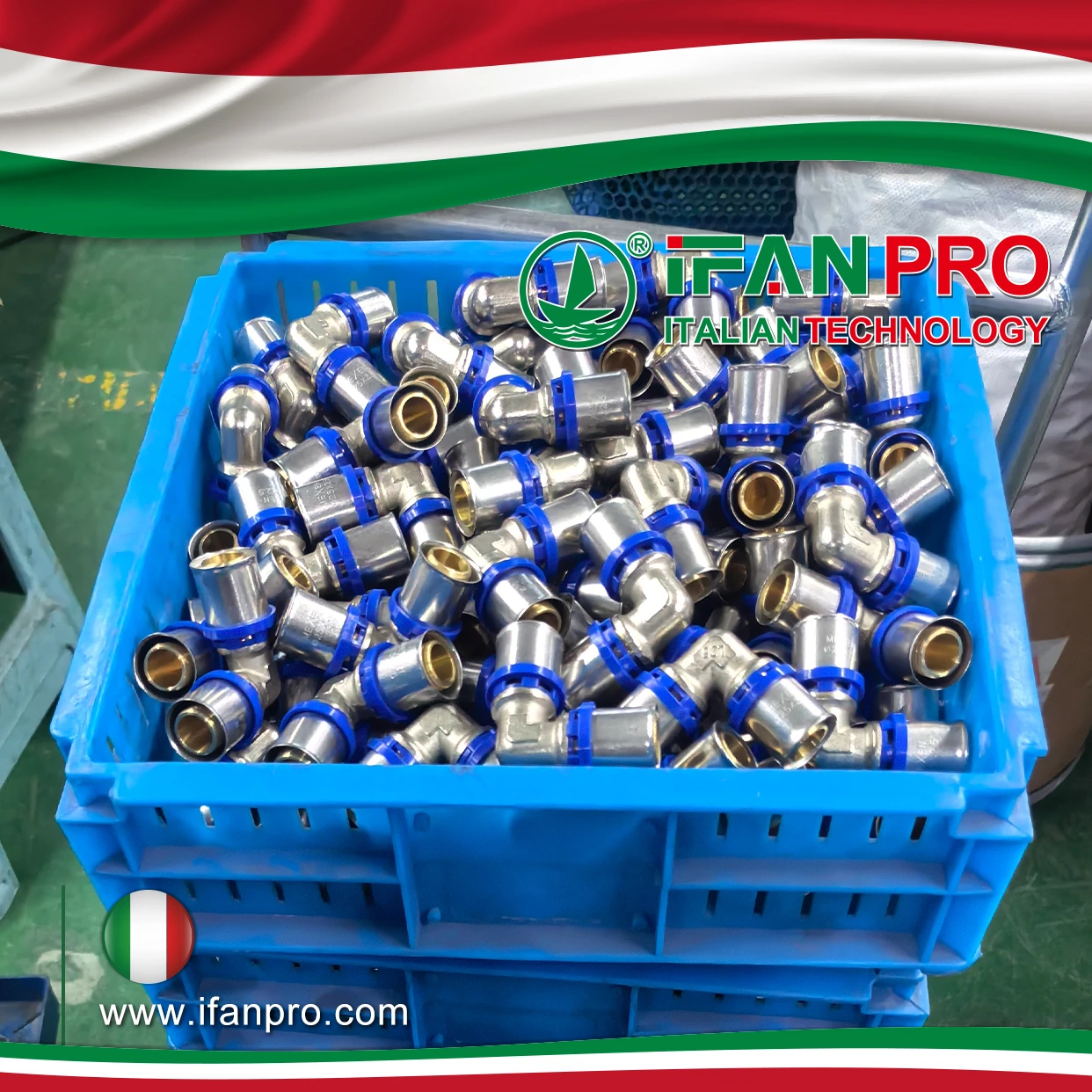
Connection Methods & When to Use Them
Shape is only half the decision. Every fitting also carries a connection method that decides how it seals and whether it can come apart. Match the method to the pipe and the pressure, and pick fittings whose ends fit the joining approach you plan to use.
| Method | How It Joins | Best For |
|---|---|---|
| Solvent-weld socket (slip) | Primer and cement chemically fuse pipe and socket into one piece | Permanent pressure supply, irrigation, buried lines |
| Threaded (NPT) | Tapered threads mate and seal with tape or paste | Connections to valves, meters, pumps you may remove |
| Gasketed / push (bell) | A rubber ring seals the spigot inside a bell socket | Large-diameter drainage, sewer and gravity main |
Solvent-Weld Socket
This is the workhorse for pressure PVC. You clean the pipe, apply primer, then cement, and press the pipe home with a quarter turn. The solvent softens both surfaces so they fuse as they cure. Cement for pressure applications is specified under ASTM D2564, and matching the correct cement to pipe size and type is not optional if the line will hold pressure. A properly welded joint ends up stronger than the pipe itself.
Threaded (NPT)
Threaded ends let you connect and later disconnect. The insider warning here is real: do not over-torque threaded PVC. Tapered threads wedge tighter as you turn, and an extra wrench pull cracks the female fitting, sometimes hours or days later. Wrap the male thread with PTFE tape, hand-tighten, then add only one to two turns with a wrench. If it weeps, add tape, not force.
Gasketed / Push-Fit
Larger drainage and sewer pipe often uses a bell end with a rubber gasket. You lubricate the spigot and push it into the bell until it seats. This method handles ground movement and thermal expansion better than a rigid glued joint, which is why municipal gravity lines favor it. It is not built for high pressure, so keep it on the drainage side. For a broader look at bridging systems, see our notes on joining pipes of different materials and, for a different polymer family, PEX fitting connection types.
Schedule 40 vs 80 & NSF for Potable
Two decisions sit underneath every fitting order: the schedule and the water it will carry. Both change which part you can legally and safely install, so settle them before you finalize the list.
Schedule describes wall thickness. Schedule 80 fittings have thicker walls and a higher pressure rating than Schedule 40, and the two are not interchangeable inside a pressure system. A fitting must match the pipe it joins. Standard socket-type Schedule 40 fittings are covered by ASTM D2466, while heavier Schedule 80 fittings follow their own standard. Our breakdown of the schedule differences walks through the pressure trade-offs, and if you are weighing hot-water limits, our PVC vs CPVC comparison covers where PVC stops being suitable.
For drinking water, material listing matters as much as strength. Fittings intended for potable service generally need an independent health-effects certification such as NSF/ANSI 61, which local plumbing codes usually reference. Requirements vary by jurisdiction, so confirm the listing your project or market demands rather than assuming a part qualifies. Buying fittings that already carry the right listing saves an inspection failure later.
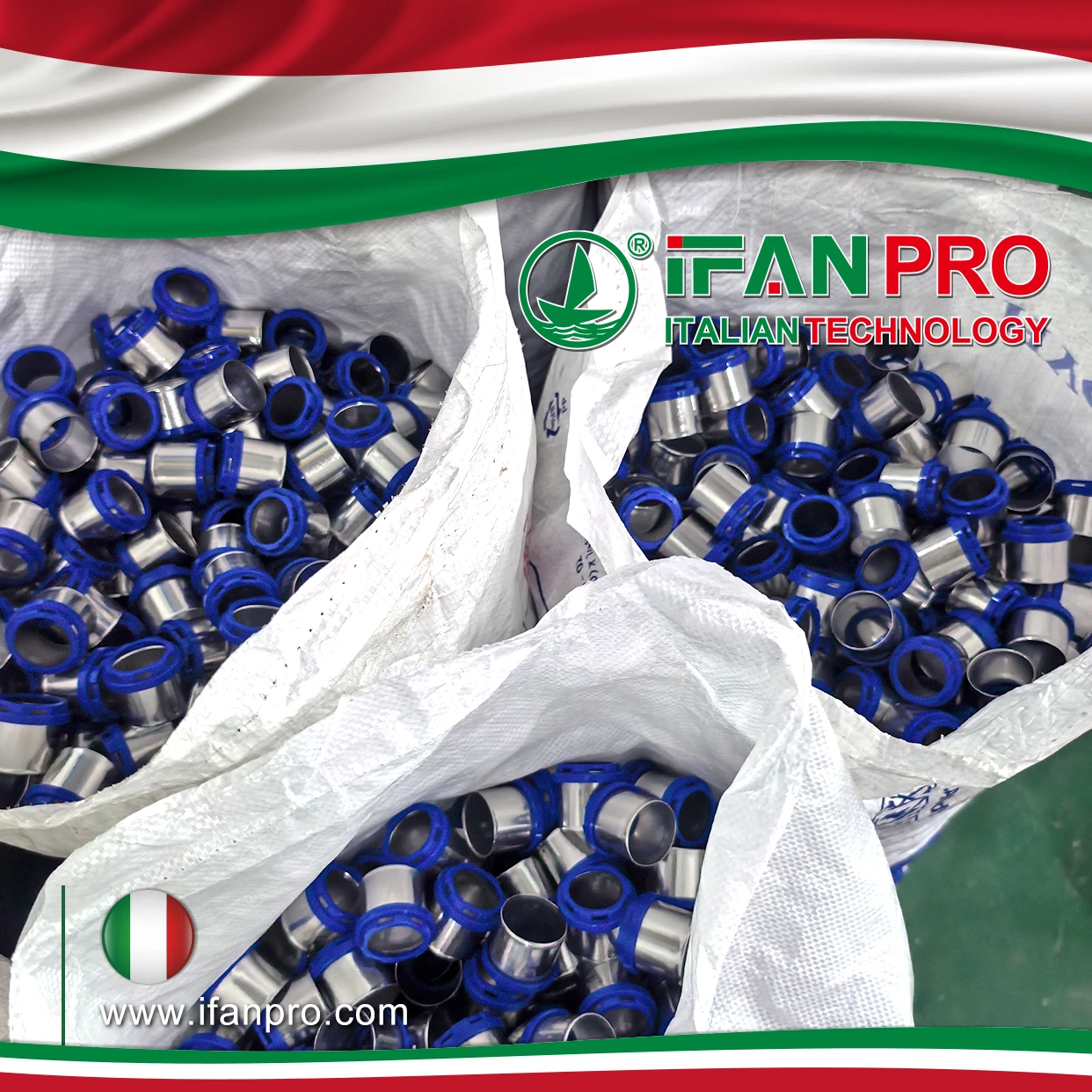
What We Check on PVC Fittings Before Shipping
A fitting only performs if its dimensions and material are right, so our quality control catches problems before a container leaves the plant. Here is what we verify on PVC fittings at IFANPRO.
- Dimensional and socket-depth checks: we gauge socket diameter and depth against the standard so pipe seats fully and the joint develops its rated strength. A shallow or oversized socket is a leak waiting to happen.
- Material and certification review: we confirm the compound matches the order, and that Schedule 40 and Schedule 80 parts carry the standard and any market listing (CE, WRAS, NSF/IAPMO, WaterMark) the buyer requires.
- Pressure and integrity testing: sample fittings are pressure tested to verify the wall and joint hold their rating without deformation or seepage.
- Thread and finish inspection: we check threaded ends for clean, full profiles and inspect molded surfaces for sink marks, flash, or short shots that would compromise a seal.
Manufacturing PVC and other piping since 1993 across a 120,000 m² facility, we run these checks as routine, not exception. That is how a mixed OEM/ODM order arrives ready to install rather than ready to argue about.
Заключение
Sorting the types of PVC fittings by what they do to the flow and how they attach turns a confusing catalog into a short checklist. Elbows and wyes shape direction, tees and crosses branch, couplings and unions join, caps and plugs terminate, and reducers, bushings and adapters change size or hand off to threads. Layer the connection method on top, match the schedule, and confirm the potable listing, and your bill of materials will be right the first time.
When you are ready to price a full order, bring your fitting list and target market to a manufacturer who can supply the range in the schedule and certification you need. Getting the specification right at the source is far cheaper than sorting it out on the jobsite.
Frequently Asked Questions
What is the difference between a slip and a threaded PVC fitting?
A slip fitting has a smooth socket that you bond with primer and solvent cement, making a permanent joint. A threaded fitting has NPT threads you screw together and can unscrew later. Slip joints are stronger and leak-resistant for pressure lines; threaded joints trade some strength for serviceability.
When should I use a union instead of a coupling?
Use a union wherever you may need to disconnect the line for service, such as beside a pump, valve, filter, or meter. A coupling is permanent once glued; a union unscrews so you can remove the component without cutting pipe. The extra cost buys future access.
Can I mix Schedule 40 and Schedule 80 PVC fittings?
In a pressure system the fitting should match the pipe schedule so ratings stay consistent. Schedule 80 has thicker walls and a higher pressure rating than Schedule 40. While the outside diameters align at a given nominal size, mixing schedules undercuts your rated pressure, so confirm both pipe and fitting carry the schedule the job requires.
Are all PVC fittings safe for drinking water?
Not automatically. Potable-water fittings generally need an independent health-effects listing such as NSF/ANSI 61, which local codes usually reference. Requirements vary by jurisdiction and market, so verify the specific listing your project demands rather than assuming a general-purpose fitting qualifies.
Do I need to use primer with PVC solvent cement?
For pressure lines, primer prepares and softens the surfaces so the cement bonds fully, and many codes require it. Solvent cement for pressure PVC is specified under ASTM D2564. Follow the cement and pipe manufacturer instructions for your size and application; skipping primer on a pressure joint risks a weak bond.
Sources and standards: ASTM D2466 (Schedule 40 PVC fittings), ASTM D2564 (PVC solvent cement), Polyvinyl chloride (PVC) overview, NSF (health-effects certification).
IFANPRO has manufactured PEX, PPR, HDPE and PVC pipe and brass fittings since 1993 from a 120,000 m² facility with 600+ staff. Holding ISO 9001/14001, CE, WRAS and NSF/IAPMO certifications and shipping OEM/ODM orders to over 200 countries, our team writes to help contractors and buyers specify the right part the first time.











 Русский
  English
  Français
  Español
Последние комментарии