
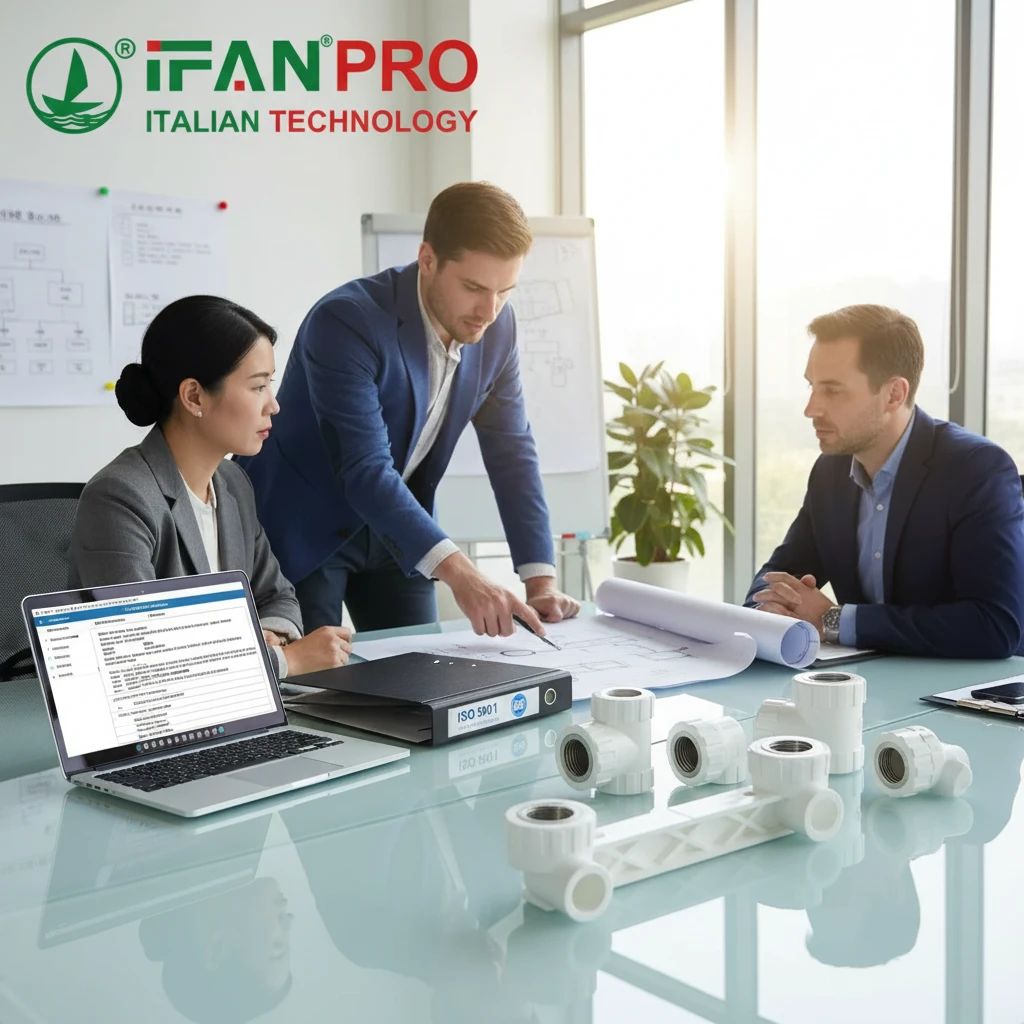
I spent months and lost thousands of dollars before I found a truly reliable PPR fitting supplier. The process taught me that finding the right partner is not about luck, but about a systematic audit.
To audit a reliable China PPR fitting supplier, focus on four key areas: verifying essential international and Chinese certifications, inspecting actual production capacity and quality control systems, evaluating the raw material quality and product durability, and negotiating clear commercial terms with after-sales support. A thorough factory visit is non-negotiable.
Many importers get stuck with poor-quality fittings, delayed shipments, or unresponsive suppliers. The root cause is often skipping the due diligence step. In this guide, I’ll walk you through the exact four-step audit framework I now use, so you can avoid my costly mistakes and build a profitable, long-term supply chain.
What are the essential certifications for a PPR fitting supplier?
When I first started, I thought a long list of certificates on a website was enough. I was wrong. Certificates are your first filter, but you must know which ones are truly essential.
The essential certifications for a PPR fitting supplier are the ISO 9001 for quality management, the NSF/ANSI 61 for drinking water safety, and the China Compulsory Certification (CCC) if applicable. Additionally, look for product-specific test reports like the DIN 8077/8078 or ISO 15874 standards, which prove the fittings meet international performance benchmarks.
Let’s dive deeper into what each certification means and why it matters. A certificate is not just a piece of paper; it’s evidence of a factory’s commitment to systems, safety, and standards. The wrong certificate, or a fake one, can lead to rejected shipments, legal issues, and damaged reputation.
1. Management System Certificates: The Foundation
These certificates show the factory has a system to manage quality, not just produce products. The most important one is ISO 9001:2015. This certification means the supplier has documented processes for everything from purchasing raw materials to final inspection. It reduces the risk of inconsistent quality. When you ask for their ISO certificate, check the scope. It should explicitly mention “manufacture of PPR pipes and fittings” or similar. Also, check the validity date and the issuing body – it should be from a recognized certification agency.
2. Product Safety & Sanitary Certificates: For Market Access
This is critical if you are selling in North America or Europe. The NSF/ANSI 61 certification is a must for drinking water applications in the US and Canada. It proves the fittings do not leach harmful contaminants into the water. For the European market, look for DVGW (Germany), KIWA (Netherlands), or ACS (France) approvals. These are often more stringent than basic ISO standards. Don’t just take their word for it; ask for the official certificate PDF and verify the license number on the certifier’s website if possible.
3. Product Performance Certificates & Test Reports
This is where many suppliers cut corners. Certificates like ISO 9001 don’t test the product itself. You need proof that the PPR fittings meet technical standards. The key standards are:
- ISO 15874: The international standard for polypropylene piping systems.
- DIN 8077/8078: The German standard, widely respected for its rigor.
- GB/T 18742: The Chinese national standard for PPR pipes and fittings.
Ask the supplier for recent third-party test reports from labs like SGS, BV, or Intertek. These reports should test for key properties: hydrostatic pressure resistance, thermal stability, and dimensional accuracy. A reliable factory will have these reports ready and updated annually.
| Certification Type | Key Certificate | What It Proves | Why It’s Critical |
|---|---|---|---|
| Management System | ISO 9001:2015 | Consistent quality control processes | Reduces risk of batch-to-batch defects |
| Drinking Water Safety | NSF/ANSI 61 | Material safety for potable water | Legal requirement for US/Canada markets |
| Product Performance | ISO 15874 Test Report | Meets international pressure & temperature specs | Ensures product longevity and reliability |
| Regional Approval | DVGW, KIWA, ACS | Compliance with specific European country standards | Essential for selling in the EU market |
During your audit, physically check the certificates in the factory office. A professional supplier will have them framed or neatly filed. Ask questions: “Can you show me your latest SGS pressure test report?” or “How do you ensure every batch complies with NSF 61?” Their answers will tell you if the certificates are just for show or part of their real operation.
How can you verify a factory’s production capacity and quality control?
Seeing a shiny brochure with a big factory photo is easy. Verifying real capacity and QC is the real challenge. I learned this after a supplier promised 100 tons/month but could only deliver 20.
You verify a factory’s production capacity by inspecting key machinery (like injection molding machines and CNC), checking raw material inventory levels, and reviewing production logs. For quality control, you must audit their in-process checks, final inspection procedures, and the calibration status of testing equipment like pressure testers and dimension gauges.
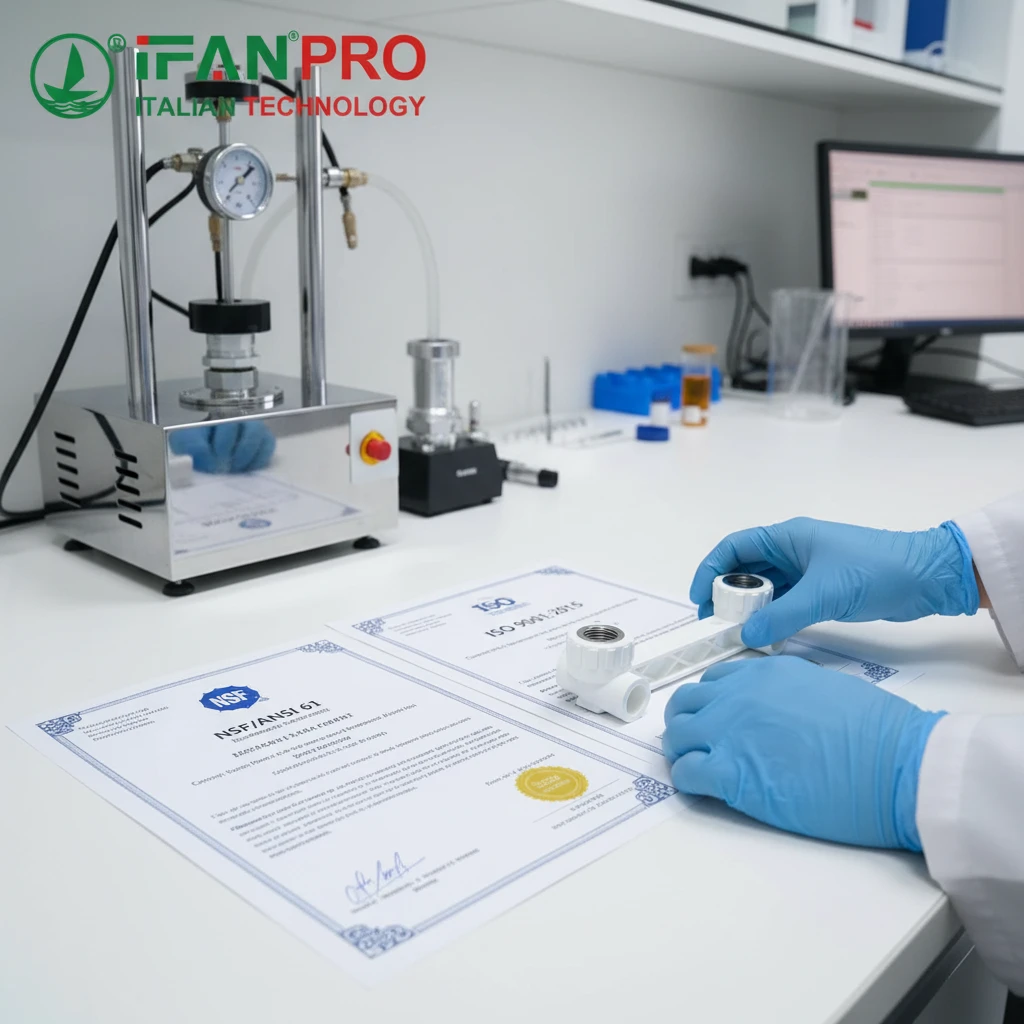
Capacity and quality are two sides of the same coin. A factory that prioritizes speed over quality is a liability. Your audit should physically confirm their claims. Here is a step-by-step guide on what to look for during your factory visit.
1. The Production Floor: Machines and Manpower
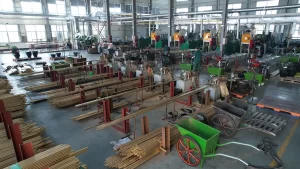
Start with the injection molding workshop. Count the number of machines. Are they modern, well-maintained, and running? Ask about the tonnage and brand. Reputable brands like Haitian or Engel indicate investment. Check if they have dedicated machines for different fitting types (elbows, tees, valves). Observe the workers. Are they following procedures? Is the workshop organized and clean? A messy floor often leads to product contamination or mix-ups.
Next, go to the raw material warehouse. Look for branded raw material bags from reputable suppliers like Borouge (Borealis) or SABIC. Check the production dates on the bags. Fresh material (within 6 months) is best. A large, organized stock of raw material indicates stable purchasing power and planning ability, which supports their claimed capacity.
2. The Quality Control Lab: Instruments and Integrity
This is the heart of a reliable supplier. A serious factory will have a dedicated QC room. Look for these key instruments:
- Hydrostatic Pressure Tester: For long-term pressure testing (e.g., 1000-hour test at elevated temperature).
- Melt Flow Index (MFI) Tester: To check the consistency of the raw PPR resin.
- Dimensional Gauges and Calipers: For checking socket depth, outer diameter, and wall thickness.
- Visual Inspection Station: With proper lighting for checking bubbles, black spots, and surface defects.
Critically, check the calibration stickers on all equipment. They should be current (within one year). Ask to see their QC check sheets. They should record data for each production batch, not just a pass/fail stamp.
| Area to Audit | What to Look For | Red Flags |
|---|---|---|
| Injection Molding Area | Modern machines, clean molds, organized workflow | Old, rusty machines; oil leaks; fittings scattered on floor |
| Raw Material Storage | Branded bags (Borouge, SABIC), dry environment, FIFO system | Unbranded/repackaged bags, damp storage, expired material |
| QC Laboratory | Pressure tester, MFI tester, calibrated gauges, detailed records | No dedicated lab, broken equipment, no calibration stickers |
| Finished Goods Warehouse | Organized pallets, proper packaging, clear labeling with batch # | Mixed products, damaged packaging, no batch traceability |
3. Process and Documentation
Ask about their production process. Do they conduct in-process inspections? For example, they should check the first-off sample from each mold every shift for dimensions and appearance. Ask to see their Control Plan or Quality Inspection Plan. This document defines what to check, how often, and the acceptance criteria.
Finally, discuss their capacity. Ask for their monthly production data for the last 6 months. Cross-check this with their machine count and shift pattern (e.g., 10 machines x 24 hours x 26 days). If the numbers don’t align, their claimed capacity is likely inflated.
What key factors determine the durability of PPR fittings?
I once received a shipment where fittings cracked within a year. The problem wasn’t the design; it was hidden in the material and manufacturing. Durability is the most critical factor for customer satisfaction.
The key factors determining PPR fitting durability are the quality of the raw PPR resin (Grade, MFI), the precision of the mold and injection process, the wall thickness and reinforcement design, and the proper fusion compatibility with PPR pipes. Inferior material or poor processing leads to premature failure under heat and pressure.
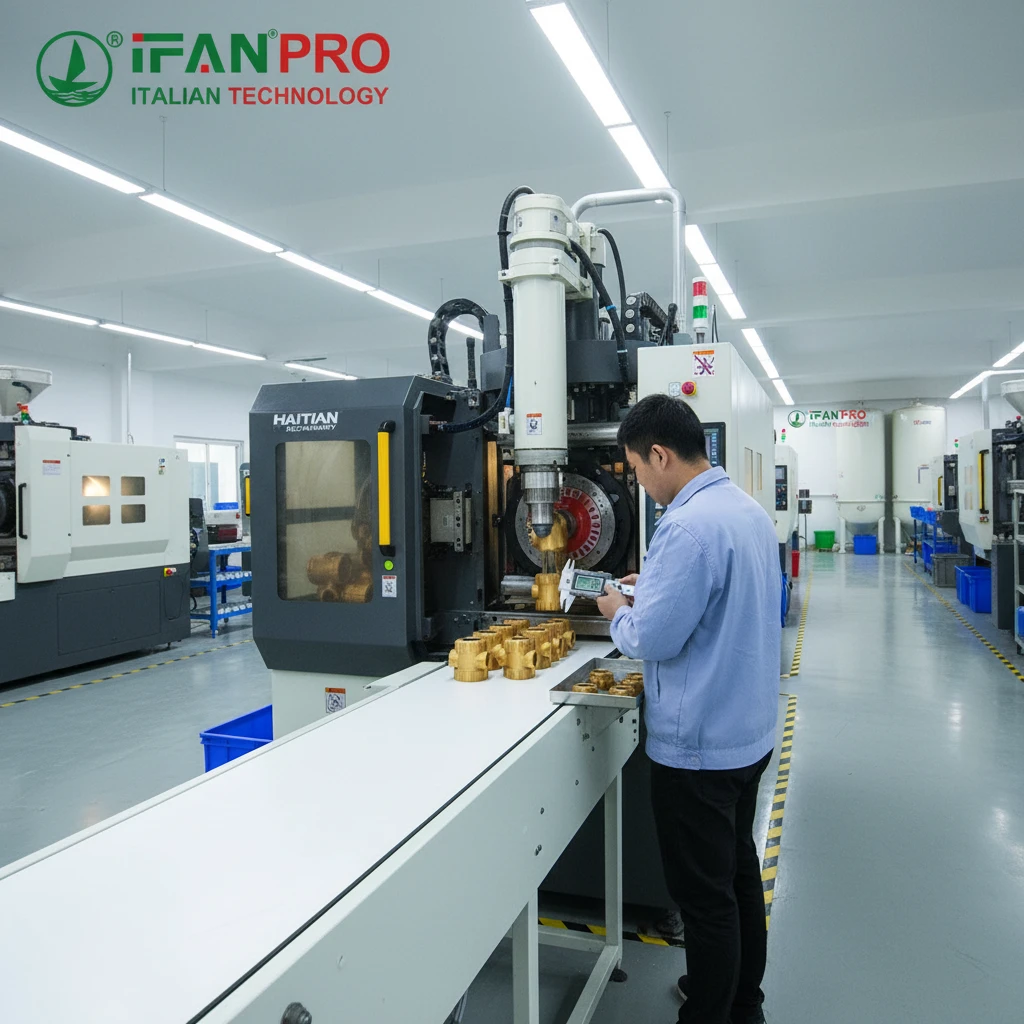
Durability isn’t a single feature; it’s the result of multiple correct choices in material science and engineering. A fitting might look perfect but fail in service. Let’s break down each factor so you know exactly what to ask your supplier.
1. The Heart of the Matter: Raw PPR Resin
This is the most important factor. PPR is Polypropylene Random Copolymer. Not all PPR is equal. You need to specify PPR Type 3 (or PPR 80) according to ISO 15874, which is for hot and cold water. The resin should be from a known producer. Ask for the Material Data Sheet (MDS). Key parameters to check:
- Melt Flow Rate (MFR): Typically between 0.25-0.4 g/10min for fittings. A value too high means the material is too fluid and may be weaker; too low makes processing difficult.
- Density: Should be around 0.9 g/cm³.
- Thermal Stability: Look for a high Vicat Softening Temperature (VST), above 140°C.
Be wary of suppliers using recycled PPR or mixing recycled material with virgin material. This drastically reduces pressure resistance and thermal life. Ask directly: “Do you use 100% virgin Borouge RA130E (or equivalent) for all drinking water fittings?”
2. Precision Manufacturing: Mold and Process
A high-quality mold made from hardened steel (like H13) is expensive but essential. It ensures consistent dimensions, smooth inner surfaces (reducing flow resistance), and precise fusion sockets. A worn-out or cheap mold causes flash (excess plastic), thin walls, or misalignment.
The injection molding process parameters (temperature, pressure, cooling time) must be strictly controlled. Incorrect settings can cause internal stresses (“molded-in stress”), which become weak points. During your visit, ask if they perform Regrind Control. A small percentage (less than 5%) of clean, in-house regrind from sprues and runners might be reused, but it must be controlled and documented.
3. Design for Strength: Wall Thickness and Reinforcement
Compare the wall thickness of their sample fitting, especially at the socket and the transition points (where an elbow bends), with the standard requirement (e.g., ISO 15874). Thicker walls generally mean higher pressure rating. Some high-pressure fittings have reinforced designs with internal ribs or thicker sections.
Also, check the fusion socket depth. It must be deep enough to ensure a sufficient fusion area when connecting with a pipe. A shallow socket is a major cause of joint failure.
| Durability Factor | Ideal Standard / Specification | Consequence of Compromise |
|---|---|---|
| Raw Material | 100% Virgin PPR Type 3 (e.g., Borouge RA130E) | Brittle cracking, reduced pressure rating, shorter lifespan |
| Melt Flow Index (MFI) | 0.3 – 0.4 g/10min (for fittings) | Poor processing or weak mechanical strength |
| Mold Quality | Hardened steel (H13), precision machining | Dimensional inaccuracy, flash, rough surfaces causing turbulence |
| Wall Thickness | Meets or exceeds ISO 15874 min. wall thickness | Burst under pressure, especially at higher temperatures |
| Socket Depth | Fully complies with standard dimensions | Insufficient fusion area, leading to joint leakage/failure |
Request a sample and ask them to cut it in half for you to inspect the cross-section. Look for uniformity, absence of bubbles or voids, and proper wall thickness. A confident supplier will do this willingly.
How do you negotiate terms and ensure reliable after-sales support?
Great product is only half the battle. I’ve had perfect samples followed by terrible service. Negotiating the right terms and locking in support upfront protects your business.
Negotiate terms by clearly defining payment (start with T/T 30% deposit), Incoterms (FOB is standard), packaging, lead time, and quality acceptance criteria in the Proforma Invoice. Ensure after-sales support by requiring a warranty period (e.g., 50 years), a clear claim process for defects, and the supplier’s commitment to provide technical data and timely communication.
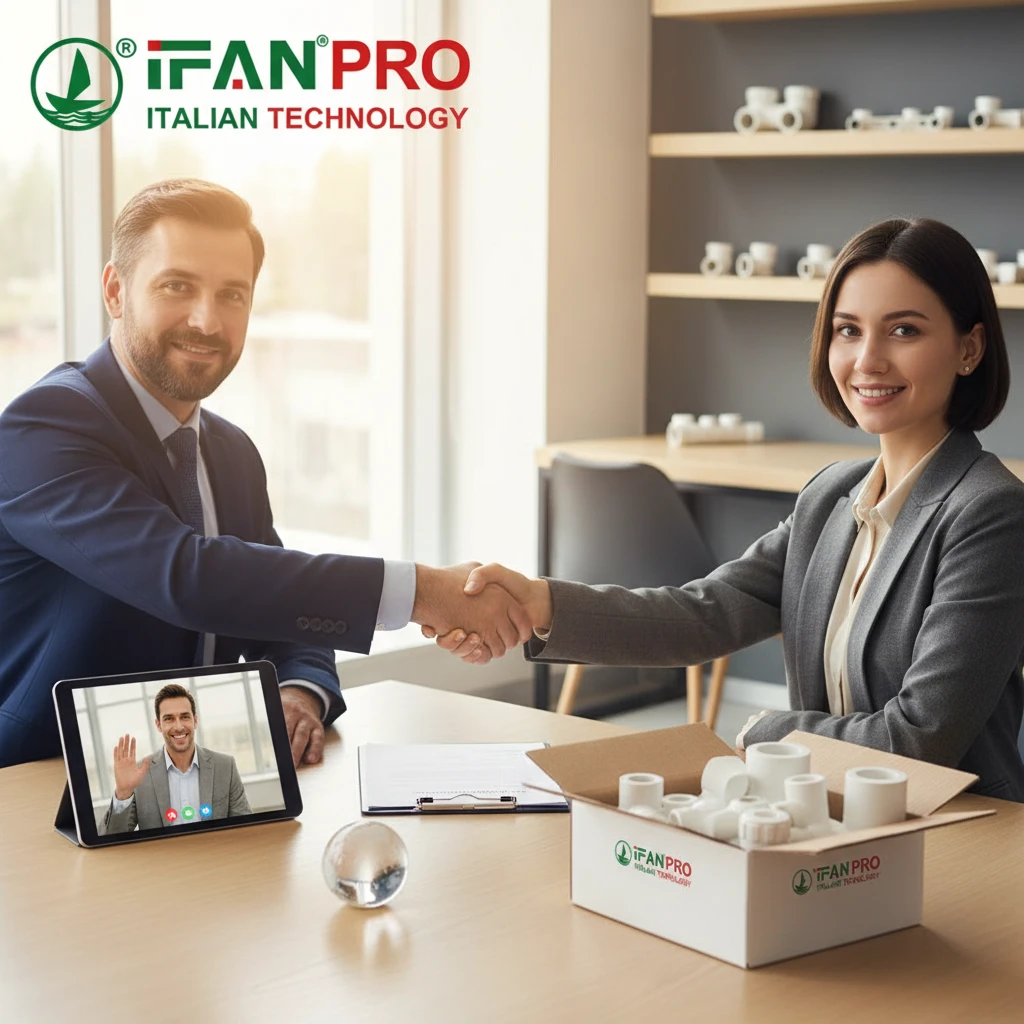
The negotiation phase sets the tone for the entire business relationship. It’s not just about getting the lowest price; it’s about establishing clear rules and expectations to avoid disputes later. After-sales support is what separates a transactional vendor from a strategic partner.
1. Commercial Terms: Clarity is King
Everything must be in writing, starting with the Proforma Invoice (PI). The PI is a pre-contract. Key items to specify:
- Price: Clearly state if it’s FOB Shanghai, CFR, or CIF your port. Include the currency (USD).
- Payment: For new suppliers, T/T 30% deposit, 70% against copy of Bill of Lading is a common and balanced term. Avoid 100% upfront.
- Lead Time: State it as “XX working days after receipt of deposit and confirmed artwork.” Include a buffer.
- Упаковка: Detail it: “Standard export carton, 25kg/ctn, with inner plastic bag. Palletized for container loading.”
- Quality Standard: Reference the exact standard: “Quality to conform to ISO 15874, NSF/ANSI 61, and approved samples.”
Discuss Minimum Order Quantity (MOQ). For standard fittings, a competitive factory might offer an MOQ by type (e.g., 500pcs per size/type) or a mixed container load. Negotiate flexibility for future orders.
2. The “What If” Scenarios: Warranty and Claims
This is the after-sales core. Don’t assume a warranty exists. Ask for it explicitly. Most reputable PPR suppliers offer a 10-year or even 50-year system warranty for material and workmanship defects. Get this in writing.
More importantly, agree on a defect claim procedure before any problem arises. It should cover:
- How to report a defect (with photos, batch numbers).
- The timeline for their investigation.
- The remedies: replacement, credit note, or repair.
- Who bears the return freight for confirmed defective goods.
Ask: “If I find a quality issue upon arrival at my port, what is your process to resolve it?” Their answer shows their commitment.
3. Building the Partnership: Communication and Support
A reliable supplier acts as an extension of your team. Evaluate their responsiveness during the negotiation. Do they answer emails promptly and thoroughly? Do they have English-speaking sales and technical staff?
Request ongoing support: Will they provide product CAD drawings, installation manuals, or certification copies for your customers? Can they help with custom packaging or labeling? Discuss how you will handle future price fluctuations of raw materials. Some suppliers have price adjustment clauses linked to PPR resin indexes; understand this upfront.
| Negotiation Point | Recommended Term / Action | Purpose & Benefit |
|---|---|---|
| Payment Terms | T/T 30% deposit, 70% against B/L copy | Balances risk for both buyer and supplier |
| Incoterms | FOB [Chinese Port] | You control shipping and insurance, often cheaper |
| Quality Reference | Attach approved sample photos/specs to PI | Provides objective basis for inspection and dispute |
| Warranty | Formal 10-50 year material warranty document | Protects your end-customers and your brand |
| Claim Process | Written procedure with timelines and responsibilities | Ensures fast, fair resolution of any quality issues |
Finally, trust but verify. Even with a great contract, maintain oversight. Consider hiring a third-party inspection company (like SGS or AsiaInspection) for pre-shipment inspections, especially for the first few orders. This small cost can save you from huge losses.
Заключение
Finding a reliable China PPR fitting supplier requires a disciplined, four-step audit of certifications, factory capacity, product durability, and commercial terms. Do the homework upfront to build a partnership that delivers quality and profit for years.






 Русский
  English
  Français
  Español
Последние комментарии