
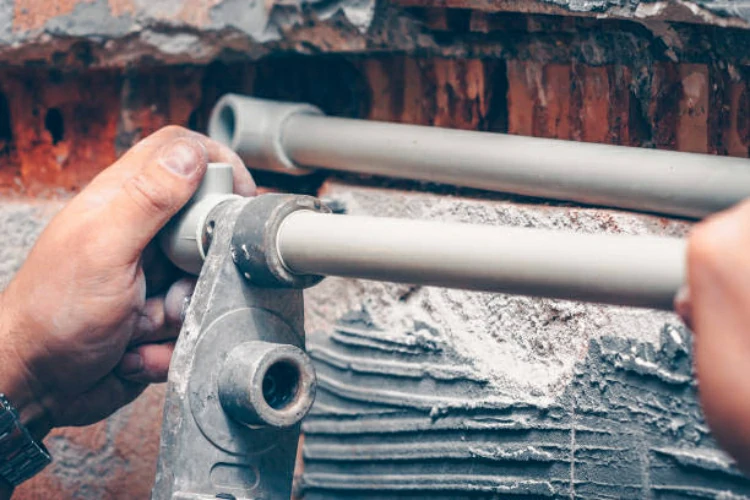
Proper installation of PPR tubes is crucial to ensure leak-free performance and long-term reliability in fluid conveyance systems. In this article, we will discuss the installation methods and essential precautions to follow when working with PPR tubes.
Installation Methods
1. Cutting PPR Tubes
Precision Cutting: Use a fine-toothed saw or pipe cutter to make clean, perpendicular cuts on the PPR tubes. Ensure the ends are smooth and free from burrs to prevent damage to the sealing rings during assembly.
2. Socket Fusion Welding
Preparation: Clean the pipe ends and fittings thoroughly with a clean, dry cloth to remove dirt, dust, and moisture. Ensure the welding equipment is in good condition and set to the recommended temperature for PPR welding.
Heating: Heat the pipe and fitting evenly using a socket fusion welding machine until they reach the prescribed temperature. Maintain pressure on the components during the heating process to ensure proper fusion.
Joining: Quickly remove the pipe and fitting from the heating tool and immediately press them together firmly to create a strong, leak-proof joint. Hold the components in place until the weld cools and solidifies.
3. Electrofusion Welding
Preparation: Clean the pipe ends and fittings thoroughly and ensure the electrofusion welding equipment is functioning correctly. Follow the manufacturer’s instructions for preparing the welding machine and securing the components.
Alignment: Align the pipe and fitting precisely and secure them in place using clamps or fixtures to maintain alignment during the welding process.
Welding: Energize the electrofusion welding machine and follow the recommended welding parameters for PPR tubes. Monitor the fusion process closely and ensure the components fuse completely to form a seamless joint.
Precautions
1. Avoid Overheating
Risk of Damage: Overheating the PPR tubes or fittings can lead to deformation, weakening of the material, and compromised joint integrity. Follow the recommended heating time and temperature guidelines provided by the manufacturer.
2. Proper Support and Alignment
Structural Integrity: Ensure proper support and alignment of the PPR tubes to prevent stress concentration, sagging, or misalignment that could compromise the system’s structural integrity.
3. Use Compatible Components
Compatibility: Use PPR fittings, valves, and accessories that are compatible with the PPR tubes to ensure a secure and reliable connection. Avoid mixing different materials or incompatible components that may lead to leaks or joint failure.
4. Pressure Testing
Quality Assurance: Conduct pressure testing on the installed PPR system to verify the integrity of the joints and detect any potential leaks. Perform the pressure test gradually and in accordance with industry standards to ensure safety and reliability.
5. Professional Installation
Expertise: If you are unfamiliar with PPR tube installation techniques or lack the necessary equipment, consider hiring a qualified professional with experience in working with PPR piping systems to ensure proper installation and performance.
By following these installation methods and precautions, you can ensure the successful installation and reliable performance of PPR tubes in various fluid conveyance applications. Proper installation practices contribute to the longevity and efficiency of PPR piping systems, providing peace of mind for users and minimizing the risk of costly repairs or downtime.
IFAN is a Chinese manufacturer of plastic pipes, fittings and valves with 30 years of experience. If you are interested in IFAN copper fittings, copper valves, plastic pipes and fittings, please contact us. IFAN offers you a variety of standard pipes to meet your specific needs. Click below to learn more about IFAN’s wide range of affordable and cost-effective valve products and piping system related products.
We will reply your email or fax within 24 hours.
You can call us at any time if there is any question on our production.
For more information,pls visit our webside https://ifanpro.com/
Pls Mailto: [email protected]
Whatsapp: + 86 19857948982










 English
  Français
  Русский
  Español
Recent Comments