
The choice between PEX vs copper vs PPR decides more than a line item on a BOQ. Spec copper into a house on acidic well water and you may be booking pinhole-leak callbacks within a decade. Spec PEX into a rooftop run in Dubai with no UV sleeve and the tubing can chalk and fail years early. Spec PPR in a North American market where no crew owns a fusion welder, and your beautiful heat-fused system sits uninstalled. Material selection is a climate, code, and labor-supply decision first, and a price decision second.
This decision matrix is built for MEP and project procurement teams weighing pex vs copper for potable and hydronic work, with PPR in the mix for markets that expect fused plastic. We take positions instead of hedging every line, because a procurement lead needs an answer, not a shrug. For the deeper material background behind these calls, see our complete guide to PEX pipe. Below, we walk the joining methods, install labor, failure modes, temperature and pressure envelopes, 10-year cost, and a best-for / not-for map by market.
Key Takeaways
- PEX wins on labor and freeze survival: flexible runs mean fewer joints, faster installs, and tubing that can expand around ice instead of splitting. It is the default for high-labor, cold-climate markets like North America and Northern Europe.
- PPR wins where fusion is the norm: heat-fused joints have no mechanical leak point. In Europe, the Middle East, and much of Asia, crews are trained on it and codes typically expect it.
- Copper wins on high-temp and fire-critical work: metal handles heat that softens plastic and does not release smoke. It stays specified where code or client demands metal, despite the highest labor cost.
- Water chemistry is the silent killer: copper can develop pinhole leaks in acidic or aggressive water, while PEX shrugs it off. Match the material to the water, not the brochure.
- PEX is rated roughly 160 psi at 73°F and about 80 psi at 200°F per ASTM F876; PPR is sold by PN class (PN10–PN25). Read the derated hot number, not the cold headline.
- A copper repipe often costs materially more than PEX for the same home, driven mostly by soldering labor and metal price. The gap varies by region but favors PEX in most Western markets.
PEX, Copper, and PPR at a Glance
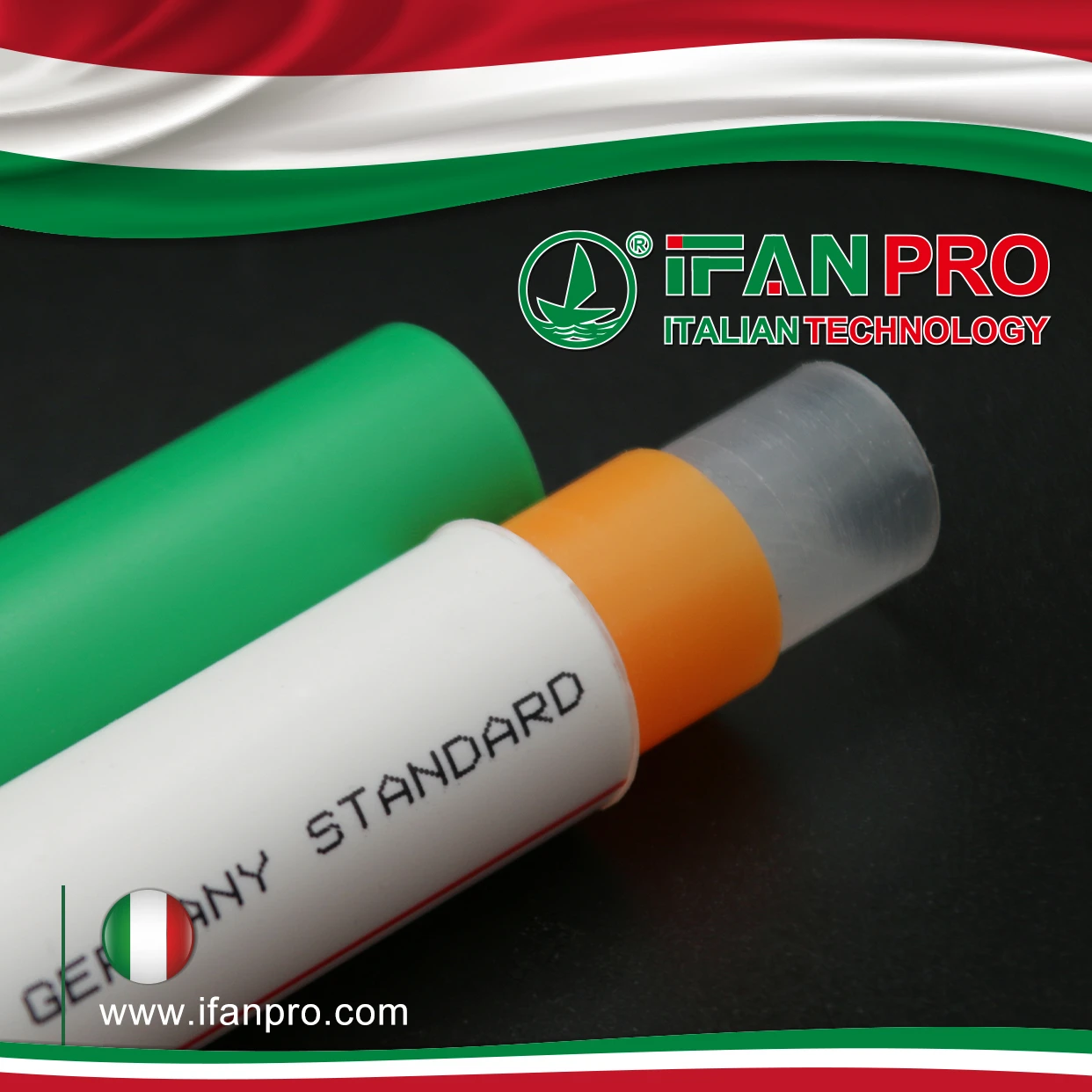
Three materials, three completely different install philosophies. PEX is cross-linked polyethylene, a flexible plastic tube joined with mechanical fittings such as crimp, clamp, or expansion. Copper is a rigid metal, joined by soldering or press fittings, and governed by the same metallurgy that has run water for a century. PPR is polypropylene random copolymer, a rigid plastic joined by heat fusion, where pipe and fitting are melted and pushed together into one continuous piece. The pex vs copper vs ppr question is really a question about which joining method your crews and codes support.
| Material | Joining | Rigidity | Typical lifespan | Key weakness |
|---|---|---|---|---|
| PEX (cross-linked PE) | Crimp, clamp, or expansion (mechanical) | Flexible | ~40–50 years (typical) | UV, rodents, some chlorine chemistry |
| Copper | Soldered or press (metal) | Rigid | ~50–70 years (typical) | Pinholes in acidic/aggressive water |
| PPR (random copolymer) | Heat fusion (welded) | Rigid | ~50 years (typical) | Punishes bad fusion technique |
Read that “key weakness” column carefully, because it maps directly to failure risk in your market. A copper system in soft, low-pH water is a slow leak clock. A PEX run exposed on a sunny mechanical-room wall with no sleeve is a UV clock. A PPR system installed by a crew that fused a cold weld is a delamination clock. None of these materials is bad; each punishes a specific mistake. PEX and copper both dominate the North American potable conversation, which is why pex vs copper is the comparison most Western buyers run first. PPR enters the moment you cross into markets built around fusion. Standards define the mechanical floor: PEX to ASTM F876, and the plastics pipe body publishing much of the supporting data is the Plastics Pipe Institute.
Install Speed and Labor Cost
Labor is where the money actually moves. PEX is the fastest of the three by a wide margin. A flexible coil can snake from a manifold to a fixture with a single continuous run and zero intermediate joints, so a two-person crew can rough-in a house in a fraction of the time copper demands. Every joint you delete is a joint that cannot leak and an hour you do not pay for. That is the whole PEX labor argument in one sentence.
Copper is slow and skill-hungry. Each connection is cut, reamed, cleaned, fluxed, and soldered, or pressed with a tool and a calibrated jaw. A soldered joint needs a torch, a dry pipe, and a tradesperson who can read the solder ring. Miss the heat and you get a cold joint that weeps a month later. Copper labor is not just more hours; it is more skilled hours, and skilled hours are the scarcest resource on most jobsites in 2026.
PPR sits in the middle on speed but demands its own specialist: a trained fusion welder with a heated socket iron who hits the right temperature and dwell time on every joint. Get the technique right and the joints are effectively monolithic. Get it wrong and the failure is baked inside the pipe wall where you cannot inspect it. The choice of joining method drives most of this labor gap, and we cover the trade-offs in depth in our breakdown of the best methods for joining pipes of different materials.
Labor math, hedged: In many Western markets a full copper repipe of a typical single-family home runs materially higher than the same job in PEX, often on the order of 1.5x to 2x the total installed cost, driven by soldering labor hours and metal price. These are approximate market ranges that vary heavily by region, wage, and copper spot price, so treat them as directional, not a quote.
Our position: for high-wage markets where labor dwarfs material, PEX wins install economics outright. In markets where a fusion-welding workforce is standard and inexpensive, PPR closes most of that gap because the joints are cheap and fast for a trained crew. Copper only makes labor sense where code or client leaves you no other choice.
Durability, Water Chemistry, and Failure Modes
Every material fails, but each fails differently, and the failure mode is what you are really buying. Copper’s headline weakness is pinhole corrosion. In acidic or aggressive water, low pH, high dissolved oxygen, or certain chloride profiles, copper can perforate from the inside out and start weeping pinhole leaks. The upside is longevity where water is friendly: copper commonly delivers 50 to 70 years of service. Match it to the wrong water and that number collapses.
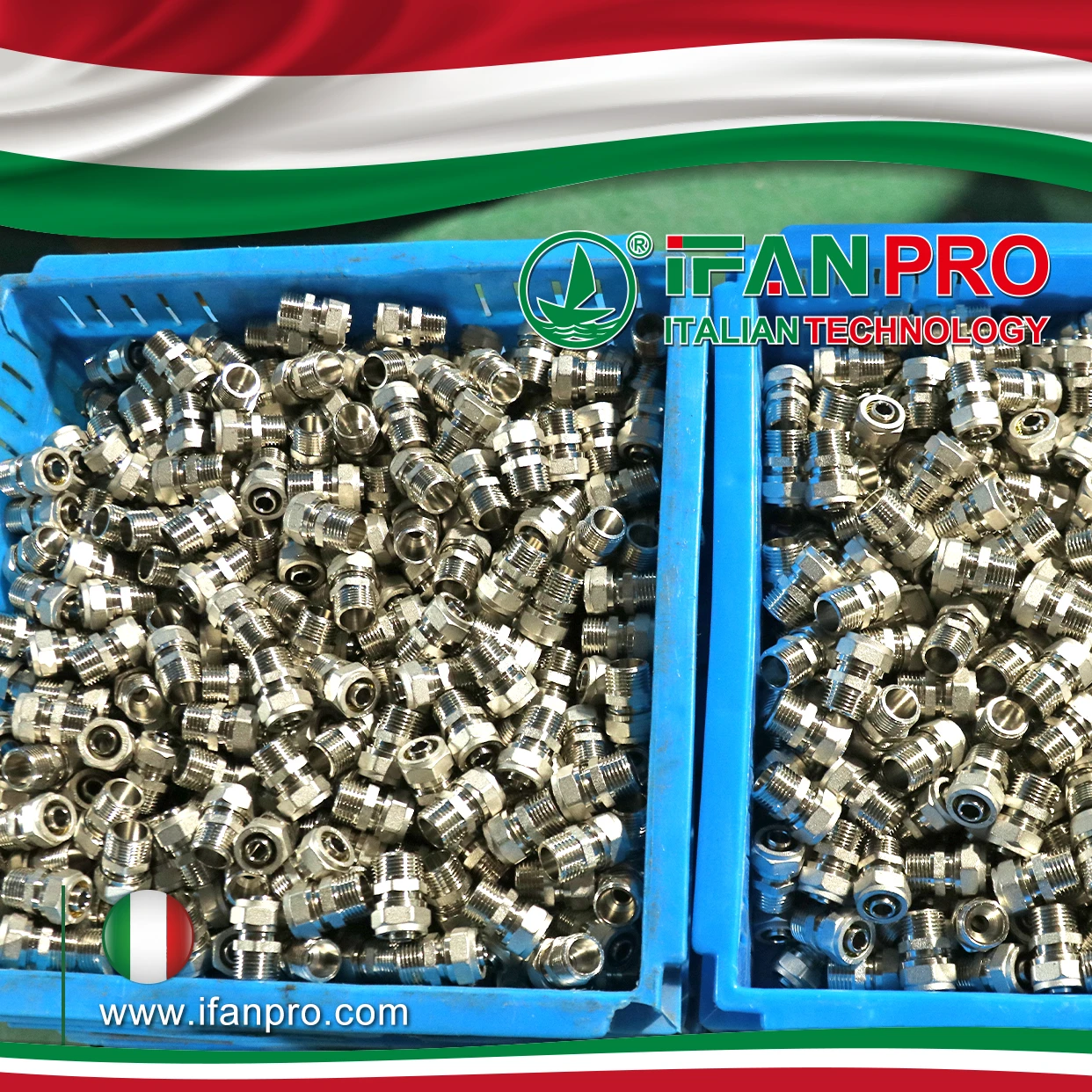
PEX ignores water chemistry that eats copper, but it has three enemies of its own: ultraviolet light, rodents, and aggressive disinfectant chemistry. PEX left in sunlight degrades, so exposed runs need sleeving or a UV-rated jacket. Rodents can chew unprotected tubing, a real field problem in some regions. And certain high-chlorine or chlorine-dioxide hot-water conditions can shorten PEX service life, which is exactly why the ASTM chlorine-resistance ratings on the print matter. Buy to the rating and PEX is durable; ignore it and you inherit a slow oxidation problem.
PPR’s fused joints are its best and worst feature. A correct fusion weld has no mechanical seal, no O-ring, no crimp ring, nothing to loosen, so there is no discrete leak point to fail. But PPR punishes fusion errors without mercy: an under-heated cold weld or an over-heated bead that closes the bore hides its defect inside the wall. If your crew is disciplined, PPR is one of the most leak-resistant systems you can install. If they are not, you cannot see the flaw until it lets go.
Freeze behavior separates the plastics from the metal in one stroke. When water freezes inside PEX, the tubing expands around the ice and usually survives; when it freezes inside copper, the rigid metal splits. That single property is why PEX dominates cold-climate residential markets and why we recommend it for any freeze-exposed run. For PEX-specific joint reliability, our field guide on solving leaks in PEX-AL-PEX connections covers the details.
Temperature, Pressure, and Where Each Fits
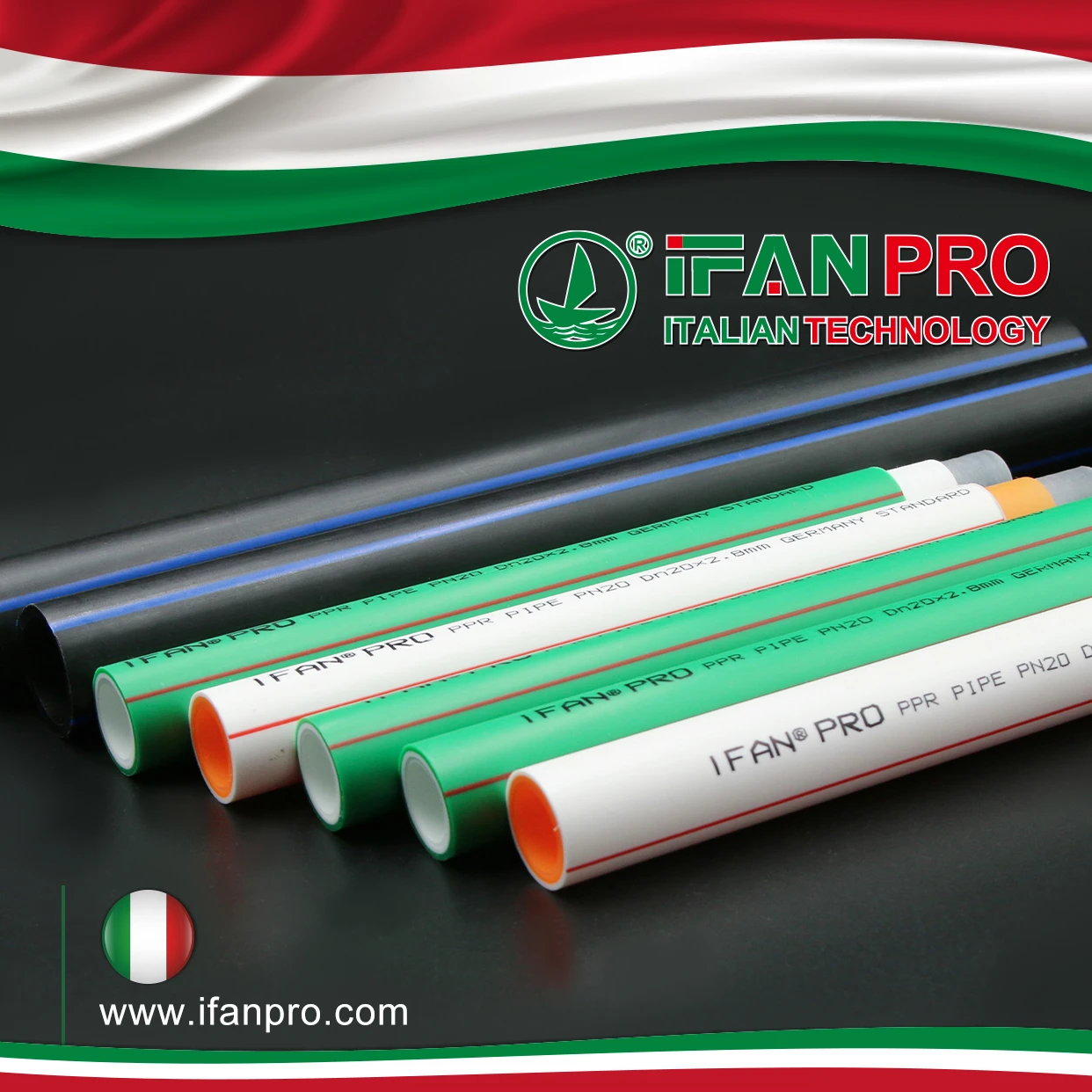
Pressure ratings mislead buyers because the headline number is the cold number. PEX to ASTM F876 is rated around 160 psi at 73°F, but that figure derates as water heats: roughly 100 psi at 180°F and about 80 psi at 200°F. If you spec off the cold rating for a hot-water or hydronic loop, you have over-credited the pipe by half. Copper carries the widest envelope of the three, handling higher continuous temperatures and, critically, staying intact in a fire instead of softening. PPR is sold by pressure class, from PN10 up to PN25, with the higher classes carrying thicker walls for hot and pressurized service. Read the class on the print, because a PN10 pipe in a PN20 application is a burst waiting to happen.
| Spec | PEX | Copper | PPR |
|---|---|---|---|
| Cold pressure (73°F) | ~160 psi | Very high | By PN class (PN10–PN25) |
| Hot pressure (~200°F) | ~80 psi (derated) | Handles high temp | Derates with class |
| Fire behavior | Softens, not fire-rated | Non-combustible | Softens, not fire-rated |
| Regional dominance | N. America, N. Europe | Legacy / fire-critical | Europe, ME, Asia |
Where each fits follows straight from that table. PEX owns cold and moderate-hot potable and hydronic work in freeze-prone, high-labor markets. Copper holds the high-temperature and fire-critical corner, plus anywhere metal is written into the spec. PPR is dominant across Europe, the Middle East, and much of Asia, where crews expect fused joints and codes are written around them. For the underlying material references, see copper tubing and PPR pipe.
10-Year Cost of Ownership
Sticker price on the pipe is the least useful number in this whole comparison. Over ten years, cost of ownership is material plus labor plus failure risk minus the lifespan you actually get. Copper’s metal cost and soldering labor front-load its expense, and copper is also a theft target on jobsites, an underrated real-world cost. PEX front-loads almost nothing and its fast install keeps labor low, but you must budget the correct chlorine and UV rating so it reaches its lifespan. PPR’s material and fusion labor are modest in its home markets, and its lack of a mechanical leak point keeps warranty callbacks down when installed correctly.
| Factor | PEX | Copper | PPR |
|---|---|---|---|
| Material cost | Low | High (metal price) | Low to moderate |
| Labor cost | Lowest (fast, flexible) | Highest (skilled solder) | Moderate (trained welder) |
| Lifespan | ~40–50 yr | ~50–70 yr (good water) | ~50 yr |
| Failure risk driver | UV / rodent / chlorine | Aggressive-water pinholes | Fusion-technique errors |
Verdict by market: in high-wage Western markets, PEX has the lowest 10-year cost of ownership for standard potable and hydronic work, full stop. In fusion-trained markets, PPR is the value leader because cheap material meets cheap skilled labor and low callback rates. Copper earns its premium only where its lifespan-in-friendly-water or fire performance is the deciding requirement, not where someone simply prefers metal.
Which Should You Choose? Best for / Not for
Here is the map procurement actually needs. Match the material to the market’s climate, code, and labor pool, and the pex vs copper vs ppr debate resolves itself per project.
| Material | Best for | Not ideal for |
|---|---|---|
| PEX | Freeze-risk, high-labor markets; retrofits; acidic water | Exposed UV runs; fire-rated risers; very high temp |
| Copper | High-temp, fire-critical, metal-mandated specs; friendly water | Acidic/aggressive water; tight labor budgets; freeze zones |
| PPR | Fusion-trained markets; leak-averse projects; hot/cold potable | Markets with no fusion crews; freeze-exposed runs |
Our position, plainly: high-labor, freeze-risk markets favor PEX; markets whose crews are trained on fused joints favor PPR; copper is the answer for high-temperature or fire-critical runs and anywhere code or client demands metal. Do not let a habit or a single vendor’s catalog make the call for you. The pex vs copper choice is usually decided by labor cost and water chemistry, while PPR wins or loses on whether a fusion workforce exists in that region.
What We Check Before Pipe Ships
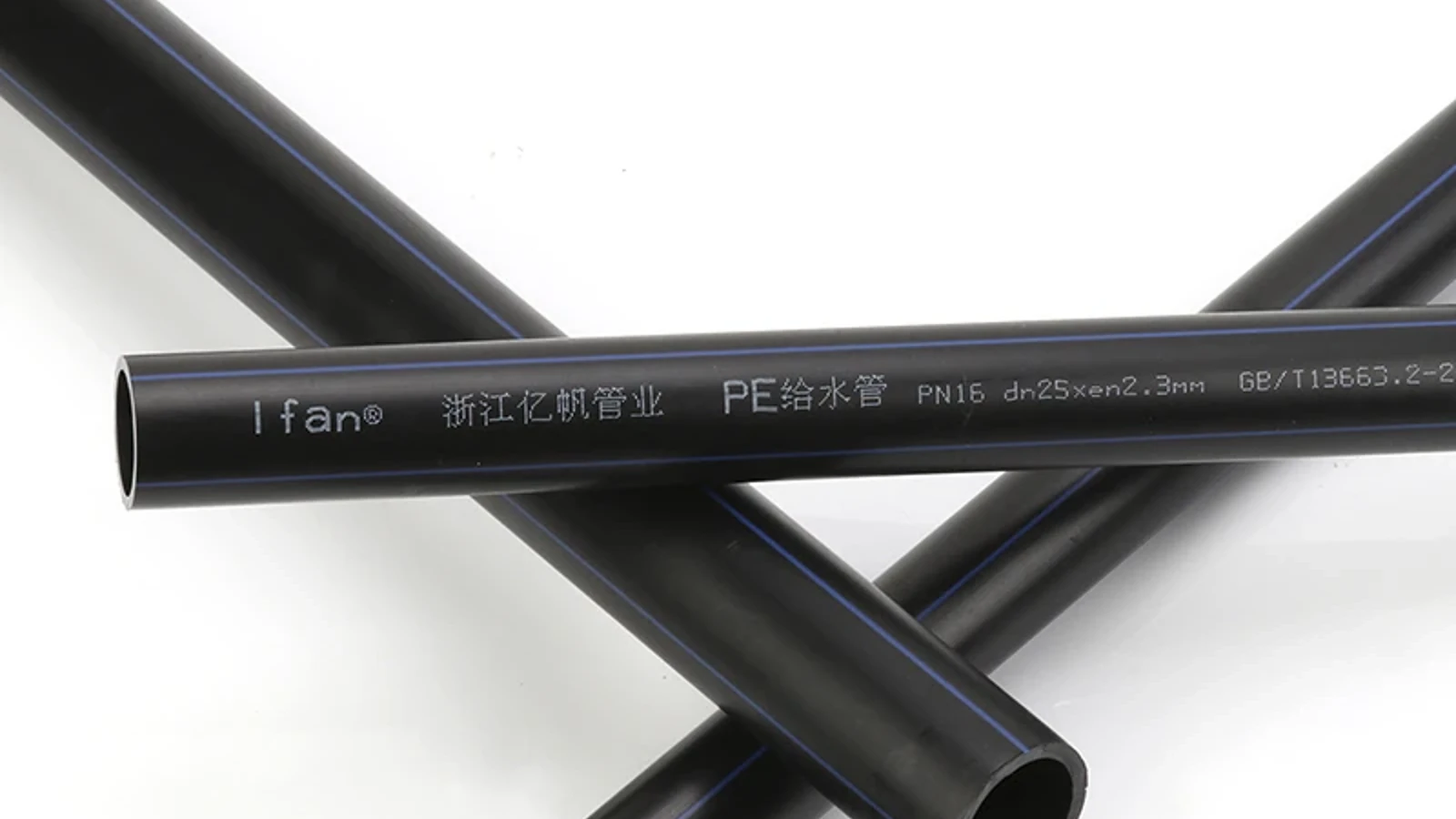
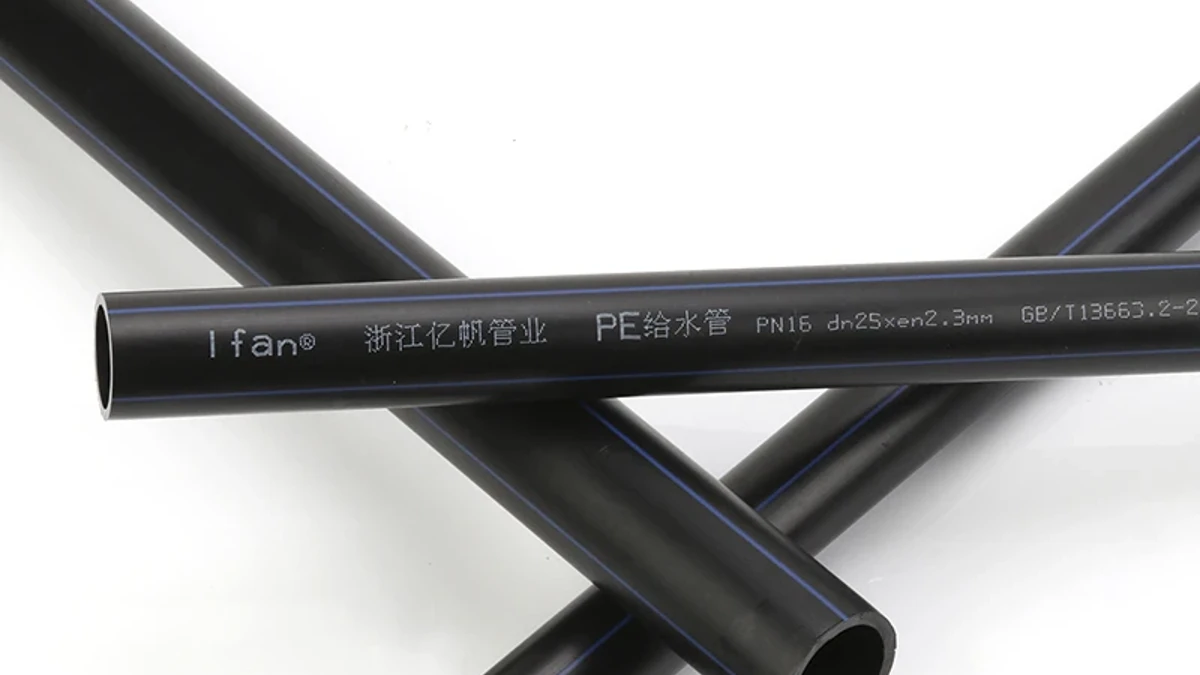
A material decision is only as good as the pipe that arrives at port. At IFANPRO we run every export batch through a fixed control process, because a spec sheet means nothing if the physical pipe drifts from it. We start with material traceability: each resin lot is recorded so a finished coil or length can be traced back to its raw input if a question ever arises downstream.
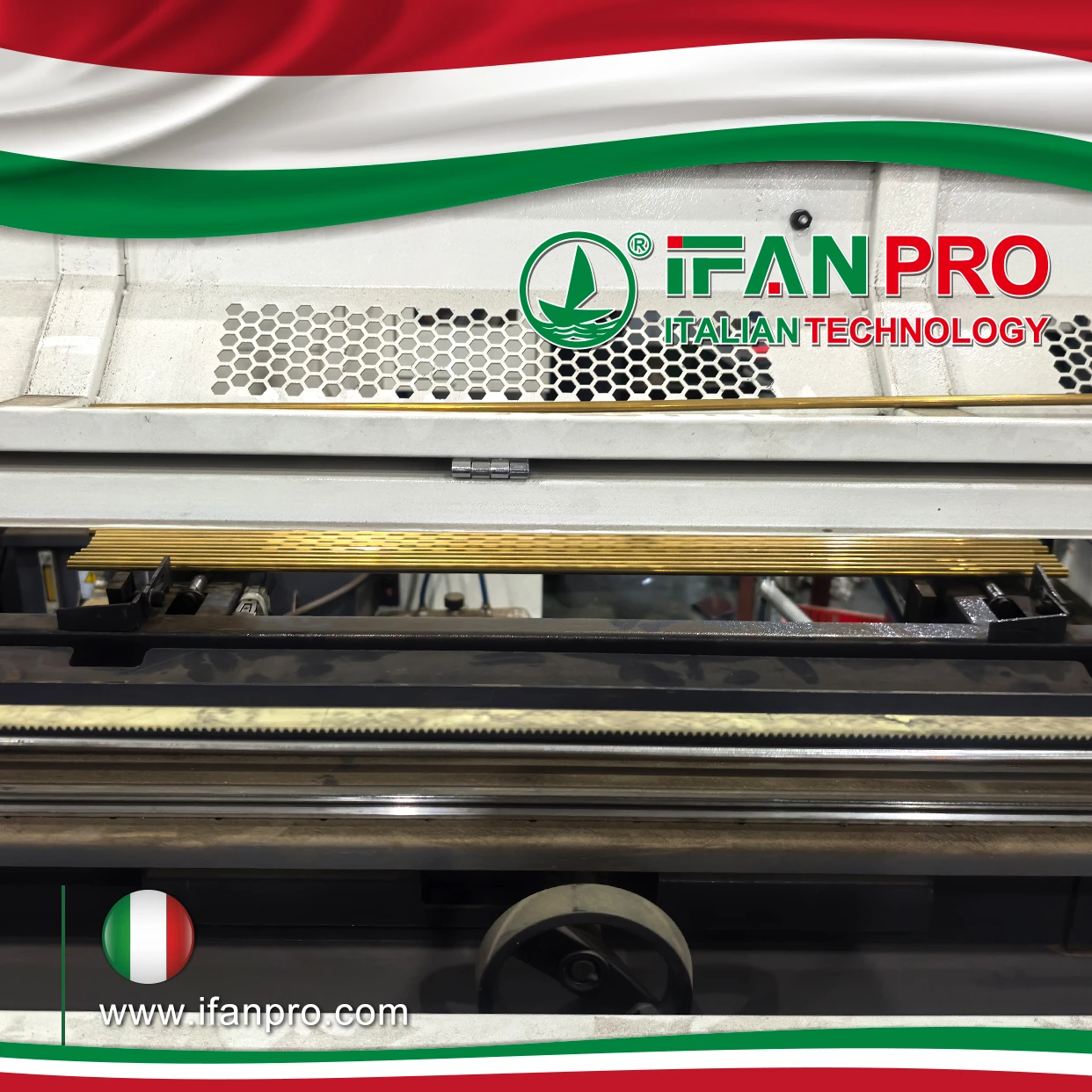
Next comes pressure testing to confirm the pipe holds its rated class, plus dimensional checks on wall thickness and ovality, because an out-of-round pipe or a thin wall fails at the joint long before the body ever bursts. The last gate is the one buyers forget: certification-scope match. We confirm the certificate on the pipe fits the destination market, whether that means WRAS for the UK, NSF or IAPMO for North America, WaterMark for Australia, or the relevant regional mark. A pipe certified for the wrong market can be perfectly good and still be rejected at customs or by the specifying engineer. Matching the certificate to the market is part of speccing the right material, and we treat it as a shipping gate, not an afterthought.
Conclusion
There is no universal winner in pex vs copper vs ppr, only a right answer per market: PEX for freeze-prone, high-labor regions, PPR where crews fuse joints and codes expect it, and copper for high-temperature, fire-critical, or metal-mandated specs. Spec to the climate, the code, and the labor pool first, then price. If you are weighing materials across several markets at once, talk to us about matching each project to the right pipe and the right certificate before you commit a purchase order.
Frequently Asked Questions
Is PEX or copper better for a home repipe?
For most homes in high-labor, freeze-prone markets, PEX is the better repipe choice. It installs faster with fewer joints, survives freezing by expanding around ice, and shrugs off acidic water that can pinhole copper. Copper stays the better pick where code demands metal, where water is friendly to it, or where fire performance is critical.
Why is PPR so common outside North America?
PPR is joined by heat fusion, and Europe, the Middle East, and much of Asia have trained fusion-welding workforces and codes written around fused joints. A correct fusion weld has no mechanical seal to loosen, so leak-averse projects favor it. In markets with no fusion crews, PPR is harder to install well, which is why it stays rare in North America.
What is the pressure rating of PEX pipe?
PEX to ASTM F876 is typically rated around 160 psi at 73°F, derating to roughly 100 psi at 180°F and about 80 psi at 200°F. Always design hot-water and hydronic loops off the derated hot number, not the cold headline, since the pipe carries far less pressure when hot.
Does PEX fail in sunlight or from rodents?
PEX degrades under ultraviolet light, so exposed runs need sleeving or a UV-rated jacket, and unprotected tubing can be chewed by rodents in some regions. Both are manageable with correct installation. Buy PEX to the right chlorine-resistance rating as well, since aggressive hot-water disinfectant chemistry can shorten its service life.
Which material has the lowest 10-year cost?
In high-wage Western markets, PEX typically has the lowest 10-year cost of ownership thanks to low material price and fast install. In fusion-trained markets, PPR is often the value leader. Copper’s higher labor and metal cost mean it earns its premium mainly where lifespan-in-friendly-water or fire performance is the deciding factor. Figures vary by region.







 English
  Français
  Русский
  Español
Recent Comments