
1. Introduction
When it comes to hot water systems, choosing between PPR and copper pipes is a significant decision. This guide delves into the technical aspects, costs, and real – world performance of these two materials to help you figure out which one is more suitable for your hot water needs.
2. Core Advantages of PPR Pipes
2.1 Corrosion Resistance
- PPR pipes are not affected by chlorine, salts, or acidic water.
- Copper pipes, on the other hand, are prone to corrosion in aggressive water conditions.
2.2 Cost – Effectiveness
- PPR pipes are 40 – 60% cheaper than copper pipes.
- Copper pipes are more expensive due to the high cost of raw materials.
2.3 Insulation Performance
- PPR pipes have natural thermal insulation, which reduces heat loss by 30%.
- Copper pipes need additional insulation to maintain heat.
2.4 Installation Ease
- PPR pipes can be welded quickly with a simple welding machine.
- Copper pipes require soldering or press – fit connections, which demand more skills.
3. Technical Comparison Table
| Feature | PPR Pipes | Copper Pipes |
|---|---|---|
| Temperature Rating | 95°C continuously (EN 12201) | 100°C continuously (ASTM B88) |
| Pressure Rating | PN10 – PN25 | PN16 – PN25 |
| Lifespan | 50+ years | 60 – 70 years |
| Leak Risk | Low (welded joints) | Higher (soldered joints) |
4. Ideal Scenarios for PPR Pipes
- Residential Hot Water Systems: Suitable for homes with chlorinated water.
- Commercial Heating: Cost – efficient for hotels and apartment complexes.
- Solar Thermal Systems: Can handle temperature fluctuations well.
5. Best Practices for PPR Installation
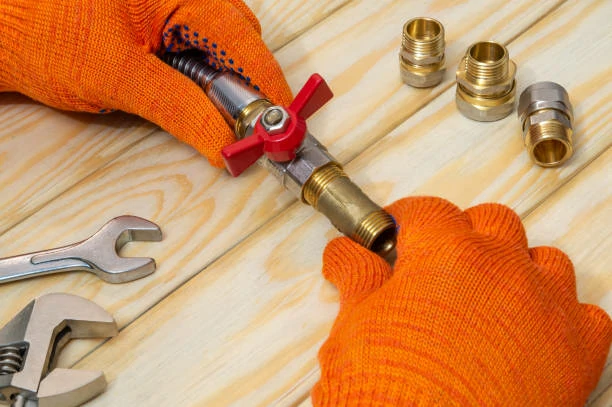
- Welding: Use a calibrated machine at 260°C for 8 – 12 seconds.
- Expansion Management: Install expansion joints every 30 – 50 meters.
- Pressure Testing: Test at 1.5x working pressure for 2 hours.
6. Case Studies
6.1 UK Housing Association
- Challenge: High maintenance costs with copper pipes.
- Solution: Replaced copper pipes with PPR pipes.
- Result: Saved £25k annually and reduced leaks by 90%.
6.2 German Hotel
- Requirement: A 75°C radiant heating system.
- Product: DN25 PPR pipes.
- Outcome: 22% energy savings compared to copper.
7. FAQs
Q: Are PPR pipes safe for drinking water?
A: Yes, they meet NSF/ANSI 61 and WRAS standards.
Q: Can PPR pipes be recycled?
A: Yes, they are 100% recyclable.
Q: Are copper pipes better for high – pressure systems?
A: Both materials can handle PN25 pressure, but PPR is more cost – effective.
8. Conclusion
PPR pipes are generally a better option than copper for hot water systems because of their corrosion resistance, cost – effectiveness, and ease of installation. For high – temperature or extreme – pressure scenarios, copper may still be suitable, but PPR offers a superior balance of performance and affordability.
For high – quality PPR solutions, visit ifanultra.com or contact [Yifan Pipeline] for a free consultation.











 Français
  English
  Русский
  Español
Commentaires récents