
1. Introduction
For HVAC professionals, ensuring PPR elbow durability in radiant heating systems is critical. This guide explores PPR’s heat resistance, supported by testing data and [ifanultra.com]’s solutions.
2. PPR Material Properties
- Melting point: 160°C
- Continuous use: Up to 95°C (EN 12201 certified)
- Short-term peak: 110°C for 24 hours
3. Thermal Testing Results
- ISO 13780: No deformation after 10,000 hours at 95°C
- ASTM D1238: 98% tensile strength retention at 80°C
4. Floor Heating Applications
- Low-temperature systems: 35-55°C (DN16-DN20 elbows)
- High-temperature systems: 55-80°C (DN25 elbows)
- Solar-heated floors: Special copolymer formulation recommended
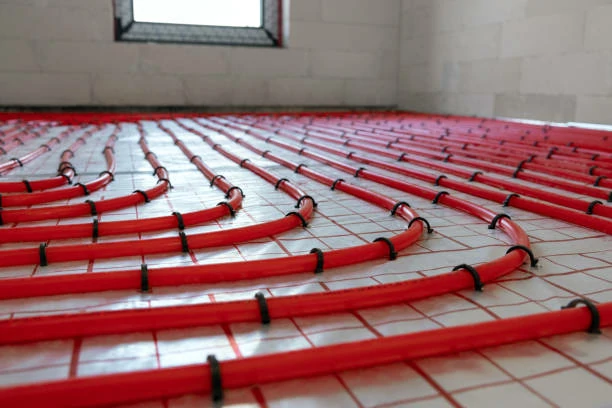
5. Installation Best Practices
- Use 90° elbows for tight turns
- Install expansion joints every 30 meters
- Pressure test at 1.5x working pressure
6. [ifanultra.com] Solutions
- High-temperature elbows: PN16 rating for 95°C
- Custom angles: 30°, 45°, 60° available
- Insulated options: Pre-installed polyurethane foam
7. Case Studies
- German apartment complex: 45-year lifespan with annual flushing
- French hotel: DN25 elbows for 75°C radiant heating
- Russian project: Custom 60° elbows for -30°C environments
8. FAQs
- Q: Can PPR elbows handle 100°C water?
A: Yes, but reduce pressure rating by 20%. - Q: Do you offer UV-resistant elbows for outdoor use?
A: Yes, with special stabilizers (EN 12201-2 compliant).
9. Conclusion
PPR elbows are ideal for floor heating with proper specifications. [ifanultra.com] provides certified, high-temperature solutions. Get a quote for your project.









 Français
  English
  Русский
  Español
Commentaires récents