
When it comes to water supply systems—whether in homes, commercial buildings, or municipal infrastructure—choosing a long-lasting pipe material is essential for cost-efficiency, safety, and durability. But with so many options on the market, from copper to PVC to PPR, which material actually lasts the longest?
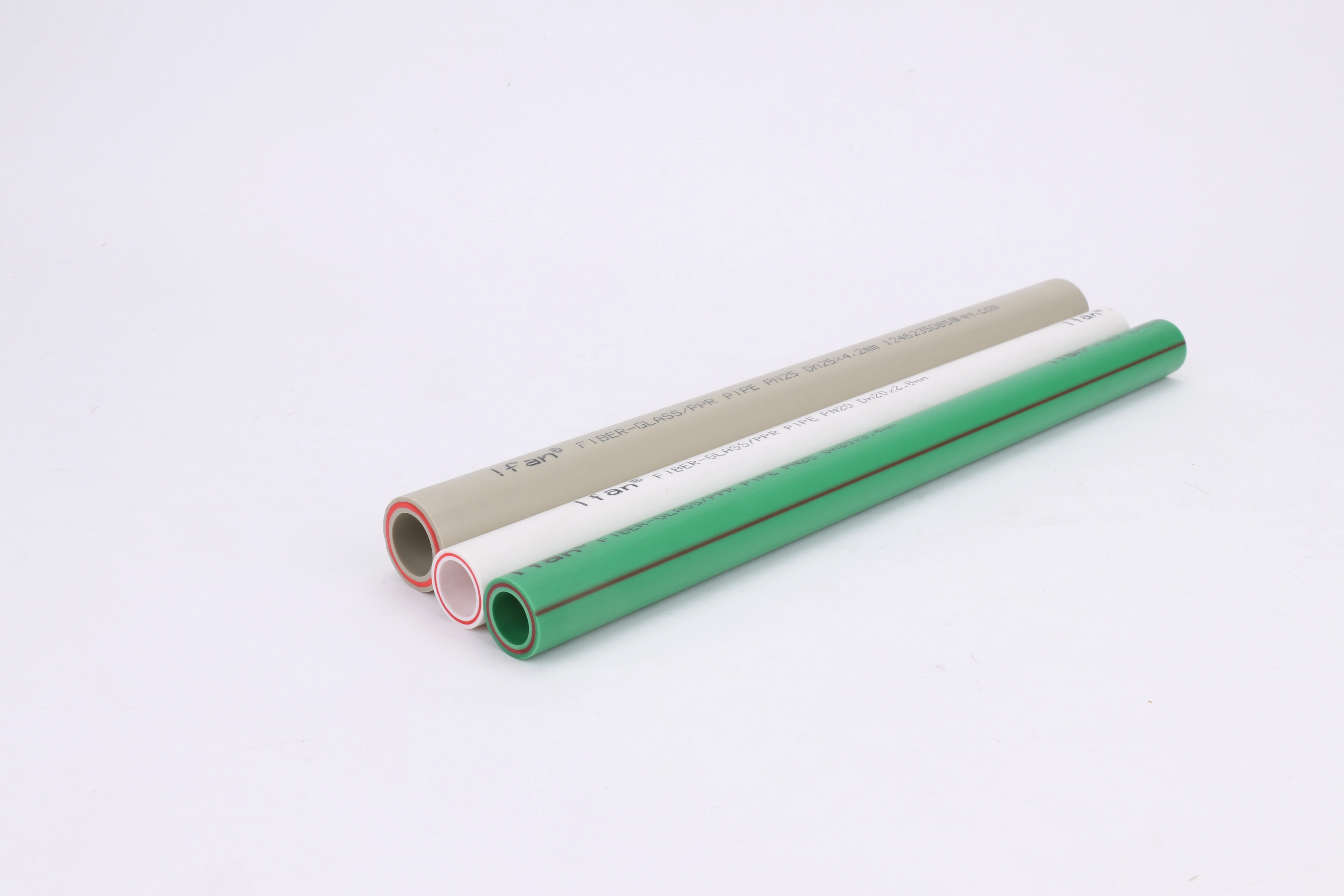
In this article, we compare popular water pipe materials, their average lifespans, and why PPR (Polypropylene Random Copolymer) is becoming the top choice for modern, long-term plumbing systems.
🏆 Quick Answer: PPR and Copper Are Among the Longest Lasting
| Material | Average Lifespan | Resistant To | Suitable For |
|---|---|---|---|
| PPR | 50+ years | Corrosion, scale, high temp | Hot/cold water, heating |
| Copper | 40–70 years | Corrosion (but not acidic water) | Potable water |
| CPVC | 40–50 years | Heat, chemicals | Hot water lines |
| PVC | 25–40 years | Chemicals, pressure | Cold water only |
| Galvanized Steel | 20–40 years | None (prone to rust) | Obsolete in modern systems |
✅ PPR pipes consistently rank at the top due to their combination of longevity, versatility, and resistance to chemical and thermal wear.
🔍 Why PPR Pipes Are the Best Long-Term Water Pipe Solution
PPR has gained global popularity, especially in Europe, Asia, and the Middle East, thanks to its superior performance in a wide range of applications.
✔️ 1. 50+ Year Service Life
PPR pipes have a tested lifespan of over 50 years, even under high temperature and pressure conditions—making them ideal for both hot and cold water systems.
✔️ 2. Corrosion-Free & Chemical Resistant
Unlike metal pipes, PPR does not rust, corrode, or react with hard water, acids, or household chemicals. This keeps your system clean and reduces long-term maintenance.
✔️ 3. Thermal Durability
Can withstand temperatures up to 95°C (203°F) continuously, making it suitable for domestic hot water systems and underfloor heating.
✔️ 4. Low Thermal Conductivity
Minimizes heat loss, improving energy efficiency in heating systems and hot water lines.
✔️ 5. Eco-Friendly & Recyclable
PPR is non-toxic, BPA-free, and 100% recyclable—ideal for sustainable building projects.
💡 PPR vs Copper: Which One Lasts Longer?
While copper has been used for decades and also boasts high durability (up to 70 years), it comes with limitations:
- Susceptible to pinhole leaks in acidic water
- More expensive and harder to install than PPR
- Conducts heat easily (not energy-efficient)
In contrast, PPR offers comparable lifespan with:
- Lower cost
- Easier installation (heat fusion welding)
- Better insulation
- Full resistance to corrosion and electrolysis
✅ PPR is more cost-effective for modern infrastructure and green buildings.
🌍 Who Should Use PPR Pipes?
PPR is ideal for:
| Application | Examples |
|---|---|
| Residential | Drinking water, showers, kitchens |
| Commercial | Office buildings, hotels, hospitals |
| Industrial | Compressed air, chemical lines |
| Agriculture | Irrigation and water storage systems |
🔧 Where to Buy Long-Lasting PPR Pipes?
If you’re looking for certified, high-quality PPR pipes that meet DIN 8077/8078 and ISO 15874 standards, ifanpro is your trusted manufacturer and supplier.
Why Choose ifanpro?
- Over 20 years of experience exporting to Europe, Asia, South America
- Factory-direct pricing with OEM/ODM services
- Full range of PPR pipes and fittings (from 20mm to 160mm)
- Custom solutions for projects of any scale
👉 Explore our products at ifanpro.com
✅ Conclusion
When durability matters, PPR pipes are one of the longest-lasting and most reliable choices for modern water supply systems. Their resistance to temperature, pressure, corrosion, and scale makes them ideal for both residential and commercial use.
Whether you’re building a new system or upgrading an old one, choosing ifanpro’s high-quality PPR piping ensures long-term performance and peace of mind.





 English
  Français
  Русский
  Español
Recent Comments