
The PVC vs ABS pipe question comes up on almost every drain, waste, and vent job, and picking wrong can mean a failed inspection or a joint that leaks two winters later. Here is the core difference in plain terms: both are plastic DWV drain pipes, but ABS is a black, one-piece thermoplastic that glues in a single step and stays tougher in cold weather, while PVC is white or gray, needs purple primer plus solvent cement, flexes more, and runs quieter. Neither material is “better” everywhere. Your local plumbing code and your climate decide which one belongs in the wall.
Both pipes carry gravity drainage, not pressurized hot water, so this comparison stays inside the DWV world rather than supply lines. If you are weighing hot-water or higher-temperature plastics instead, see how PVC compares to CPVC. Below, we break the choice down by strength, temperature, noise, UV exposure, joining method, code acceptance, and cost, then give you a selection matrix so you can match the pipe to the job with confidence.
Key Takeaways
- ABS is black and glues in one step; PVC is white or gray and needs primer first, then cement.
- ABS handles impact and cold better, making it a common pick in freezing climates and exposed runs.
- PVC is more flexible, transmits less water noise, and resists chemical attack slightly better than ABS.
- Both are DWV gravity-drain pipes only. Neither is rated for hot pressurized supply lines.
- You cannot solvent-weld ABS to PVC. Joining the two requires a code-approved mechanical transition coupling.
- Code acceptance splits by region. Some jurisdictions favor ABS, others PVC, so confirm the local code before you buy.
This guide is part of our complete guide to PVC pipe and fittings — start there for the full PVC system overview.
PVC vs ABS: The Short Answer
Start with what the two share. PVC and ABS are both rigid thermoplastic pipes used for drain, waste, and vent (DWV) plumbing, the network that carries wastewater and sewer gases away from fixtures by gravity. They come in similar diameters, they cut with the same saw or ratchet cutter, and both join with solvent welding rather than threads or heat fusion. On a finished job, an inspector cares far more about slope, support, and clean joints than about which of these two plastics you ran.
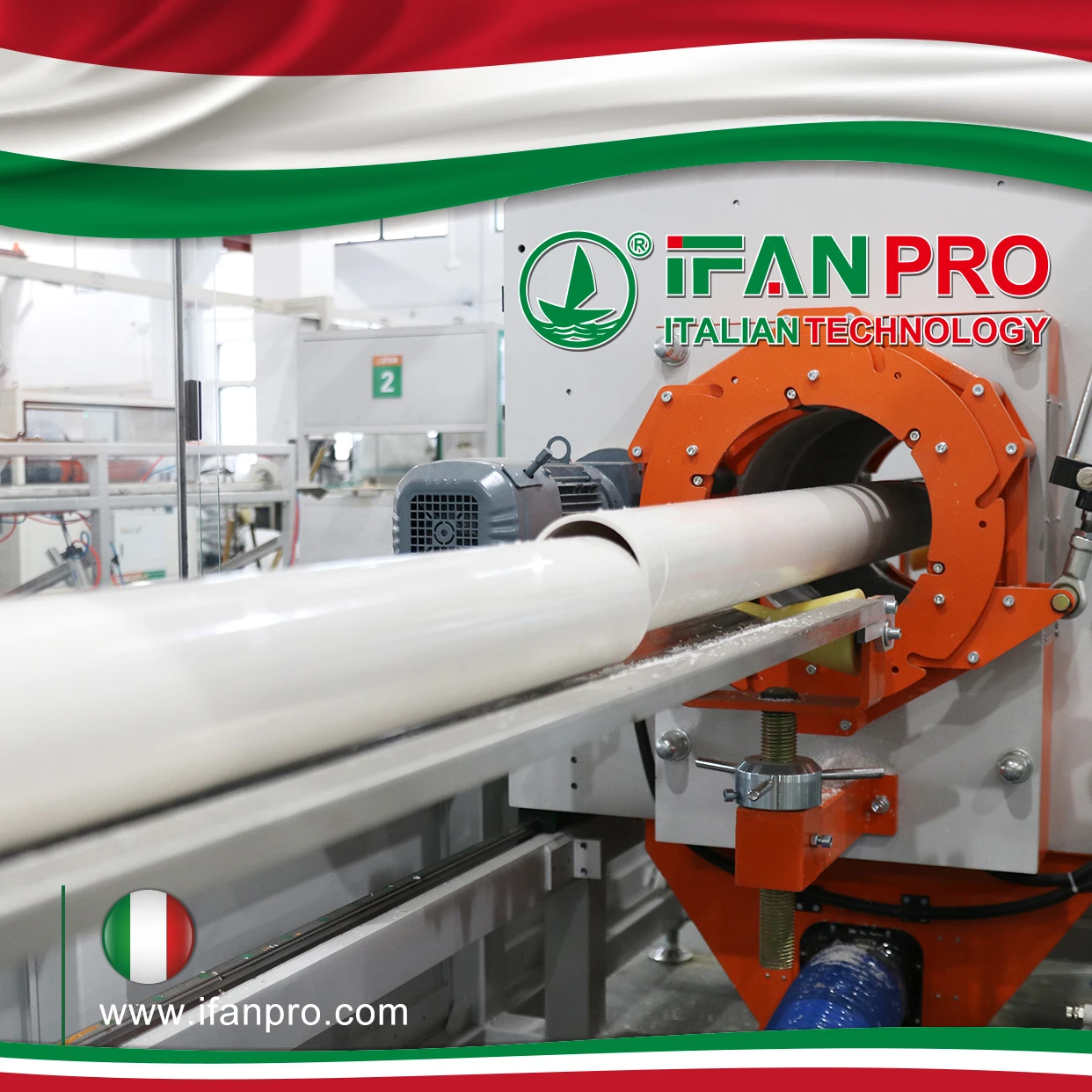
Now the split. ABS (acrylonitrile butadiene styrene) is a single-layer black pipe with a slightly matte finish. It contains its own bonding agents, so a plumber applies one coat of ABS cement and pushes the joint home in a single move. PVC (polyvinyl chloride) is white or gray, and its solvent weld demands two steps: a swipe of purple primer to soften and clean the surface, then the cement. That extra step is not busywork. Many codes require the visible purple ring as proof the primer was used, and skipping it is a classic reason a joint gets flagged.
Beyond color and glue, the materials behave differently under stress. ABS keeps more of its toughness when the temperature drops, so it resists cracking on a cold morning or when a fitting takes a knock. PVC is more flexible and denser, which lets it dampen the rush-of-water sound that makes a bare ABS stack audible through a wall. Neither difference makes one pipe universally correct. The deciding factors are what your jurisdiction stamps as approved and what the climate throws at the pipe, which is exactly where the rest of this guide focuses.
Strength, Temperature & Noise
On raw impact resistance, ABS wins. The rubber-toughened styrene backbone absorbs shock without shattering, so an ABS fitting is more forgiving of a dropped tool, a rough backfill, or a hard freeze that expands trapped water inside the line. That cold performance is why you see ABS specified so often in northern and mountain regions: it stays impact-tough at temperatures where PVC turns comparatively brittle. For an unheated crawlspace or an exterior wall in a freezing climate, ABS gives you more margin before a hairline crack becomes a callback.
PVC trades some of that low-temperature toughness for two things installers value. It is denser and stiffer, which translates into better sound damping. Water dropping down a vertical stack behind a bedroom wall is noticeably quieter in PVC than in bare ABS, and that alone drives many multifamily and residential specs. PVC is also slightly more flexible along a long horizontal run, so it tolerates minor settling and support spacing with less risk of a stressed joint. Where acoustics or a long lateral matter, PVC earns its place.
Both PVC and ABS soften as temperature climbs and neither is a pressure or hot-supply pipe. Standard DWV product handles the intermittent warm discharge from sinks, showers, and laundry, but a sustained flow of near-boiling water can distort either material. For continuous hot or pressurized service, step up to a rated material such as CPVC, PEX, or metal.
Keep the temperature story in perspective. DWV lines see brief, intermittent warm water, not a constant hot feed, so both plastics are fine for normal household waste. The practical temperature question is the cold end, not the hot end, and that is where ABS holds an edge. On the flip side, PVC resists a wider range of household chemicals and drain cleaners a little better, which can matter for commercial kitchens or lab waste. Read strength as a split decision: ABS for impact and cold, PVC for quiet and chemical tolerance.
UV & Outdoor Exposure
Sunlight is hard on both plastics, but in different ways. Ultraviolet light degrades the surface of PVC, and over months of direct exposure an unprotected white pipe chalks, discolors, and grows brittle enough to crack under load. That is why exposed PVC vent stubs and outdoor runs are usually painted with a UV-resistant latex or wrapped. The paint is not cosmetic. It is the shield that keeps the pipe wall from breaking down.
ABS carries carbon black through the whole wall, and that pigment absorbs UV and slows the same degradation, so ABS tends to tolerate outdoor and cold exposure a bit better out of the box. That said, treat this as a relative advantage, not a license to leave any drain pipe baking in the sun for years. Manufacturers still recommend protecting exposed ABS on long-term outdoor installs, and long UV exposure will eventually dull and weaken it too. Where an exposed exterior run is unavoidable, confirm the local code on outdoor DWV, protect the pipe, and lean toward ABS if the climate is also cold.
Joining: One-Step vs Primer + Cement
The joining method is where the day-to-day difference between these pipes shows up most. ABS uses a one-step cement: clean and dry the surfaces, brush on the ABS-specific glue, and seat the fitting with a quarter turn. There is no separate primer. PVC requires two products in sequence, purple primer to prep and soften the surface, followed by PVC solvent cement. The primer step is slower, but it is also the step inspectors look for, since the purple stain is visible proof the surface was properly prepared.
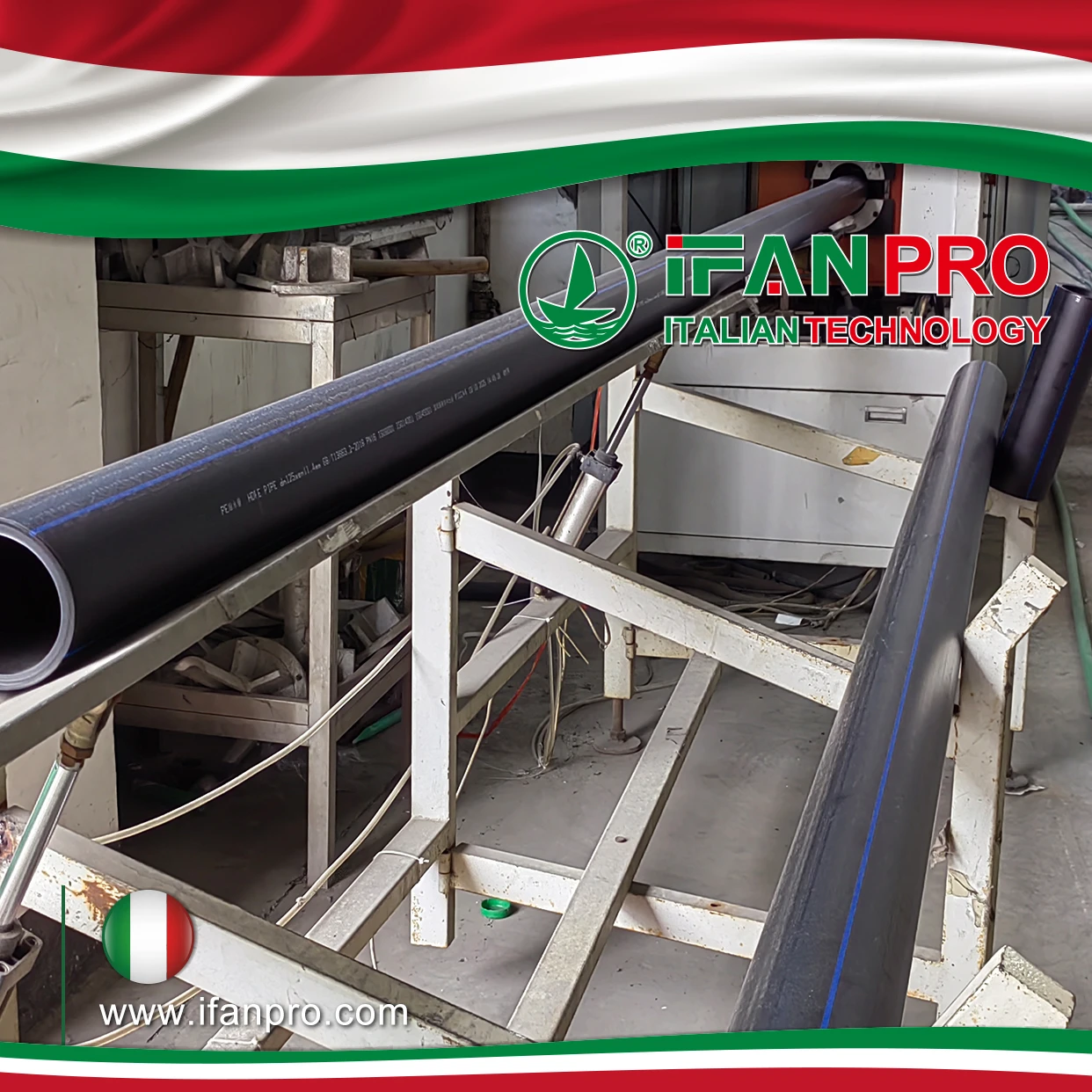
Here is the insider warning that trips up crews on mixed jobs: you generally cannot solvent-weld ABS directly to PVC. The two plastics need different cements, and the chemistry of a shared “transition” or all-purpose glue is not accepted by many jurisdictions for a permanent structural joint. When you have to connect an existing ABS stack to new PVC, or vice versa, the code-correct move is a mechanical transition coupling, a rubber-and-band shielded coupling made for the joint. Confirm the local code, because some inspectors accept only specific coupling types. For the correct primer-and-cement technique on the PVC side, see how to solvent-weld PVC.
One more joining note that affects material choice: cure time and cleanliness. ABS is fast and tolerant, which makes it friendly in cold conditions where solvent flashes slowly. PVC’s two-step process gives a very strong, chemically fused joint but punishes shortcuts, and cutting primer to save time is a leading cause of failed pressure or air tests. Whichever you run, match the cement to the pipe, keep surfaces dry, and give the joint its full set time before you flow water. For pressure-rated PVC work, the wall thickness also matters, which is covered in our look at Schedule 40 vs 80 PVC.
Head-to-Head Comparison
The table below lines up the two materials on the properties that actually change a purchasing or installation decision. Use it as a quick reference, but remember the last row: code acceptance is regional, and it often overrides every technical preference above it.
| Property | PVC | ABS |
|---|---|---|
| Color | White or gray | Black, matte |
| Impact & cold strength | Good; more brittle when cold | Stronger; stays tough in cold |
| Noise | Quieter; better sound damping | Louder water flow |
| UV / outdoor | Needs paint or wrap to shield | Tolerates UV/cold a bit better |
| Joining | Primer + solvent cement (two steps) | One-step cement |
| Typical code use | Widely accepted; varies by region | Favored in some cold-climate areas |
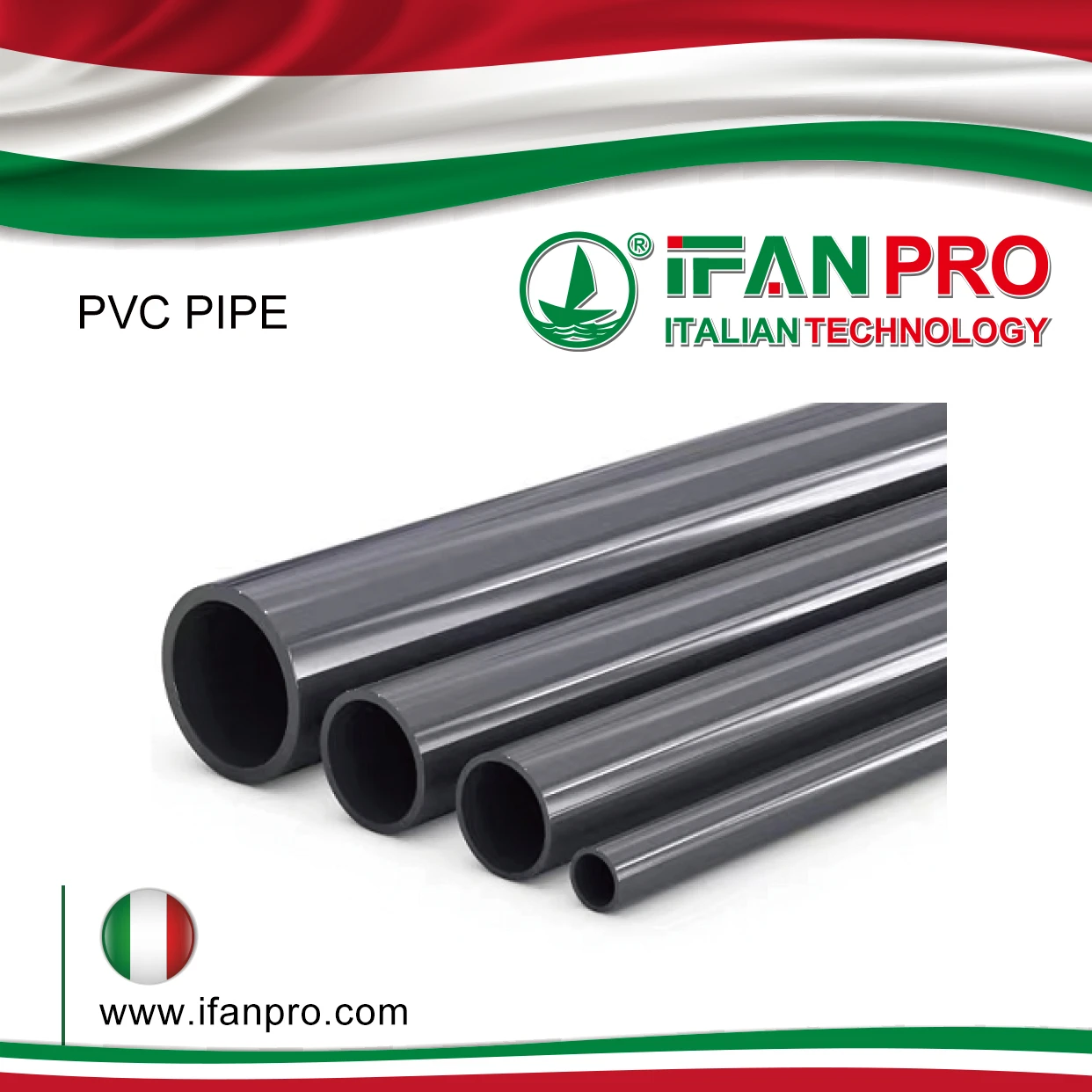
Which Should You Use? (Best For / Not For)
With the properties on the table, the choice usually resolves to a few clear scenarios. The matrix below names a winner for each common situation. Treat it as a strong default, then check it against your jurisdiction, because code acceptance can flip the answer regardless of which material performs better on paper.
| Scenario | Pick |
|---|---|
| Freezing climate, unheated crawlspace or exterior wall | ABS for cold impact resistance |
| Quiet stack behind a bedroom or in multifamily | PVC for lower water noise |
| Exposed exterior run in full sun | ABS, or PVC painted for UV |
| Commercial kitchen or chemical-heavy waste | PVC for broader chemical tolerance |
| Matching an existing system or tie-in | Match the existing material; use a transition coupling if not |
| Jurisdiction that approves only one material | Whichever the local code allows |
The pattern is easy to hold in your head. Choose ABS when cold, impact, or speed of installation drive the job. Choose PVC when noise, chemical exposure, or a long flexible lateral matter more. When you are tying into an existing drain, matching the material already in the wall is almost always simpler and cheaper than a transition. And whenever a supplier or inspector tells you a region prefers one plastic, believe them and confirm the local code before ordering. The Plastics Pipe Institute and your Authority Having Jurisdiction are the final word on what is approved. If your project also touches supply piping, our PEX vs copper vs PPR comparison covers those materials.
What We Check Before PVC Ships
At IFANPRO, we do not treat drain pipe as a commodity that leaves the line unchecked. Before any PVC order ships, we run it through a fixed set of checks so the pipe that reaches your site performs the way the datasheet promises and passes inspection in your market.
- Material verification: we confirm the resin formulation and batch so the compound matches the spec ordered, not a cheaper substitute blended to hit a price.
- Wall thickness and OD: we measure outside diameter and wall at multiple points along each production run, since a thin wall is where field failures start.
- Dimensional and fit checks: we test socket depth and fitting tolerances so joints seat fully and solvent-weld cleanly on the first try.
- Certification scope: we match each shipment to the right approval for its destination, so the pipe carries the standard your inspector expects to see.
Because we manufacture across PEX, PPR, HDPE, and PVC lines with certifications spanning ISO 9001 and 14001, CE, WRAS, NSF/IAPMO, and WaterMark, we can steer OEM and ODM buyers toward the exact material and approval their market demands. That range lets us answer the PVC vs ABS question for a specific project rather than in the abstract, and it means one supplier can cover both the drain side and the pressure side of a build.
Conclusion
The PVC vs ABS pipe decision is not about finding a single best plastic. Both are proven DWV materials. ABS is the black, one-step-glue pipe that shrugs off cold and impact, and it earns its place in freezing climates and exposed runs. PVC is the white, primer-plus-cement pipe that runs quieter, flexes more, and tolerates a wider chemical range, which makes it the default for acoustics-sensitive and long horizontal work. Between them, the tiebreakers are climate and, above all, what your local plumbing code approves.
Once you know which material your project and jurisdiction call for, the next step is sourcing pipe and fittings that actually meet the standard on the label. If you are specifying a DWV or pressure system and want product certified to your market, talk to our team about the right PVC line and approval for the job.
Frequently Asked Questions
Is ABS or PVC better for drain pipe?
Neither is better everywhere. ABS resists impact and cold and glues in one step, so it suits freezing climates and exposed runs. PVC is quieter, more flexible, and slightly more chemical-resistant. The strongest tiebreaker is your local plumbing code, since some regions approve only one material. Confirm the local code before you buy.
Can you glue ABS pipe to PVC pipe?
You generally cannot solvent-weld ABS directly to PVC, because the two plastics need different cements and a shared glue is not accepted for a permanent joint in many jurisdictions. To connect them, use a code-approved mechanical transition coupling. Check with your inspector, since some accept only specific coupling types.
Why does PVC need primer but ABS does not?
PVC solvent welding uses purple primer to clean and soften the surface before the cement bonds it. ABS cement carries its own softening agents, so it bonds in one step. Many codes also require the visible purple ring as proof the primer was applied, so skipping it can fail an inspection.
Is ABS or PVC quieter for a drain stack?
PVC is quieter. It is denser and stiffer than ABS, so it dampens the sound of water rushing down a vertical stack. That is a common reason PVC gets specified for stacks behind bedrooms or in multifamily buildings, where flowing-water noise carries through the wall.
Can PVC or ABS be used outdoors in the sun?
Both degrade under long UV exposure. PVC chalks and grows brittle unless painted with UV-resistant coating or wrapped. ABS carries carbon black that shields it a bit better, but it still needs protection on long-term outdoor runs. Confirm the local code on exposed DWV before installing either outside.
IFANPRO has manufactured PEX, PPR, HDPE, and PVC pipe and brass fittings in China since 1993, from a 120,000 m² factory with 600+ staff. Our products carry ISO 9001 and 14001, CE, WRAS, NSF/IAPMO, and WaterMark certifications, and we support OEM and ODM programs for buyers worldwide.








 English
  Français
  Русский
  Español
Recent Comments