
Is PEX safe for drinking water? Yes. Potable-certified PEX pipe is approved for drinking water by essentially every major plumbing code in North America, the UK, Europe, and Australia, and the material itself is BPA-free and lead-free. The honest complication for an importer is not the plastic. It is the certification scope: a genuine mark that covers the wrong series, the wrong pipe size, or that expired last quarter can still get a container rejected at inspection, even when the pipe inside is perfectly safe.
That distinction, safe material versus verifiable paperwork, is what this article walks through so you can buy with confidence. We cover the standards that prove potability, the real research on chemical leaching and taste, and the specific import risks that trip up buyers who trust the pipe but skip the certificate. If you want the wider material and sizing picture first, start with our complete guide to PEX pipe, then come back here for the potable-water and certification detail your local authority will actually ask about.
Key Takeaways
- Certified PEX is approved for potable water in most markets; the material is BPA-free and, when built to spec, lead-free.
- NSF/ANSI 61 covers health effects (what can leach); NSF/ANSI 372 caps lead at a 0.25% weighted average. They are separate marks, and buyers often confuse them.
- The UK typically expects WRAS or Regulation 4 compliance; Australia typically expects WaterMark. Which mark you need depends on the destination market and your role in the supply chain.
- A slight plastic taste from new PEX usually clears with flushing over days to a few weeks; studies detecting trace compounds generally report levels below regulatory limits.
- The most common rejection is paperwork, not the pipe: a certificate naming a different series, a size range you did not buy, or an expired date.
- For heavily chlorinated water, chlorine-resistant PEX-b with a documented stabilizer package resists premature degradation better than under-stabilized pipe.
- Always confirm current requirements with the local authority or certification body before you commit an order.
Is PEX Safe for Drinking Water? The Short Answer
Yes. Potable-certified PEX is approved for drinking water under essentially every major plumbing code, and it has been for decades. Cross-linked polyethylene contains no BPA, and pipe built to the correct standard carries no meaningful lead content in the water pathway. The plastic passes. The recurring failure across the industry is a certification that does not match what shipped, which is a paperwork issue rather than a health one.
Two details matter for an importer. First, “certified” is not one thing. A pipe may be certified for potable use in one region and still lack the specific mark your destination inspector expects, so approval typically depends on the market and the importer’s role. Second, safety is a property of the certified formulation, not of “PEX” in the abstract. Recycled or under-stabilized material can technically be cross-linked polyethylene and still fail early. Confirm current requirements with the local authority or certification body before you commit to any order, because codes update and enforcement varies by jurisdiction.
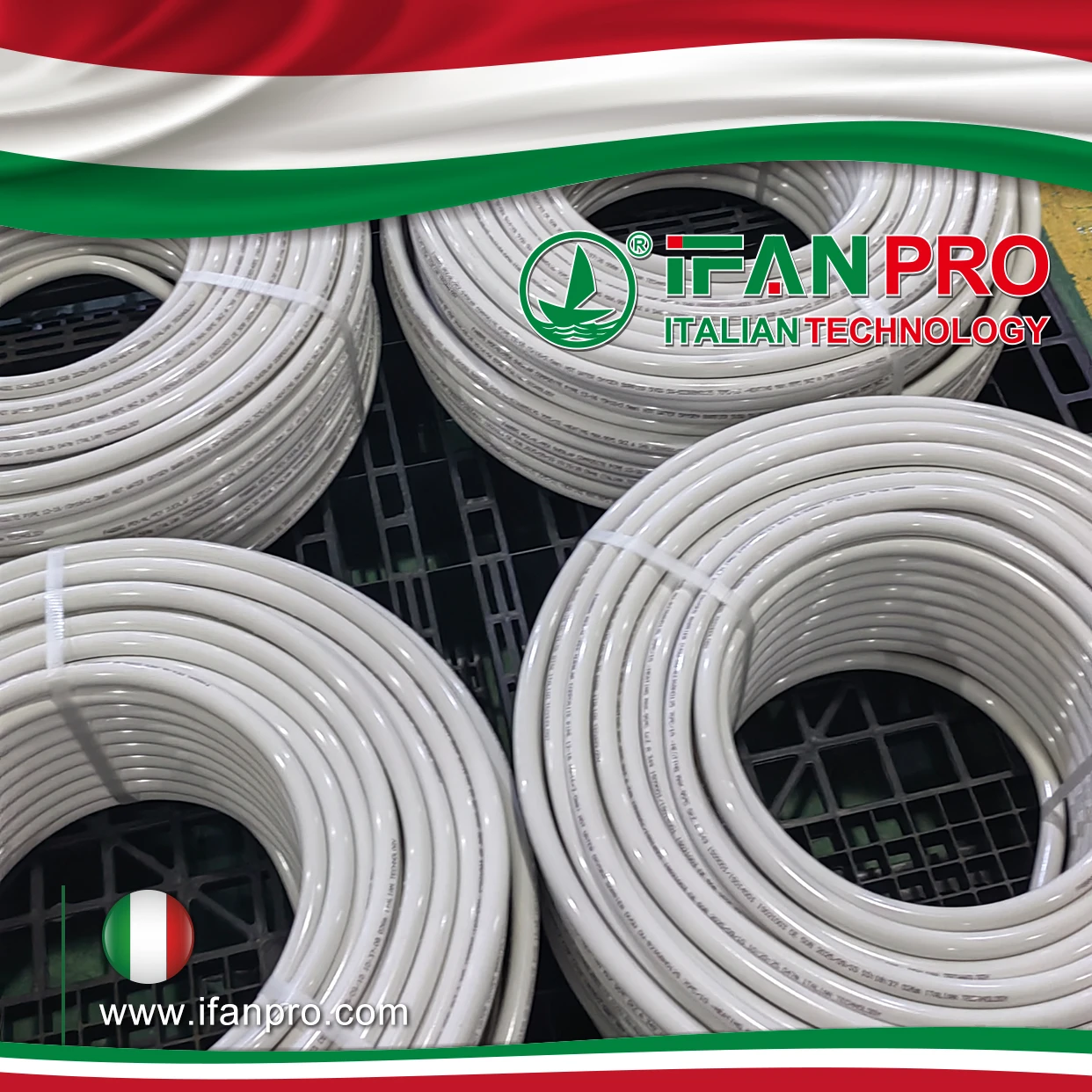
The Certifications That Prove It
A potable claim is only as good as the mark behind it. In North America, the anchor is NSF/ANSI 61, which evaluates health effects, meaning what can migrate from the pipe into the water. It sits alongside NSF/ANSI 372, the lead-content standard that requires a weighted average of no more than 0.25% lead in wetted surfaces. Buyers frequently treat these as interchangeable; they are not. A pipe can carry 61 and still need 372 documentation for a market that enforces lead-free rules, so verify both when your destination requires them. You can read the background on the standard body at the NSF International reference page.
The rigor here is real. For potable PEX, NSF conducts at least three unannounced audits of each production facility per year to confirm the formulation and process have not drifted from what was certified. That surveillance is exactly why a legitimate certificate is tied to a specific series and plant, not to a brand name in general. Cross that against the UK and Australia and the picture shifts again, which is where the table below earns its place.
| Certification | Primary Market | What It Typically Proves |
|---|---|---|
| NSF/ANSI 61 | USA / Canada | Health effects; contaminants leaching into potable water stay within limits |
| NSF/ANSI 372 | USA / Canada | Lead-free compliance; ≤0.25% weighted-average lead in wetted surfaces |
| WRAS / Regulation 4 | United Kingdom | Compliance with UK Water Fittings Regulations; product fit for potable contact |
| WaterMark | Australia | Mandatory certification for plumbing products used in Australian systems |
| EN / hygiene approvals | EU (varies by state) | Conformity to European product standards plus national potable-hygiene schemes |
Read that table as a map, not a rulebook. Which mark is required depends on the destination market and often on your role: a wholesaler restocking shelves may face different documentation demands than a contractor supplying a public-works project. The UK reference point is the Water Regulations Advisory Scheme, and the underlying US health basis traces back to the EPA drinking water regulations. Confirm the exact requirement with the local authority or certification body, because a mark that satisfies one inspector may not satisfy another across a border.
Chemical Leaching, Taste, and the Research Debate
New PEX can impart a faint plastic taste when a system is first commissioned. This is initial off-gassing from residual manufacturing compounds, and it typically fades with flushing over a period of days to a few weeks as the surface stabilizes. The practical fix is unglamorous: run the lines, let them clear, and taste again. Most installer complaints resolve at this stage without any change to the pipe itself.
The research is where buyers get nervous, and fairly so. Several university and independent studies have detected trace organic compounds migrating from various PEX products, with some flagging dozens of distinct substances across a range of brands. Read closely, those studies generally report concentrations below the regulatory limits that certification schemes enforce, and they typically show migration declining sharply after the flushing period. Where they raise a real flag is variability: cheaper, under-stabilized pipe tends to leach more and taste stronger than well-formulated pipe. That is an argument for specifying certified material, not for avoiding PEX.
The practical rule: buy PEX with a documented low-migration compound, flush the system properly, and in heavily chlorinated markets specify chlorine-resistant PEX-b. Chlorine and UV exposure can degrade an under-stabilized pipe over time, so the stabilizer package matters as much as the base resin. The certified-and-flushed pipe is the consensus safe choice; the bargain regrind coil is the one that generates the taste complaint and the early failure.
Chlorine resistance is a genuine engineering variable, not marketing. In water treated aggressively with chlorine or chloramine, an oxidant slowly attacks polyethylene from the inside. A pipe formulated and certified for chlorine resistance holds up; a thin, poorly stabilized one can craze and fail years early. If your market runs hot, chlorinated water, that specification line is worth insisting on. It also interacts with how you connect systems, which we cover in our notes on joining pipes of different materials.
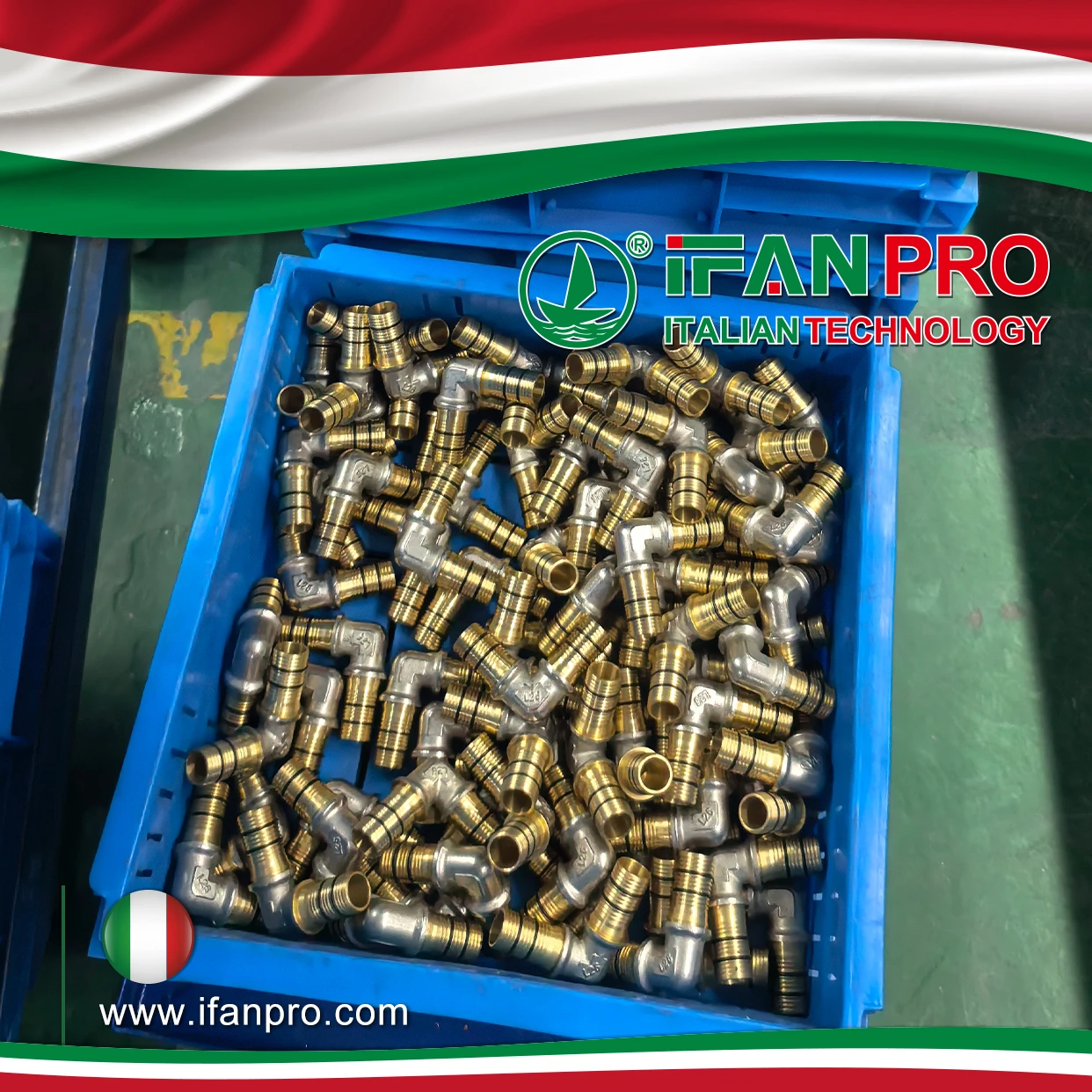
The Real Import Risk Is the Paperwork, Not the Pipe
The warning worth giving every new buyer is simple: the pipe rarely fails inspection, the certificate does. A container arrives, the inspector asks for the potable certification, and the document is genuine but does not line up with the goods. It names a different product series. It covers 16 to 25 mm when the shipment is 32 mm. Or it expired three months ago and nobody re-issued it. In each case the pipe may be entirely safe, yet the shipment stalls, and demurrage starts ticking at the port.
The failure mode that actually endangers water quality is different and quieter: recycled resin. Regrind or mixed-batch material can be cross-linked into something that passes a quick look and then leaches more, tastes worse, or degrades early under chlorine. A supplier who cannot show a virgin-resin declaration and a documented stabilizer package is asking you to trust the coil on faith. That is where the health question and the paperwork question converge.
Protect yourself with a simple discipline: match the certificate scope, product series, and issue date to the exact SKUs on your packing list before the goods leave the factory. Cross-check the size range, the certifying body, and the expiry against your destination’s requirement. If any of those three do not reconcile, resolve it in writing pre-shipment, not at the port. The European manufacturing thinking behind consistent, certifiable PEX is worth understanding too, and we cover it in our piece on Italian technology shaping PEX plumbing fittings. Even so, confirm the current documentation rules with the local authority or certification body, since scope and validity expectations shift by market.
What We Check Before PEX Ships
At IFANPRO we treat the certificate as part of the product, not an afterthought. Before a PEX order ships, we match the certification scope to the specific SKU on your order, so the series name, the size range, and the standard on the document all correspond to what is physically in the box. That single step removes the most common port rejection described above, and it is the check buyers most often assume happens automatically but should still verify.
We build potable PEX from virgin resin with a documented stabilizer package, not from regrind, because the stabilizer is what protects long-term chlorine and UV resistance. Each batch carries its own cross-linking degree and pressure-test certificates, so a claim about performance is backed by a record tied to that production run. When a buyer needs a particular mark for a particular destination, we align the scope, whether that is WRAS, an NSF/IAPMO listing, or WaterMark, to the market and the SKU rather than handing over a generic sheet.
- Certification-scope-to-SKU match: series, size range, and standard reconciled with the packing list.
- Virgin resin with a documented stabilizer package, with a declaration you can show your inspector.
- Batch-level cross-linking degree and pressure-test certificates tied to the production run.
- Destination-matched marks so the document satisfies the authority that will actually check it.
None of this replaces your own due diligence. It gives you the paper trail to pass inspection cleanly and, more importantly, the confidence that the pipe behind the paper is the certified formulation, not a look-alike. As always, confirm your market’s current requirements with the local authority or certification body before finalizing an order.
Conclusion
Certified PEX is safe for drinking water, and the material clears every serious health question when it carries the right mark and is flushed on commissioning. The variable that actually decides whether your container clears customs is documentation: a certificate whose scope, series, and date match the SKUs you bought. Get that alignment right and the pipe rarely gives you trouble.
Your next step is simple. Before you place an order, tell your supplier exactly which market and which authority the pipe must satisfy, and ask them to match the certificate to your SKU and destination in writing. If you want a partner who does that as standard, we are ready to help you verify the certificate, not just the pipe.
Frequently Asked Questions
Is PEX safe for drinking water, or does it leach chemicals?
Potable-certified PEX is approved for drinking water in most markets and is BPA-free. Studies have detected trace compounds, but they typically report levels below regulatory limits, and migration usually drops sharply after the system is flushed. Confirm current requirements with the local authority or certification body.
Which certification do I need for potable PEX?
It depends on the destination market and your role. North America typically expects NSF/ANSI 61 and 372, the UK typically expects WRAS or Regulation 4 compliance, and Australia typically expects WaterMark. Verify the exact mark with the local authority before ordering.
Why does new PEX give the water a plastic taste?
A faint taste comes from initial off-gassing of residual manufacturing compounds. It typically clears with flushing over days to a few weeks. A persistent strong taste more often signals under-stabilized or recycled pipe rather than a problem with certified PEX in general.
Does chlorinated water damage PEX?
Chlorine and UV can degrade an under-stabilized pipe over time. In heavily chlorinated markets, specifying chlorine-resistant PEX-b with a documented stabilizer package typically gives longer service life than a thin, poorly formulated coil.
Why do certified PEX shipments still get rejected at customs?
Usually the paperwork, not the pipe. A genuine certificate may name a different series, cover a size range you did not buy, or have expired. Match the certificate scope, series, and date to your packing-list SKUs before shipment to avoid this.





 English
  Français
  Русский
  Español
Recent Comments