
The debate over pex a vs pex b vs pex c confuses more importers than almost any other spec in the plumbing aisle, and the confusion costs money. The three letters do not rank pipe from best to worst. They name three different ways the same base material gets cross-linked, and each method lands in a different market with different fittings, different price points, and different customer expectations. Buy the wrong one for your region and you end up with pallets your installers won’t touch.
A wholesaler sourcing a container of PEX faces a real fear: stocking a grade that gets rejected as inferior on arrival. That fear is valid for the wrong SKU and misplaced for the right one. This article breaks down what each method actually does to the pipe, names a winner per performance dimension, and tells you which grade to stock for your market. For the wider system context, see our complete guide to PEX pipe, then use this page to lock in the manufacturing method that fits your buyers.
Key Takeaways
- The letter is a cross-linking method, not a quality grade. All three must pass ASTM F876 to be sold as PEX.
- PEX-a cross-links around 70%+ and is the most flexible; PEX-b and PEX-c typically reach 65–70%.
- PEX-a costs roughly 15–25% more than PEX-b and needs a pricier cold-expansion tool.
- PEX-b wins on chlorine resistance (ASTM F2023) and dominates North American residential runs.
- PEX-c is the budget irradiation method, fine for radiant heat, least common for potable.
- All three grades share ASTM F876 dimensions, so you can join different grades with crimp or clamp fittings.
- PEX-a’s higher elongation gives it the best freeze and burst tolerance of the three.
What PEX-a, PEX-b, and PEX-c Actually Mean
The a, b, and c refer to the manufacturing method used to cross-link the polyethylene, not to a tiered ranking. Cross-linking is the chemical bonding that turns ordinary HDPE into a heat-resistant, pressure-rated pipe that won’t melt at hot-water temperatures. All three methods produce pipe that must pass ASTM F876, the dimensional and performance standard that governs PEX tubing sold for plumbing. A pipe stamped PEX-c is not a knockoff of PEX-a. It is a different route to the same finish line.
The degree of cross-linking is where the grades separate. PEX-a typically reaches a cross-link density around 70% or higher, while PEX-b and PEX-c usually land in the 65–70% band. Those percentages are floors, not marketing numbers: ASTM F876 sets minimum cross-linking thresholds that a compliant pipe has to hit, verified by solvent-extraction testing. Three named methods do the work.
- Peroxide (Engel) method — cross-linking happens in the melt, before the pipe cools. This is PEX-a.
- Silane (moisture-cure) method — cross-linking finishes after extrusion, triggered by heat and moisture. This is PEX-b.
- Electron-beam (irradiation) method — cross-linking is induced by radiation after the pipe is formed, with no chemical catalyst. This is PEX-c.
A buyer who treats the letter as a grade will overpay for PEX-a on a job that only needs PEX-b, or reject PEX-b on a spec that never called for cold-expansion fittings. The method should follow the application, not the alphabet.
PEX-a: The Engel (Peroxide) Method
PEX-a cross-links the polyethylene while it is still molten, using peroxide inside the Engel process. Bonding the chains before the material solidifies produces the highest and most uniform cross-link density of the three methods, and that uniformity is what buyers are paying the premium for. The pipe comes out the most flexible PEX on the market, with the tightest bend radius before kinking.
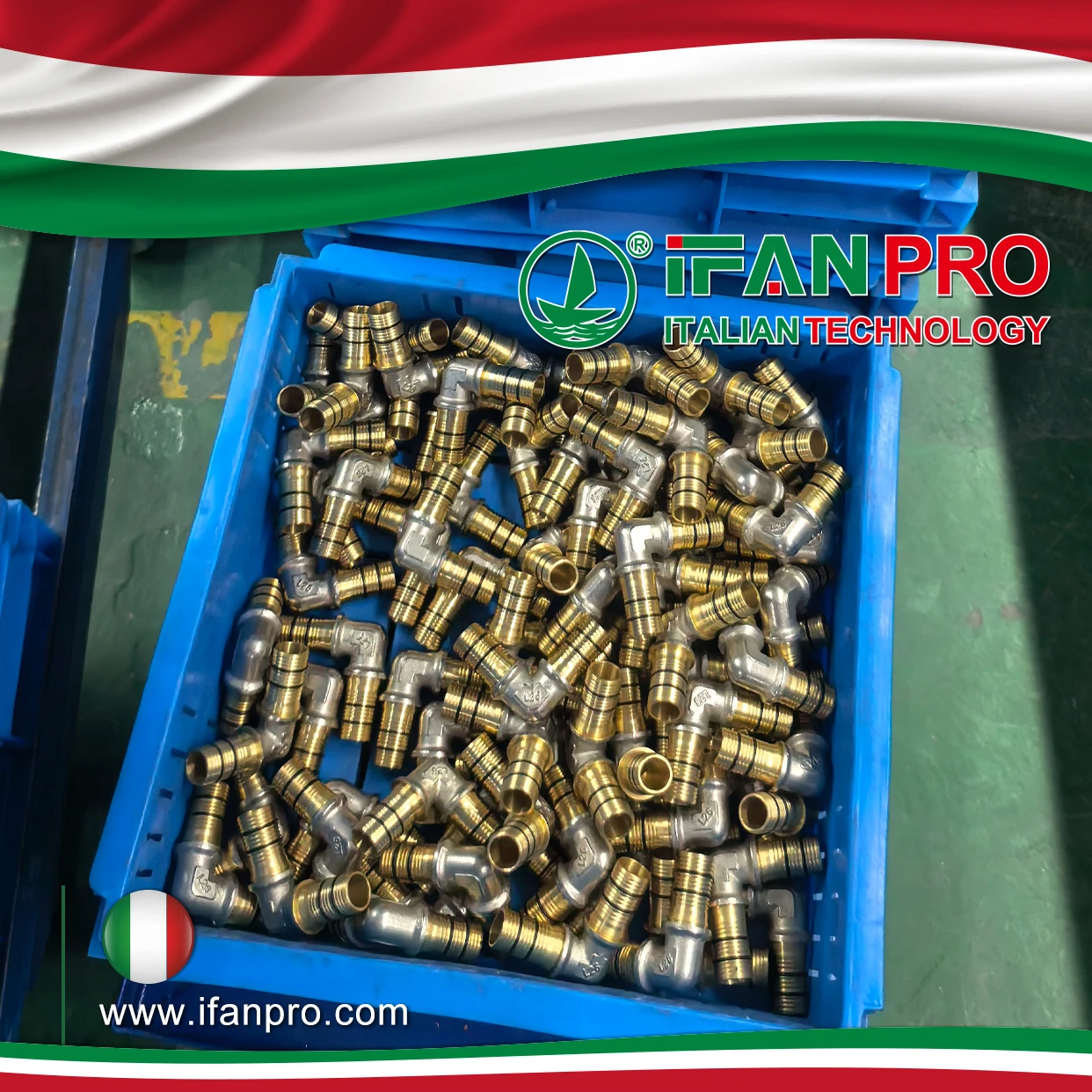
Thermal memory is the standout trait. Kink a PEX-a line during a rough-in and you can heat it with a hot-air gun until it returns to its original round shape, no cut-and-splice required. That single feature saves fittings and labor on tight retrofits. PEX-a also pairs with cold-expansion fittings under ASTM F1960: the pipe is expanded, the fitting inserted, and the pipe shrinks back around it for a full-bore connection that doesn’t choke flow the way an insert fitting can.
The trade-off is cost. PEX-a typically runs 15–25% more per foot than PEX-b, and the cold-expansion tool is a bigger capital outlay than a simple crimp tool. For a distributor selling to high-end residential or cold-climate installers, that premium is an easy sell. For a price-driven tract-housing market, it can price you out.
PEX-b: The Silane (Moisture-Cure) Method
PEX-b cross-links after extrusion. The pipe is formed first, then cured in a warm, humid environment where a silane catalyst drives the bonding to completion. The result is a stiffer pipe than PEX-a, with more coil memory, meaning it wants to spring back toward the shape of its coil. Installers manage that with straighteners, and in exchange they get the cheapest of the three methods.
Chlorine resistance is where PEX-b takes the crown. The silane method produces the strongest resistance to chlorine and oxidative degradation, measured under ASTM F876 and the F2023 chlorine-cycle test. On chlorinated or chloraminated municipal supplies run hot, that resistance translates directly into service life. It is the reason PEX-b dominates North American residential plumbing, where crimp-ring and clamp fittings are the installer default.
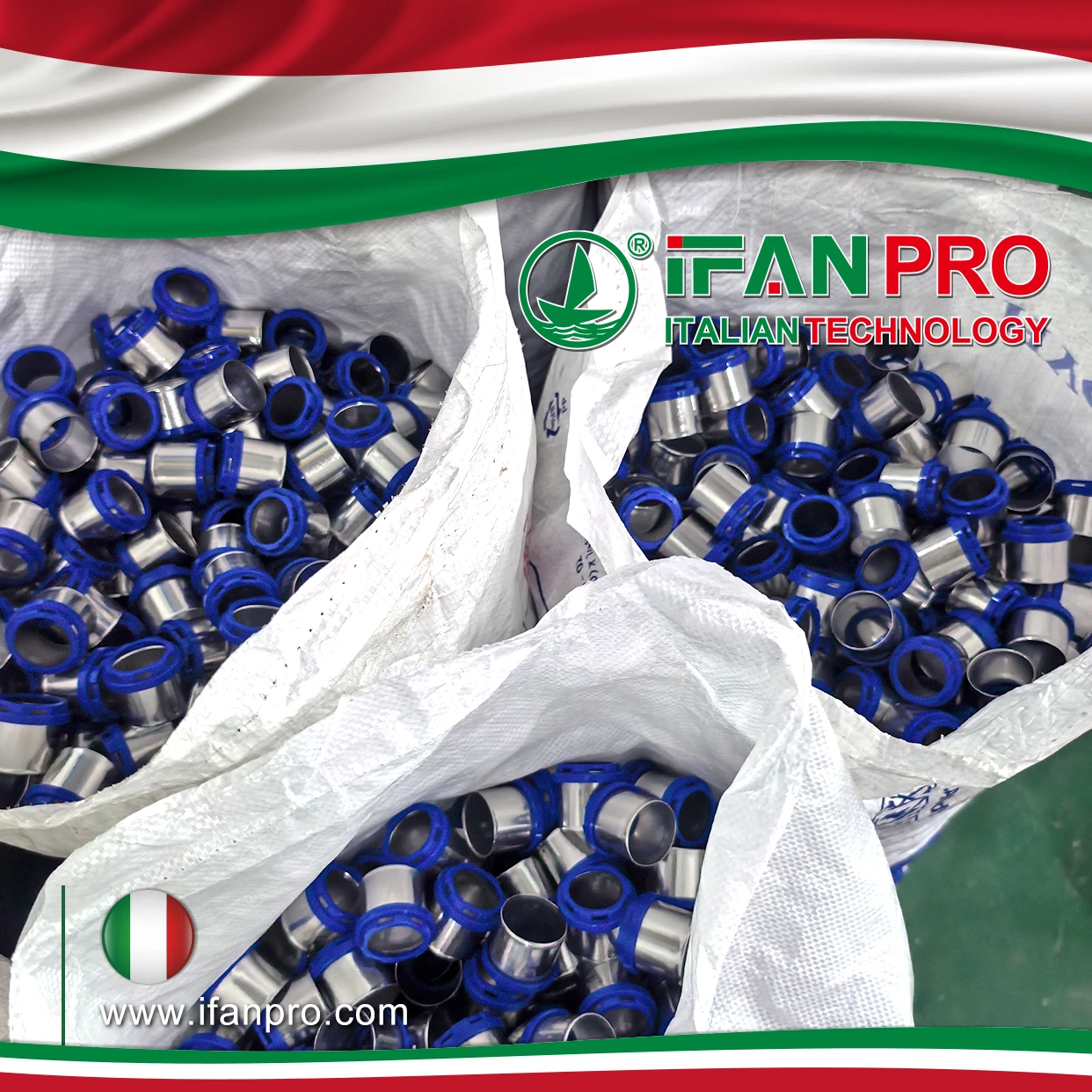
For a wholesaler serving contractors on chlorinated water systems, PEX-b is the safe, high-volume stock item. It connects with inexpensive crimp or clamp tools most crews already own, and it carries the certification scopes those inspectors expect. Confirm current requirements with the local authority or certification body, since potable approvals vary by market and by the importer’s role in the supply chain.
PEX-c: The Irradiation (Cold) Method
PEX-c cross-links through electron-beam irradiation applied after the pipe is extruded and cooled, with no chemical catalyst in the mix. That clean, catalyst-free chemistry is the method’s genuine appeal. The weakness is control: the beam has to penetrate the full wall thickness evenly, and cross-linking can come out uneven from the inner to the outer surface, especially on thicker walls.
Uneven cross-linking makes PEX-c the most kink-prone of the three. A tight bend that PEX-a would shrug off, and that PEX-b would resist, can crimp permanently in PEX-c. That behavior rules it out of demanding potable retrofits but leaves it perfectly capable elsewhere. For radiant floor heating loops laid in a slab, where the pipe is supported along its length and never sharply bent, PEX-c performs and undercuts the others on price.
PEX-c is the least common grade for potable water lines. A wholesaler should treat it as a heating-market product, not a general-purpose potable stock item. Selling it as equivalent to PEX-a on a plumbing spec is the fastest way to earn the “inferior grade” reputation the fear at the top of this page is about. Position it honestly and it holds its niche.
Head-to-Head: Flexibility, Chlorine, Fittings, and Cost
The table below lines up the four dimensions that decide a purchase. Read it as a starting point, then weigh each row against your own market. The pex a vs pex b question usually comes down to flexibility versus price, while PEX-c enters only where heating dominates.
| Property | PEX-a | PEX-b | PEX-c |
|---|---|---|---|
| Flexibility | Highest, tightest bend | Stiffer, coil memory | Moderate, kink-prone |
| Chlorine resistance | Good | Strongest (F2023) | Good |
| Kink repair | Yes, hot-air memory | No, must cut out | No, must cut out |
| Fittings | Cold-expansion F1960 | Crimp / clamp | Crimp / clamp |
| Relative cost | +15–25% highest | Lowest | Low |
Flexibility goes to PEX-a without argument. Its in-melt cross-linking gives the tightest bend radius and the thermal memory to undo a kink on site, which is worth real money on retrofit labor. Chlorine resistance goes to PEX-b, the deciding factor on hot chlorinated municipal water. Fittings split the field: PEX-a’s cold-expansion connection is full-bore but needs the pricier tool, while PEX-b and PEX-c ride on the cheap, ubiquitous crimp and clamp systems. Cost is a clean win for PEX-b and PEX-c. For a deeper look at how fitting design changes long-term reliability, compare IFANPRO 121UC versus standard PEX fittings.
Can You Mix PEX Grades, Brands, and Fittings?
Because all three grades are built to the same ASTM F876 dimensions, PEX-a, PEX-b, and PEX-c are cross-compatible as tubing. A half-inch PEX-a line and a half-inch PEX-b line share the same outside diameter, so you can join different grades in one system with the same fitting. That matters on a jobsite where a crew runs out of one coil and finishes with another grade on hand.
Fittings are where the compatibility rules tighten. Crimp and clamp fittings work across all three grades and across most brands, which is why they dominate high-volume residential work. Cold-expansion fittings under ASTM F1960 are the exception: they rely on the pipe expanding and shrinking back, so they need PEX-a’s flexibility and thermal memory. You cannot reliably run an expansion fitting on stiff PEX-b or PEX-c.
The insider warning: it is the fitting system, not the pipe brand, that locks a jobsite in. Crews standardize on one crimp or expansion tool, and that tool decides what they can install for years.
Mixing brands is generally fine for crimp and clamp connections, since the ring and pipe follow the same dimensional standard. Expansion fittings are safer kept same-brand, because the expander tool, the ring, and the fitting are engineered together and manufacturers usually list their systems for use as a matched set. Confirm the manufacturer’s listing and any local approval before you mix systems on a certified potable job, and check current requirements with the certification body when the stakes are high.
Burst Pressure and Freeze Performance
PEX earns its reputation in cold climates because it stretches. When water freezes and expands inside a line, PEX can balloon around the forming ice instead of splitting the way copper or rigid PVC does. PEX-a stretches the furthest. Its higher elongation and uniform cross-linking give it the best burst and freeze tolerance of the three grades, which is a real selling point for northern and mountain markets.
| Grade | Burst / freeze tolerance | Note |
|---|---|---|
| PEX-a | Best, highest elongation | Expands most before failure |
| PEX-b | Good, more likely to split | Stiffer wall, less give |
| PEX-c | Good, most freeze-prone | Uneven cross-link raises risk |
No PEX is truly freeze-proof, and that is the part installers forget. A hard, sustained freeze can split even PEX-a, and PEX-b and PEX-c reach that point sooner. The first failure is usually not the pipe at all: the rigid metal insert fitting can’t expand with the ice, so it cracks before the tubing does. Design against freezing with insulation and drainage rather than trusting the material alone, and set that expectation with your buyers so a burst fitting doesn’t come back as a product complaint.
Which PEX Grade Should a Wholesaler Stock?
Stock decisions should follow the dominant application in your territory, not the grade with the best datasheet. A distributor moving 40-foot containers can’t afford to guess. Three market patterns cover most buyers, and each points cleanly to a method.
- Chlorinated or chloraminated municipal water, high volume, price-sensitive: stock PEX-b for its F2023 chlorine resistance and cheap crimp tooling.
- Cold climates, tight retrofits, installers who value field kink-repair: stock PEX-a for flexibility and thermal memory.
- Radiant floor heating loops in slab: any grade works, and PEX-c can win the job on price.
| Grade | Best for | Not ideal for |
|---|---|---|
| PEX-a | Cold-climate retrofits, tight bends | Price-driven tract housing |
| PEX-b | Chlorinated potable, high volume | Very tight bend radius work |
| PEX-c | Radiant heating loops in slab | General potable, sharp bends |
Many distributors carry PEX-b as the core line and add PEX-a as a premium tier for the installers who ask for it by name. Approvals and acceptable methods differ by market, so confirm current requirements with the local authority or certification body for each SKU you list.
Why Heating Loops Often Call for PEX-AL-PEX
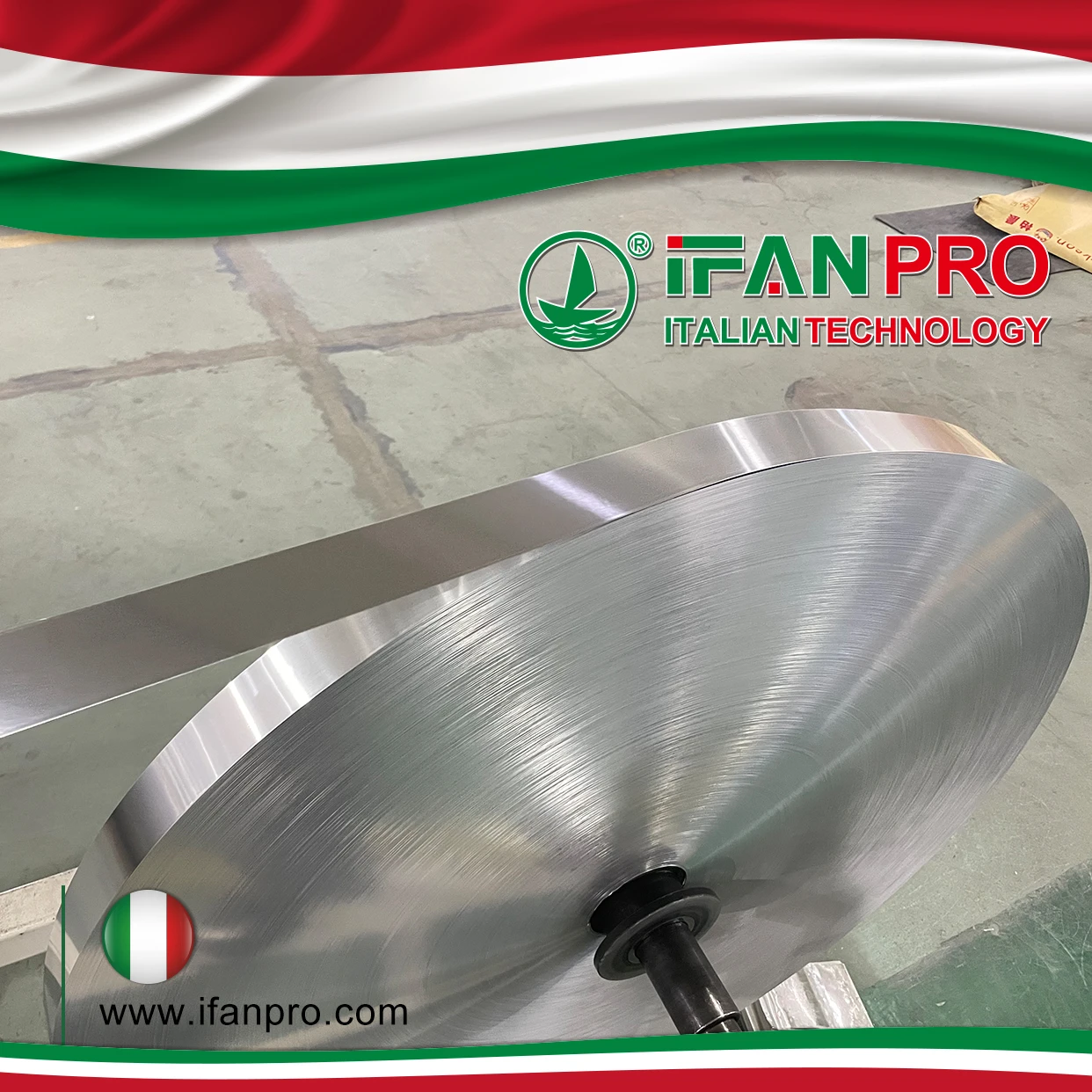
For closed-loop heating, a composite pipe often beats all three single-layer grades. PEX-AL-PEX bonds a layer of aluminum between two layers of PEX, and that aluminum core does two jobs single-layer PEX can’t. It acts as a built-in oxygen barrier, keeping air out of the loop so boiler components and pumps don’t corrode from the inside. It also holds a bend, so the pipe stays where you route it instead of springing back like PEX-b coil memory. If your buyers run radiant or hydronic systems, PEX-AL-PEX is usually the stronger stock item, and you can read how to permanently solve leaks in PEX-AL-PEX connections before you finalize the range.
What We Check Before PEX Ships
We treat cross-linking as a number to verify, not a claim to print. Every production batch is sampled and tested for cross-link percentage by solvent extraction, then checked against the ASTM F876 minimum for the method, so a PEX-a batch is held to its higher threshold and a PEX-b batch to its own. A batch that drifts below spec does not ship.

Cross-link testing is one gate of several in our documented process.
- Temperature-rated hydrostatic pressure testing that stresses the pipe at its rated service temperature, not just at room temperature.
- Wall-thickness caliper and ovality checks on every production run to confirm the pipe holds its dimensional tolerance.
- Certification-scope matching so the WRAS, NSF/IAPMO or CE mark on the SKU is valid for the exact market it ships to.
- Virgin resin with a documented stabilizer package, never regrind, so oxidative and chlorine resistance stay predictable batch to batch.
That last point is the quiet difference between a pipe that passes and a pipe that lasts. Regrind saves a supplier money and costs the importer a rejection years later. Our approach borrows from the same precision philosophy behind how Italian technology is shaping PEX plumbing fittings, applied to the pipe itself. Certification scopes and potable approvals shift by region, so confirm current requirements with the certification body for your destination market. The Plastics Pipe Institute and the reference material on cross-linked polyethylene are useful background when you brief your own technical buyers.
Conclusion
The letter marks the cross-linking method, not the quality: PEX-a wins flexibility, freeze tolerance and field repair, PEX-b wins chlorine resistance and price, and PEX-c holds a heating-market niche. Match the grade to your dominant application and the “inferior grade” fear disappears. All three, sourced right, pass ASTM F876.
If you’re weighing a container order, decide your market first, then ask your supplier for the batch cross-linking data and certification scope that back it. Reach out and we’ll match the exact PEX grade and certificates your buyers expect.
Frequently Asked Questions
Is PEX-a better than PEX-b?
PEX-a is more flexible and repairable by hot-air memory, but PEX-b resists chlorine better and costs less. Neither is universally better; PEX-a suits tight retrofits, PEX-b suits chlorinated potable water at volume.
Does PEX-c mean lower quality?
No. PEX-c is a cold irradiation method, not a quality tier, and it must pass ASTM F876. It is more kink-prone and least common for potable water, but well suited to radiant heating loops.
Can you mix PEX-a, PEX-b, and PEX-c in one system?
Yes, as tubing. All three share ASTM F876 dimensions, so crimp and clamp fittings join them across grades and brands. Cold-expansion fittings are the exception; they need PEX-a’s flexibility.
Which PEX grade handles chlorinated water best?
PEX-b typically offers the strongest chlorine and oxidative resistance, tested under the ASTM F2023 chlorine cycle. Confirm the specific certification scope with the local authority for your market before you commit to a container order.
Which PEX grade resists freezing best?
PEX-a tolerates freezing best thanks to its higher elongation, expanding furthest before bursting. No PEX is freeze-proof, and the rigid metal insert fitting is usually the first part to fail in a hard freeze.









 English
  Français
  Русский
  Español
Recent Comments