
I once watched a maintenance team spend three hours cutting out a frozen valve. That painful memory reminds me why smart fitting choices matter for everyday repairs.
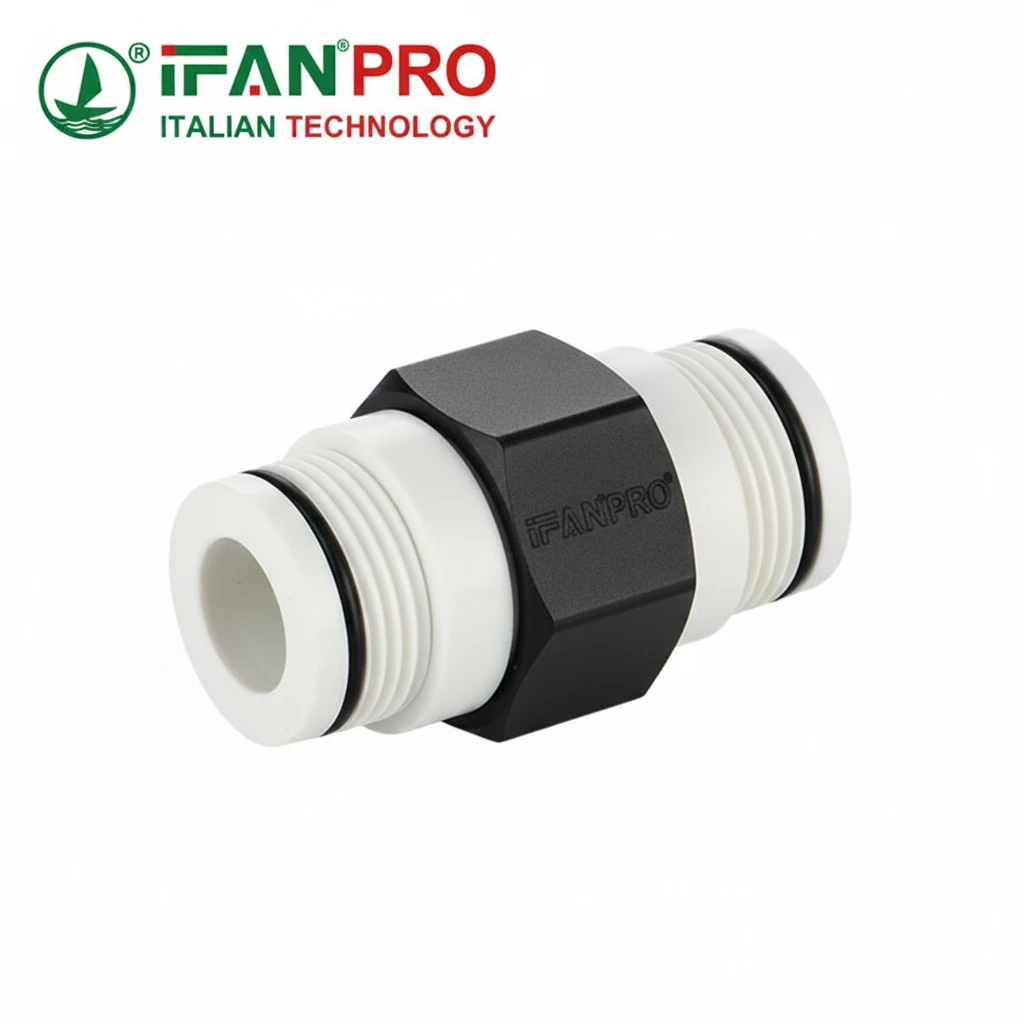
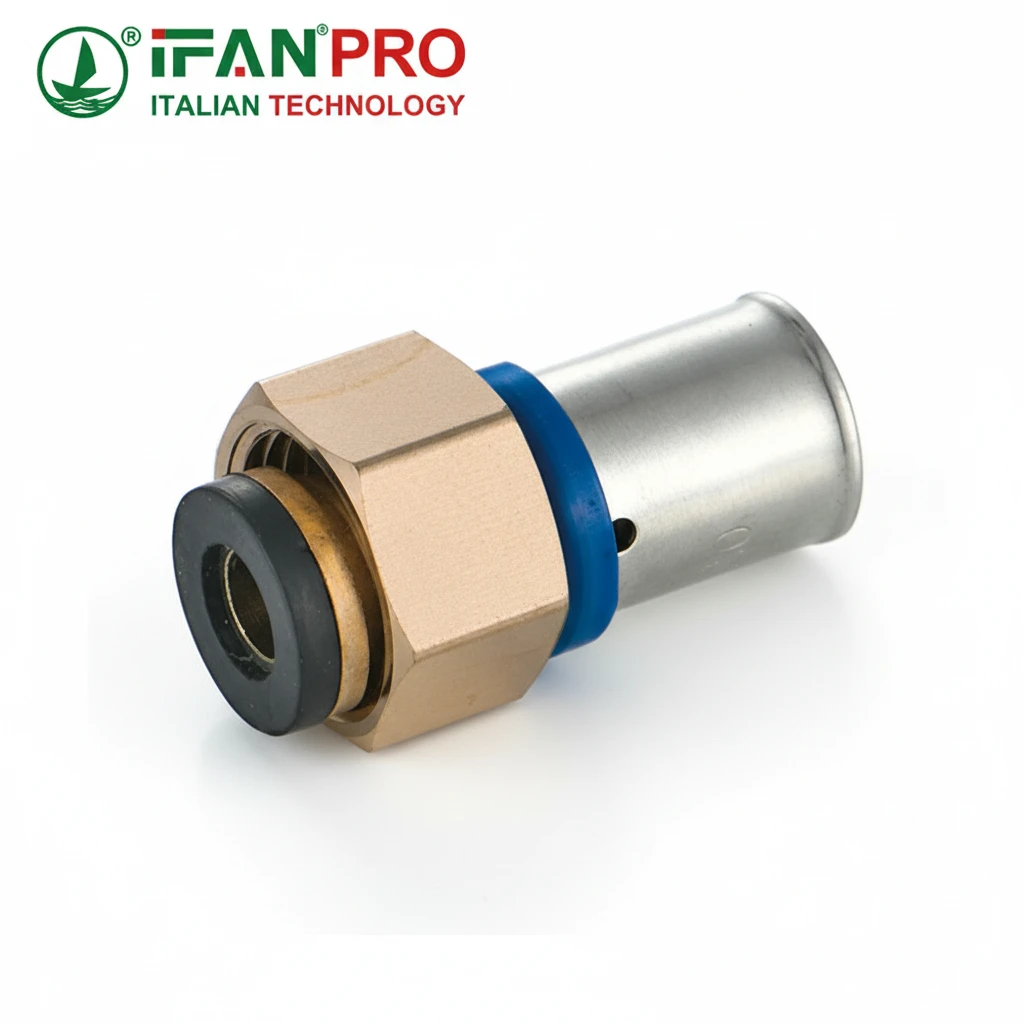
The 121UC PEX Union is the best choice for easy plumbing maintenance because its unique design allows for tool-free disassembly and reassembly. This means you can quickly disconnect pipes, replace valves, or service components without cutting pipes or using special tools. For facility managers and plumbers, this translates to faster repairs, lower labor costs, and less system downtime.
Let’s explore exactly how this fitting simplifies maintenance and why it outperforms traditional options.
The Advantage of Tool-Free Disassembly
Nothing frustrates a plumber more than wrestling with frozen threaded connections. I’ve been there too many times.
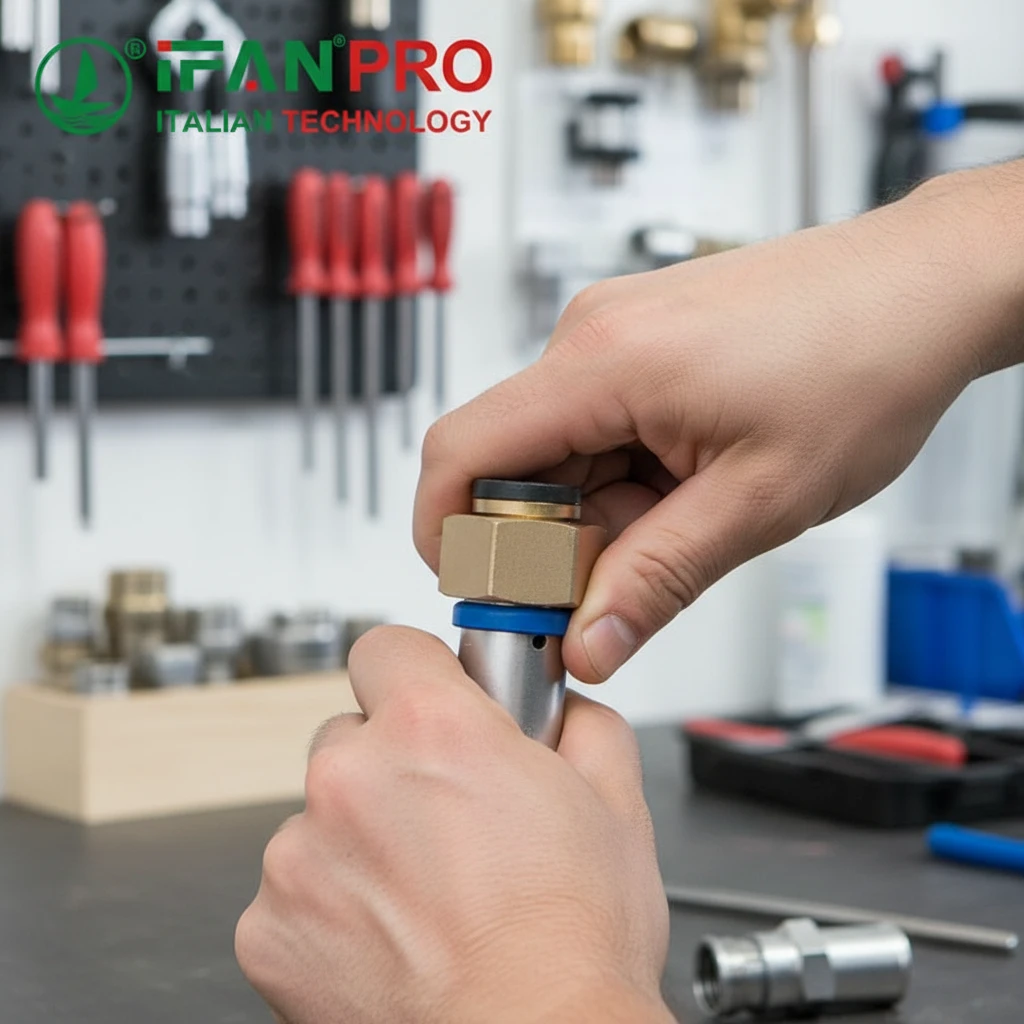
Tool-free disassembly means you can separate the union by hand in seconds. The 121UC uses a threaded nut with an ergonomic grip design that requires no wrenches or pipe wrenches to operate. This allows immediate access to the system for inspection, cleaning, or component replacement without damaging pipes or fittings.
How Traditional Fittings Create Maintenance Headaches
Let’s look at what plumbers deal with every day when they face old-school connections.
Threaded Metal Unions: These require two large wrenches to separate. After years of service, threads often rust or seize together. Applying force can twist pipes or damage nearby joints. Sometimes, you have to cut the whole assembly out.
Soldered Copper Connections: These are permanent. To replace a valve, you must cut the pipe, unsweat the old fitting, clean everything, and solder a new one. This takes time and introduces fire risk.
Glued PVC Joints: Also permanent. You cut, you glue, you wait for cure time. No quick fixes here.
The 121UC Difference
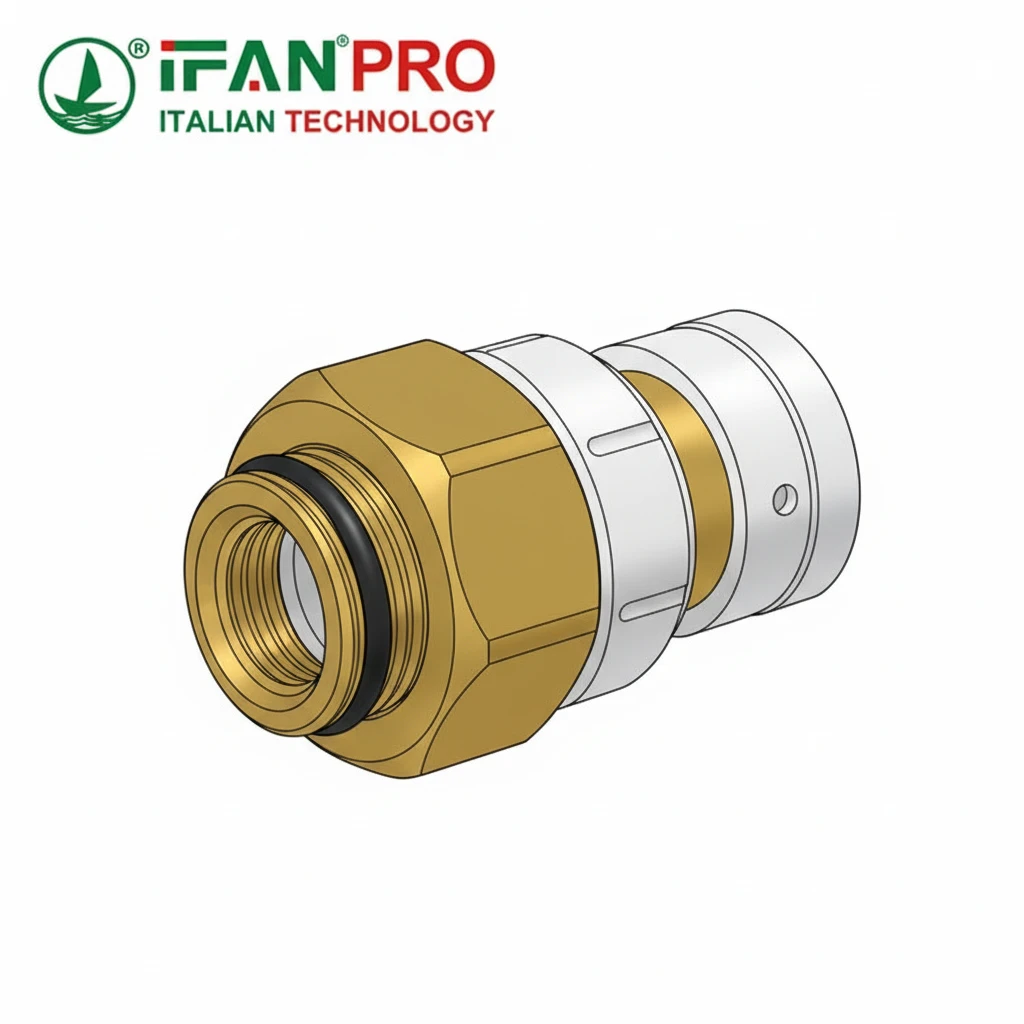
The 121UC PEX Union changes all of this. Here’s how its design works:
1. The Union Nut: This large, knurled nut fits comfortably in your hand. You simply twist it counterclockwise to separate the union. No tools needed, ever.
2. The O-Ring Seal: Inside the union, a high-quality EPDM O-ring creates the watertight seal. When you tighten the nut by hand, it compresses the O-ring evenly. This design means the seal doesn’t depend on extreme torque, just proper compression.
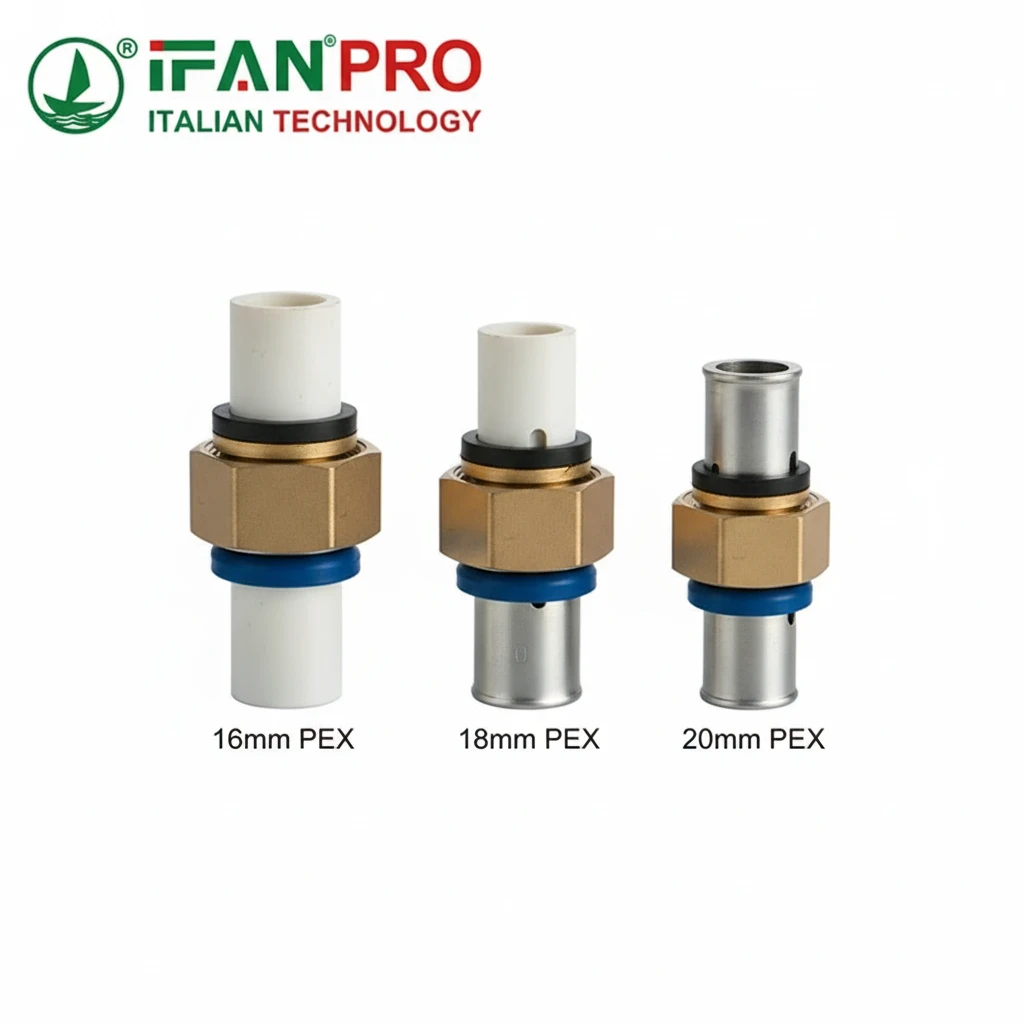
3. The PEX Connections: The 121UC connects to PEX pipes using standard crimp or clamp rings. These connections are permanent and reliable. The union itself becomes the service point.
The table below compares maintenance time for different fitting types:
| Fitting Type | Disassembly Time | Tools Required | Risk of Pipe Damage |
|---|---|---|---|
| 121UC PEX Union | 10-20 seconds | None (hand only) | None |
| Threaded Metal Union | 5-10 minutes | Two wrenches | High (twisting, seized threads) |
| Soldered Copper | 20-30 minutes | Torch, cutter, solder | Moderate (heat damage risk) |
| Glued PVC | 15-25 minutes | Saw, primer, glue | Low (but permanent) |
For maintenance teams working in tight spaces or after hours, saving even a few minutes per connection adds up fast.
How Union Fittings Simplify Valve Replacement
Valves fail. It’s a fact of plumbing life. When they do, you want the replacement process to be quick and painless.
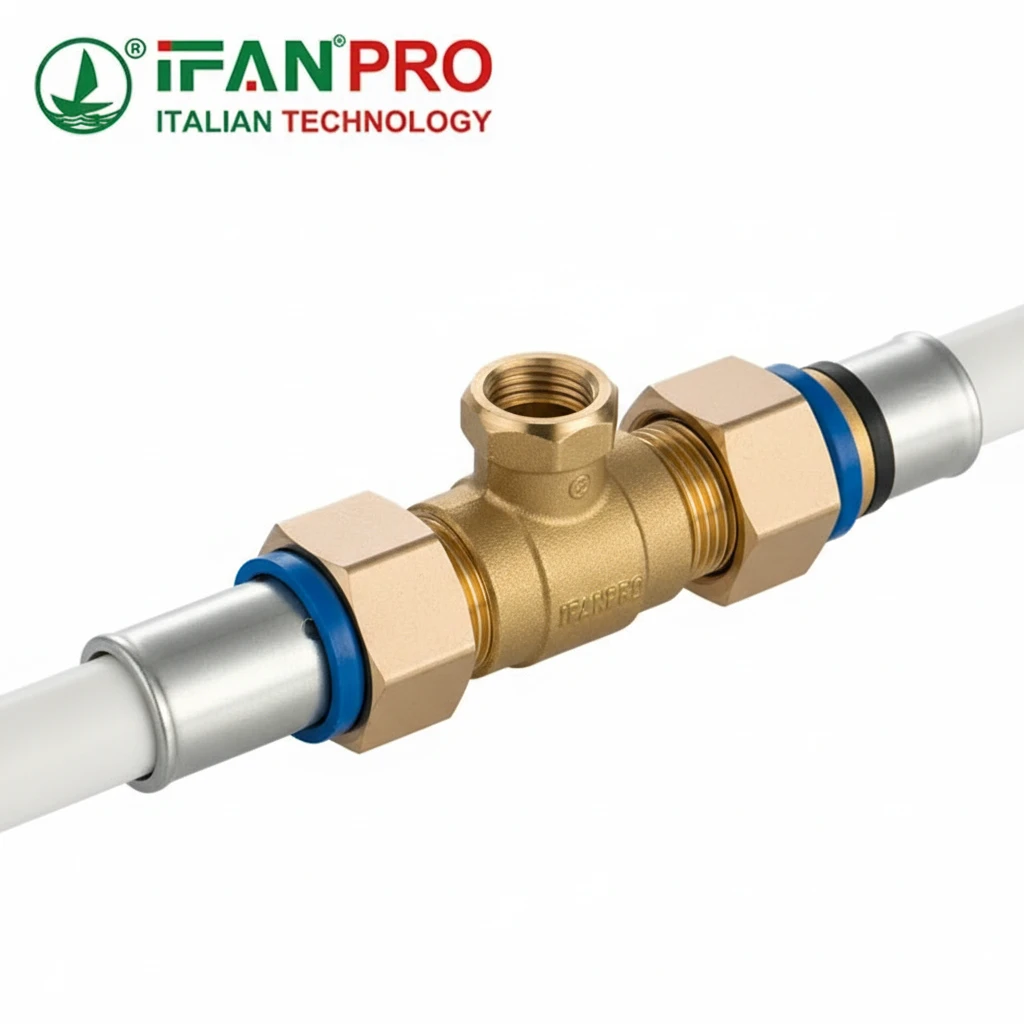
Union fittings simplify valve replacement by creating a removable connection point on both sides of the valve. With a 121UC union on the inlet and outlet, you can unscrew both unions by hand, lift out the old valve, drop in the new one, and retighten the unions. The entire process takes minutes instead of hours and requires no pipe modification.
The Traditional Valve Replacement Nightmare
Picture this scenario: A ball valve in a commercial building’s mechanical room starts leaking at the stem. The pipe on both sides is PEX or copper, connected directly to the valve with crimp rings or solder.
Here’s what happens next:
Step 1: Shut off the main water supply and drain the system.
Step 2: Cut the pipe on one side of the valve.
Step 3: Cut the pipe on the other side.
Step 4: Remove the old valve and the short pipe sections.
Step 5: Measure and cut new pipe sections.
Step 6: Install new crimp rings or prepare for soldering.
Step 7: Connect everything and hope the measurements were perfect.
Step 8: Pressure test the system.
This process easily takes 2-3 hours for a single valve. If the pipe is in a tight location, add more time.
The 121UC Solution
Now imagine the same valve installed with 121UC unions on both ends.
Step 1: Shut off the water and drain the line.
Step 2: Unscrew both union nuts by hand (30 seconds total).
Step 3: Lift out the old valve with its short PEX stubs attached.
Step 4: Insert the new valve assembly with its PEX stubs.
Step 5: Hand-tighten both union nuts.
Step 6: Turn the water back on and check for leaks.
Total time: 10-15 minutes. No cutting. No measuring. No special tools. No frustration.
Where This Matters Most
This speed advantage becomes critical in specific situations:
| Application | Why Union Valves Matter |
|---|---|
| Commercial Kitchens | Downtime stops food service. Quick repairs keep business running. |
| Apartment Buildings | Tenants need water restored fast. Long repairs create complaints. |
| Hospitals | Some water outages affect patient care. Speed is essential. |
| Manufacturing Plants | Production stops when water systems fail. Every minute costs money. |
In these environments, the 121UC isn’t just convenient; it’s essential.
Saving Time and Money on Commercial HVAC Repairs
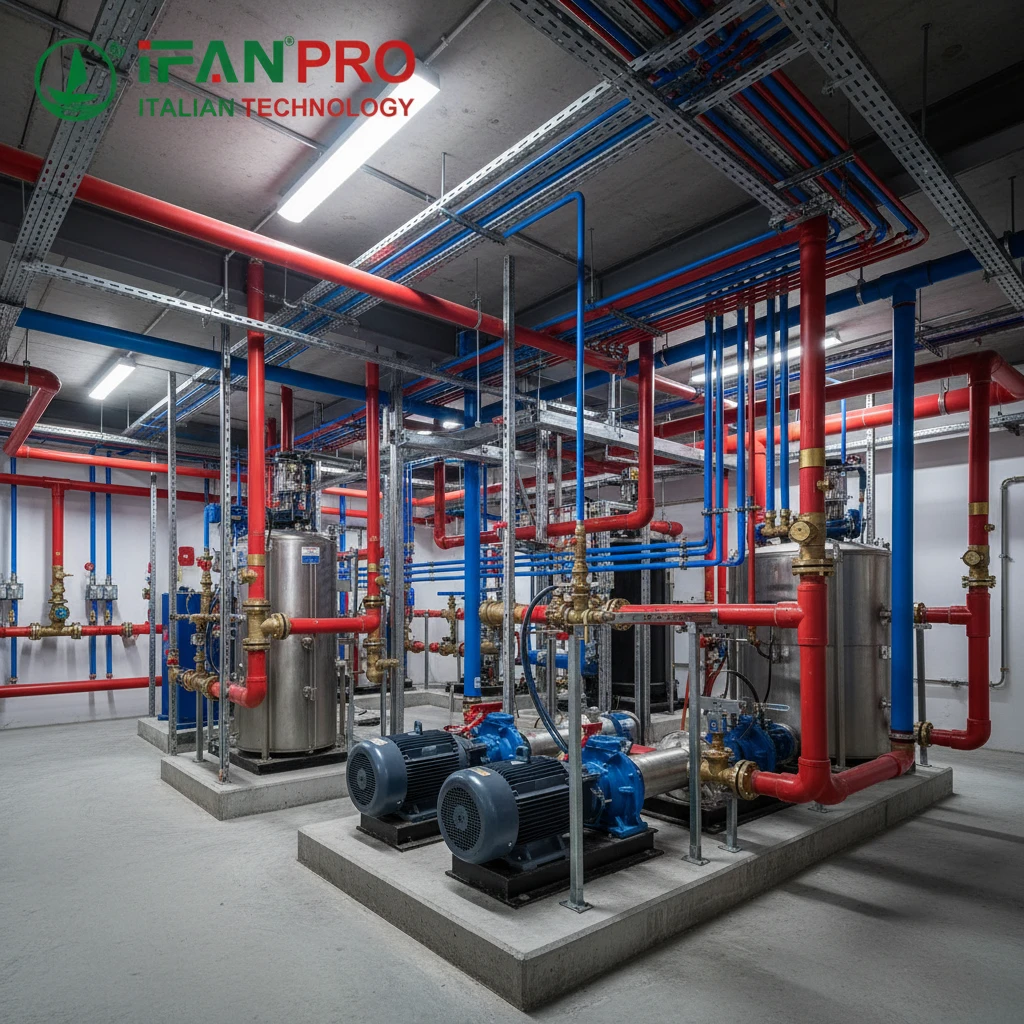
Commercial HVAC systems contain hundreds of valves, pumps, and components. Each one will need service eventually.
Using 121UC unions throughout commercial HVAC systems saves significant time and money by reducing repair labor by up to 80%. Maintenance staff can service pumps, replace valves, or repair coils without draining entire systems or cutting pipes. For large facilities with limited maintenance budgets, this translates to real bottom-line savings.
The Cost of Traditional HVAC Maintenance
Let’s run some numbers on a typical commercial building with 50 isolation valves.
Scenario A: Traditional Connections (Crimped or Soldered)
- A valve fails and needs replacement.
- Labor: 2 plumbers × 3 hours = 6 labor hours
- Hourly rate: $75/hour
- Labor cost: $450
- System downtime: 4 hours (affecting building comfort)
- Total cost per repair: $450 + potential comfort complaints
Scenario B: 121UC Union Connections
- Same valve failure.
- Labor: 1 plumber × 30 minutes = 0.5 labor hours
- Hourly rate: $75/hour
- Labor cost: $37.50
- System downtime: 45 minutes (minimal disruption)
- Total cost per repair: $37.50
The table below shows the annual savings potential:
| Number of Repairs Per Year | Traditional Cost | 121UC Cost | Annual Savings |
|---|---|---|---|
| 5 repairs | $2,250 | $187.50 | $2,062.50 |
| 10 repairs | $4,500 | $375 | $4,125 |
| 20 repairs | $9,000 | $750 | $8,250 |
For a large facility, these savings easily cover the small additional cost of installing unions initially.
Additional Hidden Savings
Beyond direct labor, the 121UC provides other financial benefits:
1. Reduced Water Waste: When you don’t have to drain entire systems for single repairs, you save thousands of gallons of water over time.
2. Fewer Callbacks: Hand-tightened unions are less likely to be over-torqued and damaged during installation. This means fewer leaks and warranty claims.
3. Extended Equipment Life: Quick access encourages regular maintenance. When checking a pump takes 30 seconds instead of 2 hours, staff actually does it. Regular maintenance extends equipment life significantly.
4. Flexible System Modifications: Need to add a branch line or relocate equipment? Unscrew the unions, make your changes, and reconnect. No pipe cutting or system redesign required.
Long-Term Durability for Hassle-Free Maintenance
Easy maintenance means nothing if the fitting fails after a few years. Durability must match convenience.
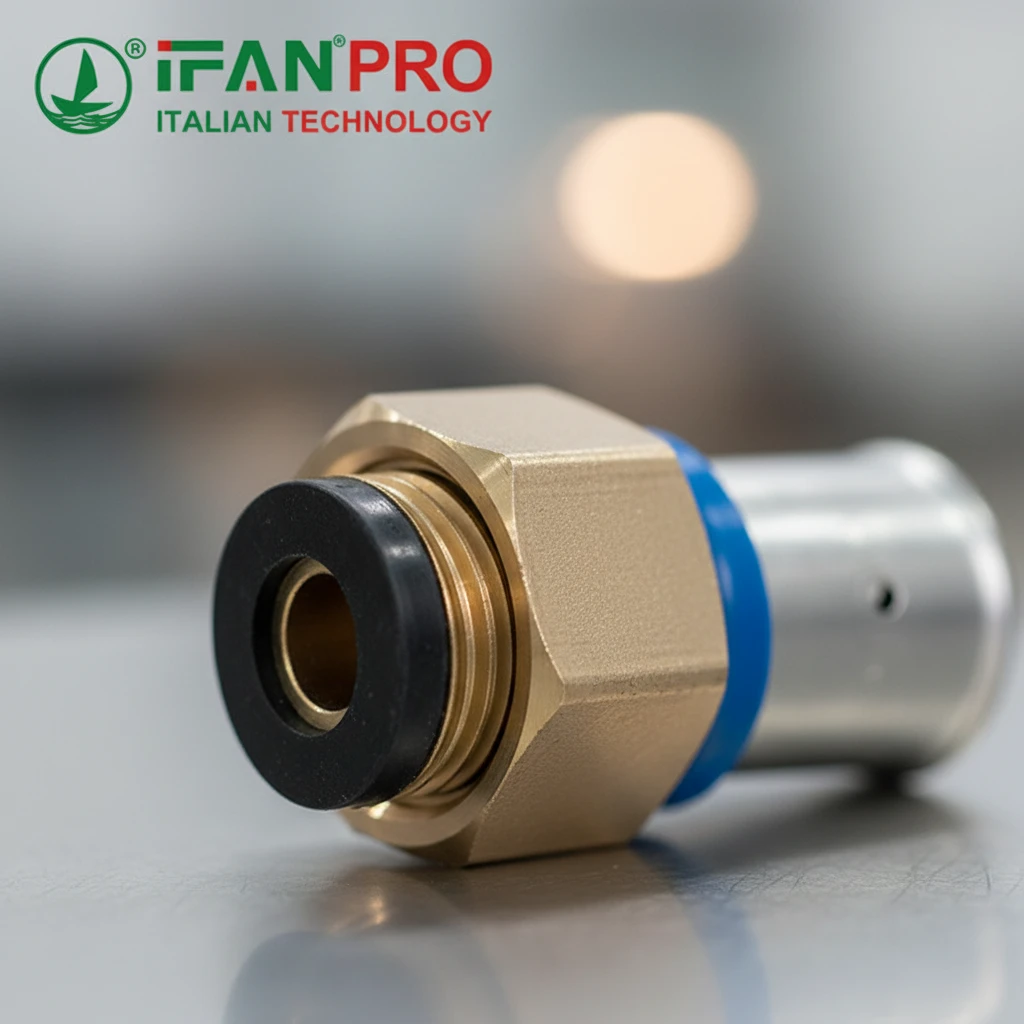
The 121UC PEX Union delivers long-term durability through high-quality materials and precision engineering. The body is made from corrosion-resistant PEX and reinforced polymers. The EPDM O-ring maintains its elasticity for decades. The union nut threads are designed to withstand repeated disassembly without wearing out. This combination ensures the fitting performs reliably for the life of the building.
Material Quality Matters
Not all plastic fittings are created equal. The 121UC uses specific materials chosen for longevity.
Body Material: The main body consists of high-density PEX material with excellent resistance to chlorine, scale, and temperature extremes. It won’t corrode like metal fittings or become brittle like some plastics.
O-Ring Material: The sealing element uses virgin EPDM rubber. EPDM resists:
- Hot water up to 200°F
- Common water treatment chemicals
- Ozone and UV exposure
- Compression set (permanent deformation)
Thread Design: The union nut features acme-style threads. These coarse threads provide:
- Faster engagement when reassembling
- Resistance to cross-threading
- Ability to withstand repeated cycles without wear
Testing and Standards
The 121UC meets or exceeds all relevant industry standards:
| Standard | Requirement | 121UC Compliance |
|---|---|---|
| NSF/ANSI 61 | Drinking water safety | Yes |
| NSF/ANSI 14 | Plastic piping system components | Yes |
| ASTM F877 | PEX tubing systems | Yes |
| Pressure Rating | 100 PSI at 180°F | Yes |
These certifications mean the fitting has undergone rigorous testing for material safety, pressure capability, and long-term performance.
Real-World Performance Factors
Several factors affect long-term durability in actual installations:
Thermal Cycling: Systems expand and contract with temperature changes. The 121UC’s design accommodates this movement without stressing the seal.
Pressure Fluctuations: Water hammer and pressure spikes can stress fittings. The union’s robust construction handles these without failure.
Chemical Exposure: Many water systems contain chlorine or other treatment chemicals. The materials in the 121UC resist chemical degradation.
Mechanical Stress: Pipes can shift slightly over time due to building settlement or vibration. The union’s flexibility accommodates minor movement without leaking.
The table below compares expected service life:
| Component | Expected Life with 121UC | Expected Life with Alternatives |
|---|---|---|
| Valve Assembly | 15-20 years (easy replacement) | 15-20 years (hard to replace) |
| Union Connection | 50+ years | 20-30 years (metal unions corrode) |
| O-Ring Seal | 25-30 years | N/A (gaskets in metal unions dry out) |
| Overall System | 50+ years with maintenance | 30-40 years with difficulty |
Conclusion
The 121UC PEX Union combines tool-free convenience with long-term durability for unmatched maintenance ease. For your next project, choose IFAN’s 121UC PEX Union and save time and money on every future repair.








 English
  Français
  Русский
  Español
Recent Comments