
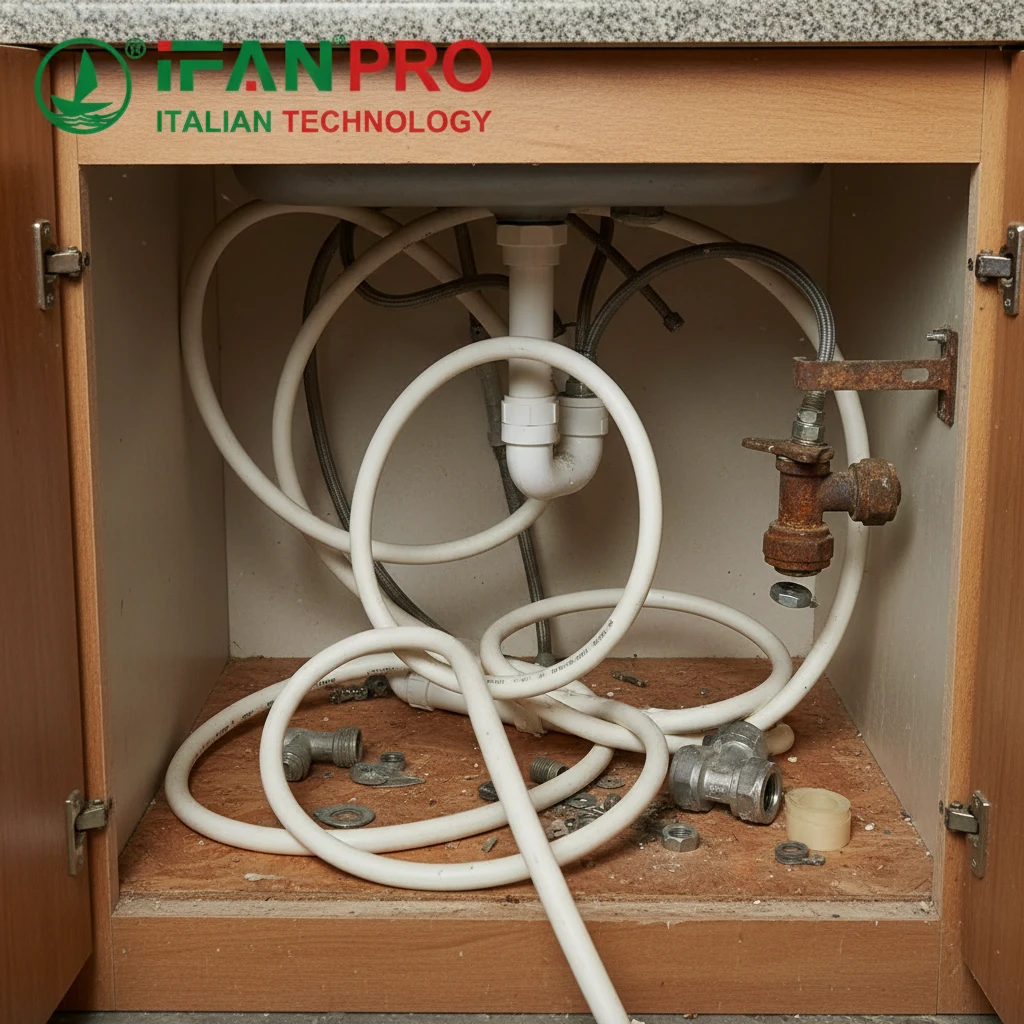
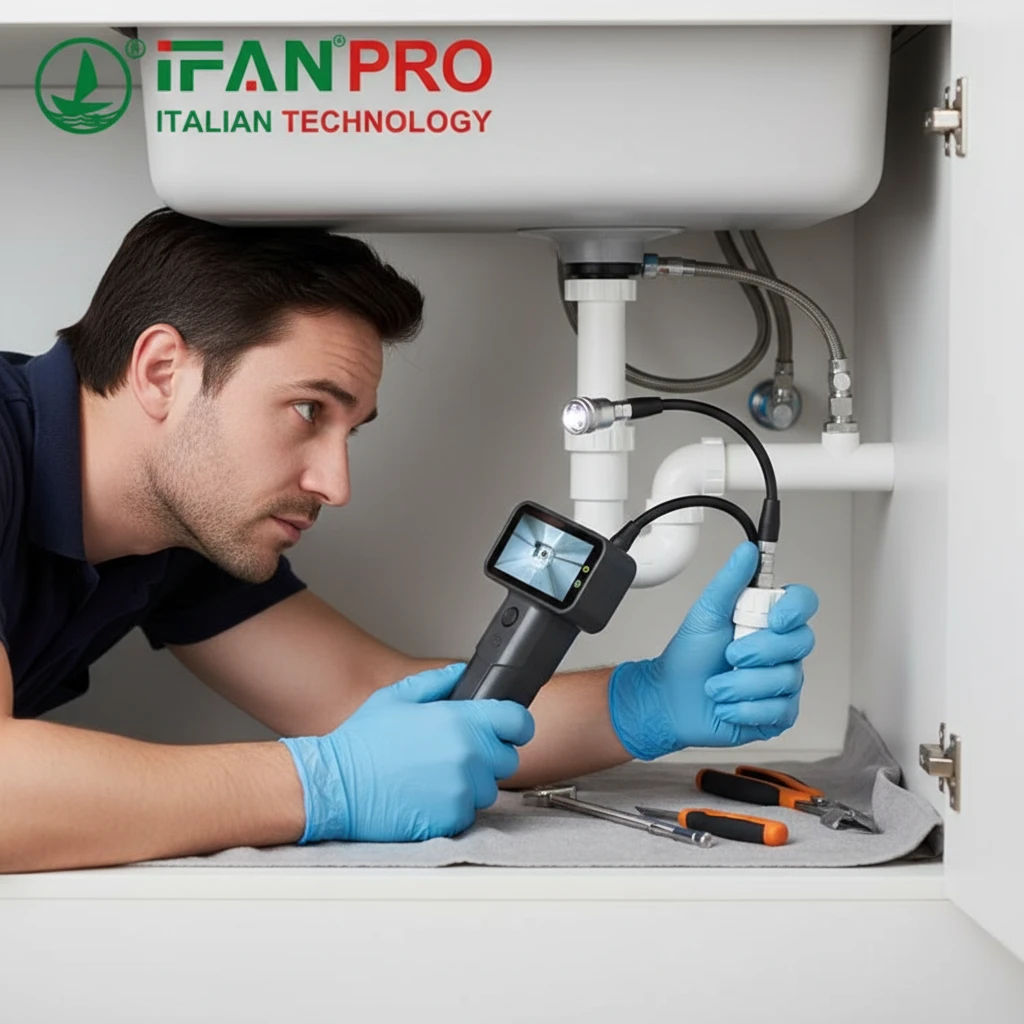
I’ve watched plumbers struggle with a tangle of pipes and brackets inside a vanity. This messy scene shows exactly why the seated elbow is a smarter choice.
You should choose a seated elbow with female threads for PEX-to-fixture connections because it combines a sturdy mounting bracket and a water outlet into one solid part. This design creates a neat, professional, and space-saving link directly to your shower valve or faucet, making installation faster and more reliable than using separate pieces.
Let’s look at how this single fitting solves several common installation problems.
How Does the Integrated Seat Eliminate the Need for a Separate Mounting Bracket?
In traditional installs, a separate bracket often wobbles or moves. This creates alignment headaches before you even start connecting water lines.
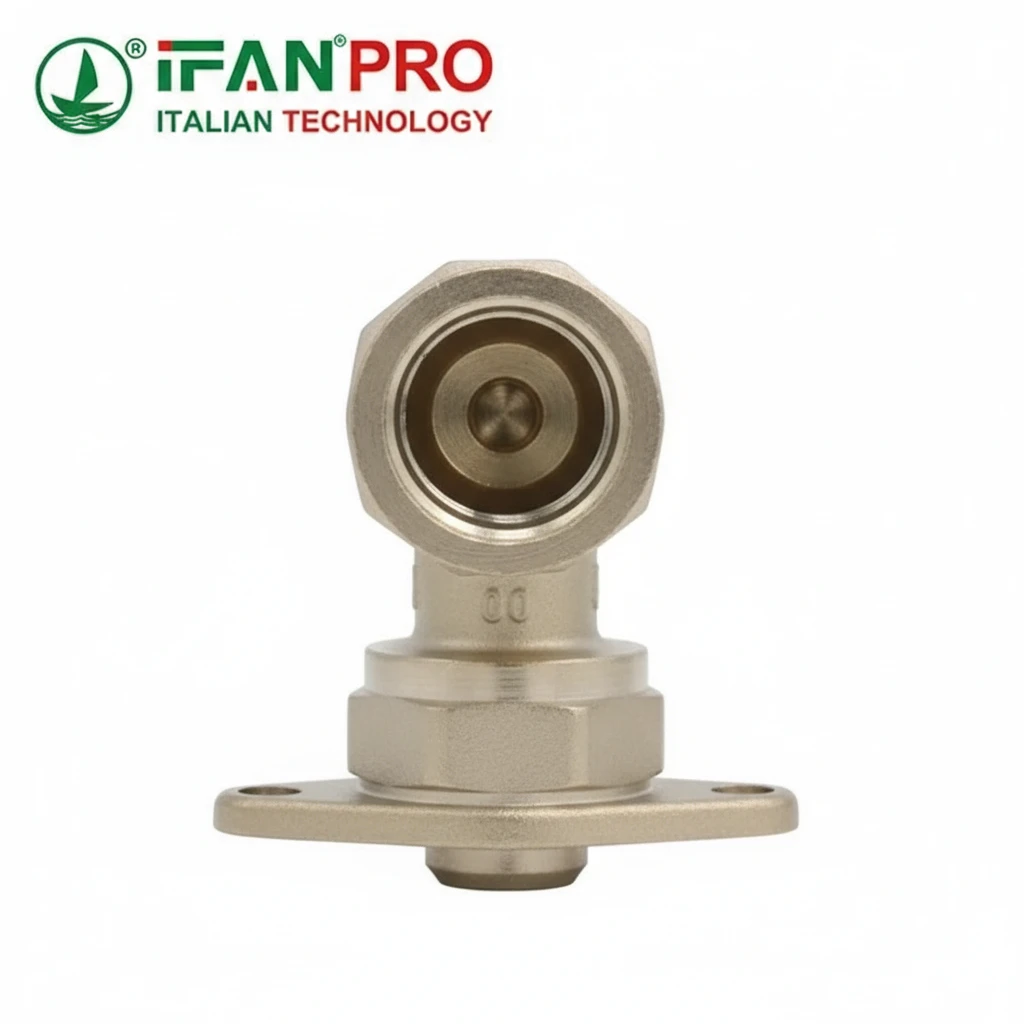
The integrated seat eliminates a separate bracket because the elbow itself has a flat, fixed flange with pre-drilled screw holes. You simply screw this flange directly onto the wooden stud or backing panel. This creates an immovable anchor point for the PEX pipe and provides the stable threading platform for the fixture directly above it.
Solving the Problem of Movement
A standard elbow just turns the pipe. It does not secure anything. So, installers must add a mounting bracket to hold the pipe in place and another adapter to connect to the fixture. These multiple pieces can shift independently. This movement can strain connections and make it hard to align the fixture screws perfectly.
The seated elbow fixes this by being its own bracket. The wide, flat seat is part of the fitting’s body. When you secure it to the stud with screws, the entire assembly—the water channel and the threaded outlet—becomes rock solid. There is no independent movement. This stability is crucial for a clean finish, as your shower handle or faucet mounts directly to this same secure point.
A Step-by-Step Advantage
Consider the process:
- Old Method: 1) Mount a bracket. 2) Clip or strap a standard elbow into the bracket. 3) Add a separate threaded adapter to the elbow. 4) Try to keep all three pieces aligned.
- New Method with Seated Elbow: 1) Screw the seated elbow’s flange to the stud. Done. The water outlet and mounting point are now one fixed unit.
This integration removes variables and potential failure points. It ensures the fixture will mount flush and straight every time because the supporting structure is unified and rigid from the start.
Why Does Direct Threading to Fixtures Provide a More Rigid and Neat Connection?
A wobbly faucet or loose shower handle looks unprofessional and can leak. The connection’s rigidity is key to preventing this.
Direct threading provides a more rigid and neat connection because it creates a short, direct mechanical link between the water supply and the fixture. This reduces the number of joints and eliminates flexible segments that can sag or vibrate, resulting in a cleaner look behind the wall and a sturdier feel for the end-user.
Reducing Points of Failure
Every connection in a plumbing system is a potential leak point. Traditional methods often require a short nipple (a small pipe) to bridge the gap between an elbow and the fixture. This adds two more threaded joints. These joints can work loose over time from water pressure or vibration.
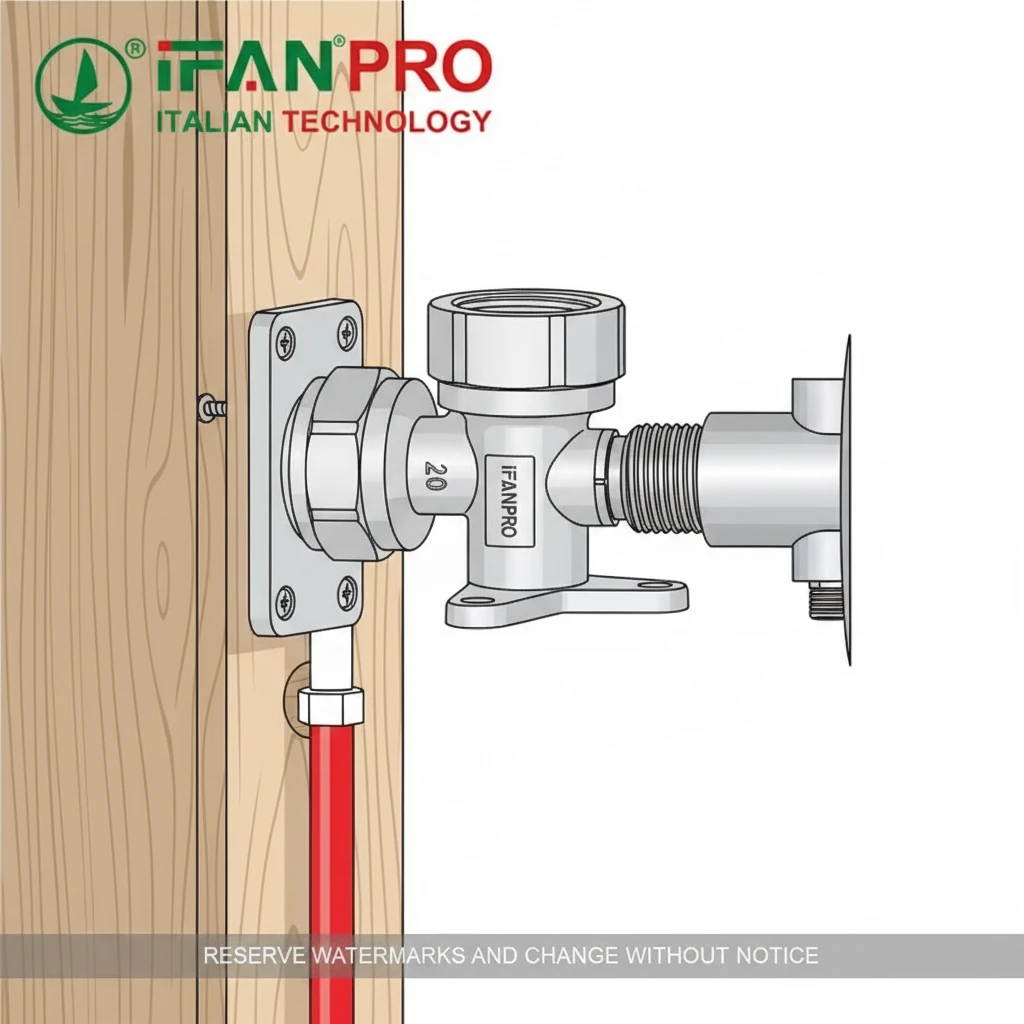
With a seated elbow, the female threads are cast directly onto the fitting’s outlet. The male threads of the shower valve or faucet tailpiece screw straight into it. This is a one-step connection. It is simpler and has far fewer places where water can escape if something loosens.
Achieving Professional Aesthetics
Neatness matters for both function and pride in workmanship. A direct thread connection is inherently cleaner. Without extra adapters and nipples, the plumbing behind the wall looks organized and intentional. This makes future servicing or inspection much easier. For the homeowner, the benefit is a fixture that feels solid and secure when used, with no flex or give that suggests a weak installation.
Comparison of Connection Methods
| Connection Method | Number of Parts | Rigidity | Potential for Leaks | Visual Cleanliness |
|---|---|---|---|---|
| Seated Elbow (Direct Thread) | 1 (The elbow itself) | Very High | Low (One joint) | Excellent |
| Elbow + Separate Bracket + Nipple | 3+ | Medium | Higher (Multiple joints) | Cluttered |
As the table shows, simplicity directly improves reliability and appearance. The direct-thread method is the most straightforward path from pipe to fixture.
How Does This Design Save Space Inside Walls or Vanity Cabinets?
Cabinets and wall cavities are getting smaller, but plumbing needs remain the same. Efficient use of space is no longer a luxury; it’s a requirement.
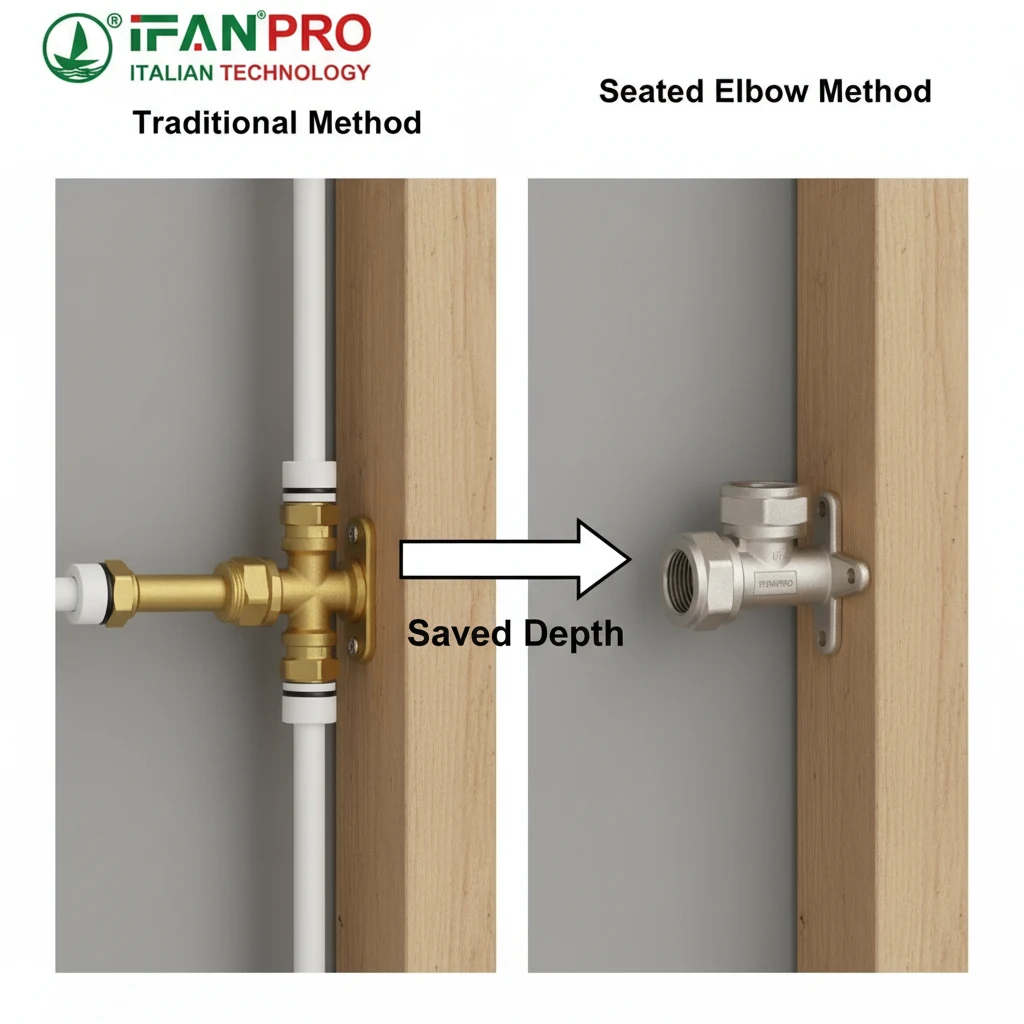
This design saves significant space by combining the 90-degree turn, the mounting point, and the fixture connection into a single, compact unit that sits flat against the stud. It eliminates the extra depth and bulk needed for separate brackets, additional fittings, and the open loops of pipe required for flexibility in traditional methods.
The Physics of a Compact Footprint
Think about a standard elbow. It just turns the pipe. To support it, you need a bracket that stands off from the stud. Then, you need space behind the fixture for the adapter and for the pipe to curve or loop to allow for final connection. This “service loop” can take up several inches of depth.
A seated elbow changes this dynamic completely. Its integrated seat mounts flush to the stud face. The water outlet is positioned right at this mounting plane. The PEX pipe comes straight into the side of the elbow, and the fixture threads directly onto its face. The entire assembly exists in a single, thin layer. This can reduce the required depth by 50% or more compared to a stacked, multi-part assembly.
Real-World Applications
This space-saving is critical in modern installations:
- Thin Walls: In multi-family housing or hotels with metal studs, wall cavities are very shallow. A seated elbow is often the only way to fit a reliable connection.
- Vanity Cabinets: Modern vanities have sleek designs with minimal internal space. Saving inches behind the sink can be the difference between a standard cabinet and a custom, more expensive one.
- Multiple Fixtures in One Bay: When installing a shower valve, tub spout, and diverter in one stall, using seated elbows for each keeps the plumbing tidy and manageable within the standard stud bay, avoiding conflicts with other utilities.
By reducing clutter and bulk, this design prevents cramped, difficult-to-service installations and allows for cleaner architectural designs.
What Makes It Faster to Install Than Assembling Multiple Separate Components?
Time is money on every job site. A faster installation means lower labor costs and happier customers.
It is faster to install because you handle and secure only one component instead of three or four. You skip the steps of assembling, aligning, and integrating multiple parts (bracket, elbow, adapter). One screw-down action completes the mounting and rough-in plumbing simultaneously, cutting installation time by more than half for this connection.
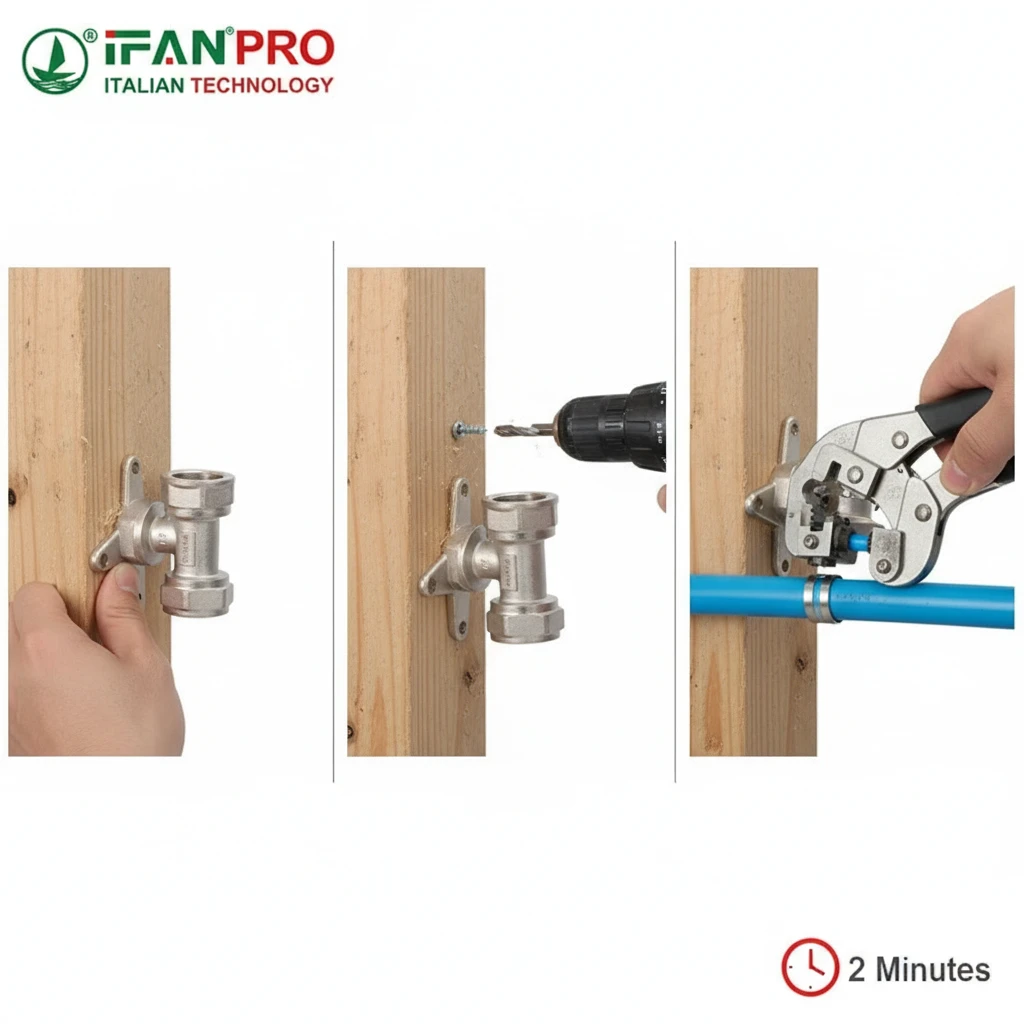
Streamlining the Installation Workflow
Speed comes from reducing steps and simplifying the process. Let’s break down the task comparison.
Traditional Multi-Part Assembly:
- Position and screw the mounting bracket to the stud.
- Cut and connect the PEX to a standard elbow.
- Snap or strap that elbow into the bracket (ensuring correct orientation).
- Screw a threaded adapter into the elbow.
- Check and adjust the alignment of all parts so the fixture will fit.
- Possibly disconnect and re-tighten if alignment is off.
This process involves handling small parts, using multiple tools, and making several adjustments.
Seated Elbow Installation:
- Hold the seated elbow in the desired position on the stud.
- Screw its integrated flange to the stud. (This steps combines mounting and alignment).
- Connect the PEX pipe to the elbow’s inlet.
The fixture connection point is now perfectly positioned and rigid. The critical alignment is done in Step 2, with no downstream parts to adjust. This is a dramatic reduction in process complexity.
The Impact on Project Timelines
For a single connection, the time saved might be a few minutes. But on a large project—like an apartment building with hundreds of bathrooms—this saving multiplies exponentially. It also reduces mental fatigue and error rates for installers, as there is less to remember and fewer ways to get it wrong. Fewer parts also mean fewer trips back to the truck or supply box, keeping the work flowing smoothly. This reliability and speed are why professional plumbers increasingly demand integrated solutions like the seated elbow.
Conclusion
A seated elbow with female threads offers a superior blend of rigidity, space savings, and installation speed for PEX fixtures. For a reliable supply of these efficient fittings, choose IFAN’s seated elbow series for your next project.









 English
  Français
  Русский
  Español
Recent Comments