If you’re planning a plumbing, drainage, or infrastructure project, choosing the right type of pipe is critical—not only for performance, but also for cost-efficiency. Two of the most commonly compared materials are PVC (Polyvinyl Chloride) and HDPE (High-Density Polyethylene). But which one is more expensive?
In this article, we’ll break down the cost differences between PVC and HDPE pipes, and explore the key factors that influence pricing, so you can make a smart decision based on your project’s needs and budget.
💰 Short Answer: HDPE Pipes Are Generally More Expensive Than PVC
In most regions and applications, HDPE pipes tend to cost more per meter than standard PVC pipes of the same diameter. However, price differences can vary based on:
Pipe diameter and wall thickness
Pressure rating (PN class)
Country of origin and raw material cost
Installation method
Transportation and logistics
➡️ PVC is typically the more budget-friendly option, especially for above-ground or low-pressure applications.
📊 Cost Comparison Table: PVC vs. HDPE (General Estimates)
Pipe Type
Average Price (per meter, USD)
Application Suitability
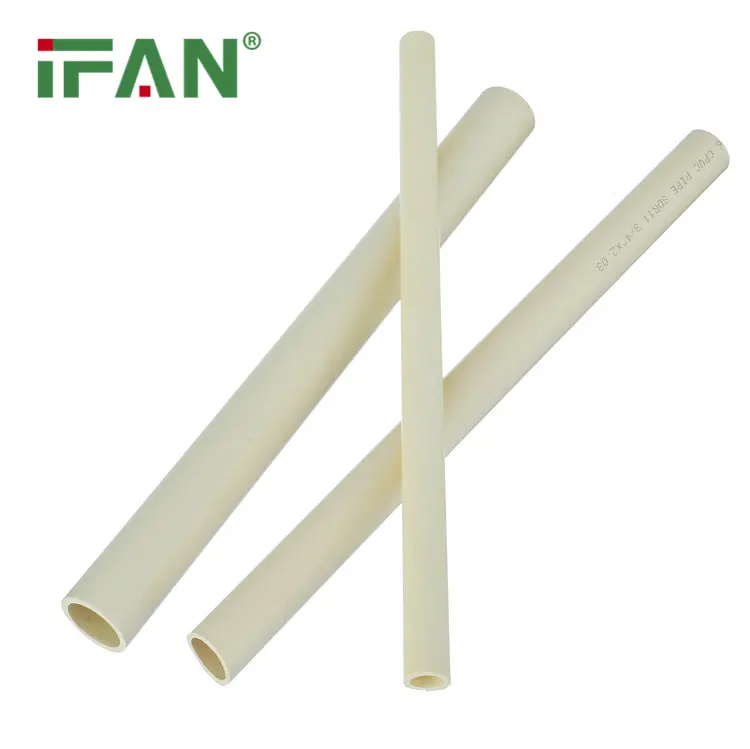
PVC
$0.80 – $2.50
Water supply, drainage, electrical conduits
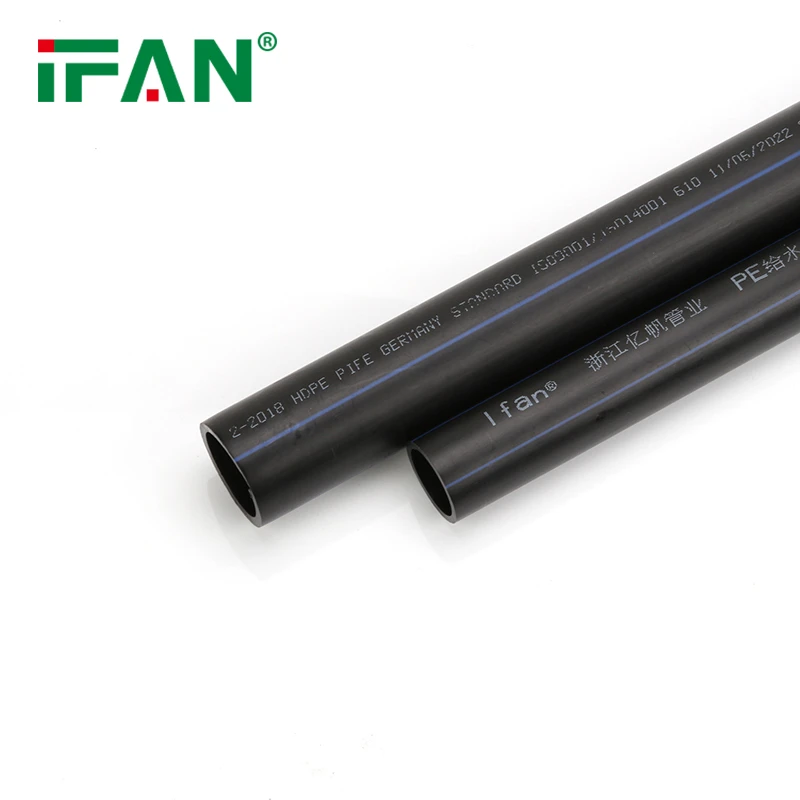
HDPE
$1.50 – $4.00
Underground utilities, gas, pressure water
⚠️ Prices vary by country, supplier, and market conditions. Bulk orders and factory-direct sourcing (like from ifanpro) can reduce costs.
🧪 Why Is HDPE Usually More Expensive?
Here are a few reasons why HDPE pipe costs tend to be higher:
Material Strength HDPE has higher tensile strength and flexibility, making it suitable for high-pressure and underground applications.
Production Complexity HDPE pipes are often manufactured in long coils and require specialized extrusion equipment.
Long-Term Durability HDPE can handle ground movement, extreme temperatures, and chemical exposure better than PVC.
Fusion Welding HDPE requires butt fusion or electrofusion welding, which adds to labor and equipment costs.
✅ When to Choose PVC (Cost-Effective Option)
PVC is a better choice when your project requires:
Lower initial cost
Simple, rigid installation
Non-pressure or low-pressure applications
Above-ground piping or short-distance systems
PVC is ideal for:
Residential plumbing
Drainage systems
Cable conduits
Irrigation networks
✅ When to Choose HDPE (High-Performance Option)
Although costlier upfront, HDPE is worth the investment when:
Long pipe runs with fewer joints are needed
Flexibility and ground movement tolerance are critical
Pipes are buried underground or in harsh environments
High-pressure or gas distribution is required
Common HDPE applications include:
Municipal water supply
Gas pipelines
Agricultural irrigation
Mining and industrial projects
🌍 Tip: Source Pipes from a Trusted Manufacturer
Whether you’re looking for PVC or HDPE, cost can vary greatly depending on your supplier.
At ifanpro, we are a China-based pipeline factory offering:
Factory-direct pricing for HDPE and PVC pipes
Custom production with global export support
Certified materials (ISO, DIN, etc.)
OEM & Private Label Services for distributors
We help reduce your procurement cost without compromising on quality.
🔚 Conclusion
So, which pipe is more costly—PVC or HDPE? Generally, HDPE pipes are more expensive due to their superior flexibility, durability, and installation capabilities. However, PVC remains a cost-effective, reliable solution for many low- to medium-pressure systems.
The best choice depends on your application, budget, and long-term performance requirements.
Looking to source affordable, high-quality piping products in bulk? Explore our full range at 👉 ifanpro.com
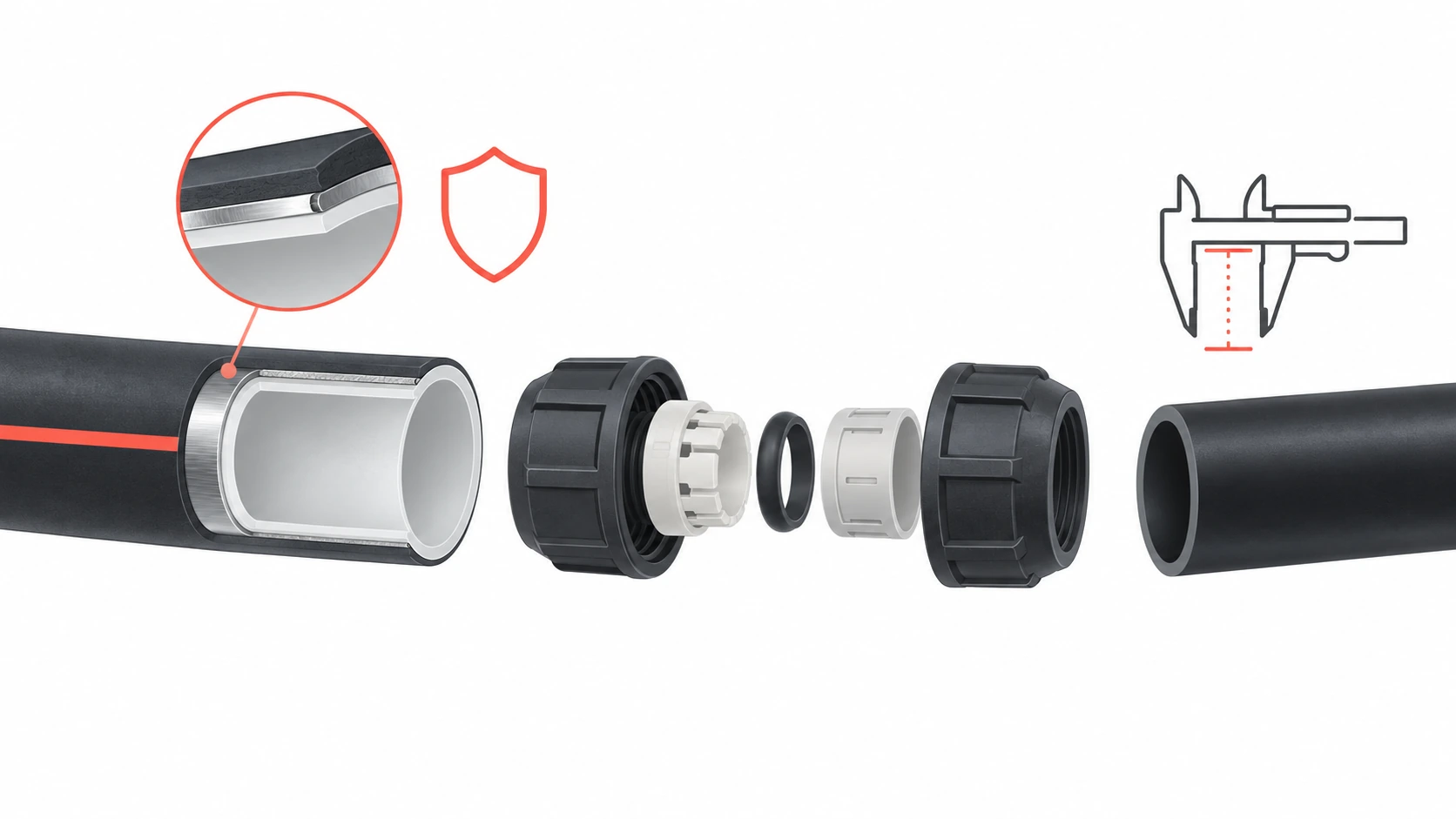
Check barrier-pipe diameters, approved inserts and contamination protection before reducing to ordinary PE. See what a 32-to-25 mm transition must prove.












 English
  Français
  Русский
  Español
Recent Comments