
PPR (Polypropylene Random Copolymer) pipes and fittings have become a popular choice for plumbing and water systems across residential, commercial, and industrial sectors. Known for their durability, thermal resistance, and long service life, PPR materials are especially valued in hot and cold water supply systems.
But did you know there are three main types of PPR? Understanding these types is essential if you’re planning a project or sourcing materials.
In this article, we’ll break down the three common types of PPR, their differences, and where they are best used.
🔍 What Is PPR?
PPR, short for Polypropylene Random Copolymer, is a thermoplastic used in piping systems. It’s lightweight, corrosion-resistant, and weldable through heat fusion—making it a preferred material for both domestic and commercial applications.
It typically conforms to DIN 8077/8078 and ISO 15874 standards, ensuring quality and compatibility across the plumbing industry.
✅ The Three Types of PPR
1. PPR Type 1 (PP-H – Polypropylene Homopolymer)
Description:
PPR Type 1, also called PP-H, is made from polypropylene homopolymer. It was one of the earliest polypropylene materials used in piping.
Features:
- High rigidity
- Good chemical resistance
- Suitable for industrial applications
Limitations:
- Lower impact resistance
- Less suitable for cold environments
Best For:
- Industrial fluid handling
- Chemical transport
- Compressed air systems
2. PPR Type 2 (PP-B – Polypropylene Block Copolymer)
Description:
PPR Type 2, or PP-B, is a block copolymer made by adding ethylene units to improve impact strength and flexibility.
Features:
- Better toughness than Type 1
- Good cold temperature performance
- Suitable for drainage and non-pressure systems
Best For:
- Drainage and wastewater
- External piping systems
- Low-pressure water transport
3. PPR Type 3 (PP-R / PP-R80 – Polypropylene Random Copolymer)
Description:
Type 3 is the most advanced and widely used PPR material, made from polypropylene random copolymer (PP-R). It offers an ideal balance of strength, flexibility, and temperature resistance.
Features:
- High pressure and temperature resistance
- Suitable for both cold and hot water
- Long lifespan (50+ years)
- Non-toxic and safe for drinking water
- Fusion-weldable for leak-proof joints
Best For:
- Domestic plumbing
- Hot and cold potable water
- Radiant floor heating
- Industrial fluid transport
✅ Most modern PPR piping systems use Type 3 (PP-R) because of its superior performance.
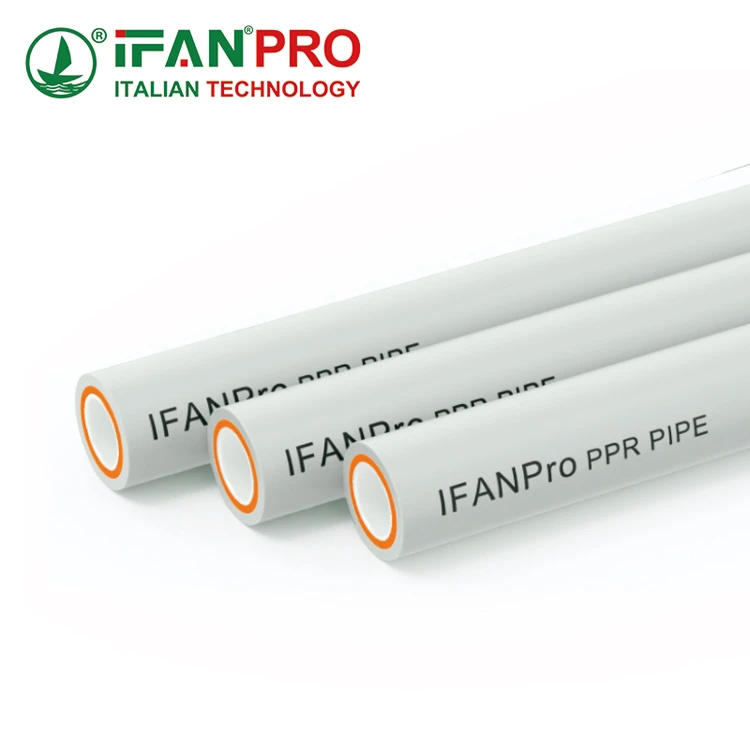
🏗️ Choosing the Right Type for Your Project
| Type | Strength | Flexibility | Temperature Resistance | Ideal Use |
|---|---|---|---|---|
| Type 1 (PP-H) | High | Low | Medium | Industrial chemicals |
| Type 2 (PP-B) | Medium | Medium | Low | Drainage systems |
| Type 3 (PP-R) | High | High | High | Potable water, HVAC |
Pro Tip: For plumbing or heating systems, always choose Type 3 (PP-R) for its safety, performance, and long-term reliability.
🌍 Source Certified PPR from ifanpro
Looking for high-quality PPR pipes and fittings for your project or business?
Visit ifanpro.com — a trusted PPR pipe factory in China that offers:
- ✅ Full range of PP-R (Type 3) pipes and fittings
- ✅ OEM & private label services
- ✅ Products made from Borealis or Sabic raw materials
- ✅ Compliance with DIN 8077/8078 and ISO 15874
- ✅ Export-ready with custom packaging and documentation
Whether you’re a distributor, contractor, or importer, ifanpro delivers customized solutions and consistent product quality at factory-direct pricing.
✅ Conclusion
To summarize, the three main types of PPR are:
- Type 1 (PP-H) – Best for industrial chemical transport
- Type 2 (PP-B) – Suitable for drainage and low-pressure use
- Type 3 (PP-R) – The most reliable choice for drinking water and heating systems
For most plumbing and hot water applications, PP-R (Type 3) is the preferred and safest option. Make sure to choose a supplier that offers certified, customizable solutions—like ifanpro—to meet your project’s needs with confidence.












 English
  Français
  Русский
  Español
Recent Comments