
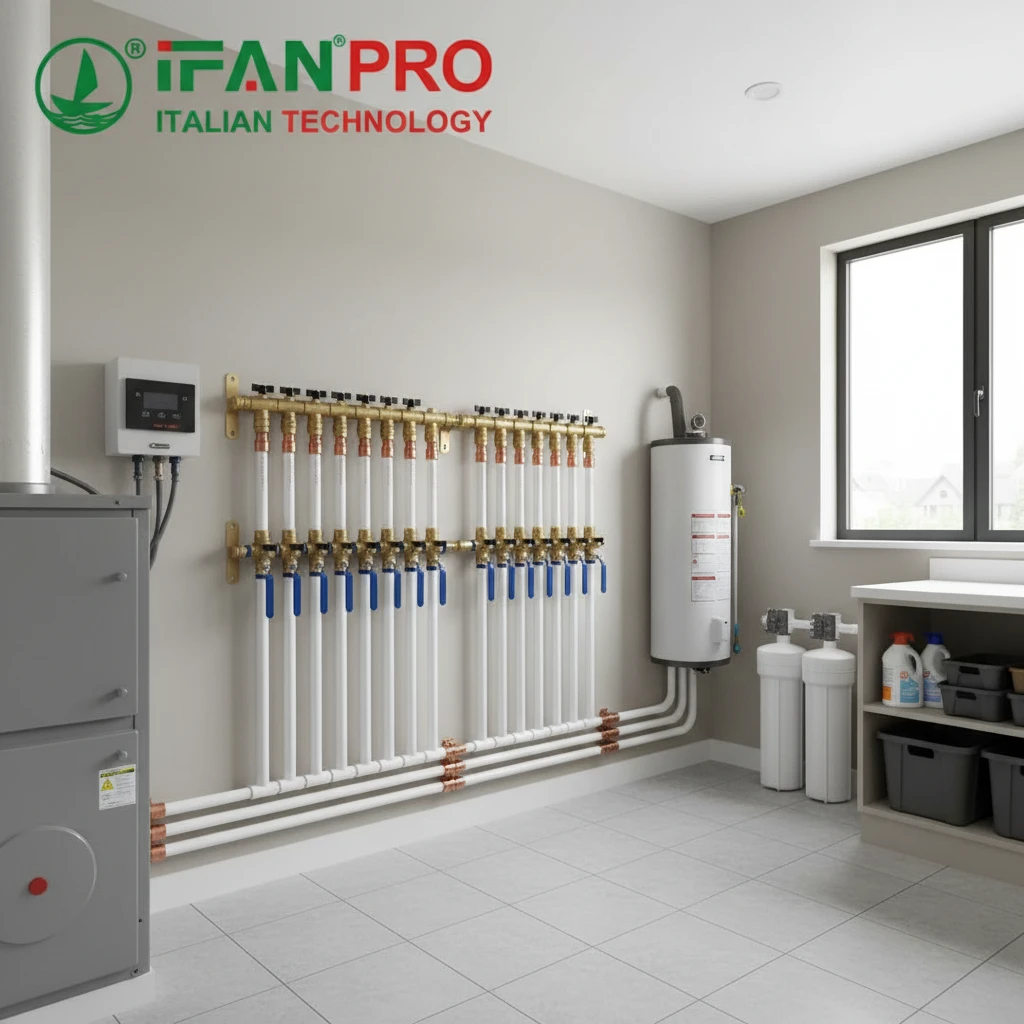
I once visited a home where contaminated water flowed from brand-new pipes. The culprit? A low-quality valve leaching chemicals into the supply. That day, I learned that every component matters.
The 121UC valve ensures a safe residential water supply because it meets strict material standards for potable water systems, provides reliable connections for various fixtures, simplifies installation to reduce error, and carries certifications trusted by over 500 global clients. This makes it an essential component for any modern plumbing upgrade.
Now, let’s examine how this specific valve addresses the critical requirements of safe, reliable residential plumbing.
Strict Material Requirements for Residential Potable Water Networks
Water safety starts with material selection. I’ve seen projects fail because builders chose components based on price alone, not on certification.
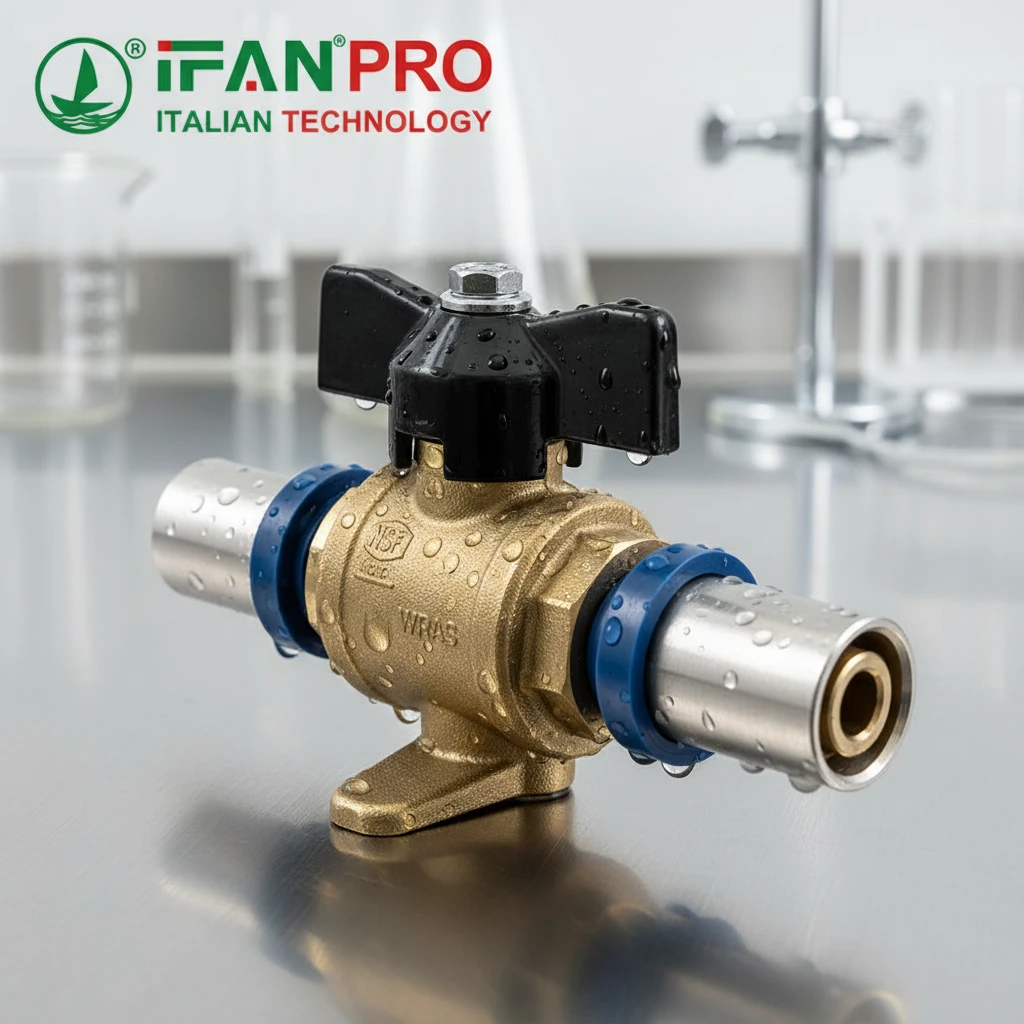
Residential potable water networks require materials that will not leach harmful substances into drinking water. The 121UC valve uses certified virgin materials that meet international standards like NSF/ANSI 61 and WRAS, ensuring the water reaching your tap remains as clean as when it left the treatment plant.
Understanding Potable Water Material Standards
When we talk about safe drinking water, we must consider the entire path it travels. Pipes and fittings carry water from the main supply to every tap in the house. If any component contaminates the water along the way, the whole system fails its purpose.
International standards exist specifically to prevent this. These standards test materials for:
- Chemical Leaching: Does the material release any substances into water over time?
- Bacterial Growth: Does the surface promote biofilm formation?
- Taste and Odor: Does the material affect water’s natural properties?
The 121UC valve undergoes rigorous testing to pass these requirements. Manufacturers produce it using virgin polypropylene with no recycled content that might introduce unknown contaminants.
Why Material Quality Matters for Valves
Valves present unique challenges compared to straight pipe sections. They contain moving parts, sealing surfaces, and often different materials working together. Each component must meet the same strict standards.
A typical 121UC valve includes:
- Body: Made from impact-resistant PP-R material
- Ball: Chrome-plated brass or stainless steel for smooth operation
- Seals: EPDM rubber certified for potable water contact
- Stem: Reinforced polymer or metal with multiple seal points
The table below shows common certification requirements for potable water components:
| Certification | Region | What It Tests | 121UC Status |
|---|---|---|---|
| NSF/ANSI 61 | USA/Canada | Chemical extraction and leaching | Passed |
| WRAS | United Kingdom | Material safety and mechanical performance | Passed |
| ACS | France | Migration of substances into drinking water | Passed |
| GOST | Russia | Compliance with local safety standards | Passed |
Common Customer Pain Points with Material Quality
We frequently hear from clients who installed non-certified valves and later faced problems. Some noticed a plastic taste in their water. Others found their valves cracking after only a few years. The worst cases involved valves that failed completely, causing water damage.
These problems trace back to one issue: using materials not designed for long-term potable water contact. Recycled plastics may contain unknown additives. Low-grade rubber seals can degrade and release particles. Metal components may corrode or leach lead.
The 121UC valve eliminates these risks through strict material selection. Every batch undergoes testing to verify compliance. Clients receive documentation confirming the materials meet all applicable standards.
The Perfect Connection Solution for Radiator Valves and Domestic Water
Connecting different systems often creates compatibility headaches. I’ve watched plumbers struggle to mate mismatched components, creating potential leak points.
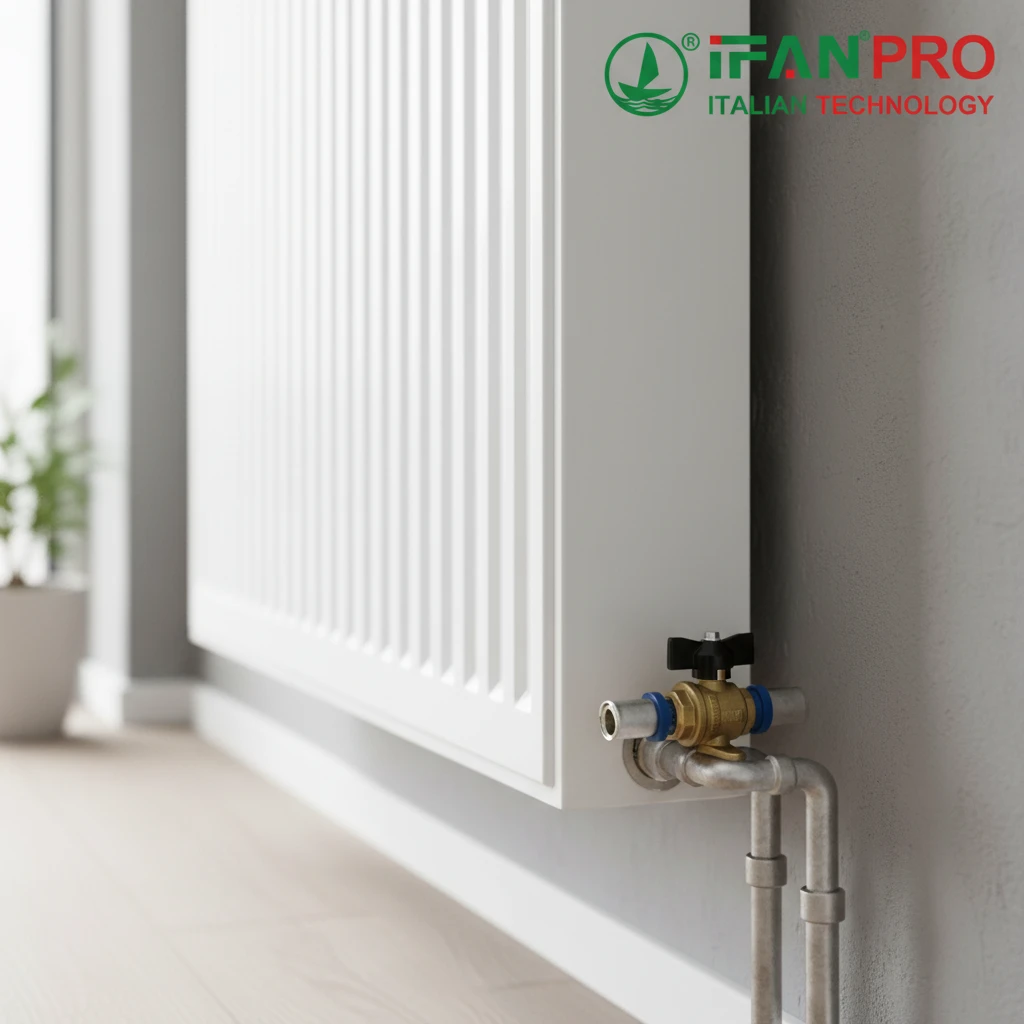
The 121UC valve serves as the ideal connection solution between radiator heating systems and domestic water supplies because it features universal connection ports compatible with standard radiator valves and plumbing fittings. This eliminates the need for adapters and reduces potential leak paths.
Bridging Two Different Systems
Modern homes often combine multiple water systems. Radiator heating loops, domestic hot water, and supply lines all need to work together seamlessly. The connection points between these systems are critical.
The 121UC valve excels here for several reasons:
Standardized Connections: The valve body includes both Eurocone connections for radiator valves and standard threaded ports for plumbing fittings. This means one valve works with both systems without adapters.
Compact Design: Space behind radiators and under sinks is limited. The 121UC features a compact form factor that fits tight spaces while leaving room for proper insulation.
Integrated Flow Control: The valve allows precise flow adjustment for each connected device. This helps balance the heating system and ensures adequate hot water delivery to fixtures.
Reducing Potential Failure Points
Every adapter and coupler in a plumbing system represents a potential leak point. The 121UC minimizes these by directly accepting both system types.
Consider a typical radiator installation without this valve:
- Radiator valve connects to the heating system
- Adapter converts radiator connection to pipe thread
- Pipe runs to the main supply
- Another valve controls domestic water flow
- Multiple threaded connections exist, each needing sealing
With the 121UC:
- One valve connects directly to the radiator
- The same valve accepts the domestic water supply
- Flow control happens in a single component
- Fewer threaded connections mean fewer leak opportunities
The table below compares the two approaches:
| Installation Aspect | Traditional Multiple Components | 121UC Single Valve Solution |
|---|---|---|
| Number of Connections | 4-6 separate joints | 2-3 joints |
| Potential Leak Points | High | Low |
| Installation Time | 45-60 minutes | 20-30 minutes |
| Adapters Required | Yes | No |
| Space Required | More | Less |
Practical Advice for Installers
When connecting radiator systems to domestic water, follow these tips:
Use thread sealant properly. Apply PTFE tape or pipe dope to all threaded connections, following the manufacturer’s directions.
Support the valve body. Heavy radiator valves can stress connections if not properly supported. Use brackets or clips as needed.
Allow for thermal expansion. Heating systems expand when hot. Ensure pipes have room to move without stressing the valve connections.
Test thoroughly. After installation, pressure test the entire system before closing walls or floors.
Simplifying Plumbing Installations to Reduce Long-Term Maintenance Costs
Complex installations cost more upfront and even more later. I’ve seen beautiful plumbing jobs become maintenance nightmares due to poor planning.
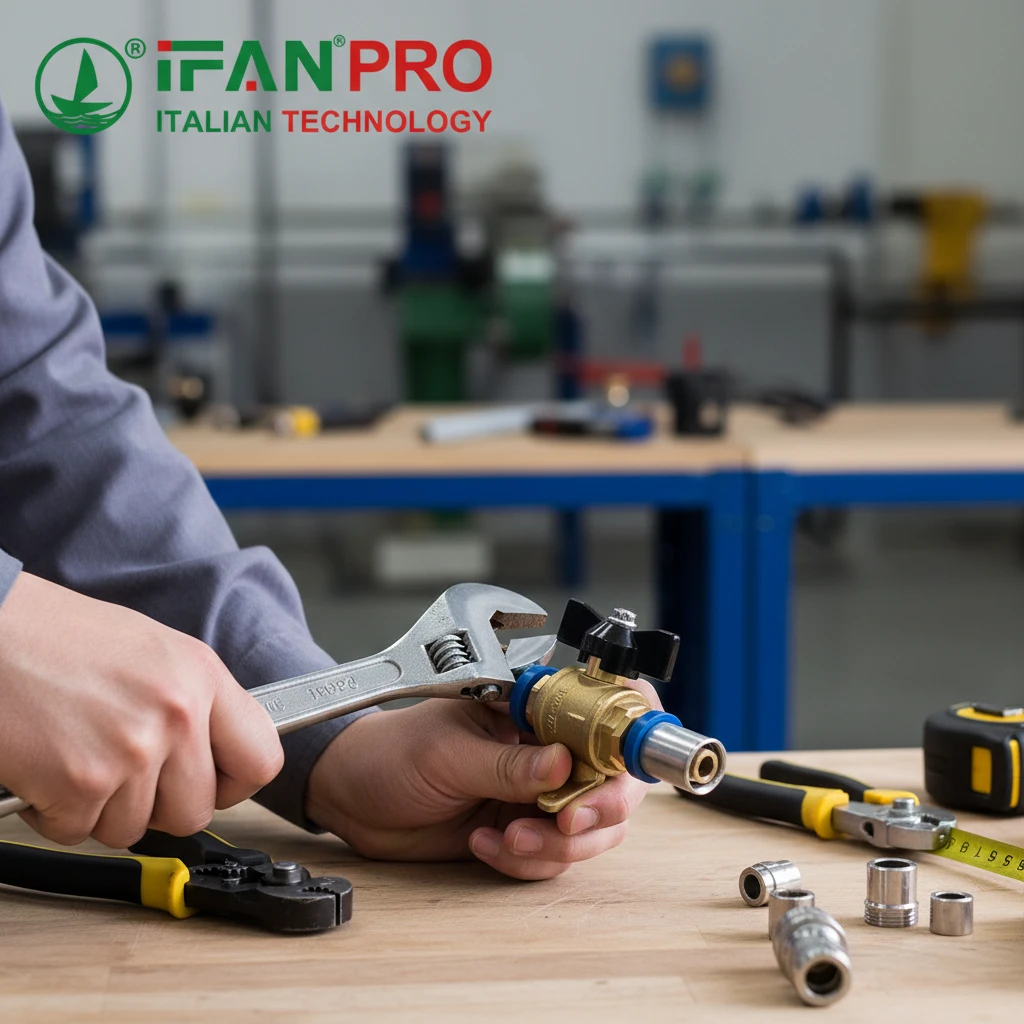
The 121UC valve simplifies plumbing installations through its integrated design, reducing the number of components needed and minimizing potential failure points. This simplicity translates directly to lower long-term maintenance costs because there are fewer seals, threads, and joints that can eventually fail and require service.
The Cost of Complexity
Every additional component in a plumbing system adds cost in multiple ways:
Initial Material Cost: More parts mean higher material expenses. Adapters, extra valves, and couplers all add up.
Installation Labor: Each connection requires time to prepare, assemble, and test. Plumbers charge by the hour, so more connections mean higher bills.
Future Maintenance: When something fails, service technicians must diagnose which component is at fault. Multiple components mean more potential failure points and longer troubleshooting time.
Replacement Difficulty: Simple systems are easy to repair. Complex systems with many components in tight spaces become difficult and expensive to service.
How the 121UC Reduces Long-Term Costs
The 121UC addresses each of these cost factors:
Fewer Components: By combining multiple functions into one valve body, the 121UC eliminates the need for separate shutoff valves, check valves, and adapters in many applications.
Faster Installation: Plumbers can complete connections more quickly, reducing labor costs. The universal connection ports mean no time wasted searching for the right adapter.
Simplified Maintenance: When service is needed, technicians deal with one valve instead of multiple components. This speeds diagnosis and repair.
Extended Service Life: Quality materials and construction mean the valve itself lasts longer, delaying replacement needs.
Cost Comparison Over 10 Years
The table below shows estimated costs for a typical installation using traditional components versus the 121UC:
| Cost Category | Traditional Approach | 121UC Solution | Savings |
|---|---|---|---|
| Initial Materials | $45-60 | $35-50 | $10-15 |
| Installation Labor | $80-120 | $50-80 | $30-40 |
| 5-Year Maintenance | $50-100 (estimated) | $0-20 (estimated) | $30-80 |
| 10-Year Total | $175-280 | $85-150 | $90-130 |
Common Customer Pain Points We Address
Our clients frequently report these issues with complex installations:
- Hard-to-reach valves: When valves are buried behind finished walls, operating them becomes difficult.
- Confusing multiple valves: Homeowners don’t know which valve controls what.
- Leaks at adapter connections: Every adapter introduces another potential leak.
- High repair quotes: Service companies charge more for complex systems.
The 121UC solves these by:
- Placing all controls in one accessible location
- Clearly marking flow direction and function
- Eliminating adapter connections entirely
- Using reliable construction that rarely needs service
Trusted Quality Guaranteed by 500+ Global Clients
Trust comes from proven performance. I’ve learned that the best marketing is a satisfied customer telling others about their experience.
Over 500 clients across Russia, Southeast Asia, the Middle East, Africa, Europe, and the Americas have chosen and continue to specify the 121UC valve for their residential plumbing projects. This widespread adoption across diverse markets and applications demonstrates the valve’s consistent quality, reliability, and adaptability to local requirements.
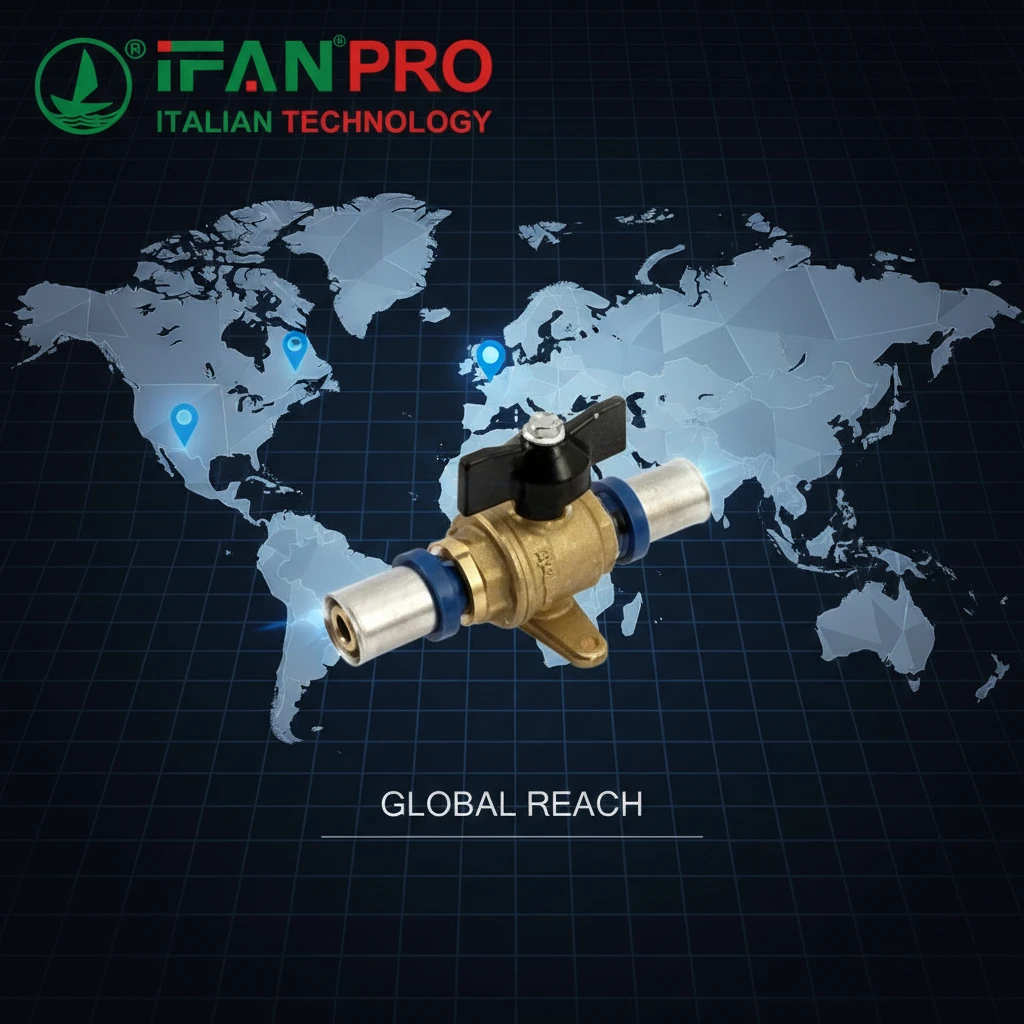
Why Global Clients Trust the 121UC
Different markets have different requirements. What works in Russia must also work in Nigeria, Thailand, and Germany. The 121UC has proven itself across these diverse environments.
Cold Climate Performance: Russian clients need valves that won’t crack in freezing conditions. The 121UC’s material formulation maintains impact resistance at low temperatures.
Hot Climate Durability: Middle Eastern installations face extreme heat. The valve’s materials resist degradation from high temperatures and UV exposure.
Water Quality Variations: Water chemistry varies widely by region. Some areas have hard water, others soft, some aggressive. The 121UC’s inert materials resist attack from all common water types.
Installation Practice Differences: Plumbers in different regions use different techniques. The valve’s universal design accommodates various installation methods.
Client Feedback and Success Stories
We regularly hear from clients about their experiences:
A Russian distributor reported: “We’ve installed over 10,000 121UC valves in the past three years. Our callback rate for leaks or failures is below 0.1%. That’s exceptional for any plumbing component.”
A Southeast Asian contractor shared: “My team loves how quickly they can install these valves. We complete jobs faster and have fewer callbacks. Our customers appreciate the quality.”
A European wholesaler noted: “The certifications make selling easy. Our customers check for WRAS approval, and the 121UC has it. No questions asked.”
Certifications That Build Trust
The 121UC carries certifications recognized worldwide:
| Certification | Market | Significance |
|---|---|---|
| ISO 9001 | Global | Manufacturing quality system certified |
| ISO 14001 | Global | Environmental management certified |
| CE | Europe | Meets EU safety standards |
| WRAS | UK | Approved for drinking water contact |
| NSF/ANSI 61 | North America | Safe for potable water systems |
| GOST | Russia/CIS | Complies with local regulations |
Practical Advice for Specifying Valves
When selecting valves for your projects, consider these factors:
Check certifications carefully. Don’t just accept claims; request documentation. Reputable suppliers provide certification copies.
Consider the entire system. A valve that works perfectly alone may not integrate well with other components. Test compatibility before large orders.
Look at track records. How long has the product been on the market? Have other customers in your region used it successfully?
Evaluate support. Does the supplier provide technical assistance when needed? Can they help with installation questions?
IFAN supports every 121UC sale with:
- Technical documentation in multiple languages
- Installation guides and videos
- Responsive customer service
- Replacement parts availability
Conclusion
The 121UC valve delivers safe water connections through certified materials, simplified installation, and proven global reliability. For your next residential plumbing upgrade, choose IFAN’s 121UC valve and join over 500 satisfied clients worldwide.


 English
  Français
  Русский
  Español
Recent Comments