
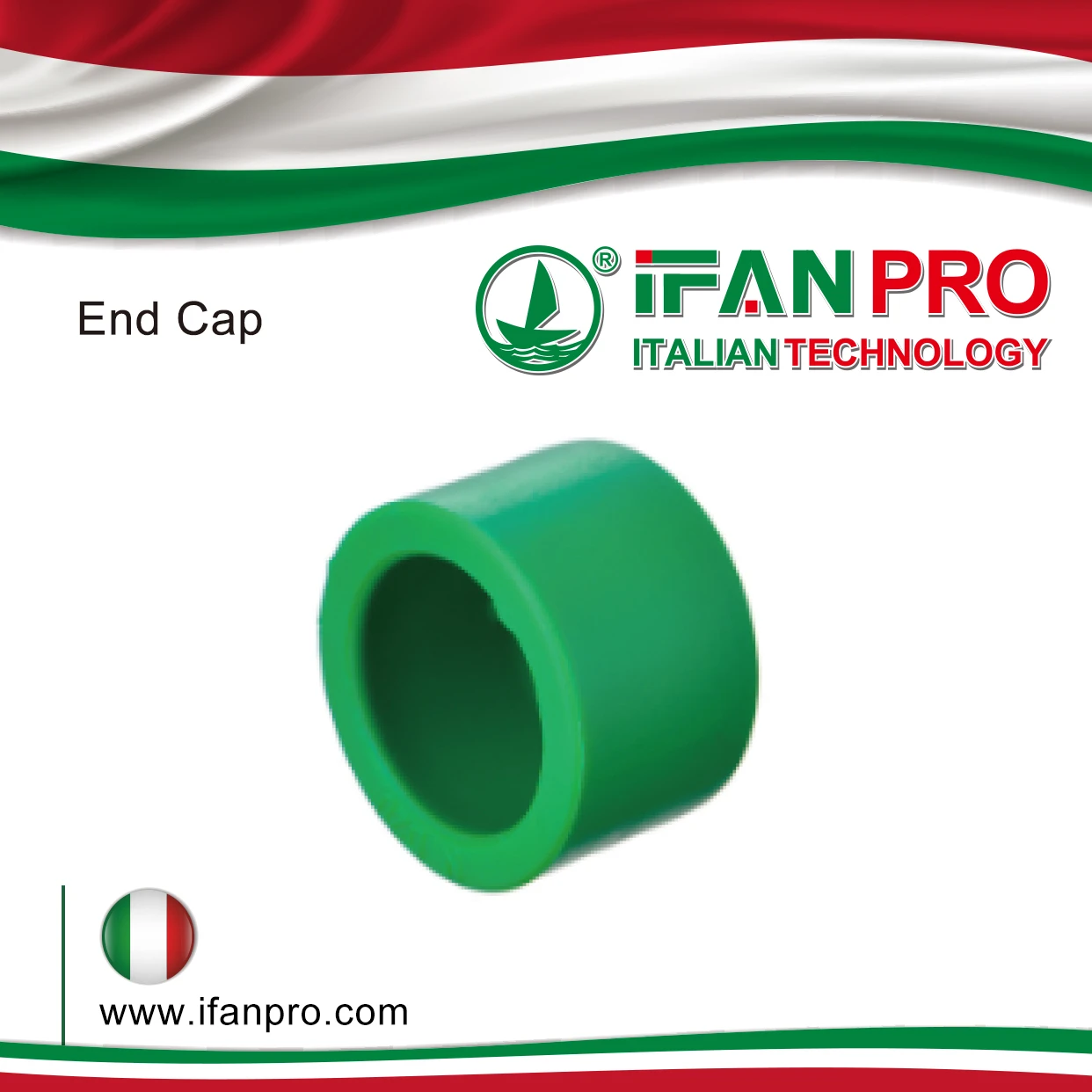
I once saw a metal end cap fail, flooding a basement. That moment proved how critical a simple fitting can be. In my work with IFAN, I’ve learned that the right end cap is key to a secure system.
The main advantages of using a PPR end cap are its ability to create a permanent, leak-proof seal, its complete resistance to corrosion and chemicals, its fast installation with basic tools, and its role in slashing long-term maintenance costs, ensuring a reliable and durable end to any PPR piping line.
Let’s take a closer look at each of these benefits and see why the humble PPR end cap is a hero for plumbing system integrity.
How Does a PPR End Cap Ensure a Permanent and Leak-Proof Seal?
A leak at the end of a line is frustrating and wasteful. Clients often complain about drips from poorly sealed caps, but PPR offers a permanent fix.
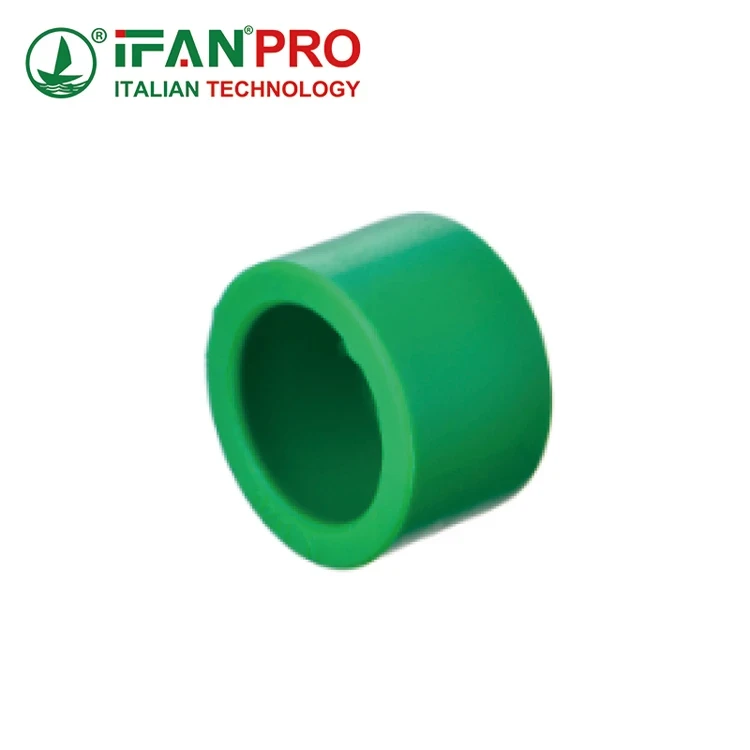
A PPR end cap ensures a permanent and leak-proof seal by using heat fusion welding. This process melts the pipe end and the cap together, forming a single, seamless piece of plastic. The resulting joint is actually stronger than the pipe itself and eliminates the weak points found in threaded or glued connections.
The Problem with Traditional End Seals
First, let’s understand why other methods fail. Traditional metal or plastic caps often use threading or solvent cement. Threads can corrode or loosen over time with temperature changes, creating a path for water to escape. Glued joints rely on chemical adhesion, which can degrade or fail if not applied perfectly. These are weak points waiting to happen.
The Science of Socket Fusion
The PPR solution is different. It uses a method called socket fusion. Here’s how it works, step by step:
- You cut the PPR pipe square and clean it.
- You use a simple welding machine with a heating plate.
- The machine heats both the outside of the pipe end and the inside of the PPR end cap at the same time.
- After a few seconds, the surfaces melt. You then quickly push the cap onto the pipe.
- You hold them together for a short cooling time.
This process is not about sticking two pieces together. It is about joining them on a molecular level. The melted polypropylene from the pipe and the cap mix and cool as one uniform material. There is no glue line to break down. There is no thread to loosen. The connection becomes monolithic.
Why This Seal is Superior
For you, this means absolute confidence. A fused PPR end cap will not leak. Ever. It withstands high pressure and temperature swings without stress. It is immune to the vibration that can shake loose a threaded fitting. This reliability is why professional installers and project managers specify fusion-welded PPR systems for critical applications. It turns a potential problem point into the strongest part of the line.
Comparison of End Cap Sealing Methods
The table below clearly shows why fusion is the most reliable choice.
| Sealing Method | How It Works | Risk of Leak | Long-Term Reliability |
|---|---|---|---|
| PPR Heat Fusion | Melts pipe and cap into one piece. | Extremely Low | Excellent. Joint is permanent and stronger than the pipe. |
| Threaded (Metal) | Screws onto threaded pipe. | Moderate | Poor. Can corrode or loosen with thermal cycles. |
| Solvent Cement (PVC) | Chemical glue dissolves surfaces to bond. | High | Fair. Bond can degrade with heat, chemicals, or age. |
| Compression Fitting | Uses a ferrule and nut to squeeze a seal. | Moderate | Fair. Rubber seals can age and fail; fitting can loosen. |
Why Is the Corrosion Resistance of PPR End Caps Crucial for System Longevity?
Rust is the silent killer of plumbing systems. I’ve replaced countless corroded iron caps, but with PPR, corrosion is a worry of the past.
The corrosion resistance of PPR end caps is crucial because it guarantees the fitting will last as long as the pipe itself—over 50 years. Unlike metal, PPR cannot rust or degrade from chemical reactions with water or soil, preventing system failure, water contamination, and costly emergency replacements.
The High Cost of Corrosion
Corrosion is not just about looks. A corroded end cap can lead to catastrophic system failure. For a client, this means:
- Leaks and Water Damage: A rusted-through cap will burst, causing flooding.
- Water Contamination: Rust particles and metal ions flake off into the drinking water, affecting taste, color, and safety.
- Pressure Loss: Rust buildup inside the cap can restrict flow.
- Sudden, Costly Repairs: You must fix it immediately, often requiring cutting out entire sections of pipe.
PPR: A Material Immune to Rust
PPR is made from polypropylene plastic. This material is inert. It does not react with water, dissolved oxygen, or the minerals found in typical water supplies. It is also highly resistant to a wide range of acids, alkalis, and other chemicals that can be present in soil or certain industrial applications.
This means you can use a PPR end cap in any environment:
- In concrete: Where moisture is always present.
- In acidic soils: Where metal would rapidly deteriorate.
- With aggressive water chemistries: Without risk of decay.
Ensuring Uniform System Lifespan
The biggest advantage is system harmony. When you use PPR pipes with PPR fittings and end caps, every component has the same lifespan and resistance profile. You don’t have a 50-year pipe connected to a 15-year metal cap. The entire system ages uniformly and predictably. This is a fundamental principle of good engineering and project management. It allows for accurate long-term planning and eliminates weak links.
Chemical Resistance of Common Pipe Materials
This table shows why PPR is chosen for challenging environments.
| Material | Resistance to Corrosion (Rust) | Resistance to Chemicals | Effect on Water Quality |
|---|---|---|---|
| PPR | Excellent. Does not rust. | Excellent. Resists most acids, alkalis, and salts. | Neutral. Does not leach substances. |
| Carbon Steel | Very Poor. Rusts easily. | Poor. | Negative. Rust contaminates water. |
| Copper | Good, but can corrode in certain water pH. | Fair. Can be attacked by some acids. | Can leach copper ions in soft water. |
| PVC | Excellent. Does not rust. | Good. Resists many chemicals. | Neutral. |
What Makes PPR End Caps Quick and Easy to Install with Standard Tools?
Time on the job site is money. I’ve seen plumbers struggle with threading machines, but PPR fusion is a game-changer for efficiency.
PPR end caps are quick and easy to install because they require only three standard tools: a pipe cutter, a welding machine, and a marking gauge. The heat fusion process takes less than a minute per joint, is clean and safe with no open flames, and consistently produces perfect results with minimal training.
The Simple Tool Kit
You don’t need a workshop full of heavy equipment. The PPR fusion system is elegantly simple:
- Pipe Cutter: A simple, inexpensive tool that gives a clean, square cut. This is critical for a good weld.
- Welding Machine: A portable, thermostatically controlled unit with heating plates. It comes with pairs of heating attachments for different pipe sizes.
- Marking Gauge/Scraper: A small tool to mark the correct insertion depth and to lightly scrape the pipe surface for a perfect weld.
That’s it. There are no threaders, no torches, no gas bottles, and no pots of chemical glue.
The Fast and Repeatable Process
Let’s walk through the installation timeline for a single end cap:
- Measure & Mark (5 seconds): Use the gauge to mark how deep the cap will go onto the pipe.
- Cut & Prepare (10 seconds): Cut the pipe and lightly scrape the end.
- Heat (10-20 seconds): Attach the right-sized heating heads to the machine. Place the pipe end and the end cap onto the hot heads.
- Join & Hold (10 seconds): Remove them from the heater, push the cap onto the pipe up to the mark, and hold it steady.
- Cool (20-30 seconds): The joint is set. You can move on.
Total hands-on time is about one minute. The process is so fast that an installer can prepare and weld dozens of joints in an hour. This speed translates directly to lower labor costs for builders and faster project completion.
Benefits Over Traditional Methods
- No Specialized Skill: A worker can be trained to make perfect PPR joints in a day. Contrast this with the years needed to master soldering copper or threading steel.
- Clean and Safe: No toxic fumes from solder or glue. No fire risk from a torch. This makes it ideal for indoor renovations and tight spaces.
- Consistent Quality: The welding machine controls the temperature and time. If the instructions are followed, every single joint will be perfect. This eliminates human error from poor soldering or uneven glue application.
How Do PPR End Caps Reduce Long-Term Maintenance Costs in Piping Systems?
Clients hate callbacks for leaks. The low maintenance of PPR systems is their biggest financial advantage after installation.
PPR end caps drastically reduce long-term maintenance costs by creating a permanent, corrosion-free seal that requires zero upkeep. They eliminate the recurring expenses of repairing leaks, replacing rusted fittings, and cleaning out clogged systems, ensuring decades of trouble-free service with no additional investment.
Understanding Total Lifetime Cost
The true cost of a plumbing component isn’t its purchase price. It’s the Total Cost of Ownership (TCO) over 20, 30, or 50 years. TCO includes the initial price plus all maintenance, repair, and replacement costs. This is where PPR end caps shine.
Eliminating Common Cost Drivers
Here are the specific maintenance costs that PPR end caps help you avoid:
1. Leak Repair Costs:
A leaking end cap seems like a small issue. But fixing it often involves:
- Plumber’s service call fee.
- Labor to drain the line, cut out the old cap, and install a new one.
- Potential cost for water damage repair to walls or ceilings.
Since a fused PPR cap is leak-proof from day one, these costs simply do not exist.
2. Replacement Costs from Corrosion:
Metal caps have a shorter lifespan than the pipe. You may need to replace them one or more times over the system’s life. Each replacement is a full repair job. A PPR cap lasts as long as the pipe, so you buy and install it only once.
3. System Cleaning and Downtime Costs:
Rust and scale from a corroding metal cap can break off and travel through the pipes. This can clog valves, faucets, and appliances like water heaters. Fixing this requires system flushing, part replacements, and operational downtime. PPR’s smooth, inert surface prevents this entire problem.
The Financial Advantage Over Time
Let’s compare the projected 30-year maintenance costs for end caps in a medium-sized residential building.
| Cost Type | PPR End Cap System | Traditional Galvanized Steel Caps |
|---|---|---|
| Initial Installation | $200 (for caps & labor) | $150 (for caps & labor) |
| Leak Repairs (Estimated) | $0 | $600 (3 minor repairs) |
| Cap Replacements (Estimated) | $0 | $800 (2 full replacements) |
| Related System Flushing | $0 | $300 |
| Total 30-Year Cost | $200 | $1,850 |
As the table shows, the cheaper initial option becomes far more expensive over time. The PPR system’s higher reliability provides massive savings. For facility managers and homeowners, this means predictable budgets and no surprise plumbing emergencies.
Conclusion
PPR end caps provide a permanent seal, resist corrosion, install quickly, and slash lifetime costs. For the highest quality PPR end caps and a full range of fittings, trust IFAN for your next piping project.





 English
  Français
  Русский
  Español
Recent Comments