

I once had a client who lost $50,000 when their only factory suddenly shut down. This painful lesson shows why putting all your eggs in one basket is a risky strategy for international sourcing.
Partnering with a sourcing expert is better than relying on a single factory because an expert provides a managed network of vetted suppliers, professional quality control, and consolidated logistics. This approach significantly reduces your risk of delays, quality failures, and unexpected costs, while giving you access to better pricing and innovation you wouldn’t find on your own.
If you’re serious about building a reliable and cost-effective supply chain, here is a detailed breakdown of why a sourcing partner is a smarter long-term investment.
How Does a Sourcing Expert Mitigate Risks Like Factory Delays or Quality Failures?
Relying on one factory feels simple until something goes wrong. I’ve seen too many projects fail because of this single point of failure.
A sourcing expert mitigates risks by diversifying your supply base and actively managing production. They have multiple pre-qualified factories for the same product, so if one factory has a delay, capacity issue, or quality problem, they can immediately shift production to another reliable partner without disrupting your timeline or order.

The Problem with the “One Factory” Strategy
When you work directly with a single factory, your entire project depends on their performance. This creates several major risks:
- Production Delays: The factory might overpromise, experience machine breakdowns, or prioritize a larger customer, leaving your order behind.
- Quality Consistency: Quality can vary between batches. Without an independent inspector, you might only discover problems when the goods arrive at your port.
- Business Risk: The factory could suddenly close, face financial troubles, or have its license suspended, leaving you with no supplier and a canceled order.
A sourcing expert acts as your risk manager. They don’t just introduce you to a factory; they manage the relationship and the production process on your behalf.
Proactive vs. Reactive Management
The key difference is active management. Instead of waiting for bad news, a sourcing expert implements systems to prevent problems.
1. Multi-Factory Network: This is the core risk mitigation tool. For any given product, a good expert has 3-5 qualified factories. They constantly compare these factories on price, quality, and current workload. Before placing your order, they analyze which factory is the best fit right now, not just which one they used last time.
2. Continuous Production Monitoring: An expert’s team is on the ground. They don’t just send emails; they visit the factory floor. They track the production schedule from raw material arrival to packing. If they see a potential delay—like a key component arriving late—they alert you immediately and work on solutions, often before the factory itself admits there’s a problem.
3. Independent Quality Gates: The factory’s own QC has one goal: to ship the order. An expert’s QC has a different goal: to protect you. They conduct inspections at critical stages (after materials arrive, during production, before shipment) based on agreed standards. They have the authority to pause production if quality drifts, forcing the factory to correct issues before they become disasters.
| Risk Type | Single Factory Approach | Sourcing Expert Approach |
|---|---|---|
| Production Delay | You negotiate with the factory, often accepting new delays. | Expert activates backup factory or re-allocates capacity within network. |
| Quality Failure | You discover it upon receipt; dispute and rework cause months of delay. | Expert catches it during production; issues are fixed before shipment. |
| Supplier Goes Out of Business | Your supply chain is broken; you start sourcing from zero. | Expert seamlessly transitions your order and tooling to a pre-vetted alternative. |
In short, a sourcing expert builds a resilient system around your order, so a problem at one point doesn’t cause the whole project to collapse.
What Value Does Supplier Vetting, Audit, and Consolidated QC Bring to Your Project?
Finding factories on Alibaba is easy. Finding reliable factories is hard. Vetting separates the professional partners from the risky operators.
Supplier vetting, audit, and consolidated QC bring immense value by ensuring your partner factory is truly capable, honest, and consistent. This process verifies their legal status, production capacity, quality management systems, and social compliance, preventing you from partnering with a “factory” that is just a trading company or a workshop with poor practices.
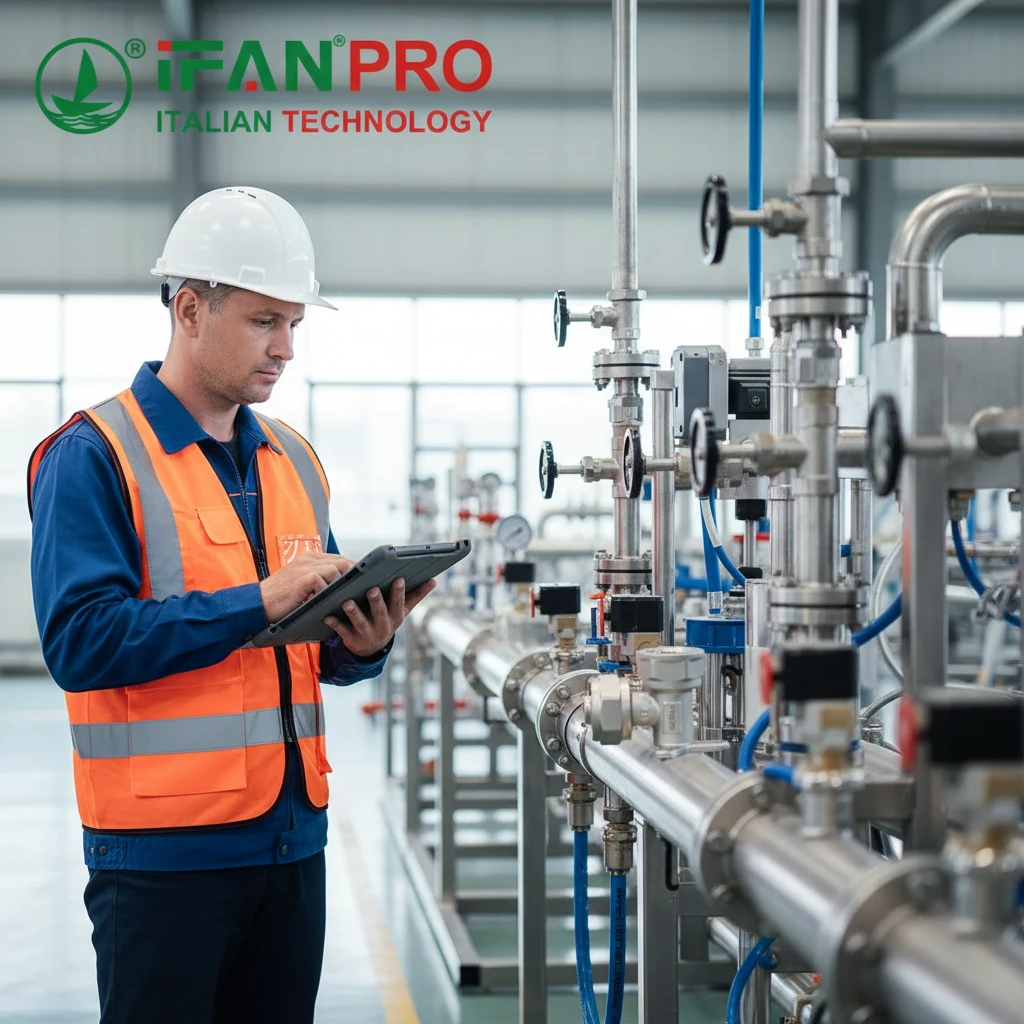
The Three-Stage Shield: Vetting, Audit, and QC
This is a layered defense system for your supply chain. Each stage adds a deeper level of security and insight.
Stage 1: Supplier Vetting (Desktop Verification)
This is the first filter. Before any visit, an expert will:
- Verify the business license and export credentials.
- Check the company’s registered capital and years in operation.
- Analyze their main export markets and product specialties.
- Review available certifications (ISO, etc.).
This basic check weeds out obvious fakes and helps match the factory’s profile with your project needs.
Stage 2: Factory Audit (On-Site Verification)
This is the critical step. An auditor visits the factory to assess real capabilities. A comprehensive audit covers:
A. Factory Capability Audit:
- Production Capacity: How many lines do they have? What is their real output per day?
- Equipment & Technology: Is their machinery modern and well-maintained?
- Workshop Environment: Is it clean, organized, and safe?
B. Quality System Audit:
- Do they have a documented quality control process?
- Do they perform incoming material checks?
- How do they handle non-conforming products?
C. Social Compliance Audit (Optional but Important):
- Are working conditions safe and ethical?
- This protects your brand from reputational risk.
The audit report gives you a clear “scorecard” of the factory’s strengths and weaknesses, helping you make an informed decision.
Stage 3: Consolidated Quality Control (Ongoing Verification)
Audits happen once; QC happens with every order. A sourcing expert’s QC is not the factory’s QC. It is your independent eyes on the ground.
- They use your specs: They inspect against your requirements, not the factory’s general standards.
- They follow AQL standards: They use statistically valid sampling plans to decide if a batch passes or fails.
- They provide evidence: Detailed reports with photos and measurements are provided before you approve shipment.
Turning Data into Security
The value is not just in having these reports, but in how the expert uses them. They build a database of factory performance. A factory that scores well on an audit but consistently fails QC will be downgraded. This continuous feedback loop ensures only the best-performing factories in their network get your business.
How Can They Provide Market Intelligence and Access to Innovative Suppliers?
Factories are experts at making what you ask for. Sourcing experts are experts at knowing what you should ask for, based on what’s possible and new in the market.
Sourcing experts provide market intelligence by continuously monitoring material costs, manufacturing trends, and new technologies across hundreds of factories. This allows them to advise you on cost-saving designs, alternative materials, and innovative features. Their deep network also gives you access to specialized, often smaller, innovative suppliers that are difficult to find and vet on your own.

Beyond Google: Real-Time Market Insights
Your Google search shows you what exists. A sourcing expert’s day-to-day work shows them what’s changing. They are the connective tissue between many buyers and many factories, giving them a unique panoramic view.
1. Cost and Material Intelligence:
- When raw material prices (like PP-R compounds) fluctuate, they know immediately and can advise on locking in prices or considering alternative grades.
- They see which components or processes are becoming cheaper or more expensive, allowing for value engineering on your product.
2. Process and Technology Trends:
- They know which factories have invested in new, more precise molding machines.
- They learn about new finishing techniques or testing equipment that can improve your product’s performance or appearance.
3. Regulatory and Compliance Updates:
- They stay informed about changing standards in different export markets (e.g., new EU regulations, updated GOST standards for Russia).
Finding the “Hidden Gem” Factories
The best factories are often busy. They don’t spend much on Alibaba ads or have polished sales teams. They are found through long-term relationships and industry reputation.
A sourcing expert’s network includes these “hidden gem” suppliers. These might be:
- A smaller factory that specializes in high-precision, custom fittings.
- A family-run workshop with exceptional craftsmanship for unique products.
- A new factory with the latest technology but no international sales track record yet.
An expert has already audited these factories. They understand their niche capabilities. For a buyer looking for something special or trying to solve a specific technical problem, this access is invaluable. The expert can connect you with the perfect, innovative partner you would never have found through a basic online search.
Does Their Negotiation Power and Logistical Management Lead to Better Total Cost?
The factory’s unit price is just one part of the cost. Hidden expenses in logistics, defects, and delays often erase a cheap initial quote.
Yes, a sourcing expert’s negotiation power and logistical management absolutely lead to a better total cost. They leverage the combined volume of all their clients to negotiate better unit prices with factories. More importantly, they manage the entire process to eliminate hidden costs from quality failures, shipping delays, customs issues, and inefficient logistics, ensuring the landed cost is optimized.

Understanding Total Landed Cost
Total cost isn’t just the price on the proforma invoice. It’s everything from the factory floor to your warehouse:
Total Landed Cost = Unit Price + Tooling/Mold Cost + Quality Failure Costs + Shipping/Freight Cost + Customs Duties & Taxes + Insurance + Handling & Storage + Cost of Delays
A sourcing expert optimizes every single one of these variables.
How Experts Drive Down Costs
1. Negotiation Power (Better Unit Price):
Factories offer their best prices to their biggest, most reliable customers. A sourcing expert consolidates orders from multiple clients, giving them the buying power of a much larger company. This means you get the “volume discount” even if your individual order is small.
2. Eliminating Cost of Failure (Better Quality Control):
A failed shipment is incredibly expensive. You lose the product value, pay for shipping twice, face project delays, and may lose customers. The expert’s rigorous QC prevents this. The cost of their inspection service is tiny compared to the cost of one major quality failure.
3. Optimizing Logistics (Better Freight & Handling):
Experts ship containers every week. They have strong relationships with freight forwarders and get better shipping rates than you could on your own. They also handle all documentation expertly, avoiding costly customs clearance delays or demurrage fees at the port.
4. Process Efficiency (Saving Your Time):
Your time has value. Managing a factory, coordinating inspections, and dealing with logistics across time zones is a huge hidden cost. An expert takes this entire burden off your team, allowing you to focus on your core business.
The Total Cost Comparison
Let’s look at a typical scenario for a 40-foot container of pipe fittings:
| Cost Component | Direct Factory Purchase | Purchase via Sourcing Expert | Notes |
|---|---|---|---|
| Product Unit Price | $30,000 | $29,000 | Expert’s volume discount. |
| Quality Failure (Rework/Return) | $1,500 (estimated risk) | $0 | Expert’s QC prevents failures. |
| International Shipping | $4,500 (one-off rate) | $4,000 (contract rate) | Expert’s negotiated freight. |
| Customs Delay Penalties | $300 (risk) | $0 | Expert ensures accurate docs. |
| Your Management Time (10 hrs x $50/hr) | $500 | $0 | Expert handles all coordination. |
| Total Landed Cost | $36,300 | $33,000 | Expert saves $3,300 (9%). |
As the table shows, the expert’s higher service fee is more than offset by savings and risk reduction across the entire process. You get a more reliable outcome for a lower true total cost.
Заключение
Partnering with a sourcing expert like ИФАН provides a safer, smarter, and more cost-effective supply chain than dealing with a single factory. For your next project in pipe fittings, leverage our expertise in supplier management, quality control, and logistics.










 Русский
  English
  Français
  Español
Последние комментарии