
Selecting the right pipe material can make or break your plumbing system. The wrong choice leads to costly repairs, water damage, and endless headaches. This guide examines the top pipe materials to help you make an informed decision.
Top Pipe Materials for Modern Plumbing
PEX (Cross-Linked Polyethylene)
PEX dominates residential plumbing for good reasons. It’s flexible, freeze-resistant, and easy to install. The material costs less than copper while delivering excellent performance.
Advantages:
- Flexible installation around corners
- Resists freezing and bursting
- Lower material and labor costs
- Excellent for retrofitting old homes
Disadvantages:
- Cannot be used outdoors (UV sensitive)
- Not suitable for hot water recirculation systems
- Limited lifespan compared to copper
Copper Pipes
Copper remains the gold standard for durability and reliability. This material has served plumbing systems for over 80 years with proven results.
Type L copper works best for most residential applications. It offers the right balance of thickness and cost-effectiveness.
Advantages:
- Exceptional longevity (50-70 years)
- Naturally antimicrobial
- Handles high temperatures and pressure
- Recyclable and environmentally friendly
Disadvantages:
- Higher upfront costs
- Requires skilled installation
- Can corrode in acidic water conditions
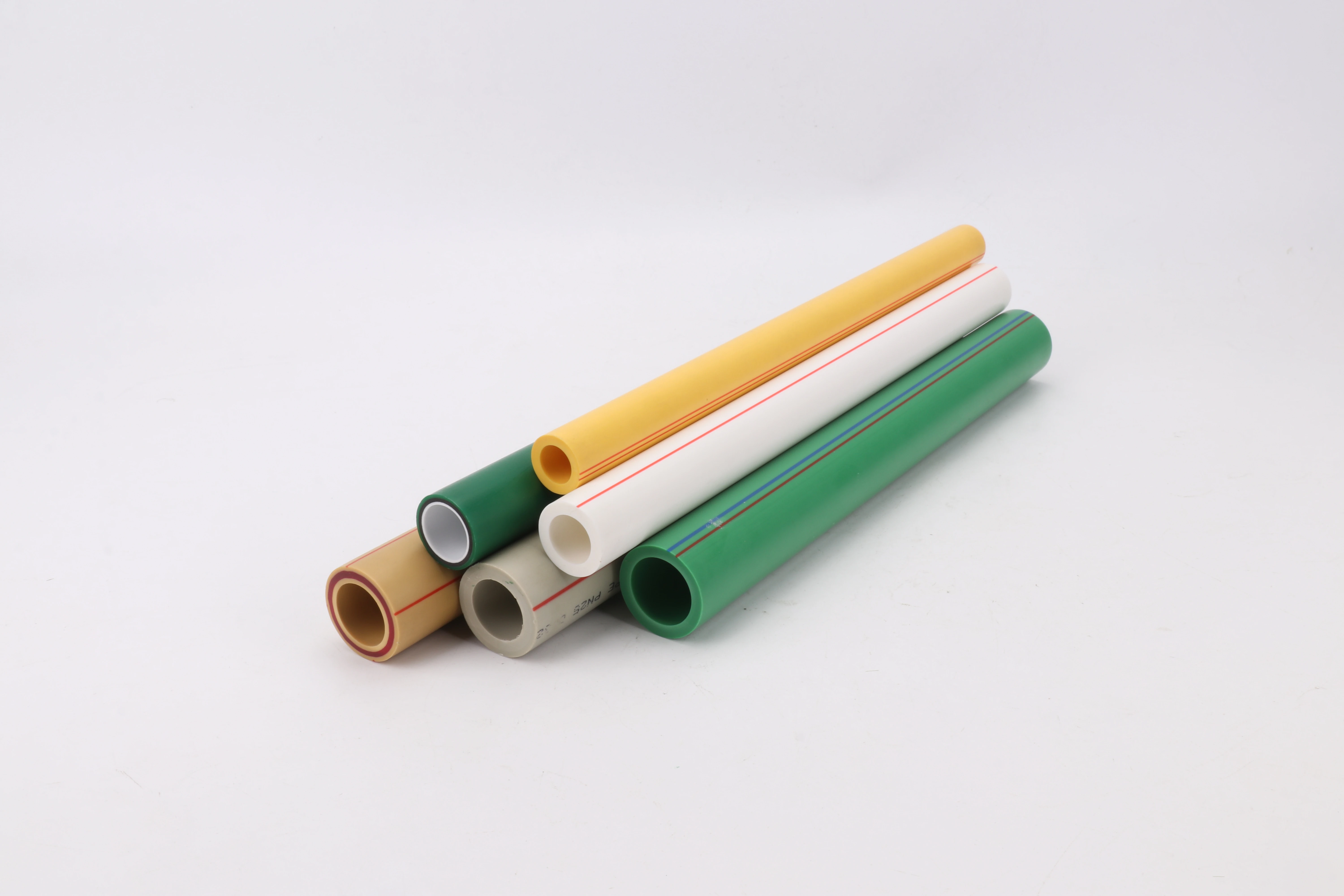
CPVC (Chlorinated Polyvinyl Chloride)
CPVC handles hot water better than standard PVC. It’s become popular for both hot and cold water systems in residential settings.
Advantages:
- Heat resistant up to 200°F
- Lightweight and easy to cut
- Corrosion resistant
- Cost-effective installation
Disadvantages:
- Brittle in cold temperatures
- Limited fitting options
- Can crack under pressure
PVC (Polyvinyl Chloride)
PVC excels in drainage and vent applications. Most building codes restrict its use to cold water systems only.
Best applications:
- Drain, waste, and vent (DWV) systems
- Underground water mains
- Irrigation systems
Choosing the Right Pipe for Your Project
Water Supply Lines
Best choice: PEX or Copper
PEX works excellently for most residential water supply systems. Choose copper for high-end applications or areas with extreme temperature variations.
Системы горячего водоснабжения
Best choice: Copper or CPVC
Copper handles high temperatures without degradation. CPVC offers a budget-friendly alternative with good heat resistance.
Drainage Systems
Best choice: PVC or ABS
PVC provides excellent chemical resistance for waste systems. ABS works well in colder climates where flexibility matters.
Cost Comparison Guide
| Материал | Cost per Foot | Installation Difficulty | Lifespan |
|---|---|---|---|
| PEX | $0.50-$2.00 | Easy | 25-40 years |
| Copper | $2.00-$4.00 | Moderate | 50-70 years |
| CPVC | $0.75-$1.50 | Easy | 25-40 years |
| PVC | $0.50-$1.00 | Easy | 25-40 years |
Installation Considerations
DIY vs Professional Installation
PEX and CPVC allow for easier DIY installation. Copper requires soldering skills and professional expertise for best results.
Local Building Codes
Always check local codes before selecting pipe materials. Some areas restrict certain materials or require specific grades.
Water Quality Impact
Hard water areas benefit from PEX or CPVC over copper. These materials resist mineral buildup and corrosion better.
Professional Recommendations
Most plumbing professionals recommend PEX for residential water supply systems. It combines affordability, durability, and ease of installation.
For commercial applications, copper often provides the best long-term value despite higher upfront costs.
Custom Piping Solutions
Complex plumbing projects may require specialized pipe materials or custom configurations. Professional pipe manufacturers can provide tailored solutions for unique applications.
Consider factors like:
- Operating pressure requirements
- Temperature ranges
- Chemical compatibility
- Installation constraints
- Budget parameters
Making Your Final Decision
The “best” pipe depends on your specific situation. Consider these key factors:
- Budget constraints – PEX offers the best value for most homes
- Longevity needs – Copper provides maximum lifespan
- Installation complexity – PEX and CPVC install easily
- Local climate – Cold areas benefit from freeze-resistant materials
- Water quality – Hard water areas need corrosion-resistant options
Заключение
PEX stands out as the best overall choice for most residential plumbing projects. It balances cost, performance, and installation ease effectively.
Copper remains superior for high-end applications where maximum durability justifies the higher cost.
CPVC works well for budget-conscious projects with moderate temperature requirements.
Choose based on your specific needs, budget, and local conditions. When in doubt, consult with professional plumbers who understand your local requirements and water conditions.
The right pipe material protects your investment and ensures reliable water delivery for decades to come.









 Русский
  English
  Français
  Español
Последние комментарии