
Bathroom hoses are essential components that connect your fixtures to water supply lines. These flexible connectors ensure reliable water flow while accommodating movement and vibration. Understanding different types helps you make informed decisions for your bathroom projects.
Types of Bathroom Hoses
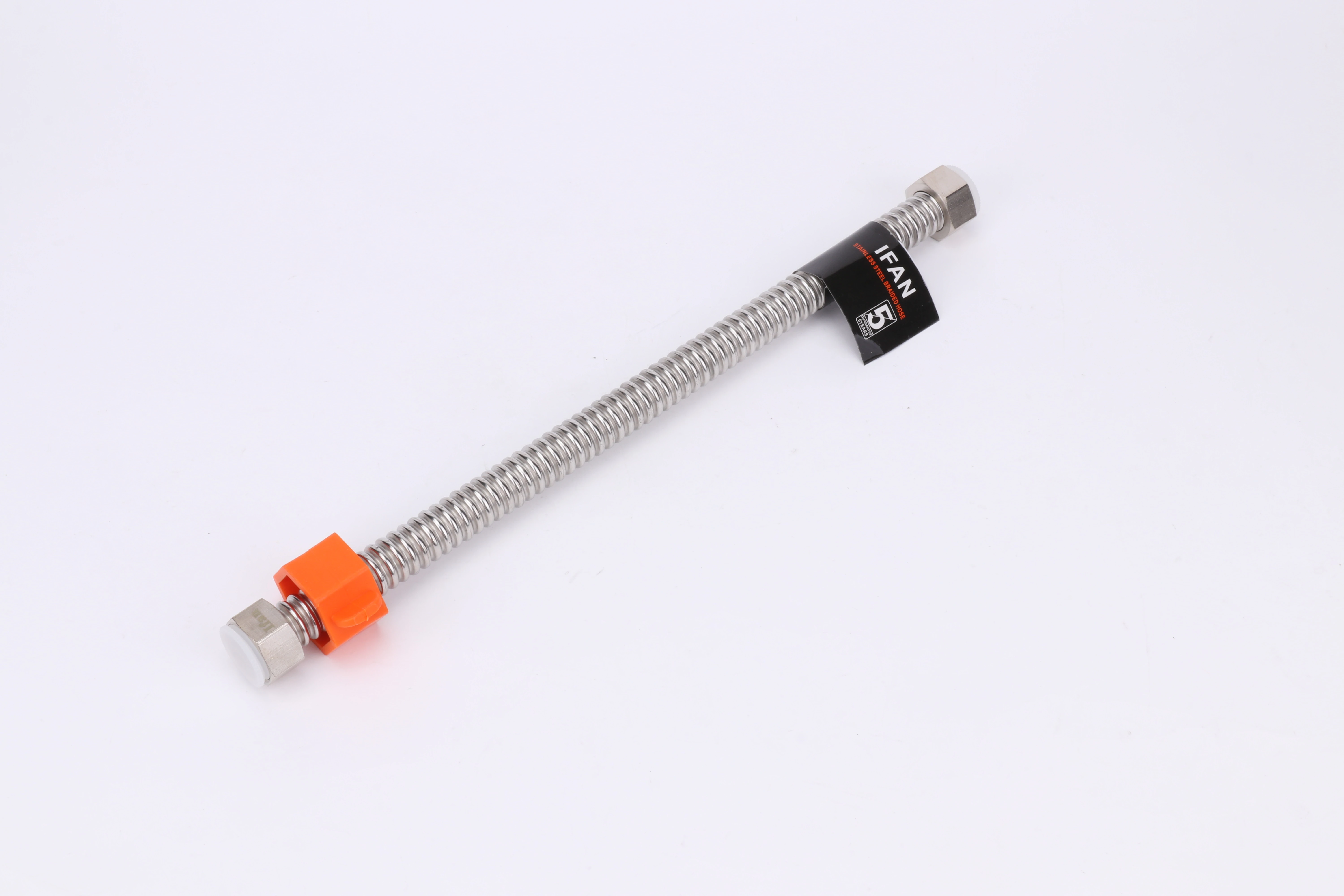
Braided stainless steel hoses offer superior durability and corrosion resistance. They handle high water pressure effectively. The braided exterior provides additional protection against kinks and damage.
Flexible polymer hoses cost less but have shorter lifespans. They work well for temporary installations or budget-conscious projects. However, they may crack under extreme temperatures.
Reinforced rubber hoses provide excellent flexibility. They resist chemical damage from cleaning products. These hoses work particularly well in commercial bathroom applications.
Key Applications in Bathroom Settings
Toilet supply lines require reliable hoses that prevent leaks. Standard lengths range from 12 to 20 inches. Choose hoses with proper threading to match your toilet’s inlet valve.
Sink faucet connections need hoses that handle daily use. Hot and cold water lines require different specifications. Temperature ratings matter significantly for hot water applications.
Bidet installations demand specialized hoses. Water pressure requirements vary by model. Custom lengths often improve installation aesthetics and functionality.
Installation Best Practices
Turn off water supply before starting any hose replacement. Drain existing water from lines to prevent spills. Use proper tools to avoid damaging threaded connections.
Hand-tighten connections first, then use tools for final tightening. Over-tightening can damage threads or compression fittings. Check manufacturer specifications for torque requirements.
Test connections thoroughly after installation. Look for drips or moisture around fittings. Small leaks can cause significant water damage over time.
Maintenance and Troubleshooting
Inspect hoses annually for signs of wear or damage. Bulging, cracking, or corrosion indicates replacement needs. Address issues promptly to prevent water damage.
Clean mineral deposits from connections regularly. Hard water areas require more frequent maintenance. Use appropriate cleaning solutions that won’t damage hose materials.
Replace hoses every 5-7 years as preventive maintenance. Age deteriorates materials even without visible damage. This prevents unexpected failures and costly repairs.
Selecting the Right Hose Length and Size
Measure existing hoses before purchasing replacements. Standard sizes include 3/8-inch and 1/2-inch diameters. Length should provide slight slack without excessive coiling.
Custom applications may require non-standard dimensions. Professional plumbers can recommend appropriate specifications. Ifan Ultra provides customization services for unique bathroom requirements.
Consider future maintenance access when selecting hose lengths. Tight spaces make replacements more difficult. Plan for easy access during routine maintenance.
Professional vs DIY Installation
Simple hose replacements suit most DIY skill levels. Basic tools include adjustable wrenches and thread sealant. Follow manufacturer instructions carefully for best results.
Complex installations require professional expertise. Multiple fixture connections increase complexity significantly. Licensed plumbers ensure code compliance and proper installation.
Custom bathroom projects often benefit from professional consultation. Unique layouts may require specialized solutions. Expert advice prevents costly mistakes and ensures optimal performance.
Cost Considerations and Quality Factors
Quality hoses cost more initially but provide better long-term value. Cheap alternatives often fail prematurely. Factor replacement costs and potential water damage into your decision.
Stainless steel braided hoses offer the best durability-to-cost ratio. They resist corrosion and handle pressure fluctuations well. Investment in quality pays off through reduced maintenance needs.
Bulk purchases reduce per-unit costs for contractors. Wholesale pricing makes professional installations more profitable. Consider buying extra hoses for future maintenance needs.
Safety and Code Compliance
Local plumbing codes specify acceptable hose types and installation methods. Check requirements before purchasing materials. Non-compliant installations may require costly corrections.
Pressure ratings must match or exceed system requirements. Under-rated hoses can burst and cause flooding. Always verify specifications with water system pressure.
Lead-free materials are required in potable water applications. Verify certifications before installation. Health regulations strictly govern drinking water system components.
Заключение
Selecting appropriate bathroom hoses ensures reliable water connections and prevents costly failures. Quality materials, proper installation, and regular maintenance extend service life significantly. Consider professional consultation for complex projects or custom applications requiring specialized solutions.








 Русский
  English
  Français
  Español
Последние комментарии