
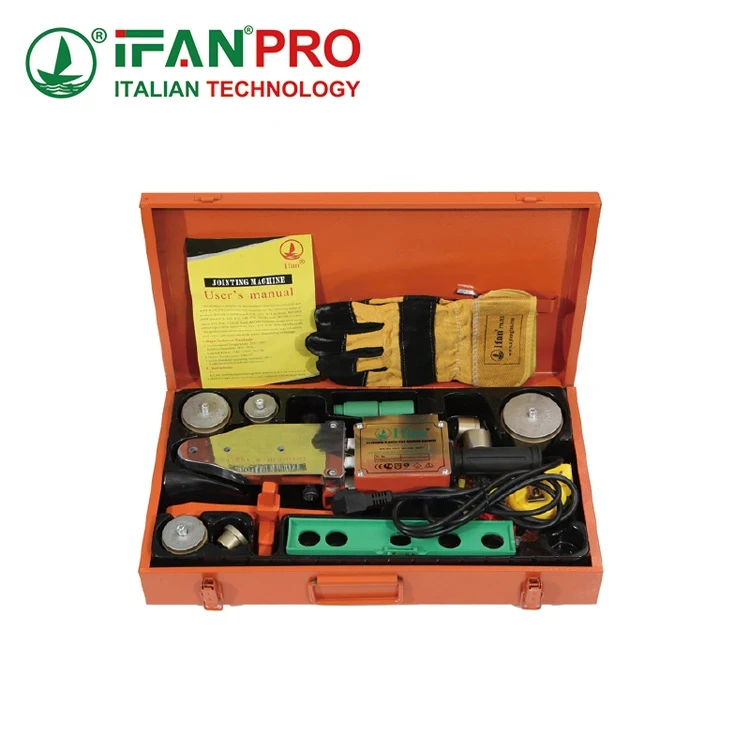
I’ve seen technicians struggle with broken boxes and lost tools on job sites. Choosing the right portable tool box isn’t about storage; it’s about protecting your livelihood and working efficiently.
Portable tool boxes are essential mobile storage units that carry, protect, and organize tools for work. They come in various types—like handheld boxes, rolling tool chests, and modular tool bags—each designed to meet the specific needs of different trades, from electricians to automotive technicians.
The right box saves time, reduces frustration, and makes a professional statement. Let’s break down how to find the perfect one for your work.
What are the main types of portable tool boxes for different trades?
A carpenter and an HVAC technician don’t need the same tools, so why would they use the same box? Matching the box to the trade is the first step to efficiency.
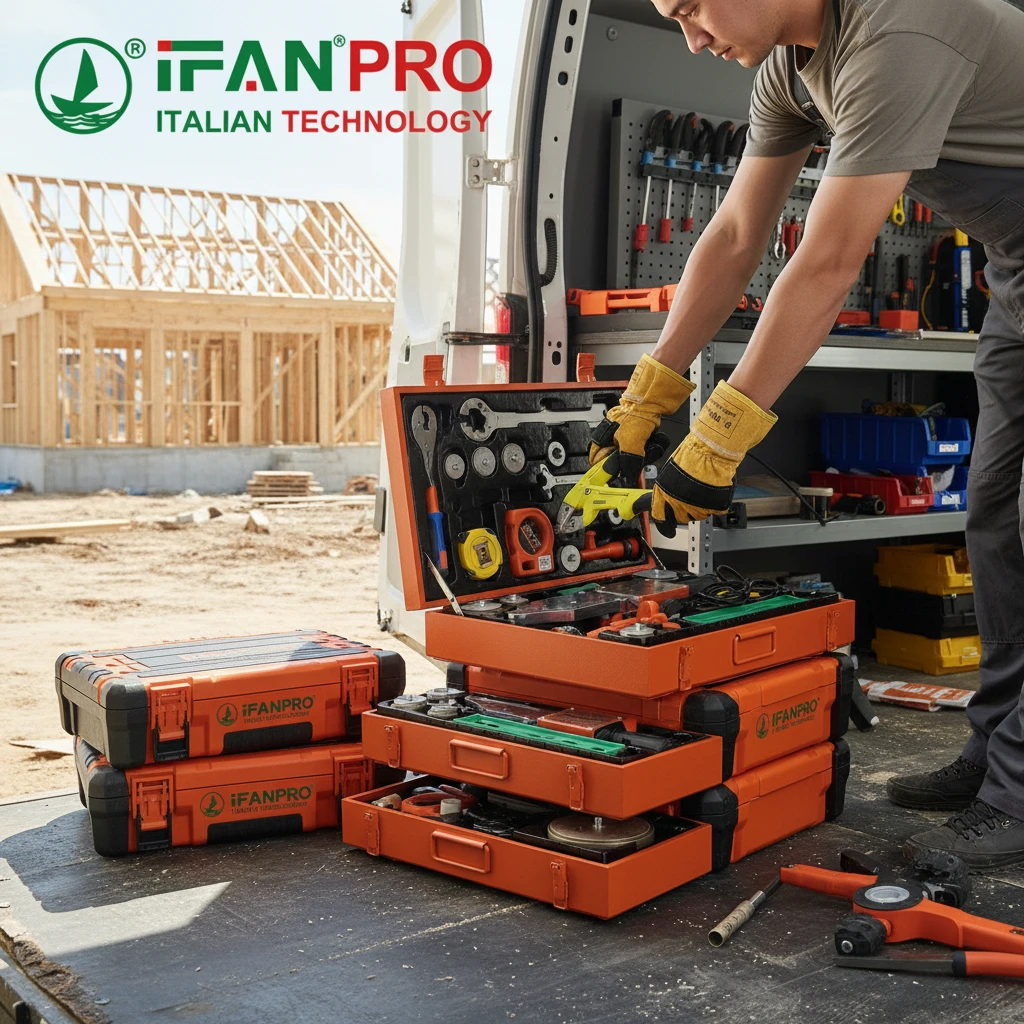
The main types include compact handheld boxes for basic kits, versatile tool bags for frequent access, heavy-duty rolling chests for large tool sets, and modular systems with customizable organizers. Electricians often prefer bags for parts, mechanics need rolling chests for heavy wrenches, and construction workers use rugged boxes for durability.
Understanding the Toolbox Categories
Each trade has unique demands based on tool size, quantity, job site mobility, and access needs. Here are the primary portable tool box types and their best applications.
First, we have the Classic Hand-Carry Box. This is the simple, hard-bodied box with a handle on top. It’s great for a focused set of tools. Think of a plumber going to a service call with just wrenches, sealants, and a few essential parts. It’s sturdy and protects tools from weather and impacts, but it can get heavy to carry if overloaded.
Second, the Tool Bag or Tote is very popular. Made from heavy-duty fabric like canvas or reinforced nylon, it’s lightweight and flexible. Many have numerous pockets. An electrician loves this because they can have screwdrivers, wire strippers, and terminal blocks all in separate, visible pockets. It’s easy to carry up a ladder. However, it offers less crush protection than a hard box.
Third, for the professional with lots of heavy tools, the Rolling Tool Chest or Cart is the answer. These are large, multi-drawer units on wheels. An automotive technician uses this to roll their entire socket set, power tools, and specialty tools right up to the vehicle. It holds the most weight and offers superb organization but is the least portable for stairs or tight spaces.
Trade-Specific Toolbox Recommendations
The table below shows which type typically works best for common professions.
| Trade | Primary Tool Type | Recommended Portable Box | Key Reason |
|---|---|---|---|
| Electrician | Many small parts, hand tools, testers | Multi-pocket Tool Bag | Easy access to many small items; lightweight for climbing. |
| Automotive Technician | Heavy wrenches, sockets, power tools | Rolling Tool Chest | Carries extreme weight; organizes hundreds of tools. |
| General Contractor | Power tools, hammers, measuring tapes | Large Hand-Carry Box or Rolling Box | Rugged protection for bulky, expensive tools on rough sites. |
| HVAC Technician | Refrigeration gauges, tubing tools, drills | Medium Tool Box or Open Tote | Protects sensitive gauges; fits odd-shaped tools. |
| Carpenter | Saws, drills, levels, fasteners | Jobsite Tote with Dividers | Keeps nails/screws separate; easy to carry around a frame. |
Finally, the Modular System is growing in popularity. This involves a central rolling unit that connects to stackable boxes or parts organizers. A field service engineer might use this. They can have one module for electronic testing equipment, another for common hand tools, and a third for documentation. It’s highly customizable and scalable as your tool collection grows.
Choosing the wrong type leads to daily frustration. A mechanic using a small hand-carry box will make endless trips to the van. An electrician using a solid box will waste time digging for small connectors. Know your core tools and your daily movement pattern first.
How do you choose a durable and portable tool box for heavy tools?
Nothing is worse than a box failing and spilling your expensive tools on concrete. For heavy tools, durability isn’t a feature; it’s a requirement.
You choose a durable box for heavy tools by focusing on the material strength, weight capacity, latch quality, and wheel design (if applicable). Look for boxes made from structural resin or reinforced aluminum, with robust, double-walled construction, industrial-grade latches, and strong wheels with good bearings for smooth rolling under load.

Evaluating Construction and Materials
When your tools are heavy, every component of the box is under stress. You must examine the box like a piece of equipment, not just a container.
Start with the Материал. For hard boxes, avoid thin, brittle plastic. You want structural resin or polypropylene. These materials are impact-resistant and won’t crack in cold weather. For the highest durability, some boxes use reinforced aluminum, which is very strong but also lighter than steel and won’t rust. Check the wall thickness; double-walled construction is a sign of quality.
Next, examine the Load Capacity. A good manufacturer will list a maximum weight rating. Do not guess. Add up the weight of the tools you plan to carry. Your box’s rating should be significantly higher than that total. The handle is a critical point of failure. For heavy rolling chests, the handle should be steel-reinforced and feel solid when you pull it up a curb.
Critical Components for Heavy-Duty Use
The devil is in the details. Small parts fail first under heavy use.
- Latches and Hinges: These are the most common failure points. Flimsy latches will pop open. Look for thick, metal latches or robust, over-center clamps. Hinges should be supported by multiple, heavy-duty pins. Piano-style hinges running the full length of the box are very strong.
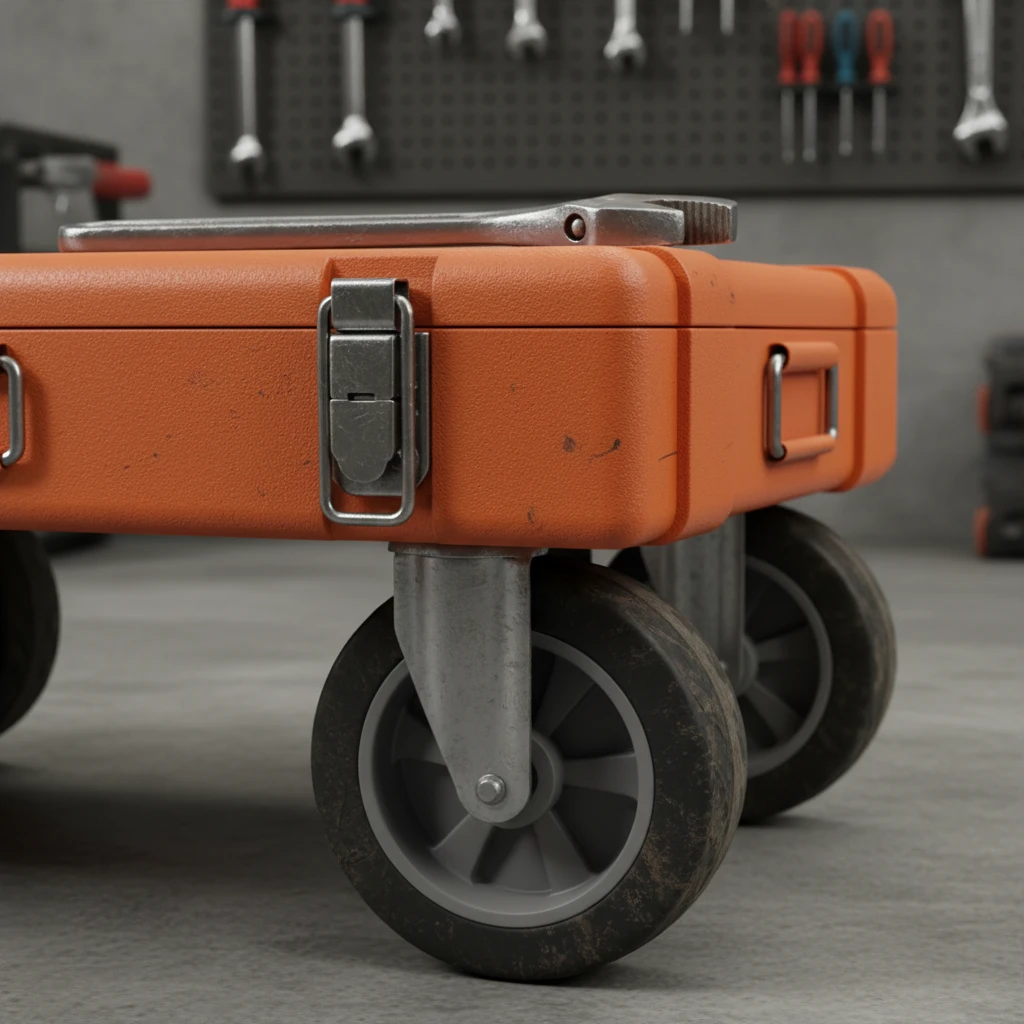
- Wheels and Axles: For rolling units, wheels are vital. Small, solid plastic wheels are terrible on rough ground. You want large, pneumatic (air-filled) or soft-tread rubber wheels. They absorb shock and roll easily. Check that the axle is metal, not plastic, and that the wheels have sealed bearings for smooth rolling.
- Corners and Edges: The box should have reinforced metal or thick plastic corners. These protect the box during bumps and drops. A molded-in handle that’s part of the shell is often stronger than an attached one.
Durability Checklist Table
Use this checklist when evaluating a box for heavy tools.
| Feature | What to Look For | Why It Matters |
|---|---|---|
| Body Material | Thick, double-walled structural resin or aluminum. | Resists cracking and deformation under heavy loads. |
| Load Rating | Clearly stated capacity (e.g., 150 lbs). Exceeds your tool weight. | Ensures the box is engineered for your specific load. |
| Latches | Metal, spring-loaded, or over-center clamp style. | Prevents accidental opening and spillage. |
| Hinges | Multiple, heavy-duty pin hinges or full-length piano hinge. | Supports the lid’s weight and repeated use. |
| Wheels (if any) | Large diameter (8”+), pneumatic or soft rubber, with metal axle. | Rolls easily over obstacles, reduces strain on your body. |
| Handle | Steel-reinforced, ergonomic grip, securely bolted. | Won’t break or detach when lifting or pulling a full load. |
Remember, portability for heavy tools means easy mobility, not necessarily light weight. A well-designed rolling chest with good wheels makes 200 lbs of tools feel manageable. A poorly designed one makes 50 lbs feel like a burden. Invest in the best carrying or rolling system you can afford—it protects your tools and your back.
What features organize tools best in a portable tool box?
A tool box where you can’t find anything is just a heavy container. Smart organization turns your box into a efficient mobile workshop.
The best organizational features are customizable dividers, removable small parts organizers, dedicated holders for specific tools, and clear lid storage. Removable trays let you group task-specific tools, wrench rolls keep sizes ordered, and clear pockets or bins make small parts instantly visible, saving crucial time on the job.
Principles of Effective Tool Organization
Good organization serves one master: speed. You need to find the right tool or part in seconds, not minutes. This requires a mix of fixed and flexible systems.
The most important feature is Customizable Interior Space. A large, empty cavity is useless. Look for boxes with movable dividers or slotted channels that allow you to create compartments of different sizes. This lets you create a perfect spot for a large drill next to a section for screwdriver bits. For small parts like screws, nails, or electrical connectors, removable multi-compartment organizers are essential. You can take out just the bin you need or refill it at your bench.
Top Organization Features to Seek
Different tools demand different storage solutions. A one-size-fits-all approach fails.
- Tool-Specific Holders: These are molded or attached clips for specific tools. A common example is drill bit holders or wrench racks built into the lid. Some bags have elastic loops to hold screwdrivers and pliers upright. This prevents tools from banging together and getting damaged.
- Clear Storage and Labeling: “Out of sight, out of mind” is true for tools. Clear plastic bins for small parts let you see your stock at a glance. For drawers or bins that aren’t clear, use a label maker. Knowing exactly where the 10mm socket or the 3/8″ drill bit is saves enormous frustration.
- Lid Utilization: Don’t waste the lid space. Many boxes have storage pockets or elastic panels on the inside of the lid. This is the perfect place for frequently used items, cheat sheets, safety glasses, or measuring tapes. It’s the first thing you see when you open the box.
- Modular Layer System: The best organization happens in layers. A box might have a removable top tray for the most common hand tools. Underneath, you have deeper space for power tools or larger items. This separates daily-use items from specialty tools.
Organization Feature Comparison Table
Here’s how different features solve specific clutter problems.
| Organization Problem | Best Feature Solution | Example of Use |
|---|---|---|
| Small parts mixing together | Removable multi-compartment bins with clear lids. | Storing different types/sizes of screws, bolts, or wire nuts. |
| Tools rattling and getting damaged | Custom foam inserts or tool-specific elastic holders. | Protecting precision calipers, gauges, or expensive meter leads. |
| Frequently used tools are buried | Removable top tray or lid organizers. | Keeping a hammer, utility knife, tape measure, and pencils on top. |
| Long items rolling around | Dedicated clips or straps along the side or lid. | Securing levels, hacksaws, or long screwdrivers. |
| Need to take a subset of tools to a tight space | Removable tool pouch or small parts caddy. | An electrician taking just a few tools into a ceiling crawl space. |
Finally, remember to organize for your workflow. Group all tools for a specific task together. For instance, put all faucet repair tools—basin wrench, seat wrench, packing string—in one tray or section. This “task-based” organization is more efficient than grouping all wrenches or all pliers together. It turns your tool box into a system that actively helps you complete jobs faster.
Why are portable tool boxes essential for professional service technicians?
For a service technician, their tool box is their command center. It’s the difference between a smooth, profitable day and a chaotic, stressful one.
Portable tool boxes are essential because they provide guaranteed access to the right tool at the job site, protect a major financial investment in equipment, project a professional image to clients, and drastically improve work efficiency and time management by eliminating trips to a vehicle or shop.
The Core Professional Necessities
A service technician—whether for appliances, HVAC, or IT—works at the client’s location. Their productivity depends entirely on what they can bring to the point of service. A portable tool box is the enabling technology for this mobile work style.
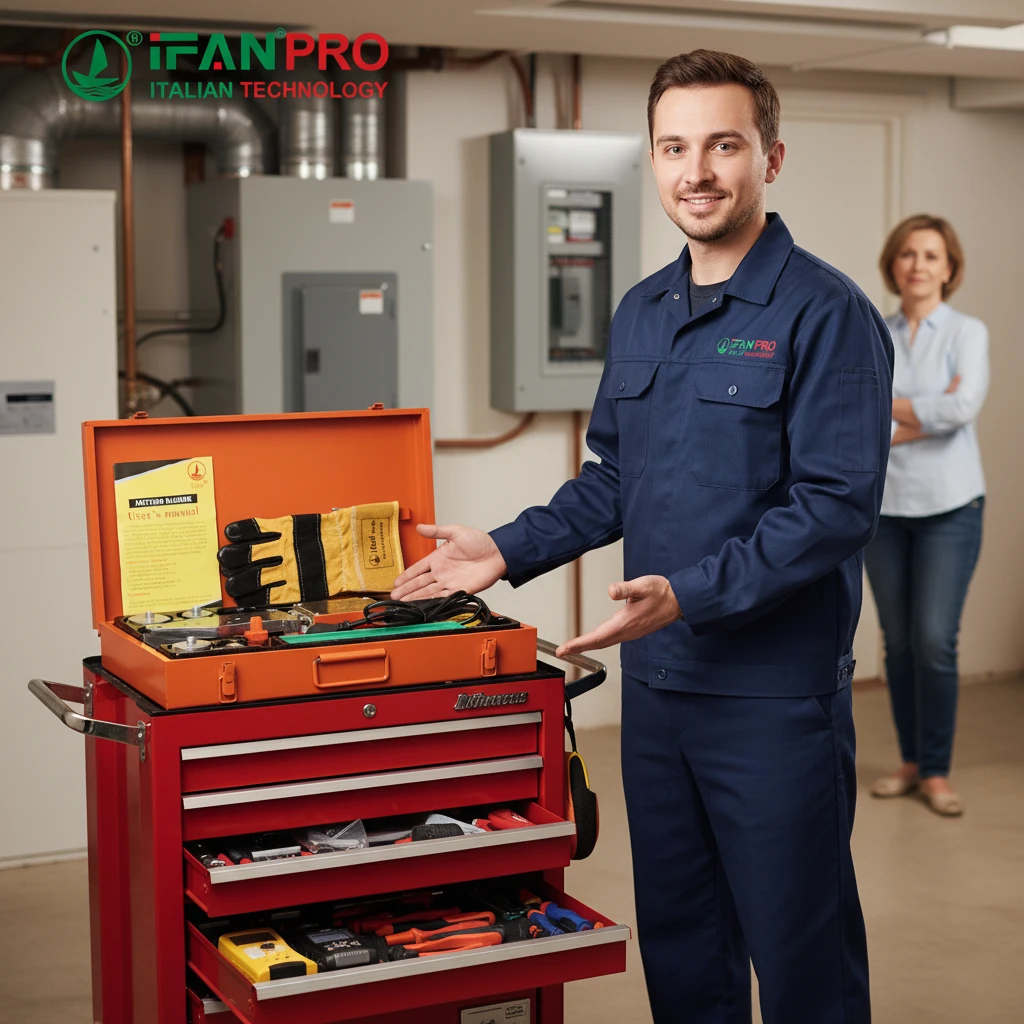
First, it’s about Access and Efficiency. Time is money. A technician with a well-organized rolling chest can bring 95% of what they might need right to the doorstep. They don’t waste 15 minutes walking back and forth to the van for every other tool. This allows them to complete more jobs per day. Having everything at hand also lets them adapt to unexpected problems on the spot, without delaying the job.
Second, it’s about Asset Protection. A technician’s tools can be worth tens of thousands of dollars. These are not just objects; they are the means of generating income. A durable, lockable tool box protects this investment from theft, loss, and damage from weather or rough handling. It’s a mobile safe for their livelihood.
Building Trust and Professionalism
The impact goes beyond pure function to perception.
- Professional Image: Arriving with a clean, organized tool box makes a strong first impression. It signals competence, orderliness, and respect for the trade. A client sees a professional who values their equipment. In contrast, fumbling through a messy bag or a cardboard box looks amateurish and can undermine trust.
- Accountability and Inventory: A dedicated tool box helps technicians keep track of their inventory. They know where every tool should be. At the end of a job, they can quickly do a visual check to ensure nothing is left behind at the client’s property. This saves money and prevents callbacks.
- Ergonomics and Safety: A good portable system reduces physical strain. Rolling a heavy load is safer and healthier than carrying it. Proper organization also means less digging around with sharp tools, reducing the chance of cuts. Everything has a place, so tripping hazards are minimized.
The Cost of Not Having a Proper System
Let’s analyze the real-world impact through common technician pain points.
| Common Pain Point | How a Proper Portable Tool Box Solves It |
|---|---|
| “I waste time looking for tools.” | Custom organizers and a place for every tool make items instantly findable. |
| “My tools get damaged in transit.” | Hard-case boxes with foam or dividers prevent tools from crashing together. |
| “I look unprofessional with a messy bag.” | A structured, clean box presents an image of expertise and reliability. |
| “My back hurts from carrying my kit.” | Ergonomic handles and large wheels distribute weight and enable easy rolling. |
| “I’ve lost expensive tools on a job site.” | Secure, lockable compartments and a clear inventory system prevent loss. |
In short, a portable tool box transforms a collection of tools into a mobile service platform. It ensures the technician is prepared, protected, and productive. It directly impacts their earning potential, job satisfaction, and professional reputation. For anyone making a living at client sites, it is not an optional accessory; it is a fundamental piece of professional equipment.
Заключение
The right portable tool box boosts efficiency, protects your investment, and builds professional trust. For durable, intelligently organized solutions built for real-world service, explore the ИФАН range of technician-ready tool storage systems.










 Русский
  English
  Français
  Español
Последние комментарии