
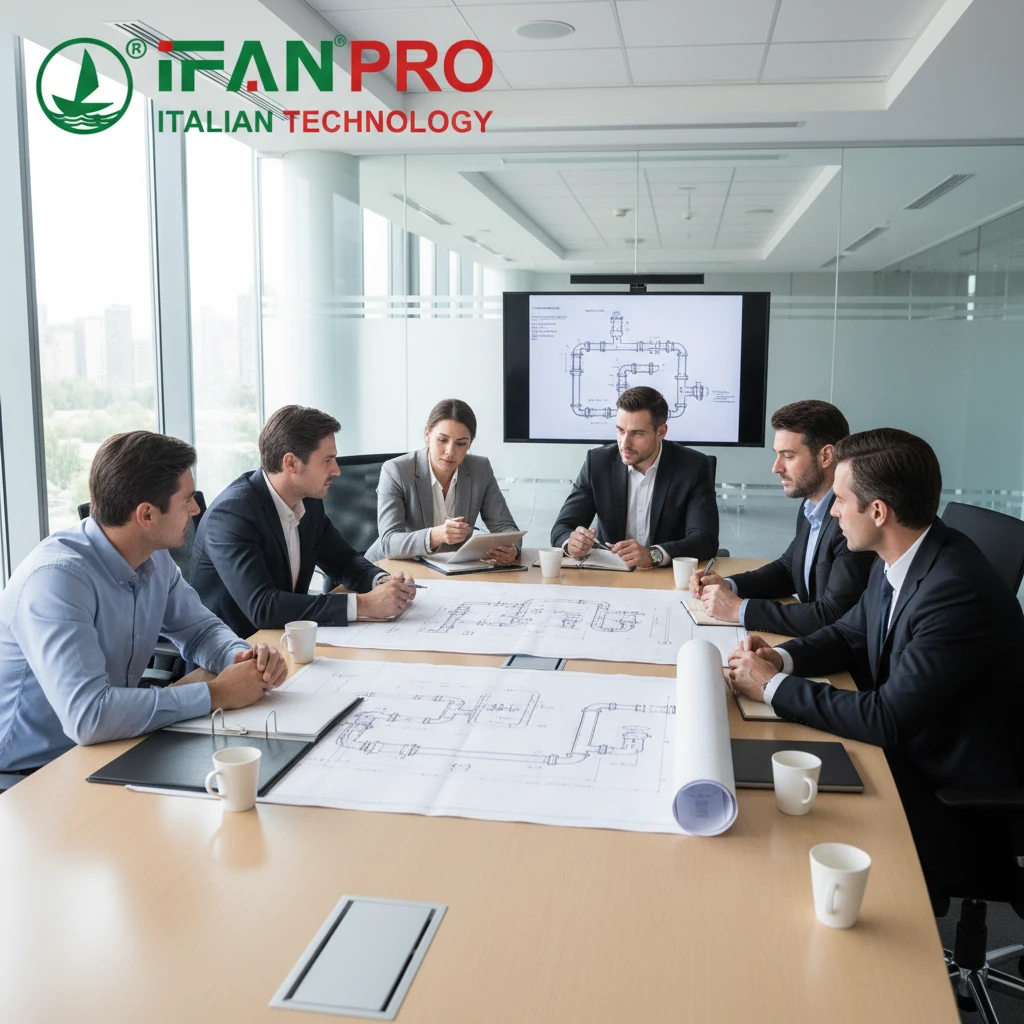
I once wasted months with a supplier whose salesperson couldn’t answer basic technical questions. That project taught me that real engineering support is the backbone of a successful partnership, not a nice-to-have.
You evaluate a supplier’s engineering support by testing their proactive expertise during your design phase, demanding proof of compliance, and verifying their structured process for post-order support. True capability is shown not in promises, but in documented evidence and systematic problem-solving before issues arise.
Choosing the wrong partner here leads to costly delays and defects. Let’s break down the four key areas you must scrutinize.
Does the Supplier Offer Technical Consulting for Custom or Complex Specifications?
A “yes” is easy. A detailed, competent answer is rare. This first filter separates order-takers from true partners.
A capable supplier offers proactive technical consulting by assigning a dedicated engineer or technically trained project manager to review your specs, identify potential manufacturability or performance issues early, and propose viable, cost-effective solutions or material alternatives to meet your core requirements.
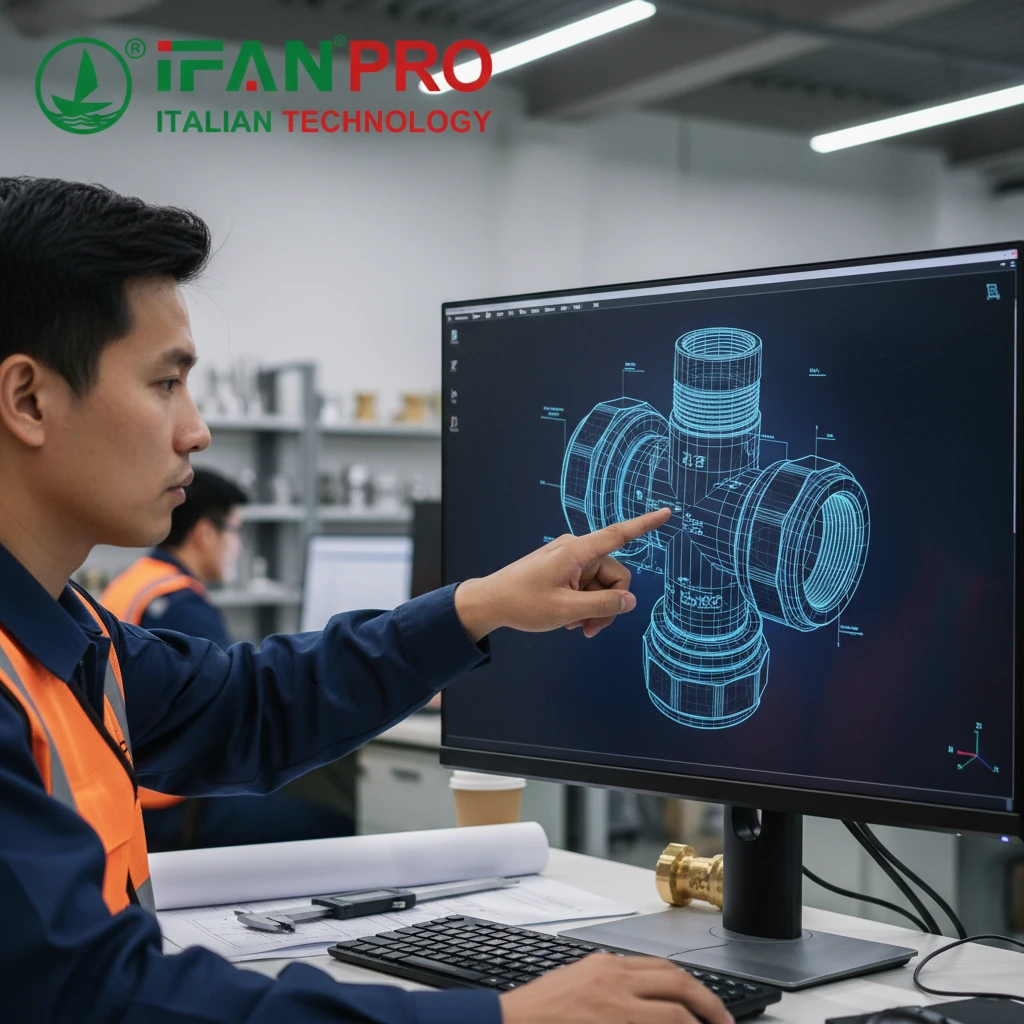
Moving Beyond Sales Talk to Engineering Dialogue
The initial inquiry stage is your best window into their competence. When you send a complex drawing or a tight specification, watch their response closely. A weak supplier will simply quote the price and lead time based on your file, assuming everything is feasible. A strong supplier will start a technical dialogue.
Here is what genuine consulting looks like:
- They ask clarifying questions. “You specified Material Grade X for high pressure. Considering your operating temperature, Grade Y might offer better long-term stability. May we discuss?”
- They highlight potential challenges. “Your requested tolerance of ±0.05mm on this dimension is very tight for injection molding and will increase cost. The standard ±0.1mm is typically sufficient for sealing. Can we confirm the functional need?”
- They provide constructive alternatives. “Your design uses a sharp internal corner, which is a stress point and difficult to mold. We recommend adding a fillet radius of R1.5mm to improve strength and manufacturability at no extra cost.”
Common Pitfalls and How to Spot Them
Many buyers encounter these frustrating scenarios:
- The Black Box Quote: You get a price back with no questions asked. This is a major red flag. It often means they will try to make it as quoted, fail, and then request costly changes later.
- The Vague Promise: “Yes, we can do that.” Always press for details. How will they do it? What specific process or material ensures it?
- The Delayed Problem: Issues with the design only surface during production, causing expensive delays.
Practical Advice: To test this, include a deliberately challenging or ambiguous requirement in your RFQ. Observe if they identify it and how they propose to solve it. Their response will tell you more than any company brochure.
Key Questions to Ask Them Directly:
- “Can you walk me through how you would review this specification for manufacturability?”
- “Who will be my main technical point of contact—a salesperson or an engineer?”
- “Can you share an example where you helped a client optimize a design for better performance or cost?”
A supplier’s willingness and ability to engage at this level is the first true test of their engineering support value.
How Responsive and Expert is Their Support During the Design and RFQ Phase?
Speed without accuracy is dangerous. You need timely responses that are also technically correct.
Evaluate responsiveness and expertise by measuring the time it takes to receive a substantive reply to technical queries and the depth of knowledge displayed. A capable team provides clear, accurate answers within one business day, often leveraging standard calculation tools, CAD models, or pre-existing test data to support their recommendations.
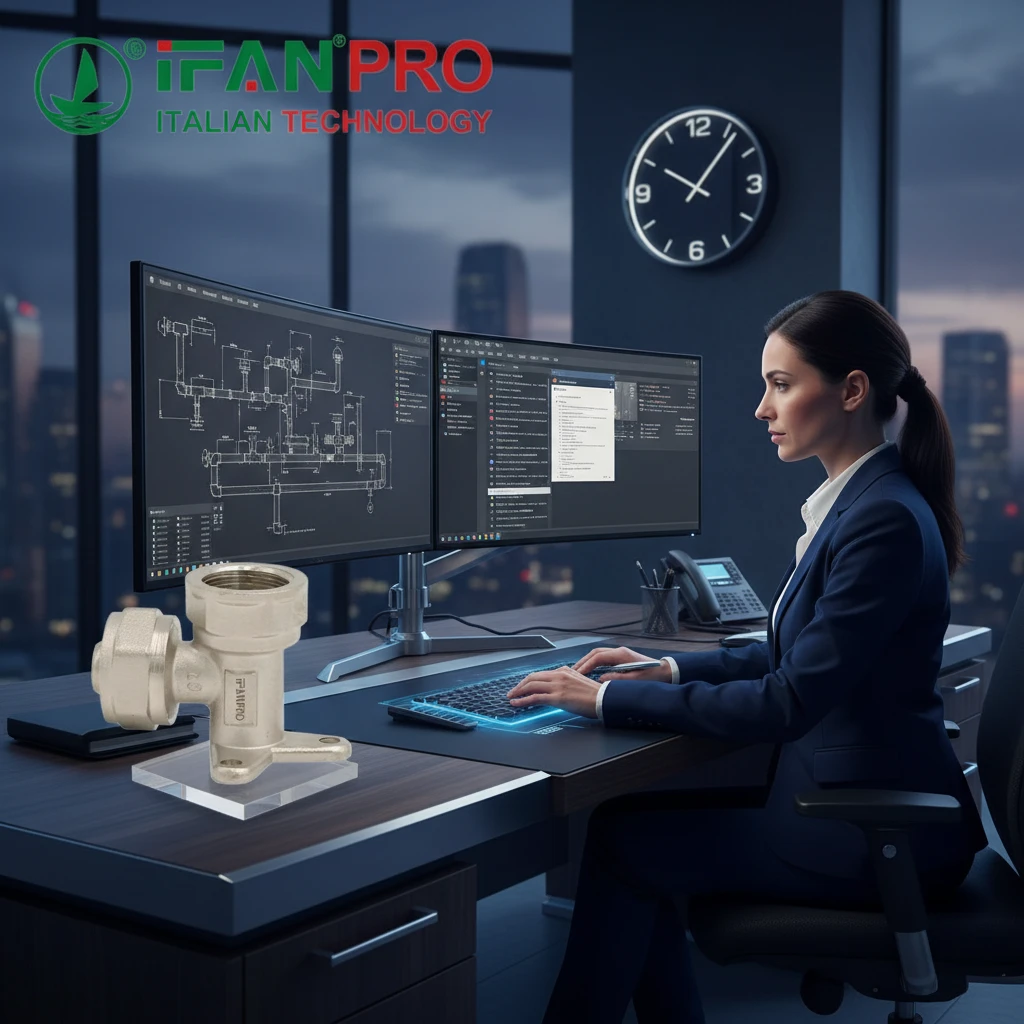
Setting Expectations for Quality Communication
The design phase is iterative. You need a supplier who can keep pace. “Responsive” shouldn’t mean a salesperson quickly emails back, “I’ll check with our factory and get back to you next week.” This creates a bottleneck and shows a lack of empowered technical staff.
Look for a team that can give immediate, informed feedback on common questions:
- Pressure ratings: They should be able to calculate or provide charts for different material grades and dimensions.
- Chemical compatibility: They should have access to chemical resistance charts for their materials.
- Dimensional standards: They should know the differences between ASTM, DIN, and ISO standards for your product.
The Structure Behind Good Support
A supplier’s internal structure directly impacts your experience. A disorganized company relies on a single salesperson to relay questions to a distant factory. A professional supplier, like IFAN, operates with a integrated team:
A Typical Efficient Support Structure:
Your Inquiry -> Dedicated Project Manager (Technical Background) -> Immediate access to:
1. Senior In-House Engineers
2. Standard Technical Databases & CAD Files
3. Quality & Testing Department for Historical Data
-> Consolidated, Expert Answer Back to You
This structure allows for quick, confident answers because the information sources are readily available.
Practical Evaluation Checklist:
During your next RFQ process, score the supplier on these points:
| Evaluation Criteria | Poor Performance | Good Performance |
|---|---|---|
| First Response Time | > 48 hours for any reply. | < 24 hours for an acknowledgment and a preliminary answer. |
| Answer Quality | Vague, non-technical language; always “checking with the factory.” | Specific, data-backed answers; references standards or calculations. |
| Communication Mode | Email only, slow. | Uses email, quick video calls for complex issues, and shares screens. |
| Proactivity | Only answers the exact question asked. | Anticipates follow-up questions and provides related information. |
If they pass this phase, it indicates a well-resourced and organized engineering support system.
Can They Provide Certified Test Reports and Material Traceability Documentation?
Anyone can claim quality. Proof is what matters, especially when safety or compliance is on the line.
A reliable supplier can promptly provide valid, third-party certified test reports (e.g., from SGS, TUV, or NSF) for their products and full material traceability documents, such as Mill Test Certificates (MTCs) or Batch Numbers, linking the raw material back to its original producer.
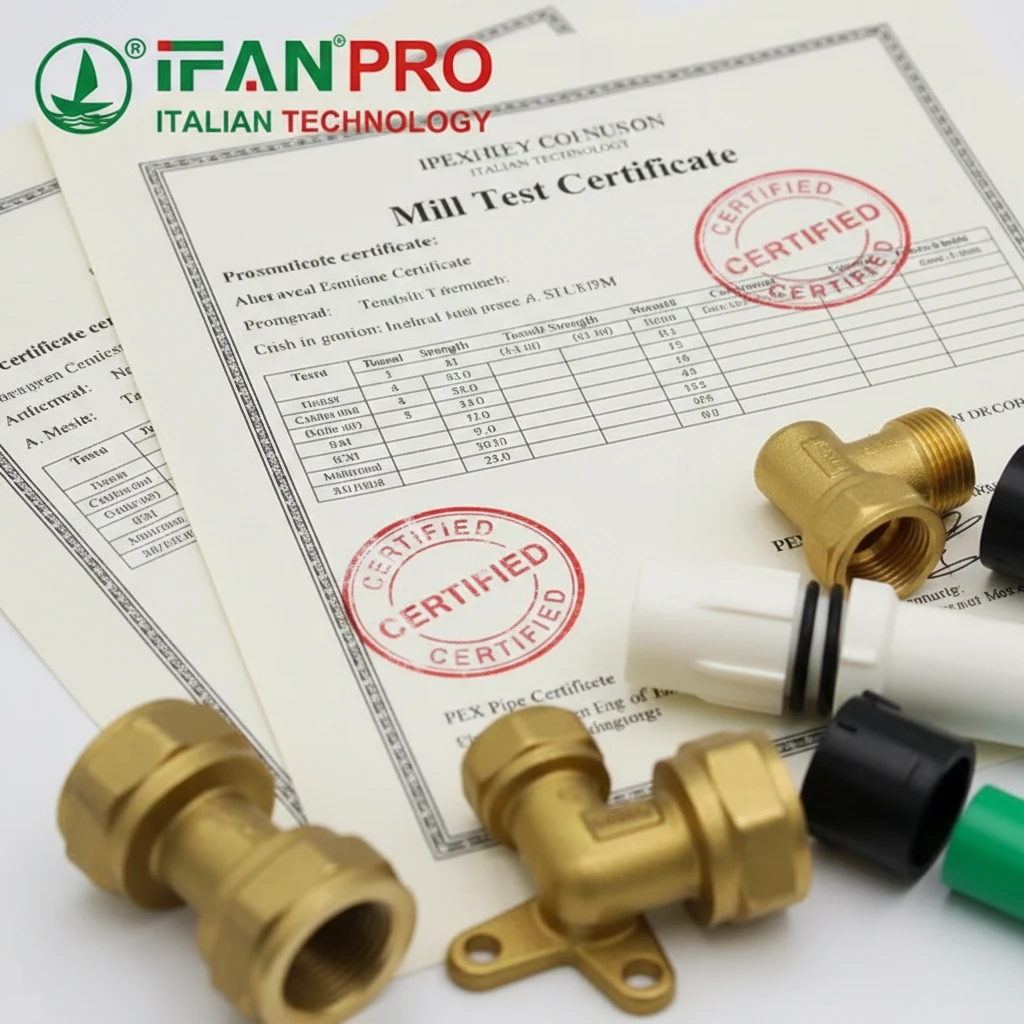
Understanding the Critical Documents
This is the non-negotiable evidence of their claims. There are two main types of documentation you must request:
1. Product Certification Test Reports:
These are reports from independent, accredited laboratories. They prove the product itself meets a specific standard.
- Examples: Pressure burst test reports (to ASTM or EN standards), hydrostatic test reports, and certificates for potable water approval (like NSF/ANSI 61, WRAS, or KIWA).
- What to check: Ensure the report is current (not expired), the product type and size on the report match what you are buying, and it is from a recognized lab.
2. Material Traceability Documents:
These documents prove the origin and quality of the raw material used.
- The Key Document: The Mill Test Certificate (MTC) or Material Certificate. This comes from the raw material producer (e.g., Borealis, Sabic) and details the specific batch’s properties: melt flow rate, density, tensile strength, etc.
- Why it’s crucial: It guarantees they are using virgin, grade-specified material, not recycled or off-spec regrind. In case of a field failure, this traceability is essential for root cause analysis.
How to Verify and Spot Red Flags
Don’t just accept a document; examine it.
- Red Flag 1: “Our factory is certified to ISO 9001.” This is a quality management system certificate for the process, not a product performance certificate. You need both.
- Red Flag 2: They provide an “internal factory test report.” While useful, it is not a substitute for an independent, certified report.
- Red Flag 3: They are hesitant or slow to provide MTCs, often saying, “We will provide it with shipment.” You should be able to see a sample before you place a significant order.
Practical Advice: Make the request for a specific product’s test report and MTC part of your qualification process. State it clearly in your RFQ: “Please attach relevant third-party certification and a sample Mill Test Certificate for the PP-R raw material.” A professional supplier will have these ready. An unprepared one will stall.
What is Their Process for Supporting Installation or Addressing Field Issues?
The true test of a partnership is how they behave when something goes wrong, not when everything is perfect.
A supplier with a serious engineering support capability has a documented, proactive process for field support. This includes providing clear installation guidelines, offering accessible post-sales technical contact, and having a structured protocol—like an 8D report—to quickly diagnose and resolve any field failures, including material replacement or on-site assistance if needed.

From Reactive Fixing to Proactive Support
Many suppliers vanish after the container leaves the port. The best ones see their responsibility extending to the successful operation of their product in your application.
Evaluate their process in these three areas:
1. Pre-emptive Support (Installation Guidance):
Do they provide more than just a catalog? Look for:
- Detailed installation manuals with torque specifications for mechanical joints.
- Technical videos on proper fusion welding techniques for plastic pipes.
- Clear chemical compatibility and storage guidelines.
2. Accessible Post-Sales Contact:
Is your contact a salesperson who disappears? You need direct access to a technical support desk or your project manager. Ask: “If we have an installation question at our job site in six months, who exactly do we call or email?”
3. Structured Problem-Solving Protocol:
When a field issue occurs, chaos is not a plan. Ask them to describe their failure analysis process. A professional supplier will describe a formal procedure, often based on the 8D (Eight Disciplines) Problem-Solving methodology. This shows a systematic approach to finding the root cause, not just sending replacement parts.
The 8D Process – A Sign of Maturity
A supplier mentioning a process like this is a strong positive indicator. It involves:
- D1: Forming a team.
- D2: Describing the problem.
- D3: Containing the issue (e.g., quarantining stock).
- D4: Finding the root cause.
- D5: Developing permanent corrective actions.
- D6: Implementing the actions.
- D7: Preventing recurrence.
- D8: Congratulating the team.
Questions to Ask:
- “Can you share an example of a field issue you resolved and the steps you took?”
- “What is your typical response time for a technical support request after delivery?”
- “Do you provide any on-site training or troubleshooting support?”
A supplier’s answer here reveals their long-term commitment to you as a partner and their overall operational maturity.
Заключение
Evaluating engineering support requires looking past sales pitches to proof, process, and proactive expertise. For partners who meet this standard, consider IFAN’s professional project management and technical services for your next plumbing systems project.










 Русский
  English
  Français
  Español
Последние комментарии