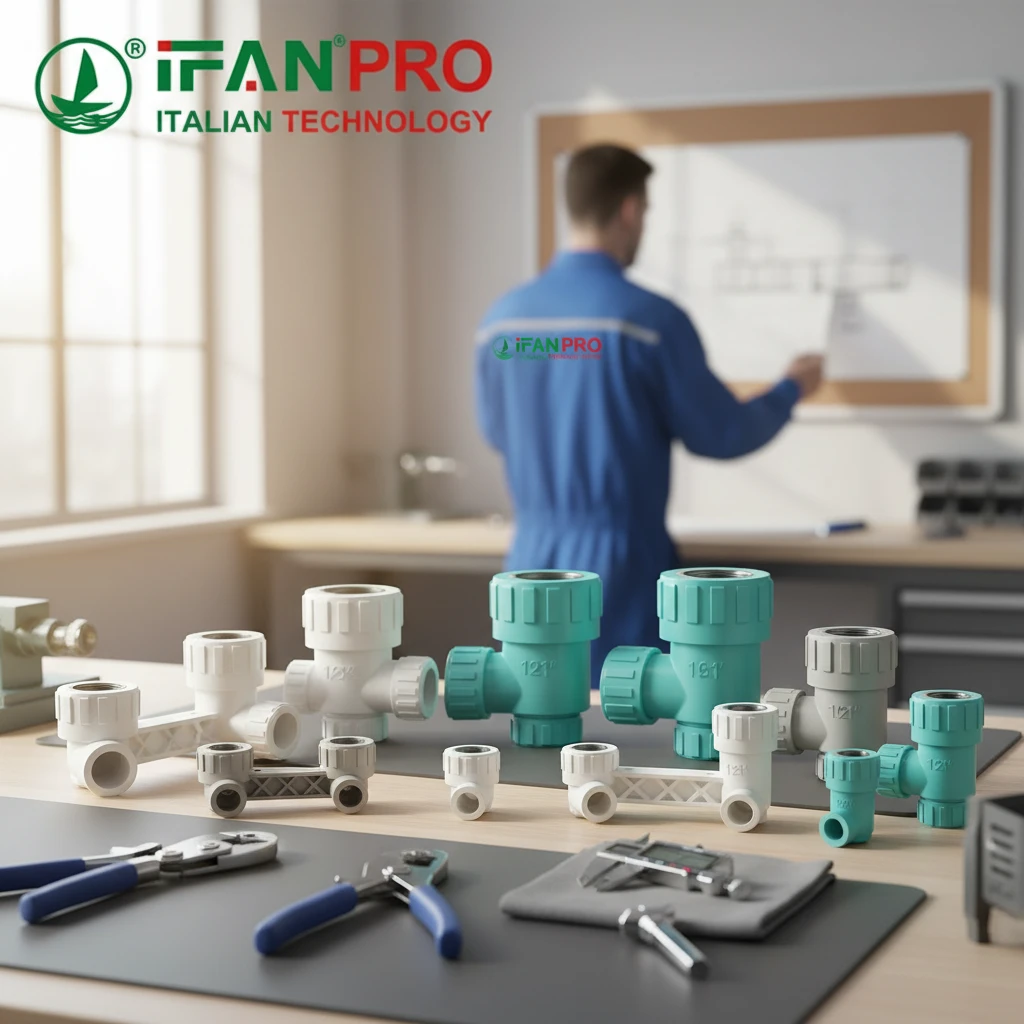
I remember the frustration of sourcing generic plumbing parts that never quite matched my brand’s promise of quality and reliability. That all changed when I discovered the power of OEM.
To OEM custom PPR female double elbows for your brand, you must identify a reliable supplier, define your product specifications, collaborate on design and tooling, conduct rigorous sampling and testing, and finally, manage production and quality assurance for a branded, market-ready product.
This journey from a box of unbranded fittings to a shelf of products bearing your logo is transformative. It’s not just about putting your name on a part; it’s about building a reputation, one perfectly engineered elbow at a time. Let’s break down exactly how you can make this a reality for your plumbing business.
What are PPR female double elbows and their primary applications?
When I first started, all elbows looked the same to me. But understanding this specific component was the first step in realizing its potential for customization and brand differentiation.
PPR female double elbows are specialized pipe fittings made from Polypropylene Random Copolymer. They feature two female threaded ports at a 90-degree or 45-degree angle, primarily used to connect two male-threaded pipes or fixtures while changing the direction of the plumbing line in tight spaces.
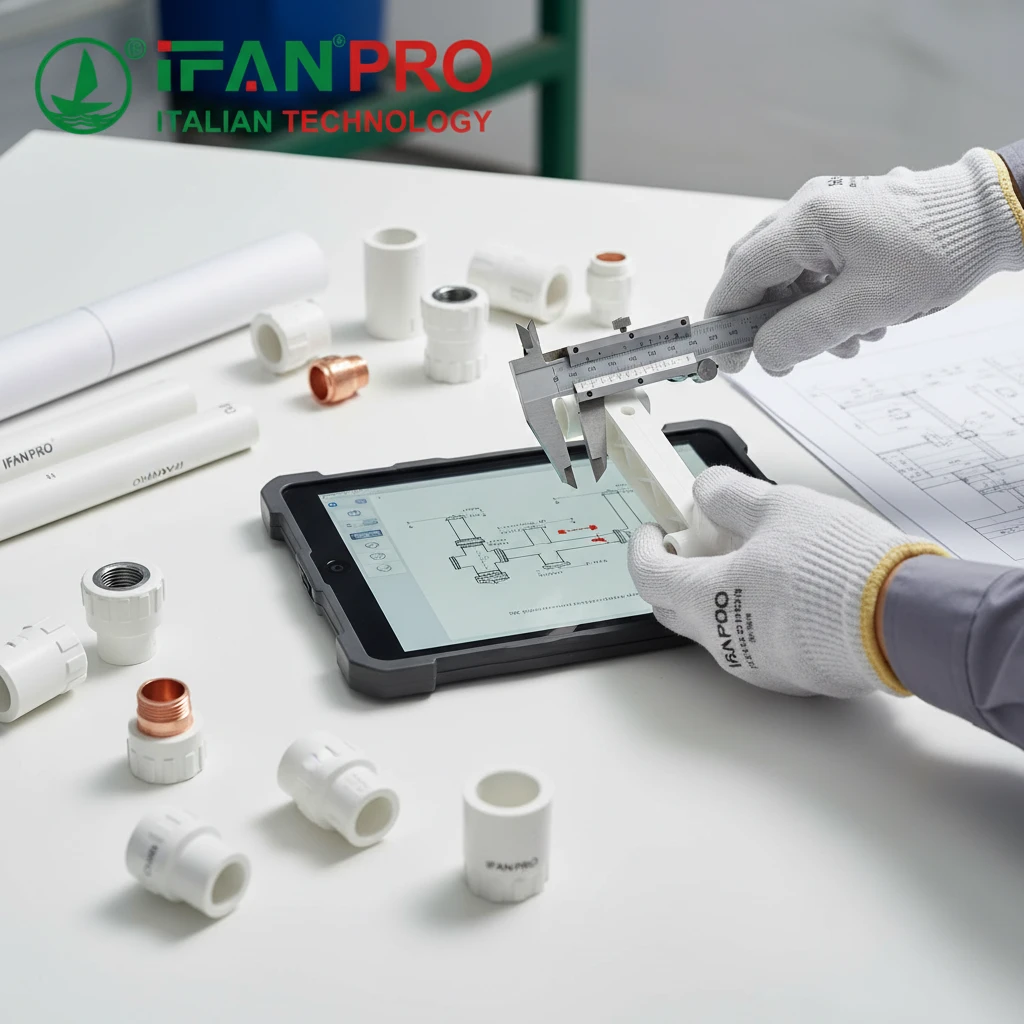
Let’s dive deeper into what makes this fitting so essential and versatile. At its core, a PPR female double elbow solves a common spatial problem in plumbing: you need to make a turn, and you need to connect to threaded components. The ‘female’ designation means the internal threads are inside the fitting’s ports, designed to receive the external (‘male’) threads of pipes or valves. The ‘double’ means both ends are threaded, unlike a PPR socket elbow which has a plain socket for fusion welding on one end.
Core Materials and Construction
PPR, or Polypropylene Random Copolymer, is the star material here. It’s not your average plastic. This material is chosen for its excellent balance of properties. It can handle hot and cold water (typically up to 70°C continuously and 95°C for short periods), resists chemical corrosion from common water additives, and is incredibly durable with a projected service life of over 50 years under proper conditions. The fittings are molded under high pressure and temperature, ensuring a dense, consistent structure without weak points.
Primary Applications in Modern Plumbing
The use cases for these elbows are everywhere in residential, commercial, and industrial plumbing systems. Here are the most common scenarios:
- Connecting to Fixtures: This is perhaps the most frequent use. They are indispensable for connecting PPR supply lines to the male threads of toilets, faucets, shower valves, and water heaters. The elbow allows the pipe to come out of the wall or floor and make a clean, right-angle turn to meet the fixture.
- Manifold Systems: In advanced plumbing setups like home run or manifold systems, these elbows are used to create compact, organized distribution points where multiple supply lines branch off.
- Meter and Valve Installations: Installing water meters, pressure reducing valves, or shut-off valves often requires changing direction right at the connection point. A female double elbow provides the perfect threaded interface.
- Retrofitting and Repairs: When updating old metal pipe systems with new PPR lines, transition adapters (PPR with a female thread) are used. Double elbows facilitate these transitions in corners.
| Application Area | Specific Use Case | Why a Female Double Elbow is Ideal |
|---|---|---|
| Residential Bathroom | Connecting wall PPR pipe to shower mixer valve | Provides a secure threaded connection and allows the pipe to exit the wall neatly before turning into the valve. |
| Kitchen Plumbing | Installing a under-sink water filter system | Creates a tight, turnable connection between the main supply line and the filter’s inlet/outlet ports. |
| Commercial Building | Water line for a commercial coffee machine or dishwasher | Handles higher frequency use and potential vibration with a robust, leak-proof threaded connection. |
| Industrial Setting | Low-pressure chemical feed lines | PPR’s corrosion resistance combined with a reliable threaded seal protects the system. |
Standard vs. Custom Potential
While you can buy standard versions off the shelf, this is where the OEM opportunity shines. Standard elbows might have thin walls, inconsistent threading, or generic sealing surfaces. Through OEM, you can specify thicker walls for higher pressure ratings, precision-cut threads for a smoother, leak-proof fit, and even custom sealing gasket designs. You can also choose from different angles (90° is standard, but 45° is crucial for specific layouts) and port sizes to create a fitting that solves your customers’ problems better than any generic option.
Why should you choose OEM manufacturing for your plumbing brand?
Sticking with generic, sourced products kept my brand invisible. I was just another reseller. OEM was the key to becoming a manufacturer with a unique voice in the market.
You should choose OEM manufacturing to gain complete control over product quality, design, and branding, differentiate yourself from competitors, build higher profit margins, and establish long-term asset value through proprietary products that bear your brand’s identity and promise.
The decision to move from a distributor/reseller model to an Original Equipment Manufacturer (OEM) model is a strategic leap. It’s the difference between selling someone else’s story and writing your own. Let’s explore the compelling reasons why this shift is a game-changer for ambitious plumbing brands.
1. Unmatched Product Quality Control
When you buy generic, you accept the supplier’s quality standards. With OEM, you define them. You can specify the exact grade of PPR raw material (e.g., using premium Class 5 PPR versus standard Class 3), mandate stricter tolerance levels for threading, require more rigorous pressure testing on every batch, and implement your own quality assurance protocols. This direct control means you can guarantee performance that aligns perfectly with your brand’s reputation for reliability, directly reducing callbacks and warranty claims.
2. Powerful Brand Differentiation
The market is flooded with identical-looking fittings in clear plastic bags. An OEM product allows you to break through this noise. Your custom elbow can have a distinctive color (like blue for cold water, red for hot, or your brand’s signature hue), your logo molded prominently into the body, and unique packaging. This transforms a commodity into a branded asset. Customers start recognizing and trusting your brand on sight, which builds loyalty and justifies a premium price.
3. Improved Profit Margins
While the upfront costs for tooling and development exist, the long-term financial benefit is clear. You are no longer buying at a distributor’s markup; you are manufacturing at a cost-plus basis. The profit margin on a custom OEM fitting is typically significantly higher than on a resold generic item. You own the product, so you set the price strategy based on the value you’ve built into it, not on a crowded market’s race to the bottom.
| Aspect | Generic/Reseller Model | OEM Model |
|---|---|---|
| Quality Control | Dependent on supplier; variable. | You set and enforce the standards. |
| Brand Identity | None or minimal sticker labeling. | Product design, color, and logo are fully integrated. |
| Profit Margin | Lower (multiple markups in chain). | Higher (direct cost control). |
| Market Competition | Price-based against identical products. | Value-based on unique features. |
| Customer Loyalty | Low (buying a commodity). | High (buying a trusted brand solution). |
4. Creation of Long-Term Business Assets
The molds, designs, and specifications you pay for become your company’s intellectual property. These are tangible assets. Unlike inventory that sells out, these tools produce your exclusive product line for years. They create a barrier to entry for competitors and form the foundation of your brand’s product catalog. This asset-building is crucial for business valuation and long-term stability.
5. Supply Chain Stability and Customization
OEM partnerships often lead to more stable and predictable supply chains. You work directly with the factory on production schedules. More importantly, you can develop fittings that solve specific, niche problems. Need an elbow with an integrated drain port? A specific thread type for a regional market? OEM makes it possible. This agility allows you to serve specialized markets that generic suppliers ignore.
How do you find and qualify a reliable PPR fittings OEM supplier?
My first attempt at finding a supplier was full of uncertainty and jargon. Learning how to vet partners systematically saved my project and my budget.
You find a reliable PPR fittings OEM supplier through industry trade shows, B2B platforms like Alibaba or Global Sources, and professional referrals, then qualify them by auditing their factory facilities, material certifications, production capabilities, quality control systems, and communication responsiveness.
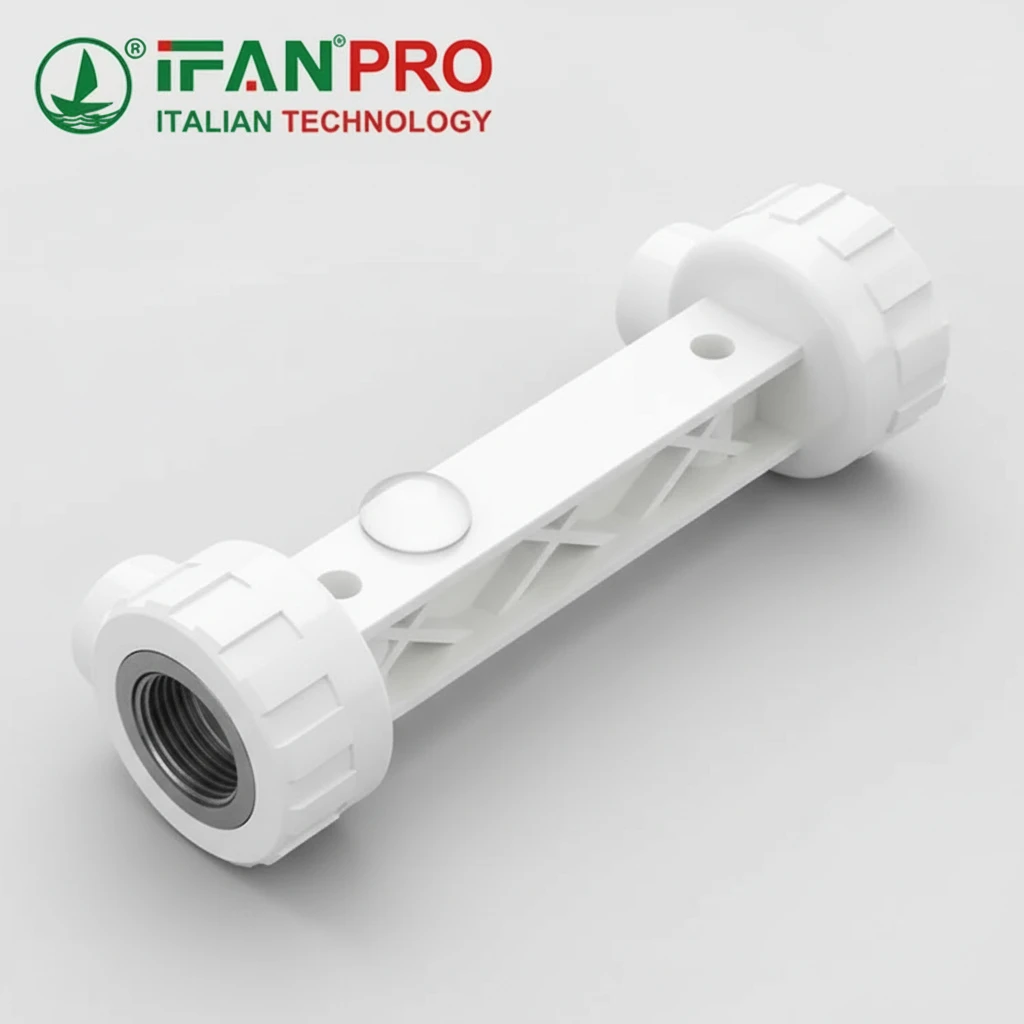
Finding a supplier is easy; finding a *reliable* partner is the real challenge. The success of your entire OEM venture hinges on this choice. A good supplier delivers a quality product on time. A great partner becomes an extension of your team, proactively solving problems and ensuring your brand’s success. Here is a detailed, step-by-step guide to navigating this critical process.
Step 1: Sourcing Potential Suppliers
Start by casting a wide net using multiple channels:
- Online B2B Marketplaces: Platforms like Alibaba, Made-in-China, and Global Sources are starting points. Use precise keywords: “PPR fittings OEM factory,” “custom PPR elbow manufacturer,” not just “PPR fittings supplier.” Look for suppliers with “Gold Supplier” or “Assessed Supplier” badges and those who explicitly offer OEM services.
- Industry Trade Shows: Events like ISH in Frankfurt or the China International Plumbing Expo are invaluable. You can meet factory representatives face-to-face, see and touch product samples, and gauge professionalism directly.
- Professional Networks & Referrals: Ask within your industry network. A recommendation from a trusted peer who has gone through the process is worth more than a hundred online listings.
Step 2: Initial Screening and Communication
Once you have a list, begin filtering. Send a detailed, standardized inquiry to each. This should include your basic requirements: product type (PPR female double elbow), desired material grade, estimated annual volume, and need for custom branding. Assess their initial response time, English proficiency, and willingness to ask clarifying questions. A supplier who immediately quotes a price without asking for specifications is a red flag.
Step 3: The Critical Qualification Process
This is where you separate the contenders from the pretenders. Your due diligence must cover:
- Business Legitimacy: Request a business license and, if possible, a third-party audit report (like from SGS or Bureau Veritas).
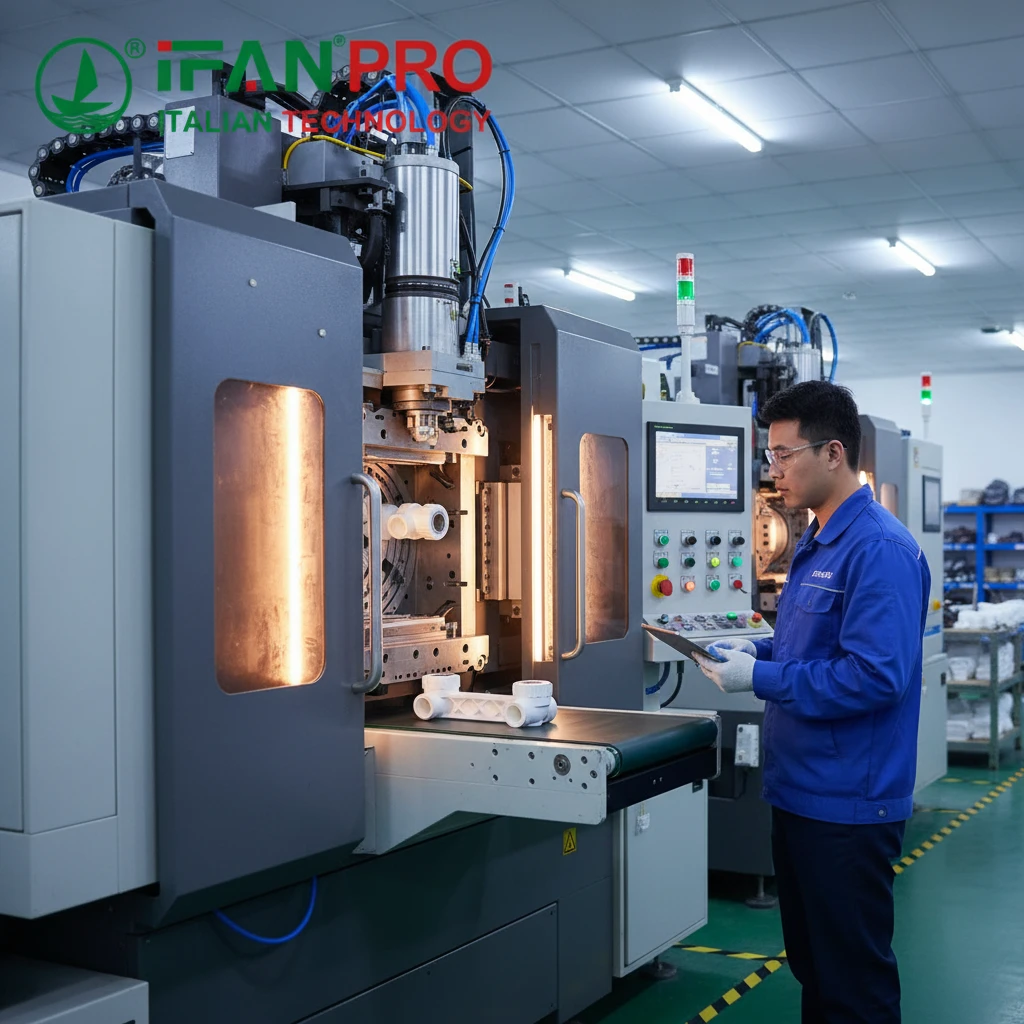
- Factory Audit (Virtual or In-Person): Insist on a video tour of the production facility. Look for organized workshops, modern injection molding machines, dedicated threading equipment, and clean assembly areas. Ask to see their raw material storage.
- Material Certification: Demand certificates for their PPR raw materials, such as a Material Safety Data Sheet (MSDS) and proof that it meets international standards like DIN 8077/8078 or ISO 15874.
| Qualification Area | Key Questions to Ask | What to Look For (Green Flags) |
|---|---|---|
| Production Capability | What is your mold-making process in-house? How many molding machines do you have? What is your monthly capacity? | In-house mold workshop; multiple machines; clear capacity plan. |
| Quality Control (QC) | What QC checks do you perform? Do you do 100% pressure testing? Can we provide our own QC checklist? | Detailed QC process flowchart; pressure testing equipment on site; openness to client protocols. |
| Experience & Samples | Can you show examples of similar OEM work for other brands? Can you provide sample products? | Willingness to share non-confidential samples; portfolio of past projects. |
| Communication & Service | Who will be our main point of contact? What is your typical response time? | Dedicated project manager; prompt responses (within 24 business hours). |
Step 4: Sampling and Trial Order
Never skip the sampling phase. Pay for production samples made to your exact specifications (dimensions, threads, color, logo). Test these samples rigorously yourself—measure dimensions, test thread fit with your target pipes, and even perform destructive pressure tests. Following a successful sample, place a small trial order (a “pilot run”) before committing to large-volume production. This tests their scalability and consistency.
Step 5: Contract and Terms
Finally, ensure all agreements are in a clear contract. This should cover product specifications, quality acceptance criteria, delivery schedules, payment terms (e.g., 30% deposit, 70% before shipment), intellectual property ownership of the molds and design, and protocols for handling defective goods. A reliable supplier will have no issue with a transparent, fair contract.
What are the key steps in the custom OEM development process?
Embarking on my first OEM project felt like navigating a maze. Breaking it down into clear, sequential steps turned a complex ordeal into a manageable, exciting journey.
The key steps are: 1) Finalizing product specifications and design, 2) Creating and approving 3D drawings and prototypes, 3) Manufacturing and testing production molds, 4) Conducting pre-production sample approval, and 5) Managing full-scale production with ongoing quality assurance.
The OEM process is a collaborative marathon, not a sprint. Understanding each milestone prevents misunderstandings and ensures you end up with a product that matches your vision. Here is a detailed walkthrough of the journey from an idea to a pallet of branded fittings arriving at your warehouse.
Step 1: Product Specification & Design Finalization
This is the blueprint phase. Work closely with your supplier’s engineering team to document every detail. This goes beyond “a 90-degree female double elbow.” Your Product Specification Sheet should include:
- Dimensional Specifications: Center-to-center distance, port sizes (e.g., 1/2″ FNPT), wall thickness, overall length and height.
- Material Specifications: Exact PPR grade (e.g., PPR 80, Class 5), color (Pantone code if precise), and any additives (e.g., for UV resistance if used outdoors).
- Performance Requirements: Working pressure rating (e.g., 10 bar at 20°C), temperature range, and relevant compliance standards (e.g., NSF/ANSI 61 for potable water).
- Branding Details: Logo design file (vector format), exact location and depth for molding the logo, and packaging design.
Step 2: 3D Design, Drawing, and Prototype Approval
The supplier will create 3D CAD models and 2D engineering drawings based on your specs. Review these meticulously. Pay special attention to the thread design (NPT, BSPP, etc.), wall thickness transitions, and the reinforcement around the elbow’s corner (the “knuckle


 Русский
  English
  Français
  Español
Последние комментарии