
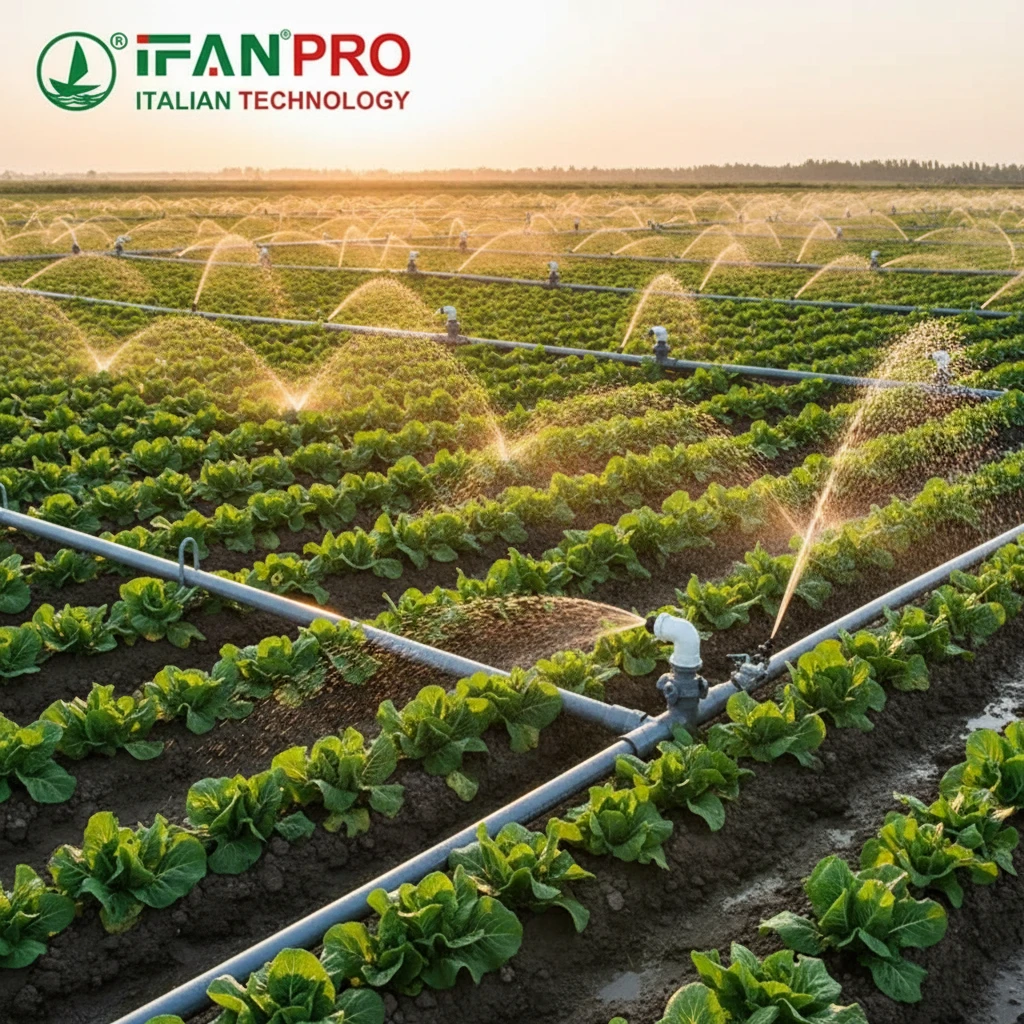
We see farms and projects struggle with overpriced, corroded metal valves every season. This constant problem makes us ask: is there a smarter, more affordable choice?
Yes, PVC pump valves are highly cost-effective for irrigation. They offer a much lower initial price than metal valves, resist corrosion from water and fertilizers completely, and require minimal maintenance. This combination reduces both your startup costs and long-term expenses, making your irrigation project more affordable and reliable.
Let’s look closely at the numbers and facts to see how PVC valves create real savings for different irrigation systems.
What Makes PVC Pump Valves a Low-Cost Choice for Irrigation Systems?
Budget is the first concern for any irrigation project. Switching from metal to PVC valves often cuts the valve budget in half right away.
PVC pump valves are a low-cost choice because the raw material (polyvinyl chloride) is inexpensive to produce. The manufacturing process for PVC valves is also simpler and faster than casting and machining metal. This results in a significantly lower purchase price per valve, allowing you to equip more zones or cover a larger area for the same investment.

Breaking Down the Initial Cost Savings
The low cost of PVC valves starts with the material itself. PVC resin is a common plastic, and its production is less energy-intensive than smelting and refining metals like brass, cast iron, or stainless steel. This basic material cost advantage is passed down the supply chain.
Next, think about how the valve is made. Manufacturing a metal valve involves complex steps: melting metal, pouring it into molds (casting), letting it cool, removing rough edges, and then machining precise threads and sealing surfaces. This process needs heavy equipment and a lot of labor.
The Simpler Manufacturing Process
Making a PVC valve is simpler. The process is called injection molding. First, PVC resin in granular form is heated until it melts. Then, this liquid plastic is injected under high pressure into a precision steel mold. After it cools and hardens, the valve is removed. The mold creates all the threads, chambers, and sealing surfaces in one step. This method is very fast, uses less energy, and creates less waste material. High automation keeps labor costs low.
These factors mean the price you pay for a standard PVC ball valve, gate valve, or check valve is often 50% to 70% less than a comparable sized brass or stainless steel valve. For a project needing dozens or hundreds of valves, this difference is huge. It frees up your budget for other important parts like better pumps or filters.
Cost Comparison: Initial Purchase
| Valve Type (1″ Standard) | Typical Price Range | Primary Cost Drivers |
|---|---|---|
| PVC Ball Valve | $5 – $15 | Low-cost material, efficient injection molding process. |
| Brass Ball Valve | $20 – $40 | Expensive metal, multi-step casting and machining. |
| Stainless Steel Valve | $40 – $100+ | High material cost, complex manufacturing, labor-intensive. |
This lower initial cost makes PVC the go-to choice for building new systems or expanding existing ones on a tight budget. It allows farmers and project managers to allocate their funds more effectively.
How Do PVC Valves Compare to Metal in Irrigation Cost and Durability?
Choosing a valve is a balance between upfront cost and how long it will last. Many believe metal always wins for durability, but in irrigation, that’s not the full story.
In irrigation, PVC valves often provide better overall value than metal. While some metals are stronger against physical impact, PVC far outperforms them in corrosion resistance. It does not rust or corrode from constant water exposure, fertilizers, or soil chemicals. This means PVC valves frequently last longer in real-world irrigation use, avoiding the high replacement cost of corroded metal valves.

The True Test: Corrosion Resistance
When we talk about durability for irrigation, we must focus on the main enemy: corrosion. Water, especially when mixed with fertilizers (which are salts) or present in acidic/alkaline soils, is highly corrosive.
- Cast Iron Valves: These will rust both inside and out. Rust flakes can clog drippers and sprinklers. Over time, the valve body weakens and can fail.
- Brass Valves: While they resist rust, brass can suffer from “dezincification” in certain water conditions. This is a process where the zinc in the brass alloy leaches out, leaving behind a weak, porous copper structure that can crack under pressure.
- Stainless Steel Valves: These are very corrosion-resistant but are extremely expensive. They are often overkill for most agricultural applications.
PVC is inert. It does not react with water, salts, or most agricultural chemicals. A PVC valve installed today will look and function the same years later. There is no internal scaling or rust to reduce water flow or damage downstream equipment.
Strength and Pressure Considerations
It’s true that metal has a higher tensile strength. For extremely high-pressure pump discharge lines (over 150 PSI), a heavy-duty metal valve might be specified. However, most irrigation systems operate at much lower pressures (typically 30-80 PSI). Schedule 40 or Schedule 80 PVC valves are more than strong enough for these pressures and are widely rated for them.
The key is choosing the right PVC rating for your system’s pressure. A Schedule 80 PVC valve is thicker and stronger than Schedule 40 and is comparable in pressure rating to many basic metal valves.
Lifetime Cost and Durability Table
| Aspect | PVC Valves | Typical Metal Valves (Cast Iron/Brass) |
|---|---|---|
| Устойчивость к коррозии | Excellent. Unaffected by water, fertilizers, soil. | Poor to Fair. Prone to rust or dezincification. |
| Номинальное давление | Good (High for Schedule 80). Suits most irrigation. | Excellent. Can handle very high pressures. |
| Impact Resistance | Fair. Can crack if hit with heavy force. | Good. More resistant to physical damage. |
| Expected Lifespan in Irrigation | 15-25+ years (if protected from UV/sunlight). | 5-15 years (often fails earlier due to corrosion). |
| Replacement Cost & Frequency | Very low initial cost, infrequent replacement. | High initial cost, may need multiple replacements. |
For most irrigation settings, the corrosion resistance of PVC leads to a longer, more trouble-free service life. You avoid the “hidden cost” of replacing metal valves that have seized shut or started leaking due to corrosion long before their theoretical lifespan is over.
What Irrigation Projects Benefit Most from Using PVC Pump Valves?
Not all projects are the same. Based on our experience, some irrigation applications see the biggest advantage from switching to PVC valves.
Irrigation projects that benefit most from PVC pump valves are large-scale agricultural fields, low to medium-pressure drip and sprinkler systems, and water distribution networks that handle treated or slightly salty water. These projects need many valves and face constant corrosion challenges, so PVC’s low cost and high chemical resistance offer the maximum savings and reliability.

Best Fit #1: Large-Scale Agricultural Irrigation
Big farms have thousands of acres to water. They need hundreds of valves to control zones. Using metal valves here would be prohibitively expensive. PVC valves allow farmers to install a comprehensive control system at a fraction of the cost. Their corrosion resistance is also vital because agricultural water often contains dissolved fertilizers and other chemicals that rapidly degrade metal. For center pivots, drip irrigation sub-mains, and manifold control, PVC is the standard choice due to its perfect balance of cost and performance.
Best Fit #2: Drip and Sprinkler Systems
Both residential landscaping and commercial green spaces use drip and sprinkler systems. These systems operate at relatively low pressure (usually under 60 PSI). The precise control and chemical resistance of PVC ball valves and check valves make them ideal for:
- Zone Control Valves: Installing a PVC ball valve for each zone is cost-effective.
- Backflow Prevention: PVC check valves are excellent for preventing low-head drainage in drip systems.
- Manifold Assemblies: Building a manifold from PVC tees and valves is simple and cheap.
The smooth interior of PVC valves also helps maintain good water flow and pressure, which is critical for the even operation of sprinklers and drippers.
Best Fit #3: Water Distribution and Chemical Injection
Projects that move treated water, recycled water, or water with mild salinity benefit greatly from PVC. Municipal parks, golf courses, and nurseries often use such water sources. Metal valves would corrode quickly in these environments, leading to contamination and failure. PVC valves handle these fluids without any degradation. They are also perfect for systems that inject liquid fertilizers or chlorine into the water line, as they won’t react with these chemicals.
Project Suitability Guide
| Project Type | Why PVC Valves are a Good Fit | Recommended Valve Types |
|---|---|---|
| Large Farm Fields | Need many valves; exposure to fertilizers. | PVC Ball Valves, Gate Valves, Check Valves. |
| Landscape Drip Systems | Low pressure needs; precise flow control. | PVC Ball Valves, Small Check Valves. |
| Golf Course Irrigation | Use of treated/recycled water; large area. | PVC True Union Ball Valves (for easy service), Air Release Valves. |
| Nursery & Greenhouse | Frequent chemical injection; humid environment. | PVC Ball Valves, Chemical-resistant Diaphragm Valves. |
When to Consider Metal Instead
There are times to choose metal. Use metal valves (like brass or stainless steel) at the pump discharge directly where pressures and vibration are highest, or in any location subject to frequent physical impact (e.g., near roads where equipment might hit them). For 95% of the other valve locations in a typical irrigation system, PVC is the superior, cost-effective choice.
How Can PVC Valves Reduce Long-Term Irrigation System Maintenance Costs?
The real savings of PVC become clear year after year, not just on the first day. Low maintenance is where they truly shine.
PVC valves reduce long-term maintenance costs because they do not corrode, scale, or seize up. This eliminates the need for frequent repairs, part replacements, and the labor to perform them. Their simple design and light weight also make any necessary servicing faster, easier, and cheaper than with heavy, corroded metal valves.

Eliminating Corrosion-Related Repairs
The biggest maintenance headache with metal valves is corrosion. A corroded valve can freeze in place, making it impossible to turn. The stem packing can degrade, causing leaks around the handle. Internal parts can rust and break apart, sending debris into your lines to clog filters and emitters.
PVC valves remove this entire category of problems. They will not seize due to rust. The plastic threads and sealing surfaces do not fuse together over time. A PVC ball valve installed five years ago will still turn as smoothly as the day it was put in, provided it was installed correctly. This reliability means you are not paying for service calls to cut out and replace frozen valves.
Easy Service and Repair
When a PVC valve does need service (perhaps a seal wears out after many years), maintenance is straightforward. Many PVC valves, like true union ball valves, are designed for easy repair. You can simply close the valve, unscrew the union nuts, and remove the valve center for service or replacement without cutting the pipe. This design drastically cuts downtime and labor costs.
Furthermore, PVC valves are lightweight. A worker can carry several of them easily. Compare this to a heavy cast iron valve, which might require two people and special equipment just to move. This ease of handling makes every aspect of installation, inspection, and replacement faster and less expensive.
Reducing System Downtime and Labor Costs
An irrigation system is often critical for crop or landscape health. Downtime can mean losses. The reliability of PVC valves minimizes unplanned shutdowns. Also, because they are so affordable, keeping a few spare valves on hand is practical. If a valve is ever damaged (e.g., by a tractor), swapping it out with a spare is a quick, low-cost fix.
Long-Term Maintenance Cost Comparison
| Maintenance Task | Typical Cost with Metal Valves | Typical Cost with PVC Valves |
|---|---|---|
| Replacing a Seized/Corroded Valve | High. Includes cutting pipe, new valve, labor. ($150-$300+) | Very Rare. Only if physically damaged. |
| Repacking a Leaky Valve Stem | Moderate. Labor and parts needed periodically. ($50-$100) | Not Needed. PVC stem seals last much longer. |
| Cleaning Debris from Corroded Valve | Moderate. Labor to disassemble and clean system. | Not Needed. No internal corrosion debris. |
| Inventory Cost for Spare Valves | High. Expensive to keep metal spares. | Low. Inexpensive to keep PVC spares on hand. |
Over a 10-year period, the savings on avoided repairs and reduced labor can far exceed the initial price difference between PVC and metal. This makes PVC valves not just a cheap purchase, but a smart long-term investment for a low-maintenance irrigation system.
Заключение
PVC pump valves are a cost-effective, durable, and low-maintenance solution for most irrigation needs. For reliable, high-quality PVC valves that deliver these savings, choose ИФАН for your irrigation system components.




 Русский
  English
  Français
  Español
Последние комментарии