
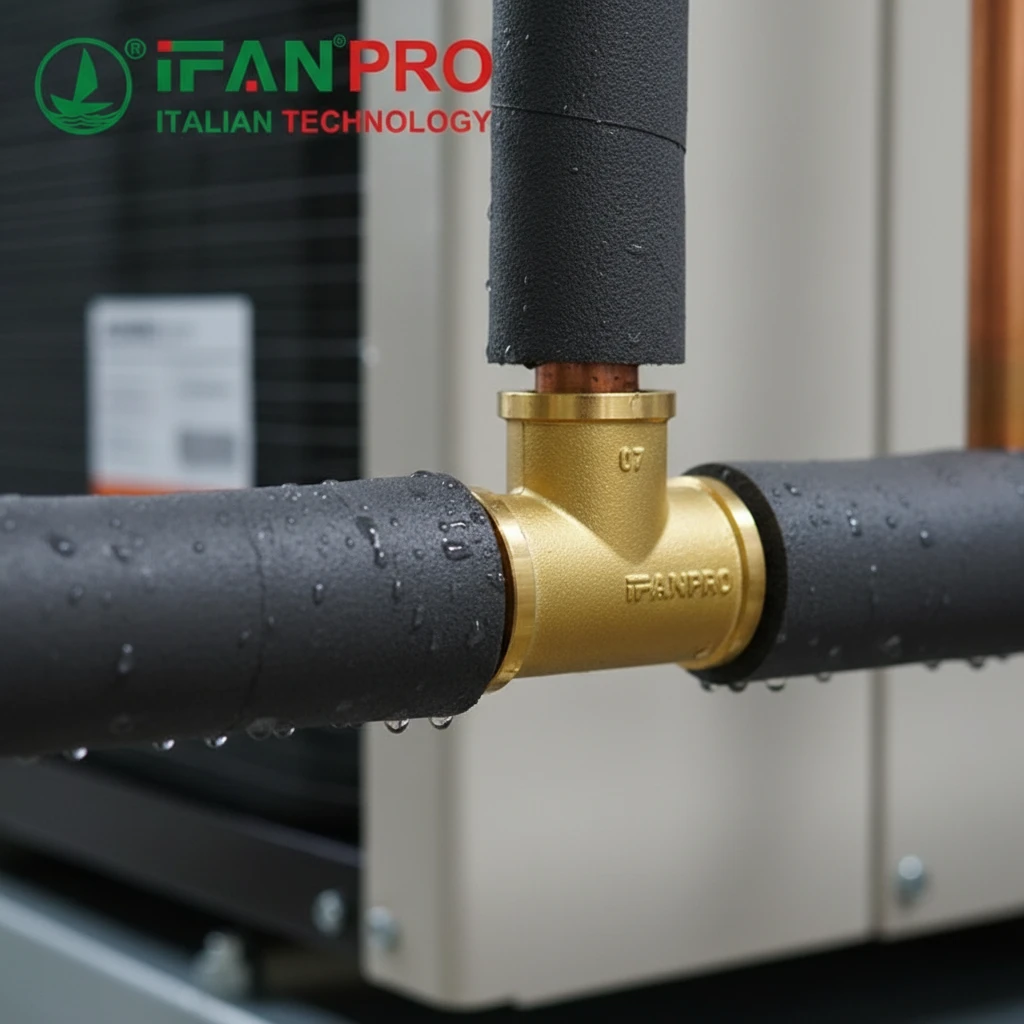
I recently inspected a failed aluminum fitting on a compressor line. The resulting shutdown cost the client thousands. This is why, in critical applications, we always specify brass.
Brass elbows are essential in HVAC and refrigeration systems because they offer superior corrosion resistance against refrigerants and moisture, excellent durability to withstand vibration, and seamless compatibility with various piping materials. Their reliability ensures system integrity in both heating and cooling cycles, preventing costly failures and downtime.
Let’s explore the specific reasons that make brass the trusted choice for professionals.
How Does Brass Resist Corrosion from Refrigerants and Condensation?
Corrosion is the silent killer of HVAC systems. I’ve seen other materials degrade rapidly, but brass consistently holds up.
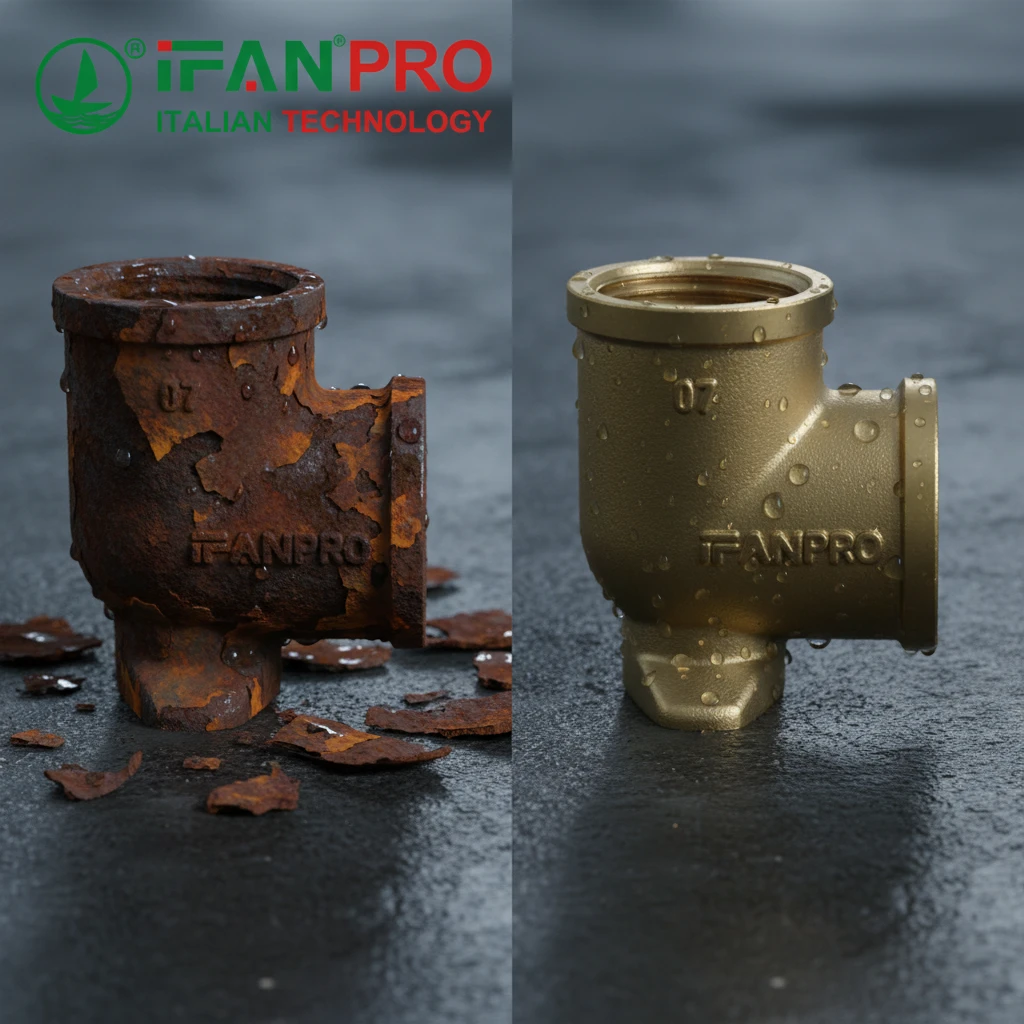
Brass, an alloy of copper and zinc, naturally resists corrosion through a protective surface layer called a patina. This layer strongly withstands chemical attack from common refrigerants, oils, and the constant presence of condensation. Unlike ferrous metals, it does not rust, ensuring long-term reliability in damp environments.
The Science Behind the Protection
Brass does not simply sit there and get attacked. It actively protects itself. When brass is exposed to air and moisture, it develops a thin, stable oxide layer on its surface. This layer, or patina, acts as a shield. It prevents the underlying metal from further contact with corrosive agents.
Refrigerants and compressor oils can break down certain plastics and corrode other metals. However, the chemical stability of brass makes it largely inert to these substances. Condensation, a constant challenge in cooling systems, will cause steel to rust quickly. Brass, however, handles persistent moisture without issue, making it ideal for drain lines and evaporator connections.
Comparison with Alternative Materials
Not all fittings are equal. Here’s how brass compares:
| Материал | Corrosion Resistance in HVAC | Key Weakness |
|---|---|---|
| Brass | Excellent | Resists refrigerants, oils, condensation, and dezincification (when a quality alloy is used). |
| Steel (Galvanized) | Poor | Prone to rust from condensation, especially at threaded points where the coating is compromised. |
| Aluminum | Moderate | Can corrode from certain refrigerants and forms a weak, powdery oxide that flakes off. |
| PVC Plastic | Good for chemicals | Can become brittle with temperature swings and is not suitable for high-pressure compressor lines. |
This inherent resistance means brass fittings maintain their strength and sealing surface over decades, preventing the pinhole leaks that plague inferior materials.
Why Is Its Durability Crucial for Vibration-Prone Compressor Connections?
A compressor shakes everything connected to it. Weak fittings crack, but durable ones absorb the stress.
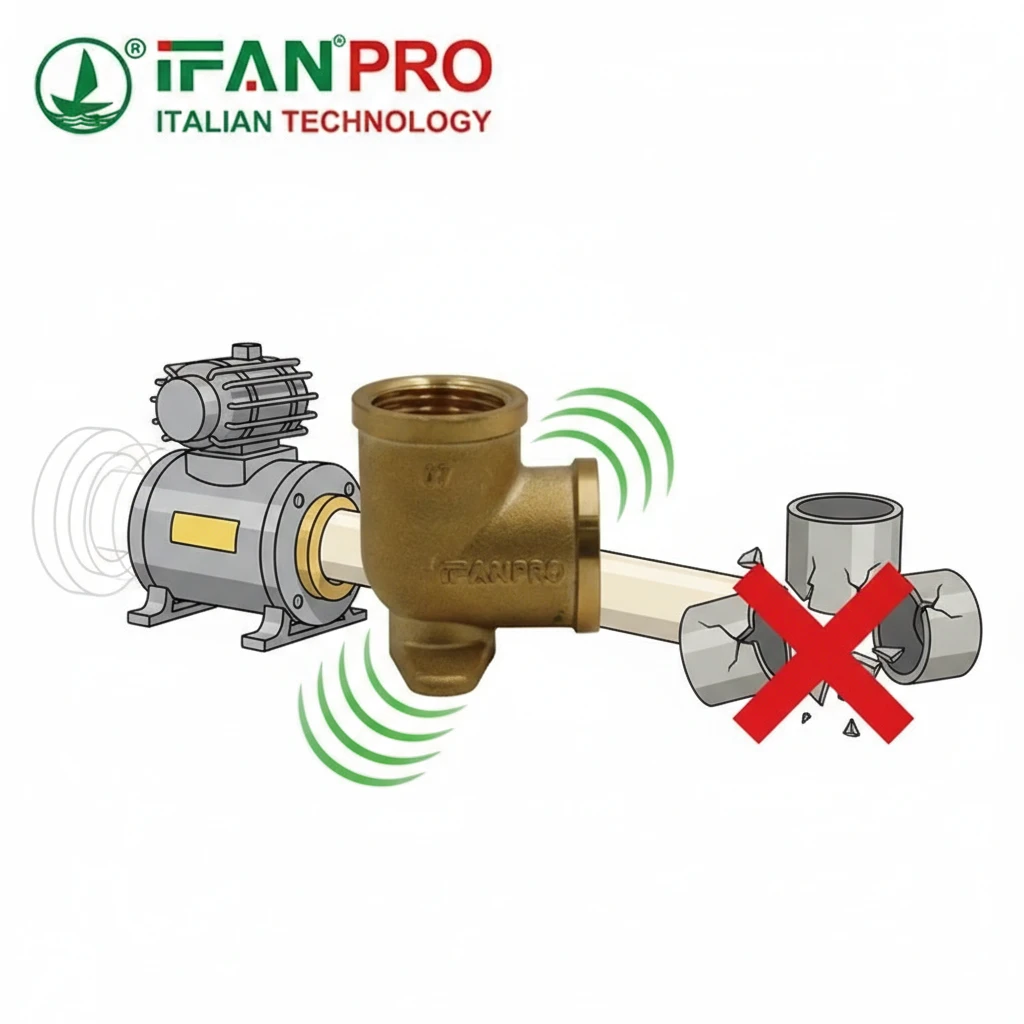
The durability of brass is crucial because compressors generate constant vibration and thermal stress. Brass has high tensile strength and excellent fatigue resistance, meaning it can flex slightly without cracking. This “give” absorbs vibration energy, preventing work-hardening and failure at the connection points, which are common failure sites in less robust systems.
The Challenge of Vibration and Thermal Cycling
A refrigeration compressor is like a powerful, constantly running engine. It vibrates. At the same time, the lines connecting to it heat up during operation and cool down when the system is off. This cycle of expansion and contraction, combined with shaking, puts immense stress on fittings.
Brittle materials, like low-grade plastic or cast iron, cannot handle this. They may work initially but will develop stress cracks over time. These cracks start small and are invisible, leading to refrigerant leaks that are expensive and difficult to trace.
How Brass Handles Mechanical Stress
Brass possesses a unique combination of strength and malleability. It is strong enough to hold the system’s high pressure, but it also has a degree of flexibility. When the connected pipe vibrates, a brass elbow can absorb and dampen some of that movement instead of resisting it rigidly. This ability to handle cyclical stress without failing is called fatigue resistance.
A Real-World Application: The Compressor Service Valve
Consider the service valves on a compressor. They are constantly opened and closed for maintenance, often with wrenches applying significant torque. A brass valve body can withstand this mechanical abuse without stripping threads or deforming. Using a softer or more brittle material here would be a major liability, risking a catastrophic blowout.
For system builders, this durability translates directly to fewer callbacks, lower warranty costs, and a more reliable reputation.
Are Brass Elbows Compatible with Common HVAC Piping Materials?
A good fitting must connect to different pipes without causing problems. Brass acts as a universal adapter in complex systems.
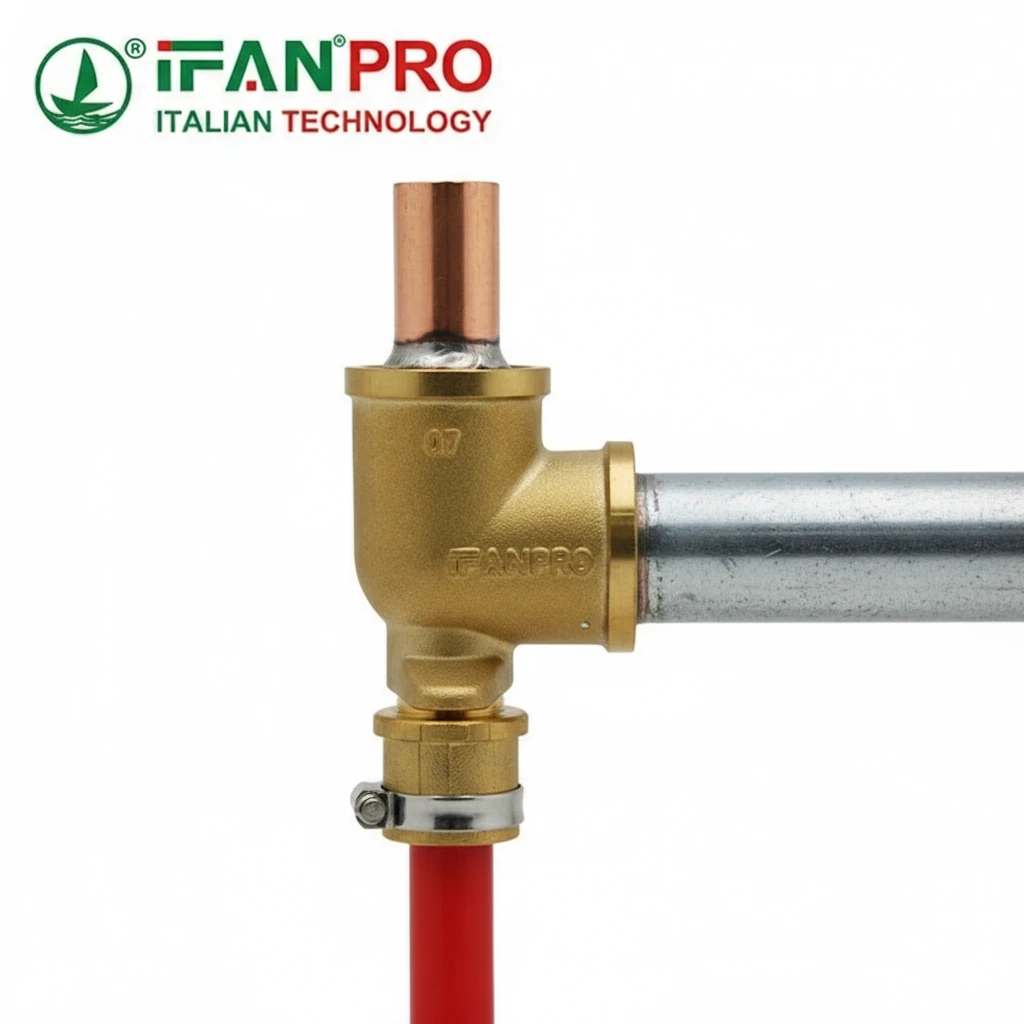
Yes, brass elbows are highly compatible with all common HVAC and refrigeration piping materials, including copper, steel, and various plastics. Brass can be easily soldered to copper, threaded onto steel, and adapted to plastic lines with standard compression or flare fittings. This versatility simplifies system design, installation, and repair.
Seamless Integration in Mixed-Material Systems
HVAC systems are rarely built from a single material. You might have:
- Copper for refrigerant lines.
- Steel for gas lines or structural supports.
- PVC or ABS for condensate drainage.
Brass is the perfect intermediary. Its thermal expansion rate is similar to copper, so soldered joints remain secure. Its threads are strong and precise, allowing for leak-free connections to steel. Furthermore, manufacturers design brass fittings with standard threads (NPT, BSP) and connection types that match industry norms.
Avoiding Galvanic Corrosion
A critical aspect of compatibility is preventing galvanic corrosion, which occurs when two dissimilar metals touch in the presence of an electrolyte (like condensation). Brass is close to copper on the galvanic series, meaning when brass and copper connect, the potential for corrosive current is very low. This is a major advantage over using steel or aluminum fittings on copper pipe, which would create a corrosion cell and lead to rapid failure.
The table below shows safe and problematic pairings:
| Pipe Material | Recommended Fitting Material | Risk with Brass Fitting |
|---|---|---|
| Copper Tubing | Brass or Copper | Very Low Risk. Ideal, stable connection. |
| Steel Pipe | Brass or Steel | Low Risk. Use thread sealant suitable for both metals. |
| PVC Plastic | Brass (with plastic adapter) | No Risk. Non-conductive, so no galvanic issue. |
| Aluminum Tubing | Brass | Moderate Risk. Requires special sealant to insulate the metals and prevent corrosion. |
This universal compatibility makes brass elbows a stock item that can be used in almost any situation, reducing the need for multiple specialized fittings.
What Makes Them Suitable for Both Heating and Cooling Circuits?
Systems switch between hot and cold. The fittings must handle this swing without failing.
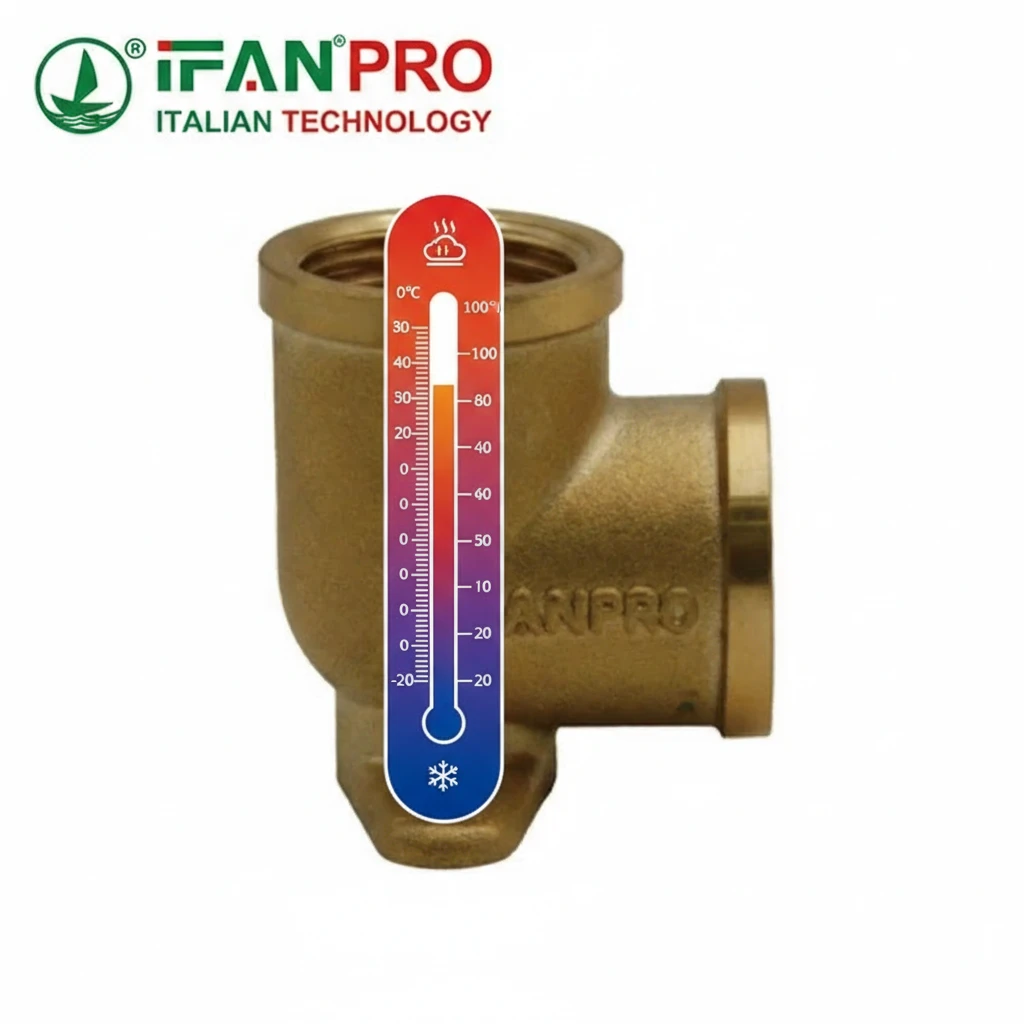
Brass elbows are suitable for both heating and cooling circuits because they maintain strength and seal integrity across a wide temperature range, from below freezing in refrigeration to over 200°F in heating systems. They do not become brittle when cold or weaken significantly when hot, and their thermal expansion is predictable and manageable.
Performance Across the Temperature Spectrum
A heat pump fitting might see -10°F refrigerant temperatures in winter cooling mode and +180°F in summer heating mode. This extreme swing tests a material’s limits.
- Under Cooling Conditions: Plastics can become brittle. Some metals contract significantly. Brass remains ductile and strong, ensuring seals don’t shrink and leak.
- Under Heating Conditions: Plastics can soften and deform. Brass retains its mechanical properties, and its threaded or soldered joints do not loosen from expansion at a different rate than the pipe.
Managing Thermal Expansion and Contraction
All materials expand when heated and contract when cooled. Problems arise when connected materials expand at different rates. This can crack fittings or break solder joints.
Brass and copper expand at nearly the same rate. Therefore, a brass elbow soldered to a copper pipe will expand and contract as a single unit, eliminating stress at the joint. This compatibility is a core reason why the copper-brass combination is the gold standard for refrigerant lines.
Pressure Holding Ability
Both heating and cooling systems operate under pressure. Whether it’s high-pressure refrigerant vapor or hot water, the fitting must hold. Brass has excellent pressure ratings, far exceeding the normal operating pressures of residential and commercial HVAC systems. This provides a large safety margin, ensuring that a momentary pressure spike won’t cause a failure.
Заключение
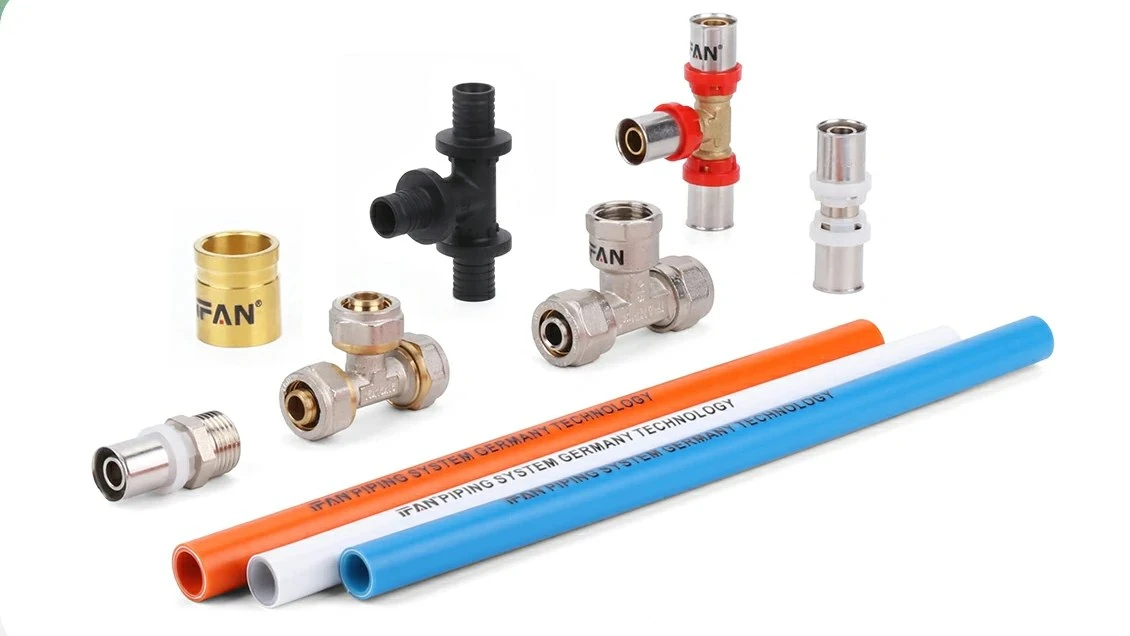
Brass elbows provide unmatched corrosion resistance, vibration durability, material compatibility, and temperature range for HVAC systems. For reliable performance, specify IFAN’s precision brass fittings for your next installation or repair.







 Русский
  English
  Français
  Español
Последние комментарии