
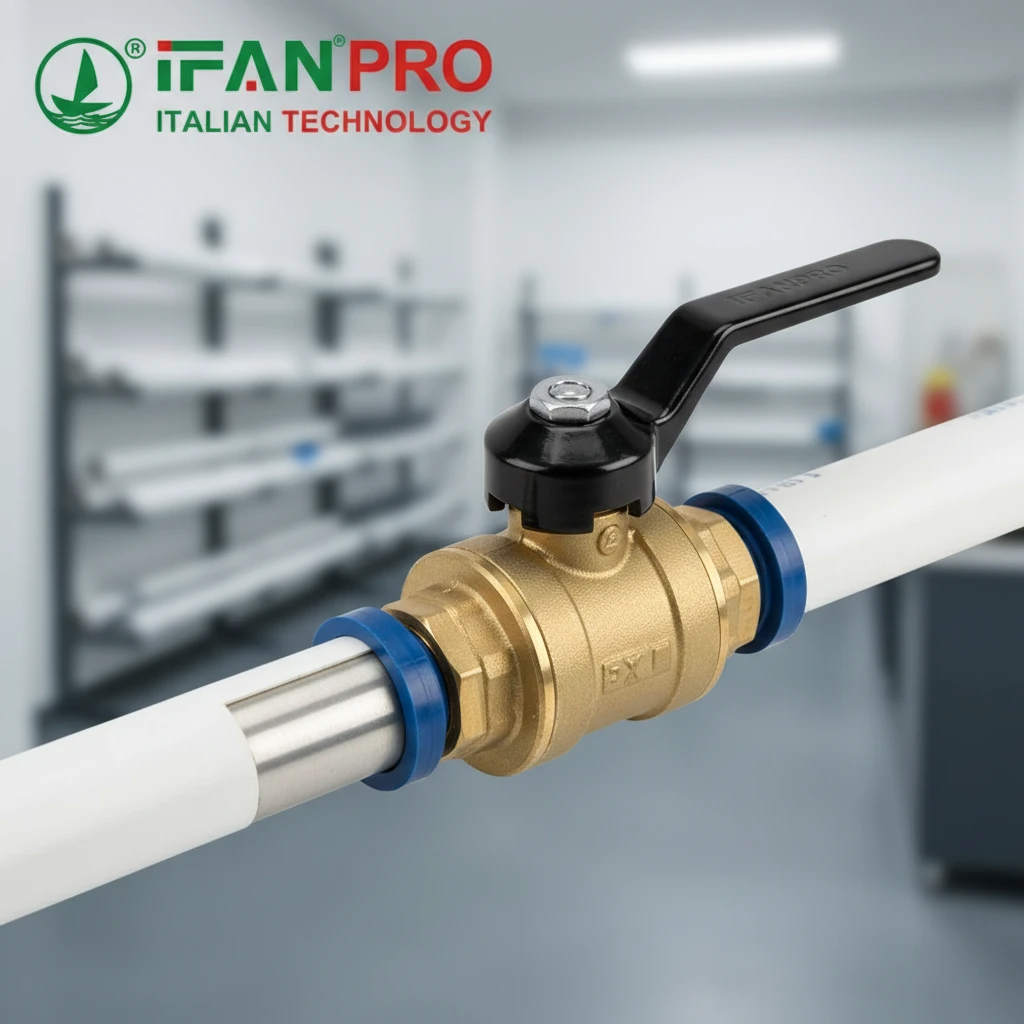
In my years sourcing plumbing components, I’ve seen valves fail quickly when paired with advanced pipes like PEX-AL-PEX. The wrong material choice is usually the culprit.
The valve’s durability with PEX-AL-PEX systems relies on a material composition that matches the pipe’s performance: a lead-free DZR brass or high-performance polymer body, a corrosion-resistant stem like brass or stainless steel, and durable seals like EPDM. These materials must collectively resist scaling, dezincification, and high-temperature aging to ensure a long service life.
Choosing a valve is more than picking a size. Let’s examine what makes specific materials the right choice for this demanding application.
Is the Valve Body Made from a Specific Grade of Brass or Polymer?
A weak valve body is a system’s biggest risk. I recall a project where substandard valve bodies cracked under pressure, causing significant water damage.
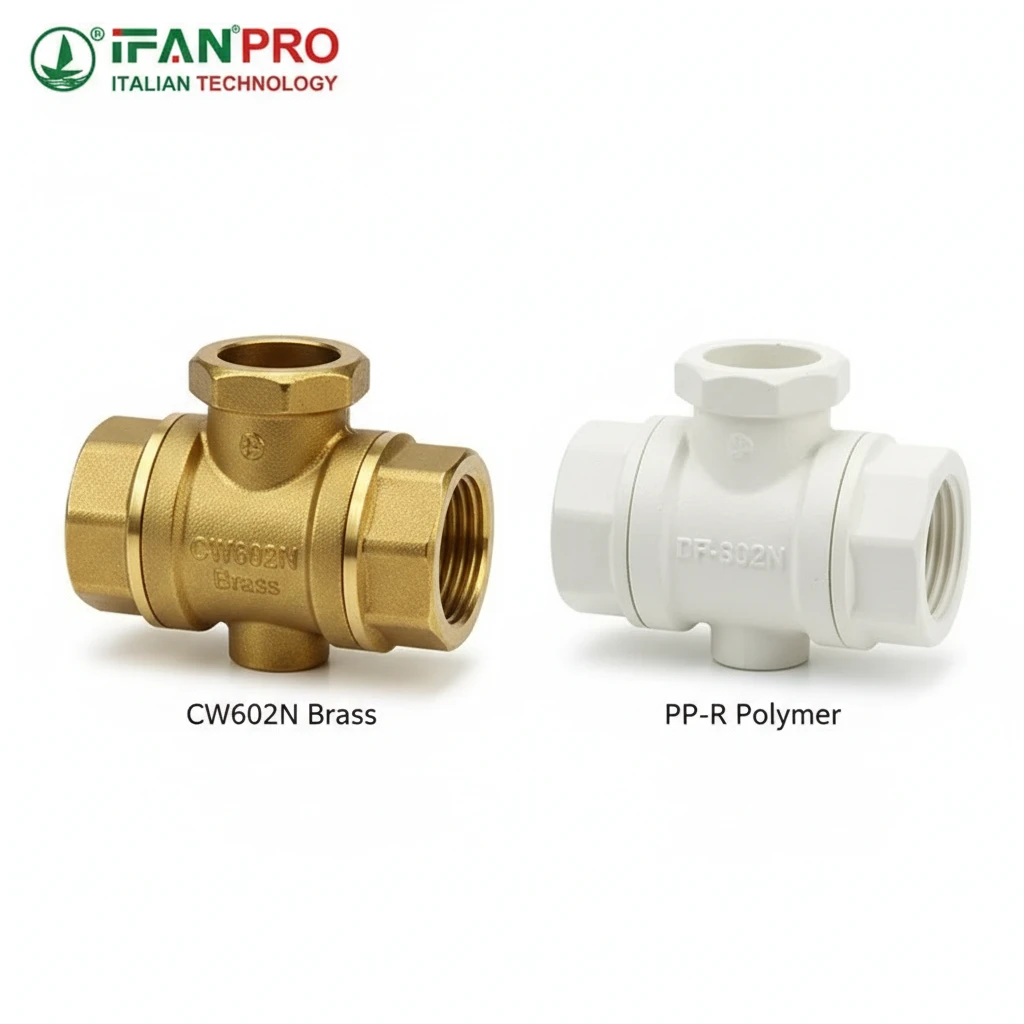
Yes, for durability with PEX-AL-PEX, the valve body must be made from a specific grade. The best choices are Dezincification-Resistant (DZR) brass, often labeled CW510L or CW602N, or high-performance polymers like PP-R or PVDF. These materials provide the necessary strength, corrosion resistance, and thermal stability to match the composite pipe’s long life.
Why Standard Brass Isn’t Good Enough
The valve body is the main structure that holds pressure. For systems using PEX-AL-PEX, which itself is very durable, you cannot use just any brass.
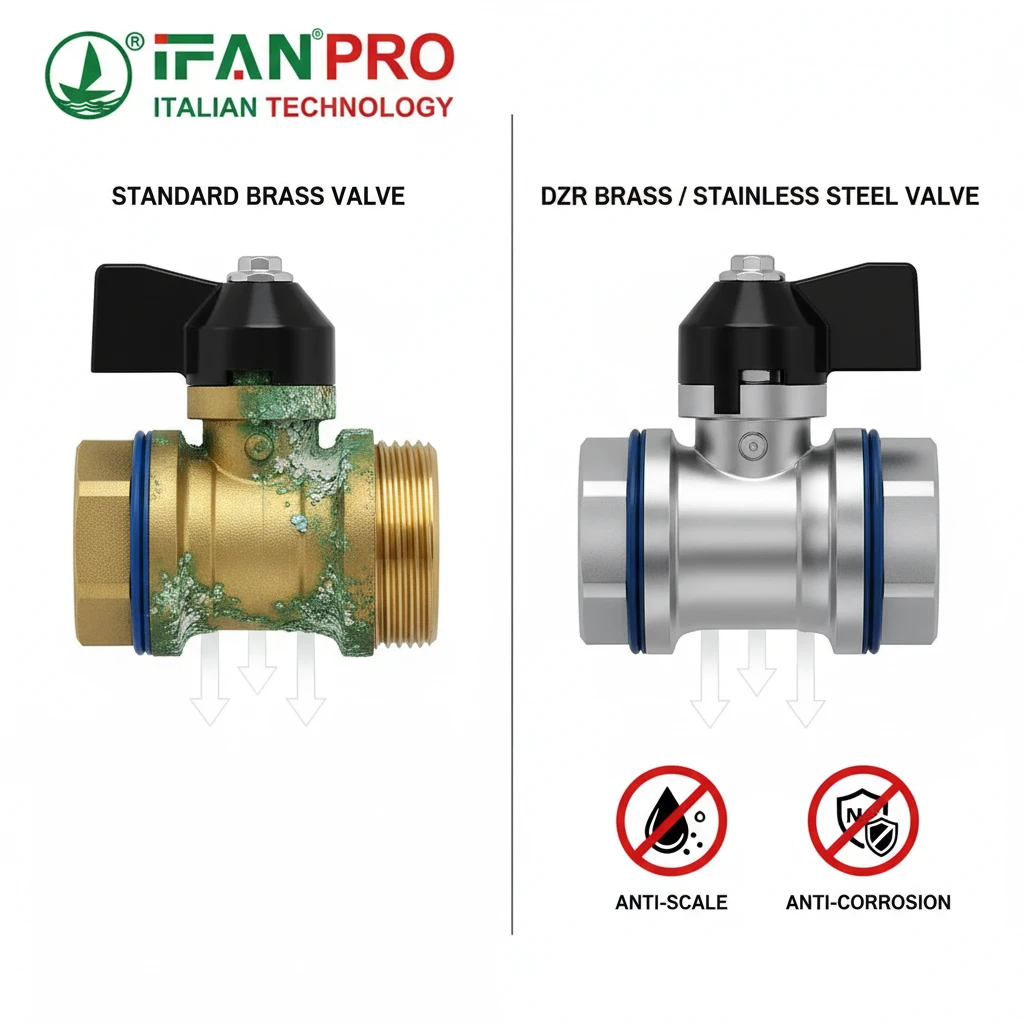
Standard brass is an alloy of copper and zinc. In certain water conditions (soft, acidic, or high in chlorides), a damaging process called dezincification can occur. The zinc leaches out of the alloy, leaving behind a porous, weak, and crumbly copper structure. This severely weakens the valve, leading to catastrophic failures.
This is why a specific brass grade is critical. Dezincification-Resistant (DZR) brass is engineered to prevent this. It contains a small amount of arsenic or other elements that act as inhibitors, protecting the zinc from selective leaching. Common international standards for DZR brass bodies include:
- CW510L (EU Standard): Also known as C85700 in the U.S., this is a lead-free, silicon-containing brass excellent for potable water.
- CW602N (EU Standard): A lead-free brass with excellent machining and corrosion resistance.
The Role of High-Performance Polymers
For certain applications, especially where water chemistry is highly aggressive or where absolute corrosion resistance is needed, high-performance polymers are a superb choice.
- PP-R (Polypropylene Random): This is the same material as PEX-AL-PEX’s inner and outer layers. Using a PP-R valve body ensures perfect thermal expansion compatibility and eliminates any risk of galvanic corrosion. It’s ideal for hot and cold water.
- PVDF (Polyvinylidene Fluoride): This is a premium, ultra-chemical-resistant polymer. It handles higher temperatures and more aggressive fluids than PP-R, making it suitable for industrial applications or areas with very poor water quality.
The table below compares the two primary body material choices:
| Valve Body Material | Key Advantage | Best Use Case | Consideration |
|---|---|---|---|
| DZR Brass (CW510L/CW602N) | High mechanical strength, familiar metal feel, excellent fire resistance. | General residential/commercial plumbing, high-pressure systems, where metal is preferred. | Must be lead-free certified (NSF/ANSI 61, NSF/ANSI 372). |
| High-Performance Polymer (PP-R/PVDF) | Perfect thermal compatibility with PEX-AL-PEX, immune to all corrosion and scaling. | Systems with aggressive water, areas prone to electrolytic corrosion, integrated polymer systems. | Ensure pressure and temperature ratings meet system demands. |
In short, the body sets the foundation. Choosing DZR brass or a compatible polymer ensures the valve’s structure will last as long as the PEX-AL-PEX pipes it controls.
What is the Composition of the Stem, Seals, and Internal Components?
The body is just the shell; the internals do the work. Failure here leads to leaks and inability to control flow, which I’ve seen frustrate many maintenance teams.
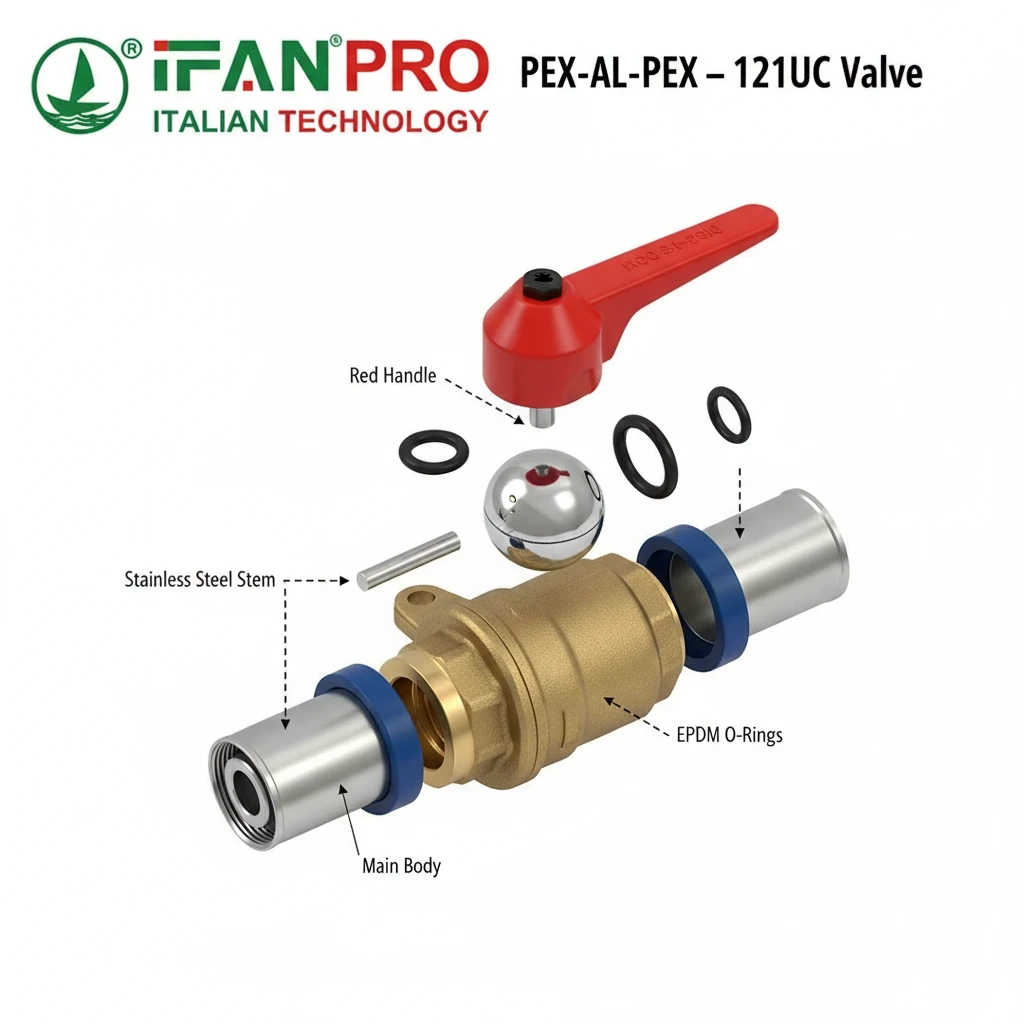
The stem is typically brass or, for better durability, austenitic stainless steel (like 304 or 316). The critical seals are made from EPDM rubber for hot/cold water or FKM/Viton for higher temperatures. Internal springs and washers are usually stainless steel to prevent rust. This combination ensures smooth operation and long-term sealing.
The Stem: The Action Component
The stem is the part you turn (in a manual valve) or that moves (in an actuated valve). It undergoes constant friction and stress.
- Brass Stems: Common and cost-effective. However, in hard water areas, mineral deposits (scale) can bind to brass, making the valve stiff and hard to operate over time.
- Stainless Steel Stems (304/316): This is the superior choice for durability. Stainless steel is much harder and more resistant to scaling and corrosion than brass. A 316 stainless stem offers even better chloride resistance, which is important in areas with chlorinated water or near coasts. It ensures the valve remains easy to turn for decades.
The Seals: The Heart of Leak Prevention
Seals are the most critical wear components. Their failure means a leak, either externally or internally past the closed valve.
- EPDM (Ethylene Propylene Diene Monomer): This is the standard and best material for potable hot and cold water systems (typically up to 110°C/230°F intermittently). It has excellent resistance to water, steam, and aging. It is the only seal material we recommend for standard residential/commercial PEX-AL-PEX systems.
- FKM/Fluoroelastomer (Viton): Used for specialized applications involving higher temperatures, oils, or aggressive chemicals. It is usually not necessary for standard plumbing.
Other Internal Components
Other small parts must also be durable:
- Springs & Washers: These should always be stainless steel. Carbon steel will rust, especially in damp environments inside a valve box, leading to failure and contaminated water.
- Seat Discs: In globe or angle valve designs, the disc that seals against the water flow is often made from a robust polymer like POM (Acetal) or reinforced nylon, paired with an EPDM sealing surface.
Here is a breakdown of a high-quality valve’s internal composition:
| Internal Component | Premium Material Choice | Reason for Choice |
|---|---|---|
| Stem | Austenitic Stainless Steel (304 or 316) | Resists scaling, corrosion, and galling; ensures smooth operation. |
| Main Seals (O-rings, Gaskets) | EPDM Rubber | Excellent long-term elasticity and resistance to hot water aging. |
| Secondary Seals | NBR (Nitrile) or FKM | Used in specific positions if compatibility with other media is needed. |
| Springs | Stainless Steel 302/304 | Provides consistent tension without rusting. |
| Seat/Washers | POM (Acetal) with EPDM insert | Provides a durable mechanical structure with a perfect seal. |
Selecting a valve with this internal material spec guarantees reliable operation and eliminates the common pain point of valves seizing or leaking internally after a few years.
How Do These Materials Resist Scale, Corrosion, and High-Temperature Aging?
Clients often ask why one valve lasts while another fails in the same system. The answer lies in the material’s resistance to three silent destroyers.
These materials resist degradation through specific properties: DZR brass and stainless steel resist dezincification and pitting corrosion. The smooth surface of polymers and metals minimizes scale adhesion. EPDM seals are compounded to retain elasticity and resist hardening when exposed to continuous hot water, preventing leak paths from forming.
The Battle Against Scale (Mineral Buildup)
Scale forms when minerals in hard water (calcium, magnesium) precipitate out and stick to surfaces. This is a major issue for valve operation.
- How Materials Help: Scale adheres best to rough surfaces. High-quality manufacturing ensures valve internals, especially stems and sealing surfaces, have a very smooth, polished finish. This gives minerals less to grip onto. Furthermore, non-corrosive materials like stainless steel or polymers don’t develop a micro-rough corrosion layer that can accelerate scaling. While not scale-proof, they are highly scale-resistant, making them easier to clean and less likely to jam.
Winning the Fight Against Corrosion
Corrosion is the electrochemical breakdown of metals. In a plumbing system, different metals in contact with an electrolyte (water) can create galvanic cells.
- DZR Brass: Its alloying elements form a stable, protective oxide layer that prevents the selective leaching of zinc (dezincification), which is the most common form of brass corrosion in plumbing.
- Stainless Steel (304/316): It contains chromium, which forms an invisible, self-repairing passive layer of chromium oxide on the surface. This layer prevents oxygen and water from reaching the underlying iron, stopping rust. Grade 316 adds molybdenum for even better resistance to chlorides.
- Polymers (PP-R, PVDF): They are completely inert and immune to electrochemical corrosion. This makes them ideal for avoiding galvanic corrosion when connected to different metal pipes or in aggressive soil/water conditions.
Withstanding High-Temperature Aging
PEX-AL-PEX systems often carry hot water. Continuous heat can degrade materials over time, a process called thermal aging.
- Metals (Brass, Stainless Steel): Their melting points are far above plumbing temperatures, so heat alone doesn’t degrade them. However, high temperatures can accelerate chemical corrosion if the water is aggressive.
- EPDM Seals: This is the critical component. Not all EPDM is equal. High-quality, peroxide-cured EPDM is formulated for long-term hot water service. It resists becoming hard and brittle—a process called compression set—which would cause the seal to lose its shape and leak. A good EPDM mix will retain its elasticity and sealing force for decades at typical domestic hot water temperatures (60-80°C).
The following table summarizes how each material handles these challenges:
| Материал | Resistance to Scale | Resistance to Corrosion | Resistance to High-Temp Aging |
|---|---|---|---|
| DZR Brass Body | Good (with smooth finish) | Excellent (vs. dezincification) | Excellent (structure intact) |
| Stainless Steel Stem | Excellent (very smooth, hard surface) | Excellent (forms passive layer) | Excellent (structure intact) |
| Polymer (PP-R) Body | Excellent (very smooth, inert) | Perfect (no corrosion) | Excellent (for rated temps) |
| EPDM Seals | Not Applicable | Excellent (to water/steam) | Critical: Must be high-quality, heat-stabilized compound. |
Understanding these properties shows why material specification is a science, not an afterthought.
Are the Materials Tested for Long-Term Compatibility with Composite Pipes?
Installing an untested valve is a gamble. We’ve learned to insist on proof of compatibility to avoid callbacks and system failures.
Yes, reputable manufacturers rigorously test valve materials for long-term compatibility. This includes immersion tests in potable water at elevated temperatures, thermal cycling tests to simulate years of use, and checks for galvanic corrosion when connected to PEX-AL-PEX’s aluminum layer. Certifications like NSF/ANSI 61 for potable water and specific approvals for composite pipe systems provide this verified proof.
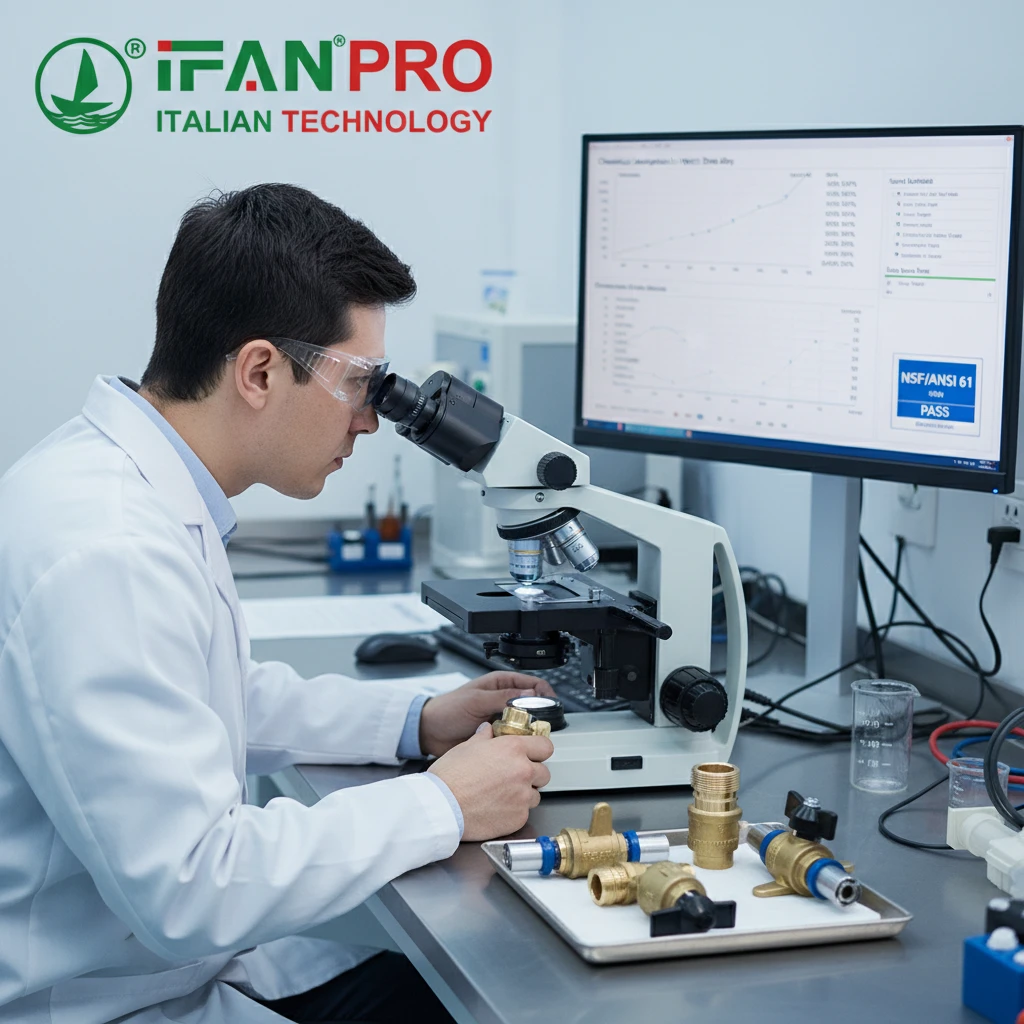
Understanding the Key Compatibility Tests
True compatibility testing goes beyond a simple pressure test. It simulates decades of real-world use in an accelerated timeframe.
1. Long-Term Hydrostatic Strength Test: This is the baseline. It subjects the valve to constant water pressure at a high temperature (e.g., 70°C or 158°F) for a minimum of 1,000 hours. The valve must not leak or show signs of deformation. This test predicts the material’s resistance to “creep” or slow deformation under pressure and heat.
2. Thermal Cycling Test: This is crucial for systems with hot water. The valve undergoes thousands of rapid cycles between cold and hot water (e.g., 20°C to 90°C). This stresses materials and seals differently than constant heat, checking for fatigue, cracking, or loosening of components.
3. Fluid Compatibility & Extractables Testing: For NSF/ANSI 61 certification, the valve materials are immersed in test waters. Labs then analyze the water to ensure no harmful levels of metals or chemical compounds leach out. This ensures safety over the product’s lifetime.
4. Galvanic Corrosion Assessment: Since PEX-AL-PEX contains an aluminum layer, there is a theoretical risk of galvanic corrosion if it contacts a dissimilar metal like brass. Proper testing involves connecting the valve to the pipe with the intended fittings and exposing the assembly to an electrolyte in an accelerated test chamber. A compatible system will show no significant corrosive attack on the aluminum layer.
The Importance of Third-Party Certification
Manufacturer claims are not enough. Look for certifications from independent, internationally recognized bodies:
| Certification | What it Proves | Why it Matters for PEX-AL-PEX |
|---|---|---|
| NSF/ANSI 61 | The product is safe for contact with drinking water and does not leach contaminants above safe limits. | Non-negotiable for health and safety in any potable water system. |
| DVGW/W270 (Germany) | Certifies hygienic suitability and material durability, including resistance to biofilm formation. | Indicates very high material quality and long-term performance standards. |
| KIWA/ACS (UK/EU) | Approves products for use in drinking water installations under specific national regulations. | Often required for projects in Europe, signifying rigorous testing. |
| Manufacturer’s Composite Pipe Approval | Specific validation from the valve maker that the product is compatible with major PEX-AL-PEX pipe brands (e.g., Uponor, Valsir). | Provides direct assurance of system compatibility and performance. |
When you choose a valve, always request these test reports and certificates. They are your guarantee that the materials won’t interact negatively with the PEX-AL-PEX pipe, ensuring a unified, durable system.
Заключение
Valve durability with PEX-AL-PEX demands specific, tested materials like DZR brass, stainless steel, and EPDM. For a guaranteed compatible and long-lasting solution, choose IFAN’s PEX-AL-PEX ball valves, engineered and certified for perfect system integration.




 Русский
  English
  Français
  Español
Последние комментарии