
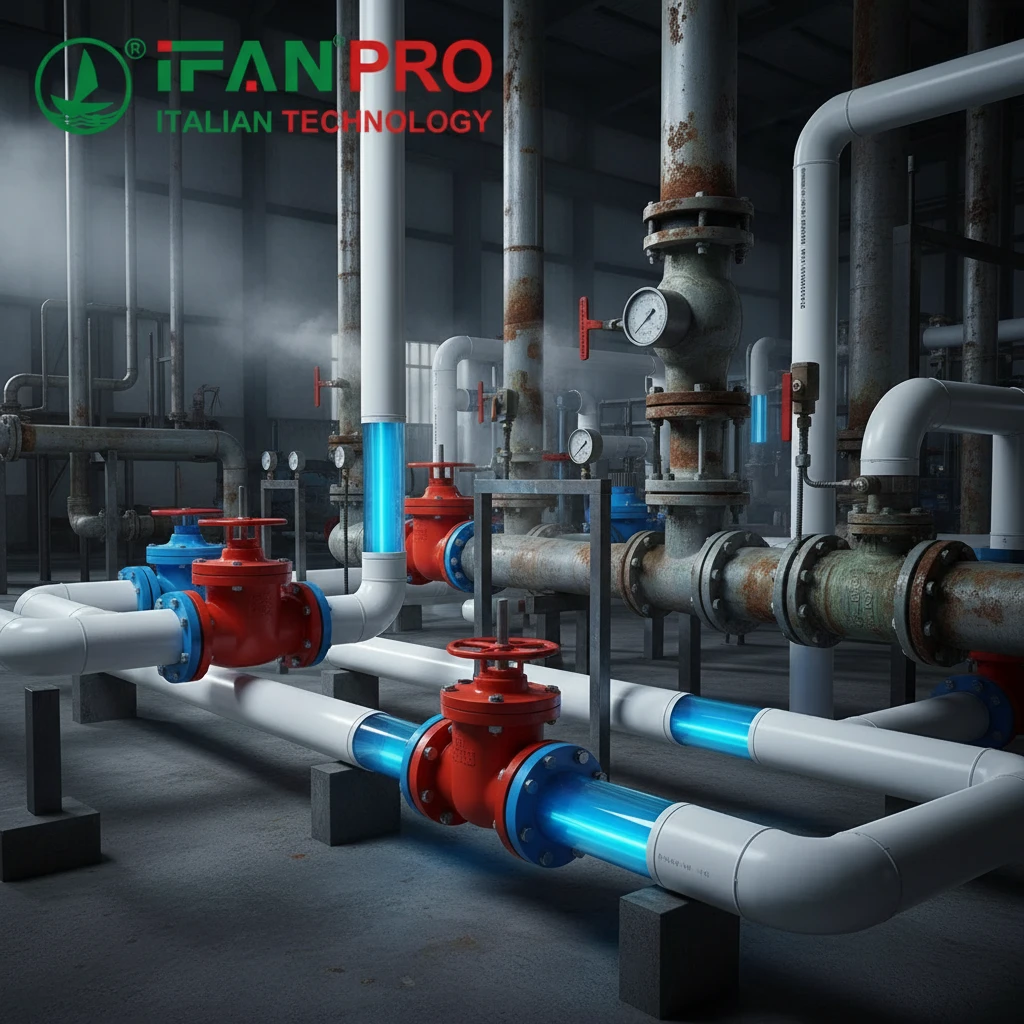
I once saw a costly stainless steel valve fail in months, eaten away by a chemical it wasn’t designed to handle. That moment cemented my belief in choosing the right material for the job, not just the most expensive one.
You should choose a PVC valve for corrosion-resistant pumping because it is inherently immune to a vast range of corrosive chemicals, offers significant cost savings over specialty metal alloys, and drastically reduces maintenance-related downtime. This makes it the most reliable and economical choice for handling many aggressive fluids in industrial and water treatment applications.
If you are tired of frequent valve replacements and unexpected shutdowns, understanding PVC’s advantages can transform your pumping system’s reliability and your bottom line.
How Does PVC Material Composition Resist Chemical Corrosion in Pumping Systems?
The sight of a corroded valve leaking hazardous fluid is a nightmare. This is where PVC’s inherent property makes it a champion.
PVC (Polyvinyl Chloride) resists chemical corrosion because it is an inert thermoplastic. Its molecular structure does not react with a wide spectrum of acids, bases, salts, and alcohols. Unlike metals, it does not undergo electrochemical corrosion (rusting or galvanic corrosion), ensuring the valve body and internals remain intact and functional when exposed to aggressive media.

The Science of Inertness vs. Metal Corrosion
To understand why PVC lasts, we need to compare it to metals. Metal corrosion is an electrochemical process. When a metal valve is exposed to a corrosive fluid, it essentially gives up tiny particles (ions) to the fluid. This reaction weakens the metal, causing pits, cracks, and eventually failure. You can see this as rust on iron or the green patina on copper.
PVC works differently. It is a polymer, a long chain of molecules. This structure is fundamentally non-metallic and inert. For most chemicals, there is no electrochemical reaction to initiate. The fluid simply contacts the PVC surface and flows past. There are no electrons transferring, no ions leaching out. The material remains physically unchanged.
Key Areas of Protection in a Valve
This inertness protects every part of the valve:
- Body and Bonnet: The main structure remains dimensionally stable and strong.
- Internal Passageways: The smooth bore does not roughen or trap deposits, maintaining flow efficiency.
- Seals and Seats: While these are often made of compatible elastomers like EPDM or Viton, the PVC body protects them from degradation caused by a corroded sealing surface.
Comparison of Corrosion Mechanisms
| Material Type | Corrosion Mechanism | Result in Aggressive Environments |
|---|---|---|
| PVC (Thermoplastic) | Chemical Inertness. No electrochemical reaction with most chemicals. | Surface remains smooth and unchanged. No loss of wall thickness. |
| Carbon Steel | Electrochemical Oxidation (Rust). | Forms iron oxide scale, pits, and eventually leaks. |
| Stainless Steel (304/316) | Galvanic & Crevice Corrosion. Can be attacked by chlorides. | Develops pitting and cracking, especially under gaskets or in stagnant areas. |
| Brass/Bronze | Dezincification and Acid Attack. | Selective leaching of zinc weakens the alloy; acids dissolve the metal. |
Real-World Application and Limits
This does not mean PVC is magical. It has its limits. Strong oxidizers, concentrated sulfuric acid, some aromatic hydrocarbons, and certain solvents can attack PVC. The key is compatibility. Always consult a chemical resistance chart before selection. For the vast majority of common corrosive fluids—like hydrochloric acid, sodium hypochlorite (bleach), ferric chloride, and many plating solutions—PVC is not just adequate; it is often the best possible choice. Its performance is predictable and consistent, removing the guesswork from material selection for many standard corrosive duties.
What Makes PVC Valves More Cost-Effective Than Metal Valves in Corrosive Applications?
Budget overruns from replacing high-end metal valves can cripple a project. PVC provides a smart financial shield.
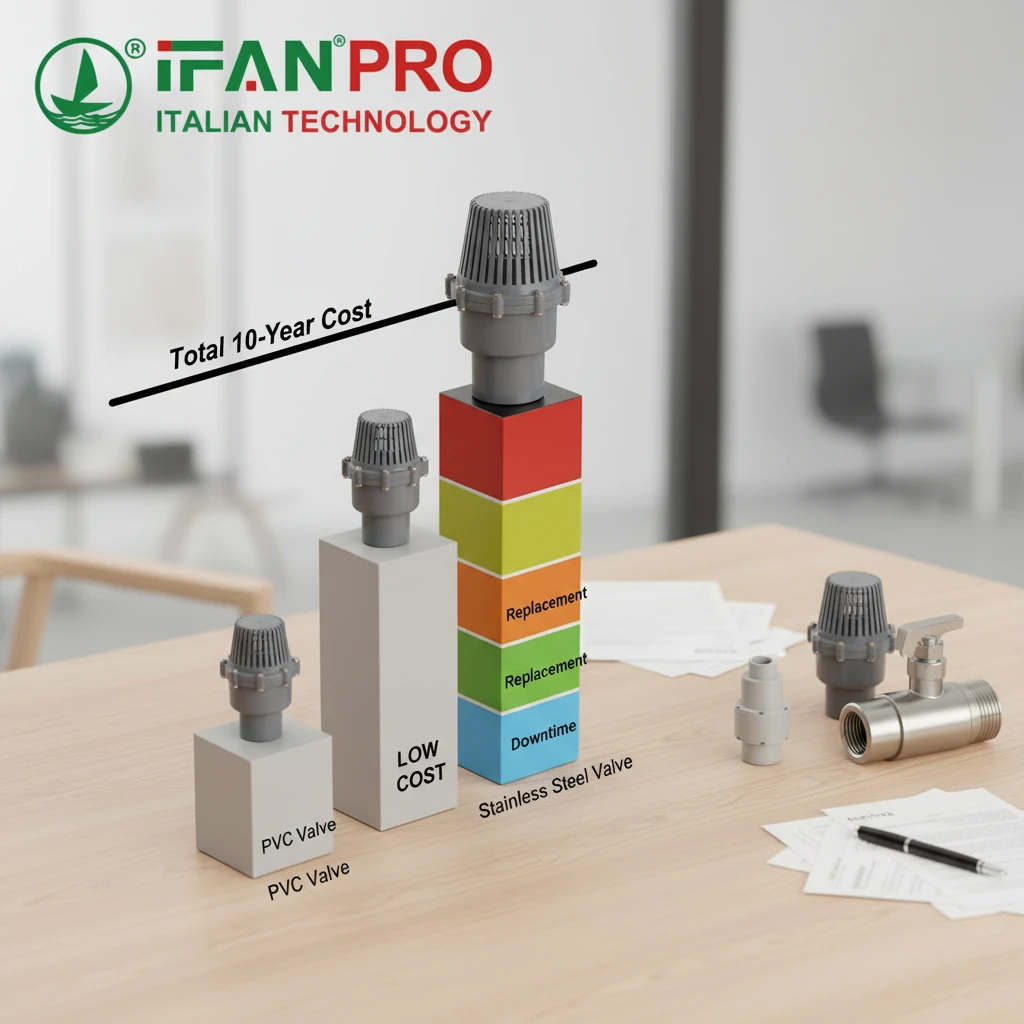
PVC valves are more cost-effective because the raw material is significantly cheaper than corrosion-resistant metal alloys like Hastelloy or Tantalum. Their simpler manufacturing process, lower installation weight, and dramatically longer service life in suitable applications lead to a far lower total cost of ownership, saving capital and maintenance budgets.
Analyzing the Initial Purchase Price
The first cost advantage is obvious. Compare the price of a 2-inch ball valve in PVC to one in 316 Stainless Steel, and then to one in a high-grade alloy like Duplex Steel or Hastelloy. The price difference is not incremental; it is exponential. For the initial outfitting of a plant or system, using PVC where chemically appropriate can reduce valve line item costs by 60-80% compared to specialty metals. This frees up capital for other critical areas.
The Hidden Savings: Installation and Lifetime Cost
The savings go much deeper than the purchase order.
- Easier Installation: PVC valves are lightweight. A single worker can easily handle large-diameter valves that would require a lifting device if made from metal. This reduces installation time, labor cost, and risk of injury.
- Reduced Maintenance & Downtime: This is the most significant financial benefit. A correctly specified PVC valve in a compatible service will last for years without issue. It won’t corrode shut, won’t develop pinhole leaks, and won’t contaminate the process fluid with metal ions. This eliminates the direct costs of replacement parts and the massive indirect costs of production downtime for repairs.
- No Need for Cathodic Protection: Metal piping systems often require expensive cathodic protection systems to mitigate galvanic corrosion. PVC systems need none of this, simplifying design and eliminating an ongoing maintenance cost.
Total Cost of Ownership Scenario
Imagine a chemical dosing line handling a mild acid:
| Cost Factor | PVC Valve System | 316 Stainless Steel Valve System |
|---|---|---|
| Initial Valve Cost (per valve) | $100 | $400 |
| Installation Labor & Equipment | Low (lightweight) | High (may need lifting) |
| Expected Service Life in this Duty | 8-10 years | 2-3 years (before pitting occurs) |
| Maintenance Cycle | Mostly inspection | Likely replacement every 3 years |
| Cost of Production Downtime for Swap | $0 (no unplanned stops) | High (multiple planned stops) |
| Total 10-Year Cost | ~$100 + minimal labor | ~$1200 + high labor + downtime costs |
The table shows that the “cheaper” metal valve ends up costing far more over time. PVC’s cost-effectiveness is rooted in its fit-for-purpose application. It is not a “cheap alternative”; it is the optimal economic solution for a well-defined set of corrosive conditions.
Which Chemicals and Fluids Are PVC Valves Best Suited for Handling Safely?
Choosing the wrong valve material is a safety risk. Knowing PVC’s strengths builds confidence in specification.
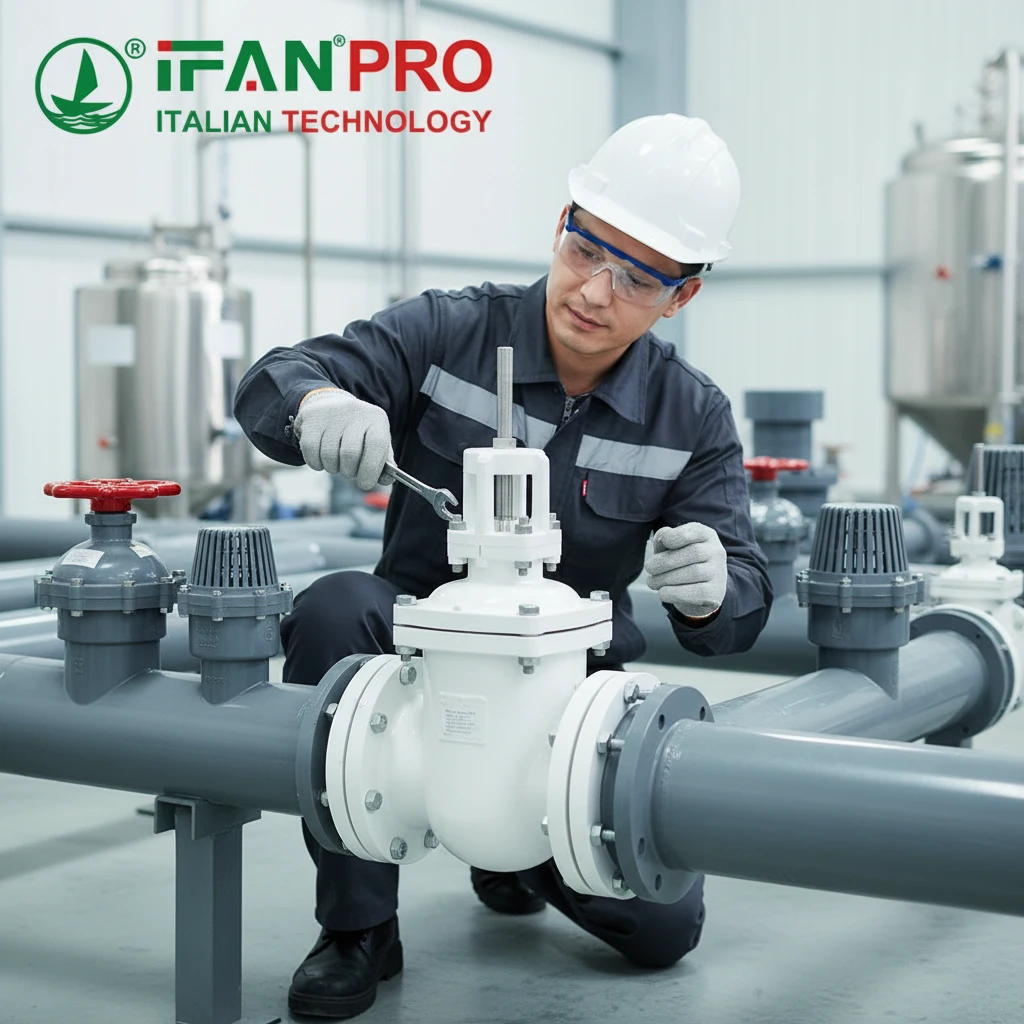
PVC valves are best suited for handling inorganic acids, bases, salts, and oxidants at various concentrations. They excel with fluids like hydrochloric acid, sodium hydroxide, bleach, ferric chloride, and brine solutions. They are also standard for handling corrosive water, wastewater, and many plating or pickling bath solutions safely and reliably.
The Core Strength: Inorganic Compounds
PVC’s polymer chain is exceptionally stable when exposed to many inorganic chemicals. These are typically water-based solutions with no or low organic solvent content. The material’s resistance is so good that it becomes the default choice for entire industries.
Common Safe Applications Include:
- Water & Wastewater Treatment: Handling chlorine, sodium hypochlorite, alum, ferric chloride, and various pH adjustment acids and bases.
- Chemical Processing: Transferring hydrochloric acid, sulfuric acid (at certain concentrations), sodium hydroxide, and other process intermediates.
- Electroplating & Metal Finishing: Circulating aggressive plating baths containing chromic acid, nickel salts, and acid pickling solutions.
- Bleach & Disinfectant Manufacturing: Managing sodium hypochlorite (bleach) at various strengths.
Critical Reference: The Chemical Resistance Chart
You must never guess. Every reputable PVC valve manufacturer provides a chemical resistance chart. This is your essential guide. The chart typically lists hundreds of chemicals and provides a rating (like “Excellent,” “Good,” “Fair,” or “Not Recommended”) for each, often at different concentrations and temperatures.
PVC Chemical Compatibility Guide (Examples)
| Chemical Fluid | Concentration | Temperature Limit | PVC Suitability & Notes |
|---|---|---|---|
| Hydrochloric Acid | Up to 37% | Up to 60°C (140°F) | Excellent. A primary application for PVC. |
| Sodium Hydroxide (Caustic Soda) | Up to 50% | Up to 60°C (140°F) | Excellent. Widely used in chemical transfer. |
| Sodium Hypochlorite (Bleach) | Up to 15% | Up to 40°C (104°F) | Excellent. Standard for water treatment. |
| Sulfuric Acid | Up to 70% | Up to 50°C (122°F) | Good to Excellent. Consult chart for specific concentration. |
| Acetic Acid | Up to 50% | Up to 40°C (104°F) | Good. |
| Citric Acid | Any | Up to 60°C (140°F) | Excellent. |
Important Limitations to Remember
While the list of compatible chemicals is long, the limitations are critical. PVC is generally not recommended for:
- Aromatic Hydrocarbons: Such as benzene, toluene, xylene.
- Chlorinated Hydrocarbons: Such as carbon tetrachloride, trichloroethylene.
- Ketones: Such as acetone, methyl ethyl ketone (MEK).
- Concentrated Oxidizing Acids: Like nitric acid above certain concentrations.
- Essential Oils and Some Strong Solvents.
Always cross-reference your specific fluid with the manufacturer’s chart. When in doubt, conduct a simple immersion test with a PVC sample. This due diligence ensures long-term safety and system integrity.
How Do PVC Valves Reduce Maintenance Downtime in Aggressive Pumping Environments?
Unplanned maintenance stops are the enemy of productivity. PVC valves act as a reliable barrier against them.
PVC valves reduce maintenance downtime because their non-corroding nature prevents the most common failure modes: seizure, leakage from body corrosion, and contamination. They operate reliably cycle after cycle without degradation, enabling predictable maintenance scheduling and eliminating the frequent emergency shutdowns required to replace failed metal valves.

Eliminating the Primary Failure Mode: Corrosion-Based Seizure
In a corrosive pumping environment, the biggest threat to a metal valve is seizure. Corrosion products build up on the ball, plug, or stem. They fuse moving parts together. One day, an operator tries to turn the valve, and it won’t move. This is an emergency. The line must be isolated, drained, and the valve forcibly removed and replaced, halting production for hours.
PVC valves simply do not have this problem. The valve body and internal components do not corrode. There is no rust or scale to bind the moving parts. The ball or plug continues to rotate smoothly within the inert body. This ensures the valve remains operable for its entire service life, which is the most basic requirement for reliability.
Preventing Leaks and Ensuring Seal Integrity
The second major downtime cause is leakage. Metal valve bodies can corrode through, especially at thin sections or weld points. Gasket surfaces can become pitted and uneven, preventing a proper seal. Each leak requires investigation, containment, and repair—more unplanned downtime.
A PVC valve maintains its structural integrity. The smooth, non-corroding sealing surfaces allow gaskets and seals to perform as designed. The body will not develop pinhole leaks. This reliability means the valve only needs attention during planned system-wide maintenance, not as a frantic reactive task.
Impact on Maintenance Planning and Costs
| Maintenance Activity | Typical Metal Valve in Corrosive Service | PVC Valve in Compatible Service |
|---|---|---|
| Inspection Frequency | Frequent (monthly/quarterly) for signs of corrosion. | Infrequent (annual) for general operability. |
| Expected Failure Mode | Seizure, leakage through body, stem failure. | Failure is rare; usually related to mechanical abuse or UV exposure. |
| Replacement Cycle | Short (1-5 years, depending on aggressiveness). | Long (10+ years in suitable applications). |
| Type of Work | Often emergency, reactive, and disruptive. | Planned, scheduled, and predictable. |
| Downtime Cost Impact | High (unplanned production stoppages). | Low to None (integrated into planned shutdowns). |
Contributing to a Predictive Maintenance Culture
This reliability shift is profound. When you use PVC valves appropriately, you remove a major source of unpredictability from your plant. Maintenance managers can move from a reactive “fire-fighting” mode to a predictive, planned mode. Spare parts inventory for valves can be reduced because failure rates plummet. Operational confidence increases because the valves are known to be robust for the duty.
In essence, PVC valves don’t just last longer; they create time and space for your operations team by removing a persistent source of problems. This translates directly to higher overall equipment effectiveness (OEE) and lower total operating costs.
Заключение
For handling many corrosive fluids, PVC valves offer unmatched reliability, safety, and cost savings. For a full range of certified, high-performance PVC valves, trust ИФАН to meet your specific application needs.




 Русский
  English
  Français
  Español
Последние комментарии