
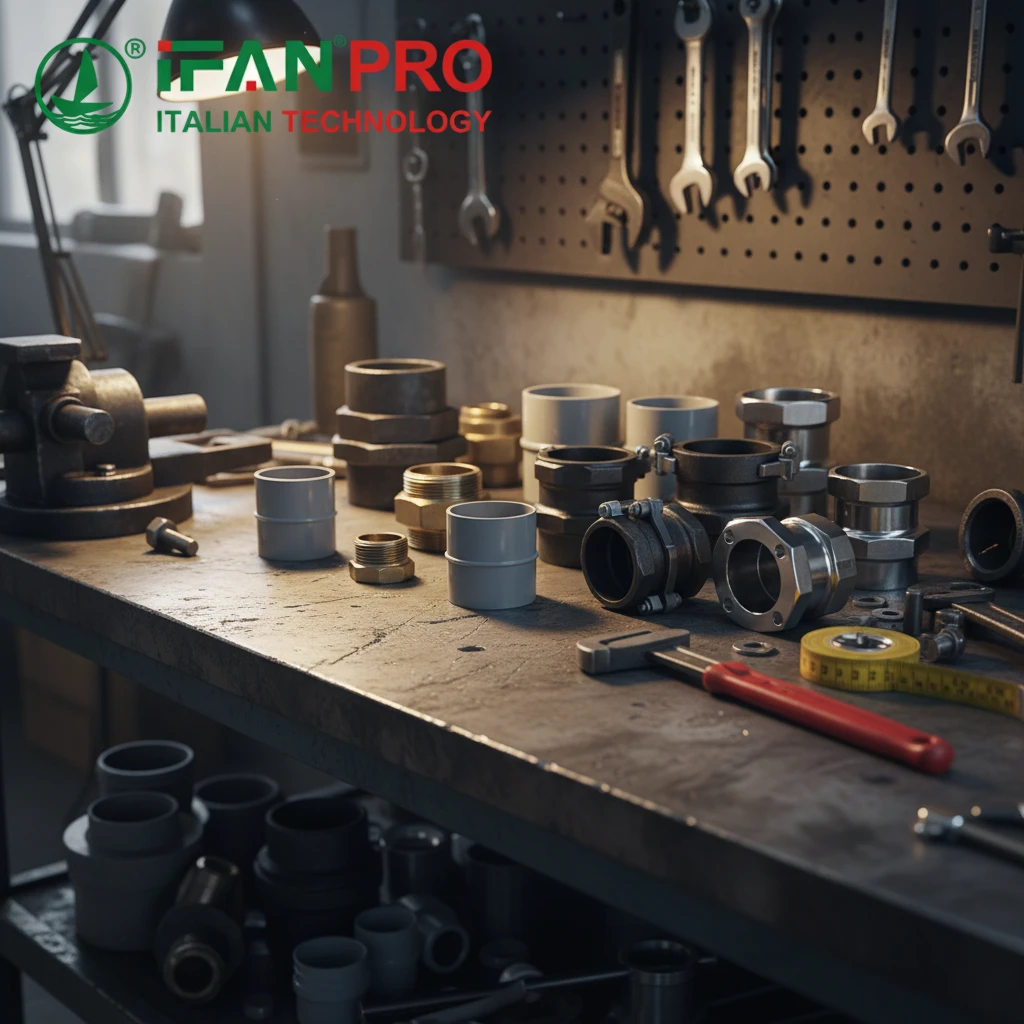
I once visited a factory where a leaking pipe joint caused a full-day shutdown. The problem was a poorly chosen coupling. That moment showed me how this simple part is the critical link in any piping system.
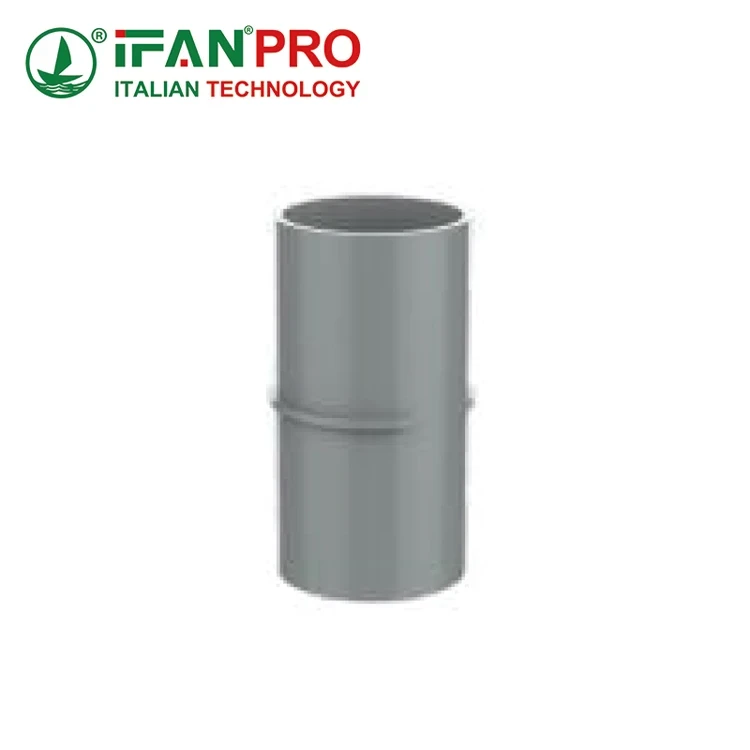
A coupling is a short pipe fitting that workers use to connect two pipes of the same or similar diameter in a straight line. Its main use is to create a secure, leak-proof joint for extending pipe runs, repairing sections, or modifying systems in plumbing, industrial, and construction applications.
Now, let’s explore how this essential component works and how you can choose the right one.
How Does a Pipe Coupling Securely Connect Two Pipes Together?
A loose connection means a leak. I always explain that the coupling’s job is to create a seal stronger than the pressure inside the pipe.
A pipe coupling securely connects two pipes by using a mechanical sealing method. For permanent joints, workers often use threading, soldering, or solvent welding to fuse the pipes together. For temporary joints, mechanical couplings use compression gaskets, clamps, or bolts to create a tight seal around the pipe ends without needing preparation.
The Principle of Creating a Seal
The main job of any coupling is to create a reliable seal that stops the fluid inside from escaping. Its method depends on the pipe material and the need for a permanent or detachable connection. First, a good coupling must align the two pipe ends perfectly because misalignment causes stress and leads to early failure. Next, the coupling must bridge the gap between the pipe ends and lock itself in place, either by bonding to the pipe or by compressing a seal against it.
Common Connection Methods in Detail
Here are the most common ways couplings create a secure connection:
- Threaded Connections: This is a very common method for metal pipes. The coupling has female threads inside. The pipe ends have male threads. You screw the pipes into the coupling, and the threads lock mechanically. People use pipe sealant tape on the threads to create a water-tight seal. This is a semi-permanent method.
- Soldering/Brazing (For Copper): This is a permanent method. A worker inserts the smooth ends of copper pipes into a smooth copper coupling. Then, they apply heat with a torch and melt solder into the gap. The solder flows in and solidifies, creating a metal bond as strong as the pipe itself.
- Solvent Welding (For PVC/CPVC): This is a permanent method for plastic pipes. A worker applies a primer and then a special cement to the pipe end and the inside of the coupling. These chemicals melt the plastic surfaces. Then, they insert the pipe and hold it. The plastics fuse together as the solvent evaporates, creating a single piece.
- Compression/Gasket Seals (Mechanical Couplings): This is key for temporary repairs. The coupling houses a rubber gasket. When you tighten the bolts or clamps, it compresses this gasket tightly around the outside of the pipes. This pressure creates a powerful seal that can handle high pressure. Importantly, this method needs no pipe modification beyond a clean cut.
How Different Couplings Handle Pressure
The table below shows how coupling types manage the force inside the pipe.
| Coupling Type | Primary Sealing Method | How It Holds Against Pressure |
|---|---|---|
| Резьба | Thread lock + sealant tape/compound | Threads prevent pull-out; sealant fills microscopic gaps. |
| Soldered | Molten metal bond | The fused metal joint has uniform strength. |
| Solvent-Welded | Chemically fused plastic | The joint becomes part of the pipe wall. |
| Mechanical | Compressed gasket/ferrule | Bolt torque creates radial pressure, squeezing the gasket onto the pipe. |
In summary, a coupling doesn’t just “hold” pipes; it actively creates a continuous, sealed pathway. Therefore, the best coupling makes the joint the strongest part of the line.
What Are the Common Uses of Couplings in Plumbing and Industrial Systems?
From a small bathroom leak to a massive chemical plant, couplings are everywhere. Their uses fall into a few clear, critical categories.
People commonly use couplings to repair damaged pipe sections, to extend existing pipelines, to connect two different pipe materials, and to allow for the disassembly of system sections for maintenance. These uses apply to both plumbing and industrial settings.
Repair and Maintenance: The First Line of Defense
This is the most frequent use. For example, when a pipe bursts or corrodes, a technician can cut out the damaged section. Then, they install a repair coupling to join the two good ends. This method is fast, cost-effective, and minimizes downtime.
- Plumbing Example: Fixing a pinhole leak in a home water line.
- Industrial Example: Replacing a section of conveyor line damaged by impact.
System Extension and Modification
During construction, workers often need to make pipes longer. They use a standard full coupling to connect two new pipe lengths in a straight line. Additionally, couplings are essential when modifying a layout, like adding a new branch line. They provide the necessary connection points for these changes.
Connecting Different Materials
Often, a system uses more than one type of pipe. For instance, a main line might be steel, but a branch needs a copper line. A transition coupling is designed for this. It might have a threaded end for steel and a smooth socket for soldering copper. This design prevents galvanic corrosion and provides a proper seal.
Accommodating Movement and Vibration
In certain applications, pipes need to move slightly. Flexible couplings absorb vibration from pumps, allow for thermal expansion, or connect misaligned pipes. Consequently, they prevent stress from breaking rigid joints.
Critical Industrial Applications
In factories, couplings also serve more specialized purposes:
- Containment and Safety: In systems for hazardous chemicals, a special coupling seals the inner pipe and also connects the outer containment pipe, ensuring it catches any leak.
- Flow Control: Reducing couplings directly connect pipes of two different diameters, which eliminates the need for a separate reducer fitting.
- Quick Disconnect: For lines that need frequent access, quick-disconnect couplings allow pipes to disconnect and reconnect without tools in seconds.
Common Use Case Summary
The following table categorizes the primary uses and their typical settings.
| Primary Use | Typical Setting | Coupling Type Often Used |
|---|---|---|
| Emergency Repair | Plumbing, Municipal Water | Slip Repair Coupling, Mechanical Clamp |
| System Extension | Construction, HVAC | Standard Full Coupling (Threaded, Solvent, etc.) |
| Material Transition | Industrial Plants, Retrofit Projects | Transition Coupling |
| Vibration Damping | Pump/Compressor Connections, HVAC | Flexible Coupling |
| System Maintenance Access | Process Lines, Food & Beverage | Quick-Disconnect Coupling |
In essence, understanding these uses helps you see the coupling as a versatile tool for building, maintaining, and adapting fluid systems, not just as a simple piece of hardware.
What Different Types of Pipe Couplings Are Available for Specific Applications?
Choosing the wrong type is a common mistake. I always tell clients that the material and system pressure dictate the coupling choice.
The main types of pipe couplings are permanent couplings (like threaded or solvent-welded), temporary mechanical couplings (like compression types), flexible couplings (for movement), and specialized couplings (like slip or quick-disconnect types). Each type suits different materials and system needs.
Category 1: Permanent Couplings
These couplings become a fixed part of the piping system. People do not mean to remove them.
- Threaded Couplings: These are basic, hollow cylinders with internal threads. Workers use them heavily with steel, galvanized, and sometimes PVC pipes. They require pre-threaded pipe ends.
- Socket-Weld Couplings: Professionals use these for high-pressure steel pipelines. They insert the pipe into a recess in the coupling and then weld around the rim. This provides strong, reliable joints.
- Butt-Weld Couplings: Workers bevel the pipe ends and the coupling and then weld them together around the entire circumference. This is the standard for critical process lines in oil, gas, and chemical plants.
- Soldered & Solvent-Weld Couplings: As described earlier, these are for copper and plastic pipes respectively. The coupling has a smooth inner diameter that accepts the pipe end for bonding.
Category 2: Temporary or Mechanical Couplings
These allow for non-permanent connections. They are ideal for repairs, temporary lines, or where disassembly is needed.
- Compression Couplings: These use a nut and ferrule(s). Tightening the nut compresses the ferrule onto the pipe, which creates a seal. They are common for small-diameter tubing.
- Flanged Couplings: Workers weld or thread two flanges onto pipe ends. Then, they bolt these flanges together with a gasket in between. This is the standard for large-diameter industrial piping that needs periodic disassembly.
- Grooved Couplings: A worker cuts a groove near the pipe end. A housing with a rubber gasket wraps around the pipe ends, and a key segment locks into the grooves. Bolts tighten the housing. This method is very fast for large pipes in fire protection or industrial water systems.
Category 3: Special-Purpose Couplings
These solve specific problems.
- Slip/Repair Couplings: These have no internal stop. They can slide over a pipe to cover a damaged area, connecting two pipe ends that cannot move apart. They are essential for quick fixes.
- Reducing Couplings: They change pipe size within a single fitting, connecting a larger pipe to a smaller one directly.
- Flexible Couplings: These have a rubber or flexible metal body to absorb vibration, compensate for misalignment, or allow for movement.
- Quick-Disconnect Couplings: They allow instant connection and disconnection without tools, often with a self-sealing valve to prevent spillage.
Coupling Type Selection Guide
This table helps match the coupling type to the application.
| Coupling Type | Best For These Materials | Typical Applications | Permanent/Temporary |
|---|---|---|---|
| Резьба | Steel, GI, Brass, PVC | Low-pressure plumbing, gas lines, irrigation | Semi-Permanent |
| Solvent-Weld | PVC, CPVC, ABS | Drain lines, pool plumbing, chemical drainage | Permanent |
| Grooved | Steel, Stainless, Ductile Iron | Fire sprinklers, process water, mining pipes | Temporary |
| Compression | Copper, Plastic, Nylon Tubing | Ice makers, under-sink filters, lab equipment | Temporary |
| Фланцевый | Steel, Stainless, Alloy | Process plants, pump/valve connections, water mains | Temporary |
In conclusion, knowing these types allows you to communicate precisely with suppliers and ensures the coupling you get is designed for your specific job.
How Do You Select the Right Coupling for Your Piping System Requirements?
I ask clients four key questions before suggesting a coupling. This process avoids most installation and failure problems.
You select the right coupling by first identifying the pipe material and diameter. Then, determine the system’s fluid type and pressure. Next, decide if the connection needs to be permanent or removable. Finally, consider environmental factors like temperature and vibration to ensure long-term reliability.
Step 1: Identify the Basics – Pipe Material and Size
This is the starting point. The coupling must be compatible with the pipe material to avoid corrosion.
- Material Match: Use brass or stainless steel for copper pipes. Use PVC couplings for plastic pipes. For steel, use carbon or galvanized steel couplings. Using the wrong material can cause galvanic corrosion.
- Exact Size: Measure the pipe’s outer diameter (OD) and nominal size. The coupling must match exactly. A common mistake is confusing nominal size with actual diameter.
Step 2: Analyze the System’s Operating Conditions
The coupling must withstand what’s inside and around the pipe.
- Fluid Type: Is it water, oil, a chemical, or gas? The coupling’s material and internal gasket must be chemically compatible. For example, EPDM gaskets are good for hot water, while Viton suits certain chemicals.
- Pressure and Temperature: Know the maximum working pressure and temperature. The coupling’s pressure rating must exceed the system’s maximum pressure with a safety margin.
Step 3: Define the Connection’s Purpose
This determines the coupling category.
- Permanent Installation: Choose welded or solvent-welded couplings for fixed systems where no future disassembly is planned. They are generally the most reliable.
- Temporary or Serviceable Connection: Choose mechanical couplings for systems needing maintenance or future modification. They allow for easy disassembly.
- Repair Job: Use a slip repair coupling or a full-wrap repair clamp designed specifically for fixing damaged sections.
Step 4: Consider the Installation Environment
Look at factors outside the pipe.
- Corrosion Potential: In corrosive environments, choose couplings made from stainless steel or special alloys.
- Movement and Vibration: If the pipe connects to a pump, use a flexible coupling to prevent joint failure from fatigue.
- Accessibility: In a tight space, a compact compression coupling might be better than a large flanged coupling that needs bolt clearance.
Selection Checklist and Common Pitfalls
Use this checklist to guide your decision:
| Selection Factor | Questions to Ask | Common Pitfall to Avoid |
|---|---|---|
| Material & Size | What is the pipe’s exact material and OD? | Assuming “1-inch pipe” is the same for all materials. |
| Fluid & Pressure | What’s inside? What’s the max PSI and temperature? | Using a low-pressure PVC coupling on a high-pressure line. |
| Connection Purpose | Is this repair, permanent, or need future access? | Using a permanent glue coupling for a temporary test line. |
| Окружающая среда | Is there vibration, corrosion, or limited space? | Using a rigid coupling next to a vibrating pump. |
By working through these steps, you move from guessing to engineering your selection. This careful process prevents leaks, failures, and costly rework. Therefore, for a reliable supply of couplings that meet precise specifications, partnering with an expert like ИФАН ensures you get the right type, material, and certification for your project’s needs.
Заключение
Choosing the right coupling is critical for a leak-free, durable piping system. For a full range of reliable, application-specific pipe couplings, trust ИФАН to provide the correct solution.










 Русский
  English
  Français
  Español
Последние комментарии