
I once saw a $200,000 plumbing project fail because no one was in charge. Materials were late, the wrong parts arrived, and the budget exploded. This taught me that a skilled manager is not a cost—it’s your best insurance for success.
You should partner with a piping project manager to act as your single point of responsibility, ensuring your project is completed on time, within budget, and to the correct specifications. They use expert planning, coordination, and oversight to prevent the common errors and delays that derail DIY or poorly coordinated sourcing efforts, ultimately saving you time, money, and stress.
Keep reading to discover how a project manager transforms the complex process of sourcing and installing a piping system from a major headache into a smooth, predictable operation.
How Can a Piping Project Manager Ensure Your Project Meets Deadlines and Budget?
Deadlines and budgets are the first things to slip. My clients often come to me after their own attempts have led to delays and unexpected costs.
A piping project manager ensures your project meets deadlines and budget by creating and enforcing a detailed project plan. They actively track progress, manage risks before they become problems, control all purchase orders, and maintain clear communication with every party involved, which prevents costly delays and budget overruns from the start.
Taking Control from Day One
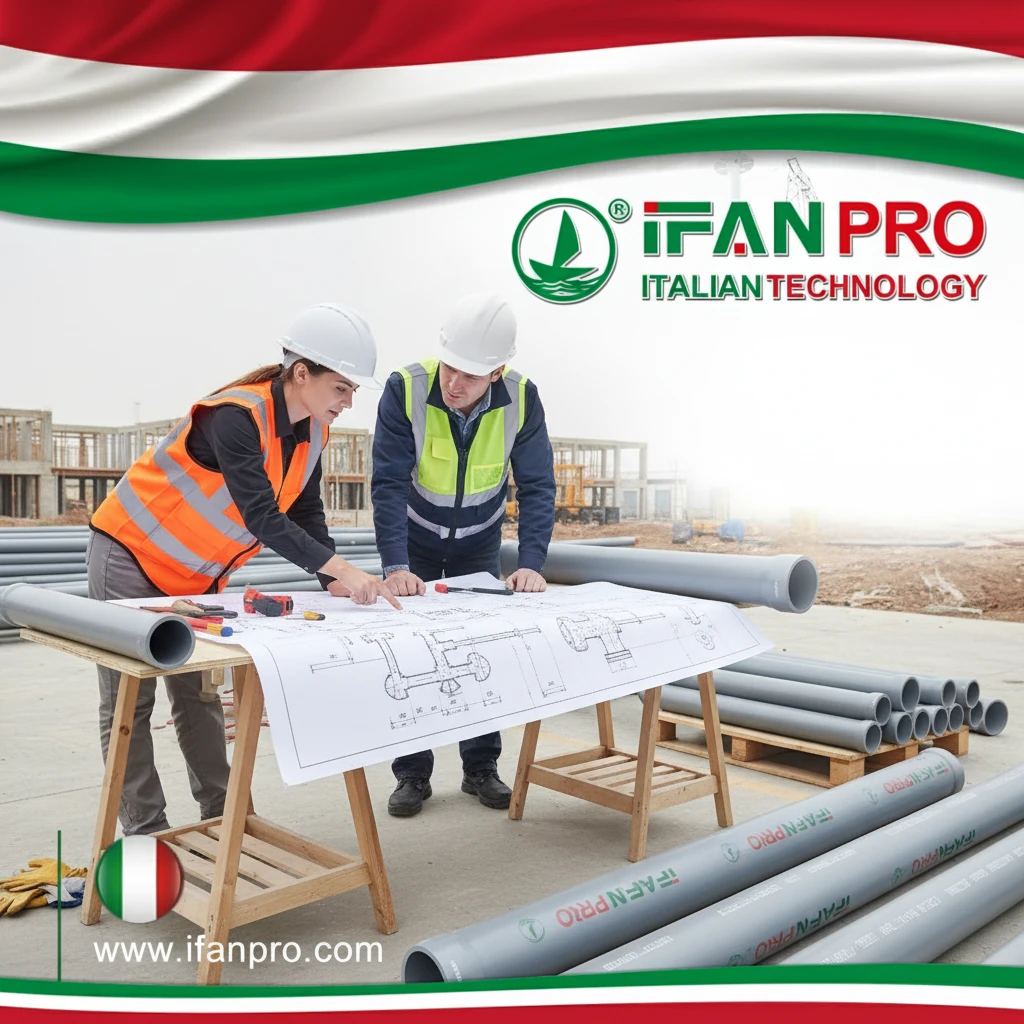
A project without a manager is like a ship without a captain. Everyone may be working hard, but without direction and coordination, you drift off course. A project manager takes full control from the very beginning to steer the project to a successful finish.
First, they create a realistic and detailed plan. This plan includes a clear timeline with milestones for design, supplier selection, production, inspection, and shipping. It also has a precise budget that covers all costs, not just the pipes and fittings, but also tooling, testing, logistics, and insurance. This plan becomes the project’s roadmap that everyone follows.
Active Tracking and Proactive Problem Solving
Second, the manager doesn’t just make the plan and walk away. They actively track everything. They use tools like Gantt charts to see the project’s progress in real time. If a factory reports a potential one-day delay in production, the manager sees it immediately. They can then work to solve the problem—maybe by adjusting the schedule or allocating more resources—before that one-day delay turns into a week-long stoppage.
This proactive approach is the key to staying on budget. Most cost overruns happen because of unmanaged delays, last-minute changes, or quality failures that require re-work. A project manager’s job is to stop these things from happening.
Financial Oversight and Communication
The manager also controls all the money. They handle all purchase orders and payments to suppliers. They make sure you are not charged for things you didn’t order and that all costs match the original quotes. This strict financial control closes the door on budget creep.
Finally, they handle all communication. You, the client, have one person to talk to for updates. The factory also has one clear point of contact for instructions. This eliminates confusion and mixed messages, which are major causes of errors and delays.
Common Delays a Project Manager Prevents
| Delay Cause | DIY Approach Risk | How a Project Manager Prevents It |
|---|---|---|
| Factory Scheduling | Factory deprioritizes your order for a larger client. | Signs a formal production schedule contract and conducts regular follow-ups. |
| Sample Approval | Back-and-forth mailing of incorrect samples wastes weeks. | Manages the sample process directly, ensuring correct specs are sent the first time. |
| Logistics Bottleneck | Finished goods sit in a warehouse waiting for shipping. | Books shipping space in advance, aligned with the production completion date. |
| Document Errors | Incorrect commercial documents delay customs clearance. | Reviews all packing lists, invoices, and certificates for 100% accuracy before shipment. |
By managing these details, a project manager transforms a risky, unpredictable process into a controlled, predictable one. They don’t just hope for the best; they plan for success and make it happen.
What Expertise Does a Project Manager Provide for Piping Material Selection and Sourcing?
Choosing the wrong material is a costly mistake. I’ve helped clients replace entire systems that failed because the original plastic couldn’t handle the chemical exposure.
A project manager provides critical expertise in piping material selection and sourcing by analyzing your application’s specific pressure, temperature, and chemical requirements. They then leverage their network of pre-audited suppliers to source the correct, certified material at the best value, ensuring performance and compliance while avoiding unsuitable or substandard products.
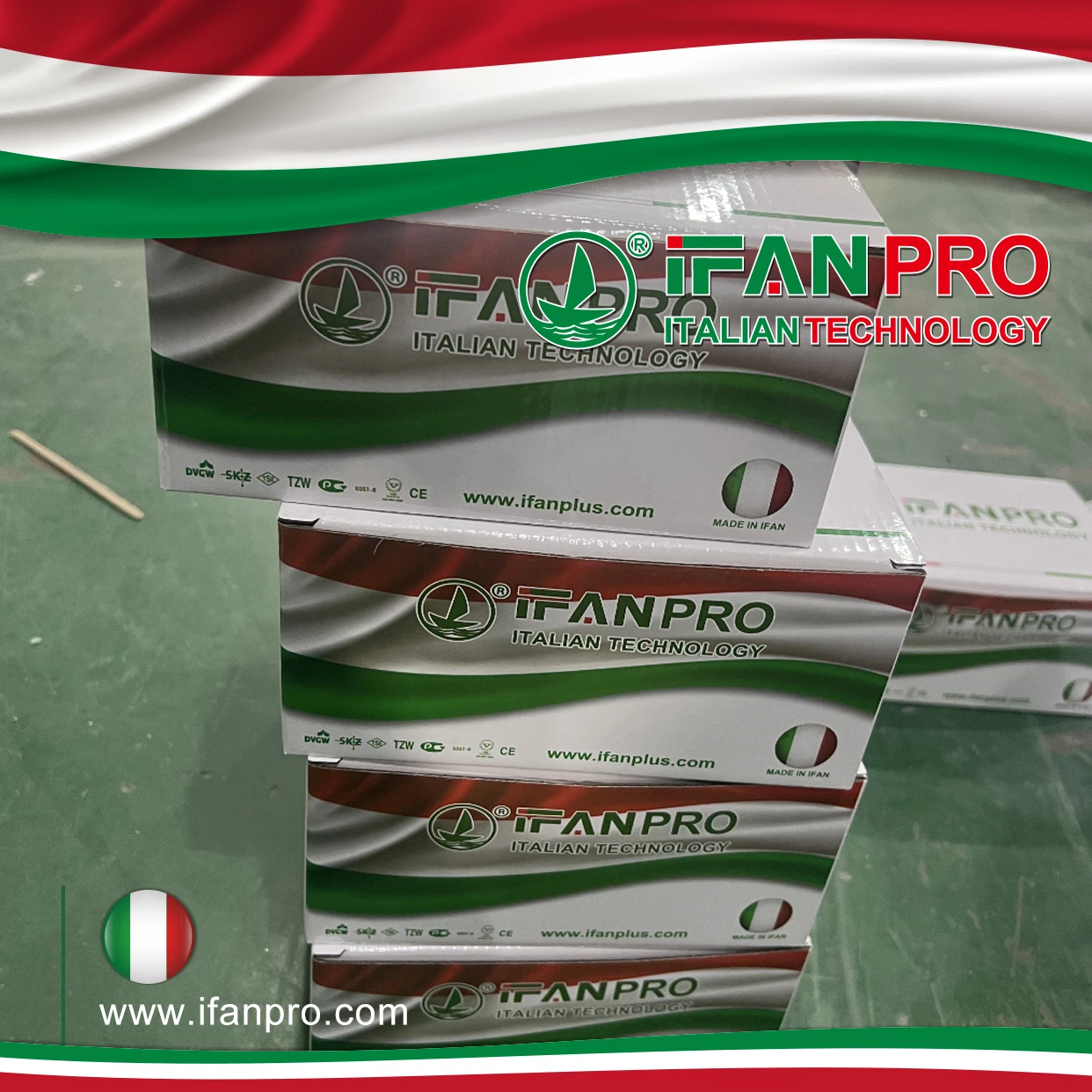
The world of piping materials is complex. PPR, PEX, PVC, CPVC, PVDF—each has different strengths, weaknesses, certifications, and costs. A project manager acts as your guide. They start by asking detailed questions: What fluid is being carried? At what temperature and pressure? Is it for drinking water, chemicals, or heating? What are the local building codes?
Based on your answers, they recommend the optimal material. For instance, they would know that standard PVC is not suitable for hot water, or that PP-R is excellent for potable water but may not be the best choice for certain industrial chemicals. This technical advice prevents the fundamental error of choosing a material that will fail in your specific application.
Strategic and Informed Sourcing
Once the material is chosen, the sourcing begins. This is where a manager’s expertise truly shines. An individual buyer might find a supplier on Alibaba offering a very low price. A project manager knows that price is only one factor. They use their established network of factories that have passed their quality and reliability audits.
They will collect and compare multiple quotes, but they analyze them based on total value, not just unit cost. They check if the quote includes the correct certifications (like NSF, ISO, GOST), if the raw materials are virgin grade, and what the payment terms are. They protect you from suppliers who cut corners with recycled material or fake certifications.
The Supplier Audit Process
A key service is the factory audit. Before an order is placed, a good project manager can conduct or arrange an audit. They check the factory’s production equipment, quality control lab, raw material storage, and past production records. This on-the-ground verification is something an overseas buyer can rarely do themselves.
Material Selection Guide for Common Applications
| Application | Key Requirements | Recommended Material | Why a Project Manager is Crucial |
|---|---|---|---|
| Residential Hot/Cold Water | Safety, durability, corrosion resistance, ease of installation. | PP-R (Polypropylene Random) | Ensures NSF/GOST potable water certification and proper fusion welding for leak-free joints. |
| Напольное отопление | High temperature resistance, flexibility, long-term stability. | PEX (Cross-linked Polyethylene) | Sources oxygen-barrier PEX to prevent system corrosion and ensures consistent polymer grade. |
| Industrial Chemical Lines | Resistance to specific acids, alkalis, or solvents. | PVDF (Polyvinylidene Fluoride) | Matches the exact chemical resistance to the fluid; verifies factory experience with high-purity welding. |
| Building Drainage | Cost-effectiveness, structural strength, fire retardancy. | PVC-U (Unplasticized PVC) | Selects the correct pressure rating and ensures formulation meets local fire and smoke regulations. |
In short, a project manager brings a blend of engineering knowledge and supply chain intelligence. They make sure you get the right pipe from the right factory, which is the foundation of any successful project.
How Does Professional Project Management Prevent Costly Errors in Piping Installation?
Installation errors are often discovered too late, buried in walls or under concrete. Fixing them can cost more than the original system.
Professional project management prevents costly installation errors by ensuring perfect alignment between design specifications, manufactured products, and on-site execution. They achieve this through detailed technical documentation, pre-installation reviews, and by supplying installation training or supervision, which eliminates the gaps where mistakes happen.
The Chain of Error Prevention
Mistakes in piping projects don’t just happen during installation. They often start much earlier, with a tiny error in a drawing or a misunderstanding in a specification. A project manager’s role is to break this chain at every link.
The first link is design and documentation. The manager ensures that all technical drawings, isometrics, and bills of materials (BOM) are 100% accurate and clear. They make sure these documents use standard symbols and terminology that both the factory and the installation crew can understand without guesswork.
Bridging the Gap Between Factory and Field
The second link is the handoff from manufacturing to installation. This is a critical failure point. Imagine pipes and fittings arriving on-site with no installation guide, or with labels that don’t match the drawings. Installers are forced to guess, which leads to errors.
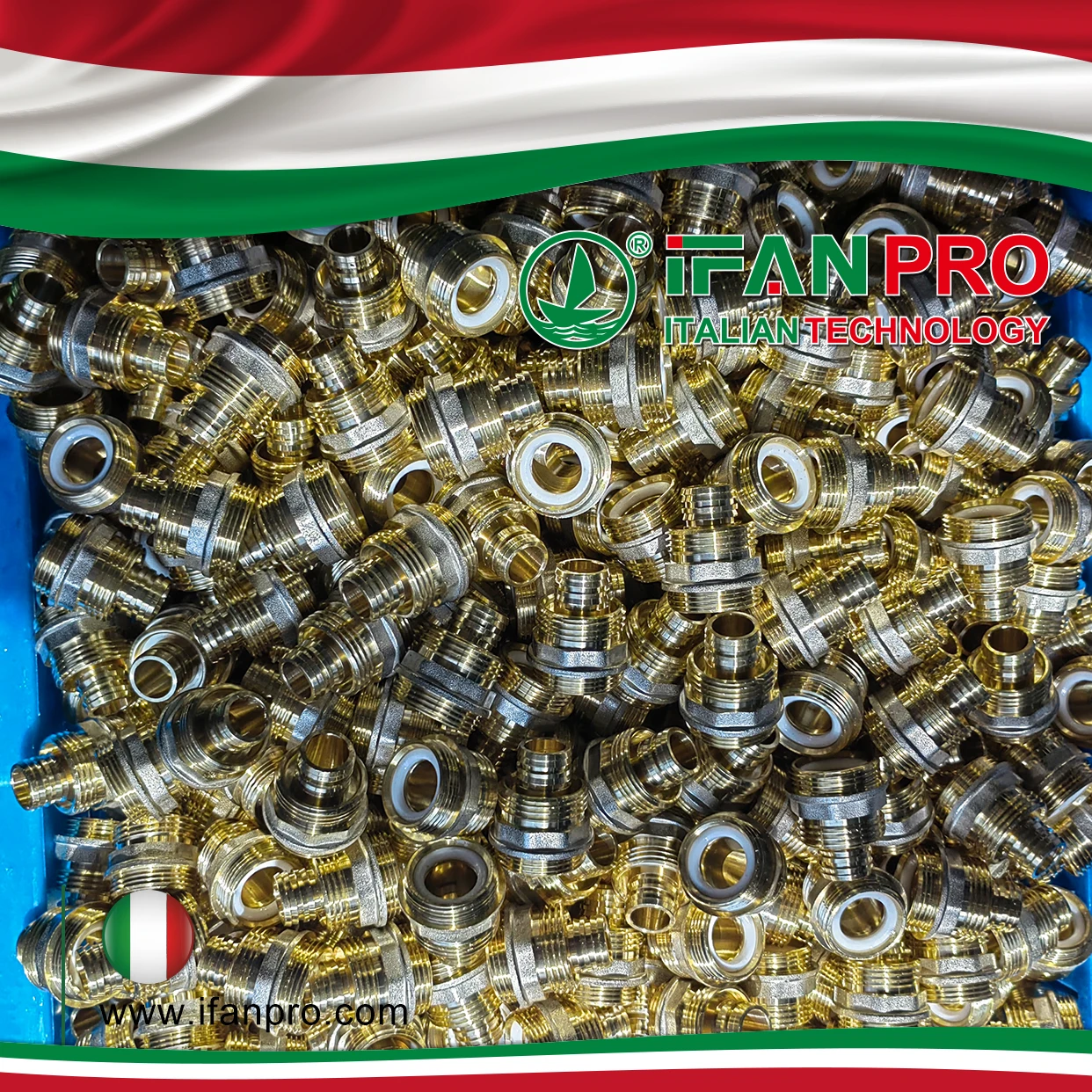
A project manager prevents this. They ensure that every crate and pallet is clearly marked with the project name, part number, and location code as per the installation drawings. They provide the installation team with a complete package: the drawings, the material list, and the manufacturer’s certified installation instructions (e.g., the correct temperature and time for PP-R fusion welding).
Proactive Training and Support
For complex systems or new materials, the manager can arrange for training. They can have a factory technician or a certified trainer visit the site to teach the local plumbers the correct installation techniques. This upfront investment in knowledge prevents a whole job being done wrong.
Furthermore, for critical projects, the manager can provide on-site supervision, especially during the first phase of installation. They are there to answer questions in real-time, confirm that the right part is being used in the right place, and verify that the installation method meets the standard.
Common Installation Errors and How Management Prevents Them
| Costly Error | Consequence | Project Manager’s Preventive Action |
|---|---|---|
| Wrong Fusion Parameters | Weak joints that leak under pressure, causing water damage. | Provides certified welding guidelines and mandatory on-site training for crews. |
| Incorrect Component Assembly | System doesn’t function (e.g., valves installed backwards). | Labels all parts clearly on packing lists and includes detailed assembly diagrams with shipments. |
| Material Substitution on Site | Installers use a locally bought, non-certified fitting to save time. | Ensures 100% of required parts are delivered, with a surplus of small fittings, eliminating the need for local buys. |
| Support Spacing Incorrect | Pipes sag over time, causing stress and joint failure. | Includes a full pipe support specification and layout in the installation manual provided to the site foreman. |
By managing information flow and quality at every step—from the engineer’s desk to the installer’s hands—a project manager builds a system of verification that catches small problems before they become buried, expensive disasters.
Why is a Project Manager Vital for Coordinating Complex Multi-Supplier Piping Projects?
When multiple suppliers are involved, chaos is the default. I’ve seen projects where the pipes arrived, but the valves and supports came from different factories weeks later, stopping all work.
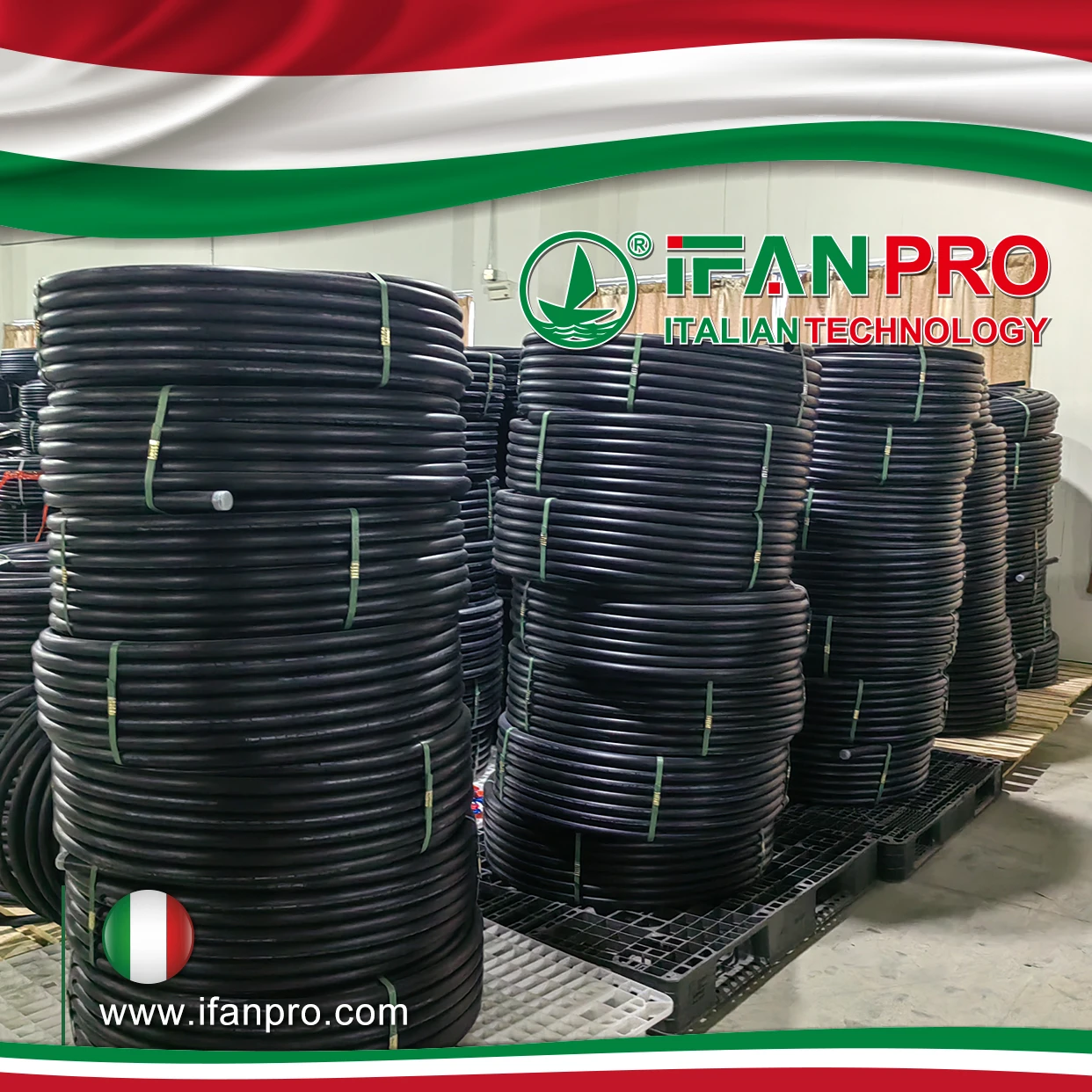
A project manager is vital for coordinating multi-supplier projects because they act as the central command, synchronizing the schedules, specifications, and deliveries of all different vendors. They ensure all components are compatible, arrive in the correct sequence for installation, and meet the same quality standard, transforming potential chaos into a harmonious workflow.
The Conductor of the Supply Chain Orchestra
A project with one supplier is simple. A project with multiple suppliers—one for valves, one for specialty fittings, one for pumps, and one for the main piping—is like an orchestra. Without a conductor, you just get noise. The project manager is that conductor.
Their first task is integration planning. They don’t manage each supplier in isolation. They create a master schedule that shows when each supplier needs to finish design, when they need to produce samples, when production runs, and when they must ship. The goal is for all components to arrive at the job site in the right order, just when they are needed.
Ensuring Compatibility and Quality Consistency
A huge risk in multi-supplier jobs is incompatibility. For example, the flanges from Supplier A must bolt perfectly to the valves from Supplier B. A project manager manages this by controlling the “interface specifications.” They provide all suppliers with the same master dimensional and technical standards. They also coordinate the exchange of samples between critical suppliers to test-fit them before mass production begins.
They also enforce a consistent quality standard. They cannot allow one supplier to use high-grade material while another uses a lower grade. The project manager applies the same quality inspection protocol (like AQL sampling) to all suppliers, ensuring the entire system meets one high bar.
Centralized Communication and Crisis Management
Communication becomes exponentially harder with more suppliers. Emails get lost, conflicting instructions are given, and suppliers blame each other for delays. The project manager cuts through this. All communication flows through them. They hold regular coordination meetings with all suppliers to sync progress and solve interface issues.
When a problem arises—like a production delay at the valve factory—the project manager doesn’t just tell the client. They immediately assess the impact on the pipe factory and the shipping schedule. They then work on solutions, like slightly delaying the pipe production to realign the shipments, so everything still arrives together. They solve the problem across the entire supply chain.
Multi-Supplier Coordination Table
| Coordination Challenge | Without a Project Manager | With a Project Manager |
|---|---|---|
| Schedule Synchronization | Each supplier works to their own timeline. Parts arrive at different times, stalling installation. | A master schedule aligns all production and shipping. Parts arrive in a logical, installable sequence. |
| Technical Compatibility | Suppliers work to general standards; fittings may not match on site. | Manager provides and enforces detailed interface specs; samples are cross-checked between suppliers. |
| Quality Standard | Each supplier uses their own definition of “good quality.” | A single, project-specific Quality Inspection plan is applied to all suppliers uniformly. |
| Problem Resolution | When one supplier is late, others keep working, creating inventory and sequencing problems. | The manager re-optimizes the entire chain in real-time to minimize overall project delay. |
In essence, the project manager owns the complexity so you don’t have to. They take on the stress of coordinating multiple moving parts, giving you the simplicity of a single, accountable partner and the confidence that everything will fit and work together as planned.
Заключение
A professional piping project manager is your strategic partner, turning risk and complexity into reliability and value. For seamless project execution from sourcing to installation, partner with ИФАН. Our expert project management team ensures your piping system is delivered on spec, on time, and on budget.











 Русский
  English
  Français
  Español
Последние комментарии