
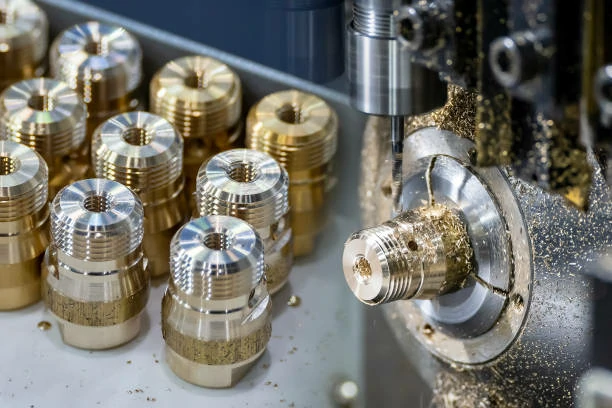
Brass fittings have undergone significant technological innovations over recent years, enhancing their performance, efficiency, and application across various industries. These advancements respond to the evolving needs of consumers and professionals, ensuring that brass fittings remain relevant in an increasingly competitive market. Understanding these innovations helps users appreciate the benefits and capabilities of modern brass fittings.
Improved Manufacturing Processes
One major area of innovation lies in the manufacturing processes of brass fittings. Traditional methods have evolved into more efficient techniques, incorporating advanced machinery and automated systems. These improvements not only enhance production speed but also increase precision in fitting dimensions.
Modern casting and machining techniques allow manufacturers to produce complex shapes with tight tolerances. This precision leads to better-fitting components that reduce the risk of leaks and failures. Innovations like computer numerical control (CNC) machining enable manufacturers to create intricate designs that were previously difficult or impossible to achieve.
Lead-Free Alloys
Health and safety concerns regarding lead content in plumbing materials have prompted manufacturers to develop lead-free brass alloys. These new formulations maintain the essential properties of traditional brass while eliminating harmful elements. The adoption of lead-free brass fittings aligns with stringent regulations and consumer demand for safer products.
These lead-free alloys demonstrate similar corrosion resistance and durability as conventional brass. Manufacturers now provide a range of lead-free options, making it easier for consumers to find compliant fittings without sacrificing quality or performance.
Enhanced Corrosion Resistance
Innovations in surface treatments and coatings have improved the corrosion resistance of brass fittings. Advanced coatings can provide additional protection against the elements, extending the lifespan of fittings in challenging environments. These coatings often withstand exposure to moisture, chemicals, and temperature fluctuations.
For instance, some manufacturers apply specialized plating techniques that create a barrier against corrosion. This innovation allows brass fittings to perform reliably in applications where traditional brass might falter, such as in marine or industrial settings.
Smart Technologies
The integration of smart technologies into brass fittings marks a significant innovation in the industry. Smart fittings equipped with sensors can monitor water flow, pressure, and temperature in real time. These technologies provide users with valuable data that enhances system performance and efficiency.
For example, smart brass fittings can alert users to leaks or irregularities in water flow. This proactive monitoring enables timely maintenance, preventing costly damage and water waste. The growing demand for smart home technologies supports the development of these innovative brass fittings, making them increasingly popular in residential and commercial applications.
Инновации в дизайне
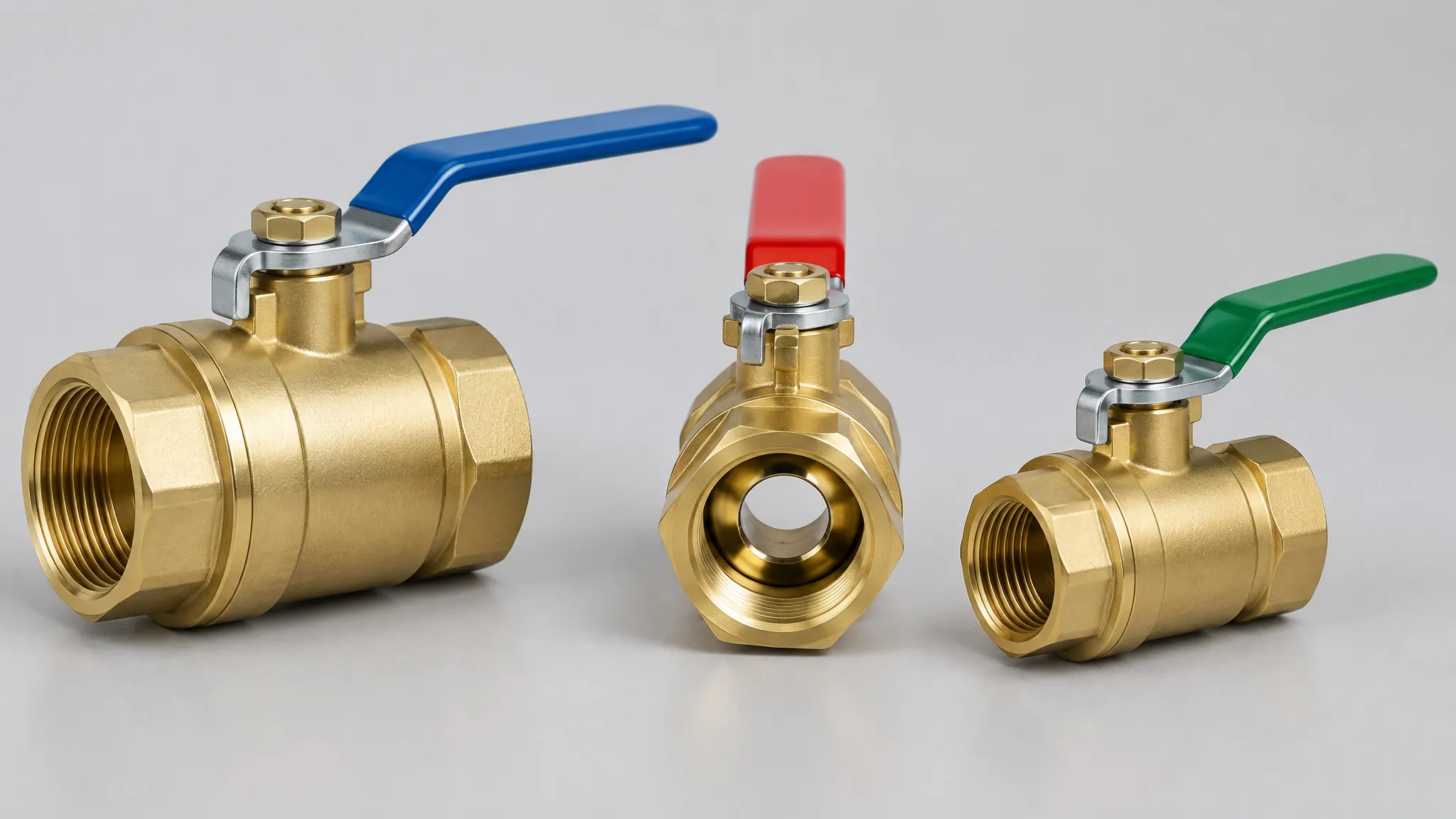
Design innovations have also transformed brass fittings, making them more versatile and aesthetically pleasing. Manufacturers now offer a variety of shapes, sizes, and finishes to suit diverse applications and consumer preferences. This variety allows users to select fittings that not only perform well but also enhance the visual appeal of their plumbing systems.
Ergonomic designs in valves and handles improve user experience, making them easier to operate. These design innovations cater to the needs of both professionals and homeowners, providing practical solutions that simplify installation and maintenance.
Sustainability and Eco-Friendly Practices
Sustainability has become a focal point for manufacturers in recent years. Innovations in brass fitting production now emphasize eco-friendly practices that reduce environmental impact. Many manufacturers focus on sourcing materials responsibly and implementing energy-efficient processes.
The move toward recycling brass fittings at the end of their life cycle further contributes to sustainability efforts. Innovations in recycling techniques allow manufacturers to reclaim and repurpose brass efficiently, reducing waste and conserving resources. This commitment to sustainability resonates with consumers seeking environmentally responsible options.
Customization and Flexibility
Customization options have emerged as a trend in brass fitting production. Manufacturers now offer tailored solutions to meet specific customer requirements. This flexibility allows contractors and builders to source fittings that perfectly match their project needs.
Whether it involves unique sizes, shapes, or finishes, customization ensures that users can find the right brass fittings for their applications. This innovation streamlines the procurement process, saving time and resources while enhancing overall project efficiency.
Enhanced Performance Metrics
Technological innovations have led to improved performance metrics for brass fittings. Manufacturers conduct rigorous testing to ensure that fittings can withstand high pressures, extreme temperatures, and harsh environments. This testing provides users with confidence in the reliability and longevity of their fittings.
Innovations in materials and design contribute to enhanced pressure ratings and flow characteristics. Users can select fittings that optimize performance in their systems, leading to more efficient water supply and distribution.
Market Trends and Future Innovations
The market for brass fittings continues to evolve, driven by technological advancements and changing consumer preferences. Manufacturers closely monitor trends and invest in research and development to stay ahead of the competition. Emerging technologies, such as 3D printing, may further influence the production of brass fittings, allowing for rapid prototyping and reduced lead times.
Future innovations might focus on improving connectivity, integrating even more smart technologies, and developing new materials that enhance performance while addressing environmental concerns. The ongoing commitment to innovation will ensure that brass fittings remain a vital component in plumbing and industrial applications.
Список лучших поставщиков латунных фитингов
| Название компании | Расположение | Годы опыта | Сертификаты |
| ИФАН | Чжуцзи, Китай | 1993 | Сертификация ISO |
| ASC Engineered Solutions | США | 2019 | Сертификация ISO |
| Патель Прецизионный завод | Индия | более 21 года | Сертификация ISO |
| КРАСНО-БЕЛАЯ КЛАПАННАЯ КОРПОРАЦИЯ | США | 1971 | Сертификация ISO |
| Регуляторы расхода SVF | США | 1988 | Сертификация ISO |
Международный стандарт IFAN для латунных фитингов
Компания IFAN придерживается нескольких международных стандартов, обеспечивающих качество и надежность ее продукции. К ним относятся ISO 15875, GB-T 18992, DIN 16892, ASTM F877, ASTM F2788, BS 7291, BS EN ISO 15875, CSA B137 и другие. Соответствуя этим строгим стандартам, компания IFAN гарантирует, что ее сантехнические системы отвечают самым высоким мировым требованиям к безопасности, долговечности и производительности. Эти сертификаты свидетельствуют о стремлении компании IFAN поставлять продукцию, которая пользуется широким признанием и доверием в различных отраслях промышленности по всему миру.
Заключение
Technological innovations in brass fittings have transformed their manufacturing, performance, and application. Improved processes, lead-free alloys, enhanced corrosion resistance, and smart technologies position brass fittings as a reliable choice in various industries. As manufacturers embrace sustainability and customization, users can expect even greater versatility and efficiency in their fittings.
Understanding these innovations allows consumers, contractors, and builders to make informed choices when selecting brass fittings for their projects. The future of brass fittings looks promising, driven by ongoing advancements that enhance their functionality and contribute to a more sustainable and efficient world.
Подключайтесь
ИФАН является китайским производителем пластиковых труб, фитингов и клапанов с 30-летним опытом работы. Если вы заинтересованы в ИФАН медные фитинги, медные клапаны, пластиковые трубы и фитинги, пожалуйста, свяжитесь с нами. ИФАН предлагает вам разнообразные стандартные трубы для удовлетворения ваших конкретных потребностей. Нажмите ниже, чтобы узнать больше о широком ассортименте доступной и экономичной арматуры и сопутствующих товаров для трубопроводных систем от IFAN.
Мы ответим на ваше письмо или факс в течение 24 часов.
Вы можете позвонить нам в любое время, если у вас возникнут вопросы по нашей продукции.
Для получения дополнительной информации, пожалуйста, посетите наш веб-сайт https://ifanpro.com/
Отправить по почте: [email protected]
Whatsapp: + 86 19857948982











 Русский
  English
  Français
  Español
Последние комментарии